iPhone 5 review
Apple’s iPhone 5 features a 4-inch display, a brand new Maps application, and improved imaging. But is it everything it should have been?
The iPhone 5 is the biggest launch of the year, bar none, and looks set to propel Apple’s share prices into previously uncharted territory. Apple has introduced some much-needed changes this time around but does its latest handset live up to the hype surrounding it?
If you take consumers’ initial reaction to the handset – there were five million pre-orders and huge queues outside Apple retail stores across the globe – then the answer to that question would appear to be a resounding yes.
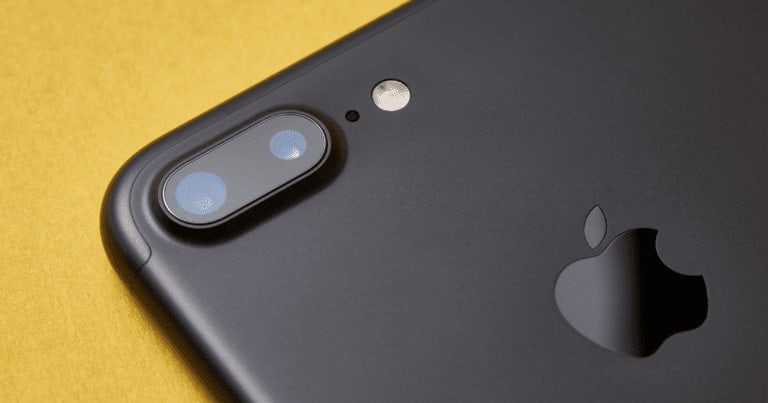
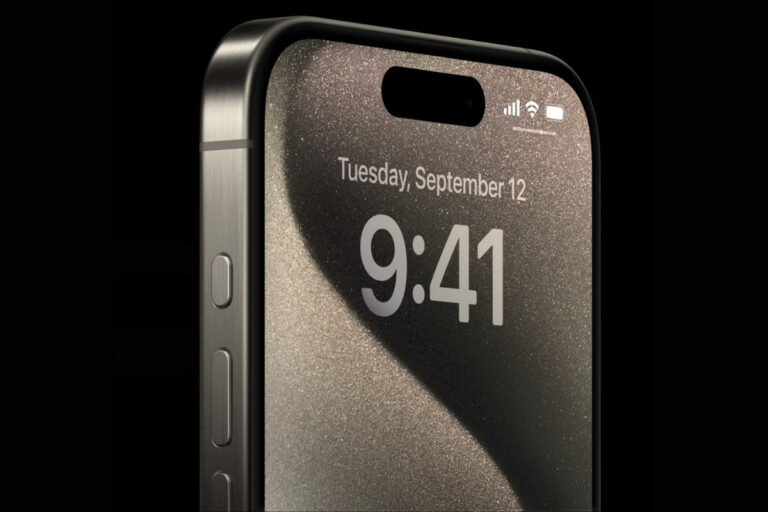
With the iPhone 5 Apple has introduced a 4-inch display, the biggest ever used on an iPhone, and has evolved the overall design and finish of the handset, making it slimmer, longer, and lighter. It’s also introduced new build materials, as well as updating both the front and rear-facing cameras.
The addition of iOS6 with its 200 new features is also significant, as is Apple’s bespoke Maps application. But, generally speaking, this new iPhone is a variation on an already well-established theme: it's the iPhone 4S we all know and love, just evolved a notch further.
You could argue that the iPhone 5 is a rather conservative update, especially when compared to handsets like the Lumia 920 and Galaxy Note 2, which really do push the boundaries of what’s possible with current mobile technologies – a point that many have already pointed out.
Apple doesn’t play by the rules though. It never has, and the iPhone is testament to that fact. Compare the iPhone 4 to the Galaxy S2, the iPhone 4S to the Galaxy S3, and the iPhone 3GS to the HTC Desire. In all cases the Android devices have better spec – but does that make them better handsets?
Apple doesn’t seem to think so and looking at the sales figures of iPhones during the past several years indicate that neither do the majority of consumers. That’s why Apple has left the core design elements of the iPhone 5, as well as it UI, well alone.
Apple has upped the hardware as well as improved the overall user experience here, as it does with each new iteration of iPhone, but generally speaking there’s nothing present on the iPhone 5 that would leave an existing iPhone user confused. And that’s the point.
Design
The iPhone 5, as you probably already know, is longer, thinner, and lighter than its predecessor, keeping well in-line with the company’s ‘thinner, faster, lighter’ mantra. Exact measurements for the device are 123.8 x 58.6 x 7.6mm and it weighs just 112g.
It’s an exceptionally lightweight and slender handset and the overall effect is quite startling, with the device feeling incredibly delicate in the hand.
Build quality is also superb, even by Apple’s standards, and the combination of aluminium and glass, which is used to great effect here, adds an additional dimension of aesthetic finesse that just wasn’t present on the iPhone 4S.
Despite the increase in length, Apple has managed to keep the same overall width that was present on the iPhone 4/4S. It’s a clever ploy that affords the user more display but doesn’t alter the traditional one-handed iPhone user experience, despite being 18 per cent slimmer and 0.5 per cent longer.
The front-facing FaceTime camera now sits in a central position on the front of the device and Apple moved the 3.5mm jack input to the bottom of the handset, mirroring the setup of its iPod Touch devices.
The inclusion of Apple’s new smaller Lightning docking connector, again, located on the bottom of the handset, was yet another controversial addition as it rendered all current iPhone 4/4S-docking accessories useless.
There is a converter available, which you can buy from Apple for £25, but a lot of people are understandably irritated by the move, particularly since a MicroUSB port would have taken up around the same amount of space.
Apple’s Nano-SIM also makes its debut inside the iPhone 5 too and is markedly smaller than the iPhone 4/4S’ micro-SIM setup, as you can see in the image below.
What’s clear from several days with the iPhone 5 is that Apple’s careful tweaking of the iPhone 4/4S’s design has paid off in a big way. The handset feels different, more premium, and iOS6 fits like an old pair of jeans. Sure, the iPhone 5 might not be as big and dramatic as the Lumia 920 or Galaxy S3 but that’s not really the point: this is an iPhone, after all.
Plus, Apple isn't going after niches here. It’s preaching to an already well-established demographic of users – users who love the iPhone, have never heard of Windows Phone and think the Galaxy S2 is way too big.
In this context it’s easy to see why Apple favours the softly-softly approach over, say, Samsung’s shock and awe way of doing things.
Display
The 4-inch display present here is still very much in Retina Display country, featuring a pixel density of 326ppi – more or less the same as the iPhone 4S. Also, those users that are worried about the extra screen space of the iPhone needn’t be, as we found the device to be perfectly suited to one-handed use, despite its increased length.
The panel itself is an LED-backlight TFT IPS setup with a resolution of 640x1136 pixels. That’s pretty much the same deal as you got on the iPhone 4 and iPhone 4S. It’s also coated in Corning’s Gorilla Glass and uses in-cell touch technology, which not only makes the panel slimmer (and therefore makes the phone lighter), but also seems to make it brighter as well. The overall effect won’t be visible to most but it’s a welcome addition to an already impressive setup.
Hardware
The inclusion of Apple’s A6 chipset and 1GB of RAM ensures that the iPhone 5 is suitably faster than its predecessor. Apple says that this new setup will deliver around twice the performance of Apple’s A5X system-on-chip – it wasn’t kidding.
In practice everything is as it should be, with iOS 6 feeling snappy to the touch and games like NOVA 3 running at break-neck speeds, thanks to the higher clock speed on the processor and Apple’s decision to include 1GB of dual-channel memory – the iPhone 4S only had 512MB.
In practice this means the new iPhone is a hell of a lot faster than the last one, as you’d expect. Apps load faster, there’s zero lag while navigating menus, and you can take multiple shots on the camera in very quick succession.
With games the effect is even more grandiose – NOVA 3, Dead Trigger, GTA III, and Infinity Blade run seamlessly. The only downside here is that many applications and games – like 99.9 per cent of them – have yet to be optimised to take full advantage of the iPhone 5’s longer 4-inch display.
Imaging
Imaging, both via the front and rear cameras, on the iPhone 5 has been improved. The main iSight camera, while still being 8-megapixels, has been modified ever so slightly and now produces much crisper and more detailed images.
Shots, particularly when in HDR mode, are well defined, highly detailed, and look truly amazing when viewed both on the iPhone 5’s Retina Display or via an external source, such as an HDTV.
Video has also been bumped to 1080p as well, and is no slouch either. During our tests we found that the quality was very good being almost on a par with images, as well as being relatively stutter-free.
The much talked about Panorama mode is also worthy of mention here, too. Lauded as one of the stand out features of the iPhone 5, along with LTE and Maps, panorama is a decent feature that works rather well in the right context. It does struggle with people, however, as you can see below, so is best put to use when capturing landscapes.
Specifications
| Typical Price | £529 (16GB), £599 (32GB), £699 (64GB) |
| UK Launch | September |
| Network | O2, Vodafone, Three, EE, |
| Frequency | Quad |
| Phone Style | Candybar |
| Thickness | 7.6 mm |
| Length | 123.8 |
| Width | 58.6 |
| Weight | 112g |
| Built-in Memory | 16GB, 32GB, or 64GB + 1GB of RAM |
| Additional Memory | - |
| High-speed Data | 3G, 4G (on certain builds), EDGE, GPRS, HSPA+, Wi-Fi |
| Connectivity | Wi-Fi (b,g,n), Bluetooth, AirPlay |
| Screen Size | 4-inch |
| Screen Colours | 16M |
| Camera | Yes |
| Designer Lens | iSight |
| Camera Resolution | 8-megappixel |
| Zoom | Yes |
| Flash | Yes (LED) |
| Video Resolution | 1080p |
| Ringtones | Yes |
| Music Player | Yes |
| Speaker | Yes |
| Video Calling | Yes |
| Internet | Yes |
| Browser | HTML5 |
| Games | Yes |
| Battery Standby | Up to 225 h (2G) / Up to 225 h (3G) |
| Talktime | Up to 8 h (2G) / Up to 8 h (3G) |