
The pre-cellular era
Mobile calls were possible, but the equipment lived in cars and network capacity was tiny.
The brick phone era
Motorola proved a handheld cellular phone could work, then sold the DynaTAC 8000X for $3,995 in 1983.
The digital era
GSM, SMS, SIM cards and smaller batteries turned the mobile into a consumer product.
The Nokia era
Phones became affordable, friendly and almost universal. Snake, ringtones and battery life mattered more than raw computing power.
The BlackBerry era
Push email, BBM and physical keyboards made the phone a serious work tool, then a social obsession.
The Symbian era
Nokia built advanced smartphones years before the iPhone, but the software struggled once touchscreens took over.
The fashion-phone era
The Motorola Razr V3 proved people would buy a phone because it looked good.
The touchscreen revolution
The iPhone changed how a phone worked; Android changed how widely that model could spread.
The app era
Apple and Samsung became the new giants, apps replaced standalone gadgets, and old leaders vanished.
The 5G, foldable & AI era
Phones are mature, expensive and immensely capable. The fight has moved to cameras, ecosystems, flexible displays and software.
Mobile phones didn’t become smartphones in one clean jump. First they were car-sized radios. Then they became status symbols, pocketable Nokias, email machines, cameras, music players, app platforms and, eventually, the thing most of us use instead of a computer. This is the full story, era by era.
If you want one phone that changed the market more than any other, it is probably the original iPhone. If you want the company that did the most to make mobile phones normal, that was Nokia.
Mobile Phone Eras At A Glance
| Era | Approximate period | Defining phones | What changed |
|---|---|---|---|
| Pre-cellular | 1946–1973 | Bell System MTS car phones | Calls could move, but networks supported very few users |
| Brick phones | 1973–1991 | DynaTAC, MicroTAC, Mobira Cityman | The telephone left the car and became handheld |
| Digital mobile | 1992–1998 | Motorola 3200, Nokia 1011, IBM Simon | GSM, SMS, SIM cards and early mobile computing arrived |
| Nokia mass market | 1998–2007 | Nokia 5110, 3210, 3310, 1100 | Mobile ownership became ordinary and affordable |
| BlackBerry | 1999–2011 | BlackBerry 850, Pearl, Curve, Bold | Push email, secure chat and QWERTY typing took over |
| Symbian | 2000–2012 | Nokia 9210, 6600, N95 | Apps, cameras, GPS, Wi-Fi and multitasking arrived early |
| Fashion phones | 2004–2007 | Razr V3, LG Chocolate, Nokia 8800 | Design became a reason to upgrade |
| iPhone and Android | 2007–2012 | iPhone, iPhone 3G, G1, Galaxy S | Touchscreens and app stores reset the industry |
| Mature smartphones | 2013–2018 | iPhone 5s, Galaxy S4, iPhone X, Pixel | Phones swallowed cameras, MP3 players and sat-navs |
| 5G, foldables and AI | 2019–present | Galaxy Fold, iPhone 17, Pixel 11 | New shapes and AI became the new sales pitch |
A note on the dates: these eras overlap. Nokia, Symbian and BlackBerry were all powerful during parts of the same decade. The dates show when each idea had the most pull, not a neat relay race.
Before The Mobile Phone: Calls From Cars, Not Pockets (1946–1973)
The story did not start with a man walking down a New York street holding a beige brick. It started with radio telephones installed in vehicles.
Bell System launched its Mobile Telephone Service in the US in 1946. Similar systems appeared elsewhere, including Sweden’s 40kg Mobile Telephone A system in the 1950s. These were mobile in the same sense that a washing machine in a van is mobile. You could move them, but you weren’t slipping one into your jacket.
The bigger problem was capacity.
A city might have only a handful of usable radio channels. Calls often needed an operator, coverage was patchy, and the equipment was ruinously expensive.
The cellular idea fixed this. Instead of one powerful transmitter serving a whole region, an area could be divided into smaller “cells”. Frequencies could be reused far enough apart without signals colliding. As a caller moved, the network handed the connection from one cell to the next.
It sounds obvious now. At the time, it was the trick that made mass mobile communication possible.
The Brick Phone Era: Mobile Calling Becomes Handheld (1973–1991)
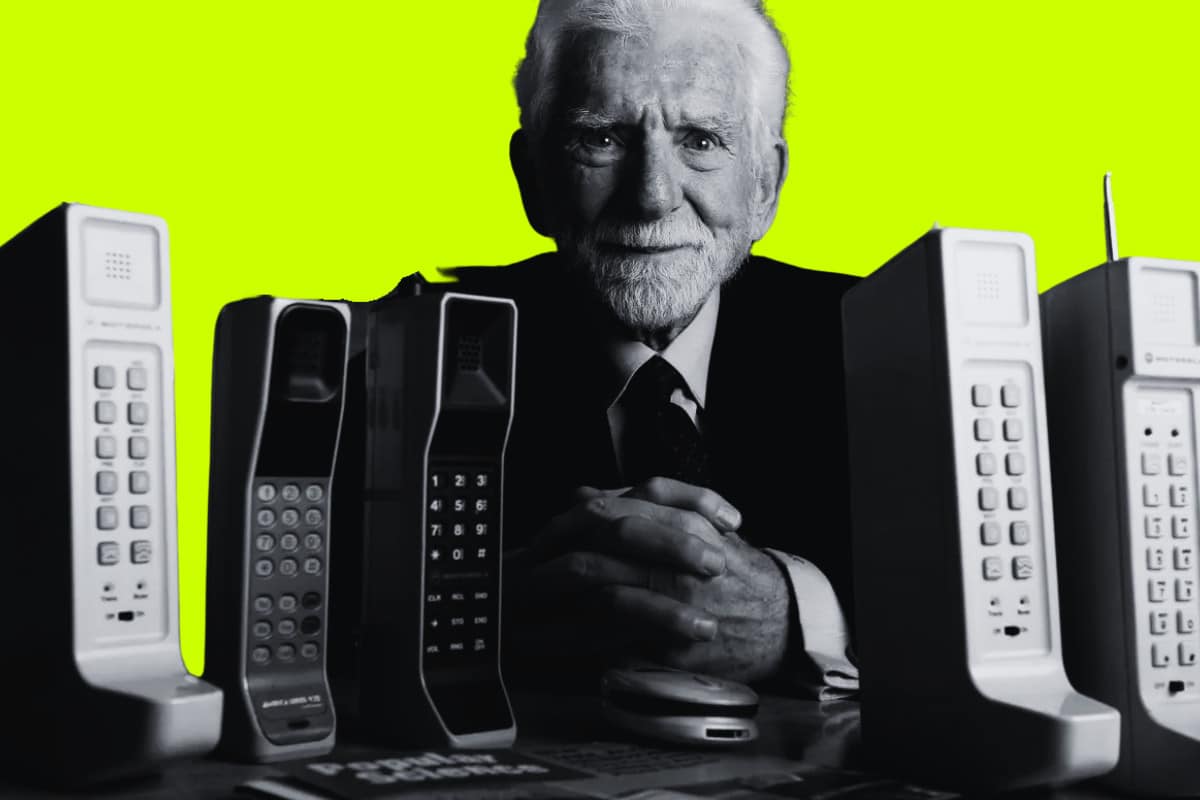
The first handheld cellular call
On April 3, 1973, Motorola engineer Martin Cooper made the first public call from a handheld cellular prototype. He reportedly rang Joel Engel at Bell Labs, Motorola’s main rival in the race to build cellular equipment.
The prototype weighed roughly 1kg, allowed about 20 to 30 minutes of calling and needed around 10 hours to recharge. It was not the retail DynaTAC 8000X, despite the two often being treated as the same device online. The commercial phone came a decade later.
Motorola DynaTAC 8000X: the $3,995 status symbol
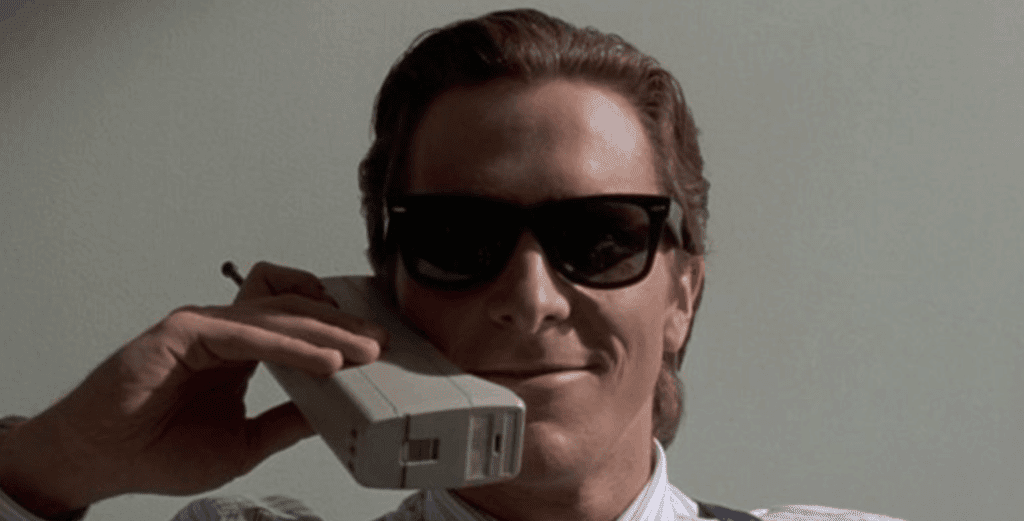
The Motorola DynaTAC 8000X went on sale in the US in 1983. Its $3,995 launch price is well above $10,000 in 2026 money, depending on the inflation measure used.
What did that small fortune buy?
- Around 30 minutes of talk time
- Storage for 30 numbers
- An LED display
- Roughly six hours of standby
- A body weighing close to 790g
It looks faintly ridiculous now, but the DynaTAC made being reachable away from a building look powerful. The customer was a banker, property developer or senior executive, not a teenager texting from the back of a bus.
Nokia enters with the Mobira Cityman
Nokia’s early mobile business looked very different from the friendly blue phones it later sold by the hundred million. The 1982 Mobira Senator was a car phone weighing almost 10kg. The Mobira Cityman 900, released in 1987, cut that to around 760g and worked on the Nordic NMT 900 network.
It became known as the “Gorba” after Soviet leader Mikhail Gorbachev was photographed using one. Its Finnish price was around 24,000 marks, the sort of money that made a mobile feel closer to specialist business equipment than a household purchase.
MicroTAC makes the brick smaller
Motorola’s MicroTAC arrived in 1989 with a flip-down mouthpiece and a launch price of roughly $2,500 to $3,000, depending on version and market. It was not a full clamshell, but the folding design made it easier to carry.
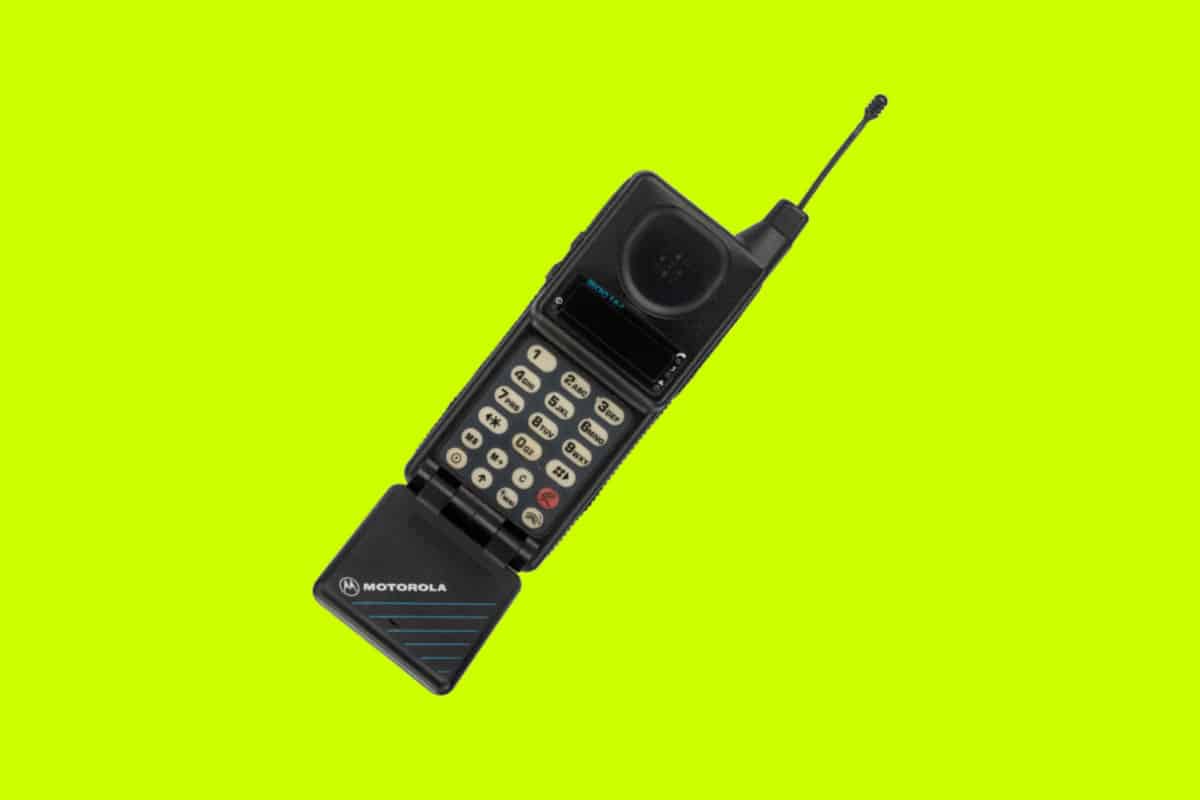
This era established three things: people would pay heavily to be reachable, smaller phones were more desirable, and battery size, radio range and portability would always pull against one another.
The Digital Era: GSM, Texting And The First Smartphones (1992–1998)
The move from analogue 1G to digital 2G changed more than call quality. Digital systems used spectrum more efficiently, made encryption easier and allowed data services such as SMS.
Our guide to 1G, 2G, 3G, 4G and 5G explains what each network generation added.
Motorola International 3200 and GSM
Released in 1992, the Motorola International 3200 was the first handheld digital GSM phone sold commercially. It still looked like a brick, but the network under it was the future.
GSM also normalised the SIM card. Your subscriber identity could live on a removable chip rather than being tied permanently to a handset. Changing phones became easier, as did competition between manufacturers.
Nokia 1011: mass-produced GSM
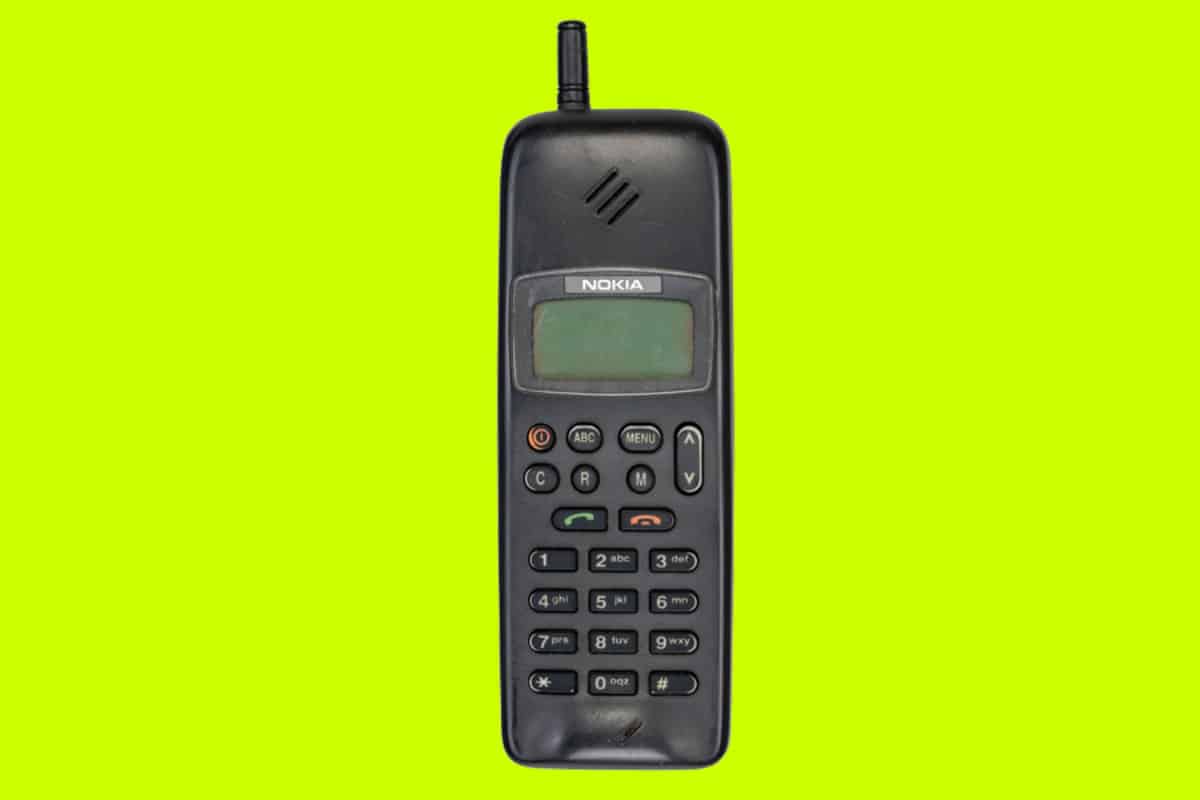
The Nokia 1011 launched on November 10, 1992, a date reflected in its name. It was Nokia’s first mass-produced GSM handset and could store 99 numbers.
It is often called the first phone able to send SMS. That needs a qualification. The first SMS was sent from a computer to a Vodafone Orbitel handset in December 1992; two-way phone-to-phone texting came later. What the 1011 did was put the necessary GSM hardware into a production phone.
Operators initially treated SMS as a minor network feature. It became a financial and cultural monster. Tiny packets of text generated absurd margins, while users built abbreviations, flirting rituals and entire arguments inside 160 characters.
IBM Simon: the first recognisable smartphone
The IBM Simon Personal Communicator went on sale in the US in 1994. It combined a phone with a touchscreen, contacts, calendar, notes, email and fax. It could even run added programs from a PCMCIA card.
BellSouth sold it for $899 with a two-year contract or $1,099 without one. The battery lasted roughly an hour during active use and it weighed about 510g, so this was not an iPhone waiting patiently in 1994. Still, the basic idea was there: a phone could also be a personal computer.
Motorola StarTAC: the true clamshell
The 1996 Motorola StarTAC took the MicroTAC idea and finished the job. It folded in half, weighed around 88g in its lightest form and looked as if it had fallen out of Star Trek.
It launched at roughly $1,000 and sold tens of millions of units. The StarTAC made compactness fashionable and established the clamshell format that dominated many markets in the early 2000s.
Nokia 9000 Communicator: a laptop inside a phone
Also released in 1996, the Nokia 9000 Communicator looked like a large phone until it opened sideways to reveal a screen and full keyboard. It offered email, fax, web access and office tools. In the UK it cost around £1,000.
This was a real smartphone years before the word meant a black glass rectangle. It was also heavy, slow and aimed at business users. Early smart devices felt like tiny computers with phone parts bolted on. The iPhone would reverse that equation by hiding the computing behind a simple interface.
The Nokia Era: When Everybody Got A Mobile Phone (1998–2007)
Motorola proved handheld cellular phones were possible. Nokia made them normal.
The Finnish company understood that mass-market phones needed more than radio technology. They needed clear menus, good reception, batteries that lasted, tough cases and a bit of personality. Nokia also covered almost every budget.
Nokia 5110: Snake, covers and youth culture
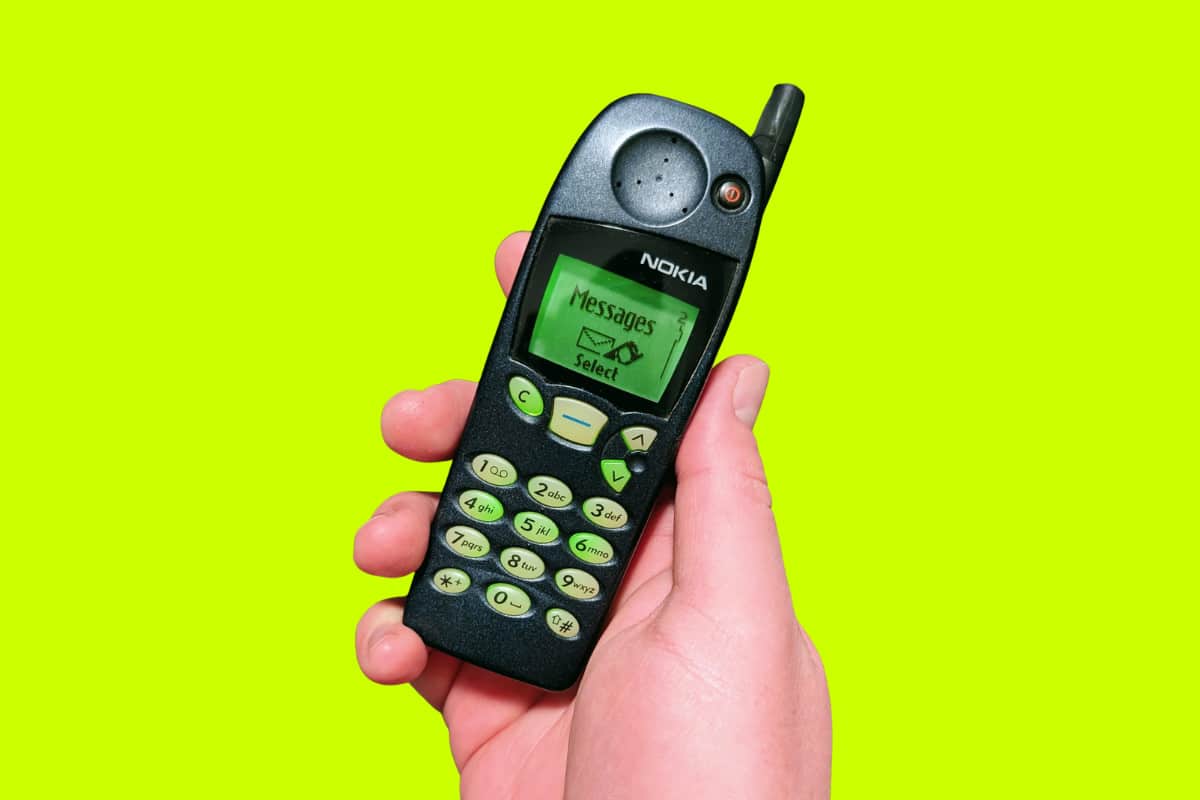
The Nokia 5110 arrived in 1998 with replaceable Xpress-on covers, a clear menu and Snake. The ability to change a phone’s colour gave owners a sense that the device was theirs.
It was my first phone. I was in year nine, and what I remember most is how quickly it went from novelty to something almost everybody seemed to have.
Nokia 3210 and 3310
The Nokia 3210 followed in 1999 and hid its antenna inside the case. It supported picture messages and T9 typing and was sold in bright colours. Nokia shifted about 160 million of them. Phones were no longer adult work devices. They were pay-as-you-go products for teenagers.
Released in 2000, the Nokia 3310 refined the formula with a tough body, long battery life, chat-style SMS and Snake II. Roughly 126 million were sold.
Its supposed indestructibility is now an internet joke, but the reputation came from somewhere. There was little glass, the plastic shell could pop off in a fall, and it did not have a huge touchscreen waiting to crack. Read our Nokia 3310 retrospective.
Nokia 1100: the best-selling phone ever
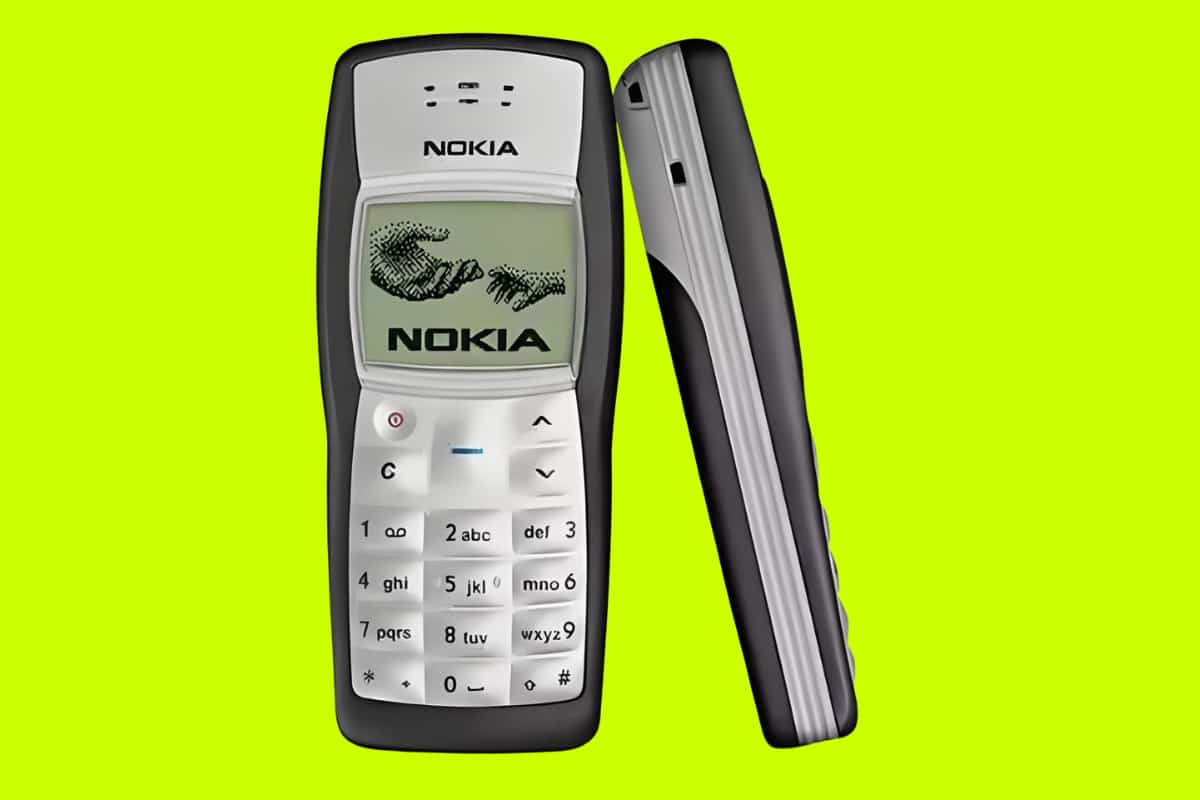
The Nokia 1100, released in 2003, was built for reliability and low cost in markets where electricity, dust and price mattered more than colour screens. It included a torch, dust-resistant keypad and non-slip sides.
More than 250 million were sold, making it the best-selling mobile-phone model ever. Nokia’s biggest market effect did not come from putting fancy hardware into rich buyers’ hands. It came from connecting hundreds of millions of people for the first time.
By the end of 2007, Nokia estimated it held about 40% of the global mobile-device market. Its scale drove down costs, spread GSM worldwide and turned the mobile into the era’s default personal technology.
But its range had become sprawling. Different phones ran different interfaces, operators demanded custom versions, and advanced models depended on Symbian. The machinery that helped Nokia serve every buyer would make rapid change painfully hard.
The BlackBerry Era: Email Escapes The Office (1999–2011)
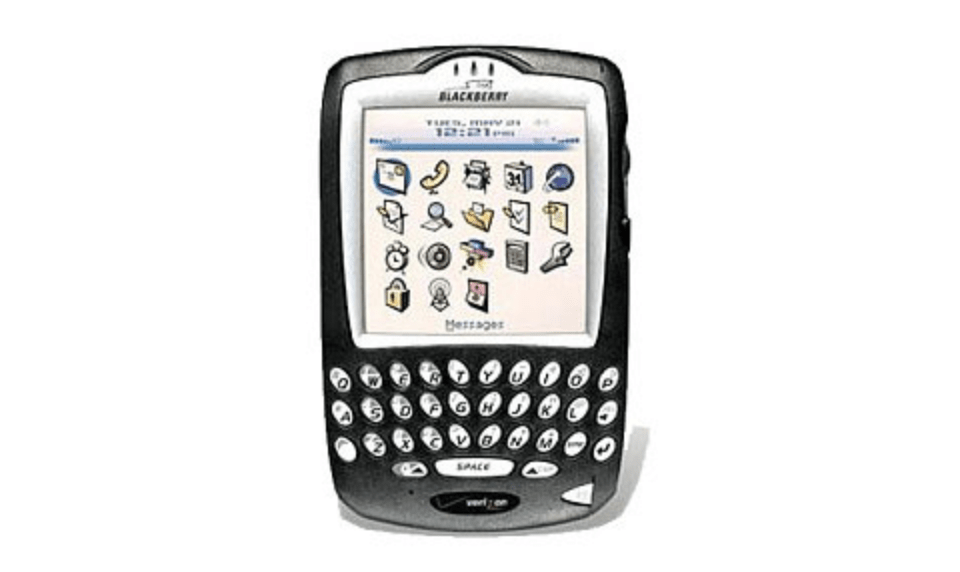
BlackBerry did not begin as a normal voice phone. The BlackBerry 850, released in 1999, was a two-way pager built around email. Its squat body, thumb keyboard and always-connected service created a new habit: checking work messages everywhere.
RIM, the Canadian company behind it, controlled much of the service end to end. Messages passed through BlackBerry infrastructure, could be compressed to save data and, for companies, managed through BlackBerry Enterprise Server. That gave employers central control, strong security and reliable push email.
The BlackBerrys that mattered
- BlackBerry 6210 (2003): combined email, web, SMS and calls.
- BlackBerry 7270 (2005): added Wi-Fi.
- BlackBerry Pearl 8100 (2006): the first BlackBerry with a camera and media player. Its smaller SureType keyboard pushed the brand to consumers. Read the history of the BlackBerry Pearl.
- BlackBerry Curve 8300 (2007): mixed a full keyboard with consumer features.
- BlackBerry Bold 9000 (2008): added a sharper screen, 3G, GPS, Wi-Fi and a premium design. It debuted in the US at about $299 on contract.
Then there was BBM. BlackBerry Messenger used a unique PIN and offered fast chat with delivery and read indicators. Long before WhatsApp became universal, BBM made mobile messaging private, immediate and addictive.
What killed BlackBerry?
BlackBerry did not disappear the moment Steve Jobs held up the iPhone. Its subscriber base passed 70 million in 2011. The problem was that the basis of competition had changed.
Physical keyboards, compressed email and enterprise servers mattered less once touch keyboards improved, data became faster and iOS and Android gained rich app stores. Developers wanted modern tools and large audiences. Consumers wanted big touchscreens, games, maps and social apps.
BlackBerry responded with the awkward Storm, then the much better BlackBerry 10 platform in 2013. By then, the app gap was too large. It later used Android, stopped designing phones and licensed the brand. A planned 5G BlackBerry from OnwardMobility was cancelled in 2022.
The handsets died, but the company did not. BlackBerry moved into security and embedded software. Our rise and fall of BlackBerry covers it in more detail.
The Symbian Era: Smartphones Before The App Store (2000–2012)
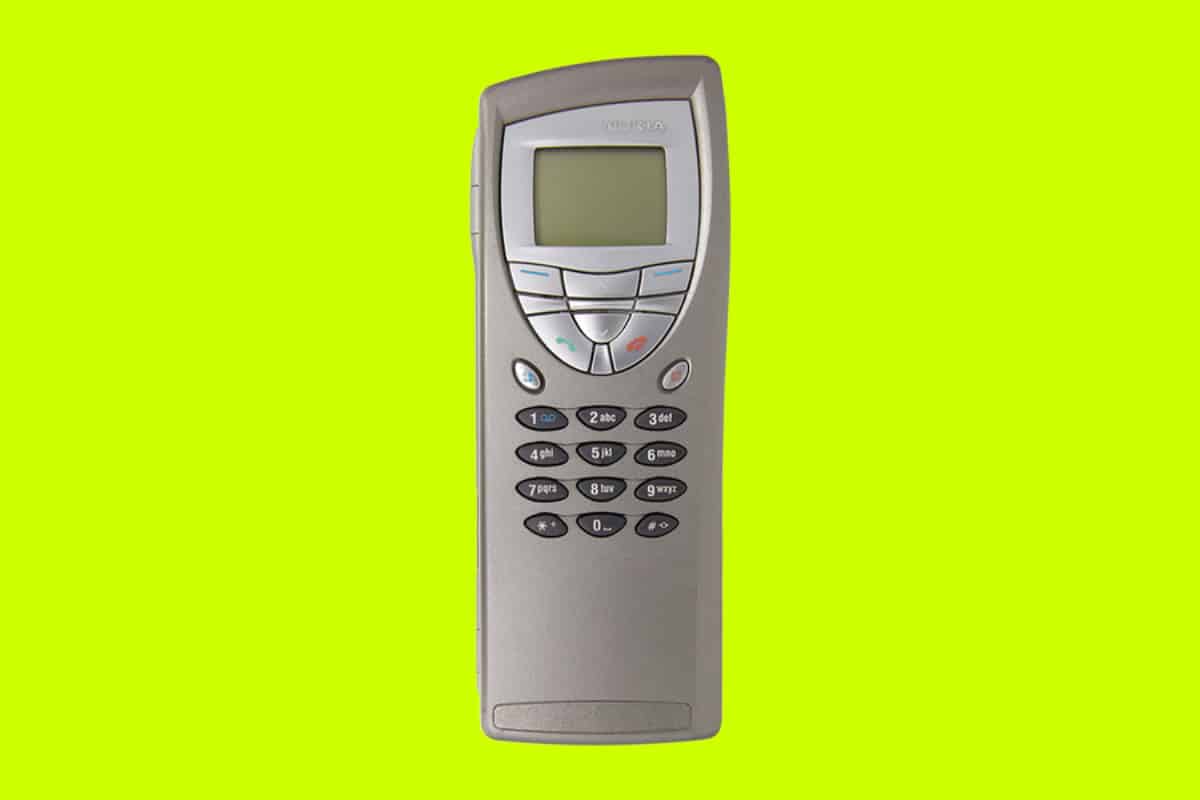
Symbian powered the smartphone market before iOS and Android took it over. It grew from Psion’s EPOC software and was backed by Nokia, Ericsson, Motorola and Psion. It was built for severe hardware limits, when memory was measured in megabytes and wasted power was fatal.
Important Symbian phones
- Ericsson R380 (2000): marketed as a smartphone and ran an early Symbian release, though owners could not install native third-party apps.
- Nokia 9210 Communicator (2000/2001): the first Nokia Communicator based on Symbian. It opened to show a colour screen and keyboard and cost about £700 to £900.
- Nokia 7650 (2002): Nokia’s first Series 60 phone and its first with a built-in camera.
- Nokia 6600 (2003): a popular Series 60 smartphone with Bluetooth, a VGA camera, expandable storage and apps.
- Nokia N-Gage (2003): built to challenge Nintendo’s Game Boy Advance. Changing game cards meant removing the battery, and calls required holding it sideways.
- Nokia N95 (2007): a dual-slider flagship with a 5MP Carl Zeiss camera, GPS, Wi-Fi, 3G, TV-out and expandable storage.
I owned an N95 at university and lost it at Glastonbury in 2008, which was an expensive way to learn that GPS cannot help when the phone itself is switched off in a field.
Why Symbian lost
Symbian was capable, but built for buttons, tiny screens and many hardware layouts. Development was awkward. Software signing caused friction. Interfaces differed across devices. Nokia’s touch version often felt like a keypad system stretched over a touchscreen.
The iPhone and Android offered a cleaner model: a modern touch interface, central app shop, easier discovery and a clear target for developers.
In February 2011, Nokia announced Windows Phone as its main smartphone platform. Symbian sales continued for a while, but the era was over. Nokia’s handset unit was later sold to Microsoft, and Lumia could not break the iPhone-Android duopoly.
The Fashion-Phone Era: When Design Sold The Upgrade (2004–2007)
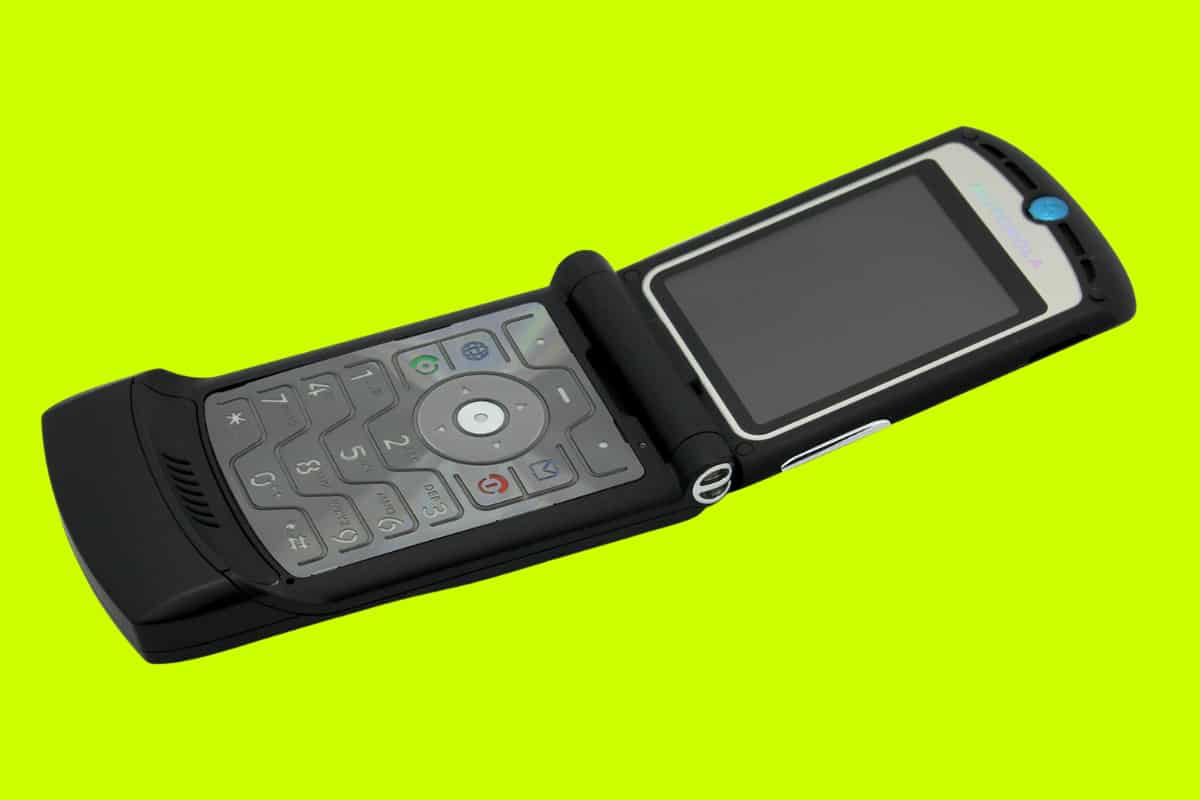
Not every important phone was trying to become a computer. For a few years, design was the main event.
The Motorola Razr V3 launched in 2004 at around $500 in the US before subsidies and price cuts made it widely accessible. It used an aluminium body, etched metal keypad and extremely thin clamshell profile.
Motorola sold more than 130 million. The Razr was not the smartest phone of its time, and its camera was mediocre even then. None of that mattered. It looked expensive, appeared in celebrity hands and became the phone people wanted to be seen using.
Our Motorola Razr V3 retrospective explains why it worked.
The Razr was joined by the LG Chocolate, Samsung D500, Sony Ericsson Walkman phones and Nokia 8800. There were sliders, swivels, clamshells, candy bars and some truly strange experiments.
That variety soon collapsed. Once the large touchscreen became dominant, nearly every phone became a rectangle.
The Camera And Music Phone Era
The first camera phones appeared in Japan around 1999 and 2000. Sharp’s J-SH04, launched on J-Phone in 2000, is commonly credited as the first mass-market phone with an integrated camera and a way to send images over the network.
At first, phone cameras were grainy novelties. Then they began eating entire product categories:
- The Nokia 7650 brought a built-in camera to Nokia in 2002.
- The Sony Ericsson K800i offered a 3.2MP Cyber-shot camera with autofocus and xenon flash in 2006.
- The Nokia N95 added a 5MP sensor and serious video in 2007.
- Later iPhones made shooting, editing and sharing one simple flow.
Music followed the same pattern. Sony Ericsson’s Walkman range and Nokia’s XpressMusic phones challenged the iPod with MP3 playback, storage and headphones. They did not kill it alone. The modern smartphone did that by absorbing the music player, compact camera, recorder, alarm clock, torch, calculator and sat-nav at once.
The iPhone Era: The Phone Becomes A Touchscreen Computer (2007–Present)
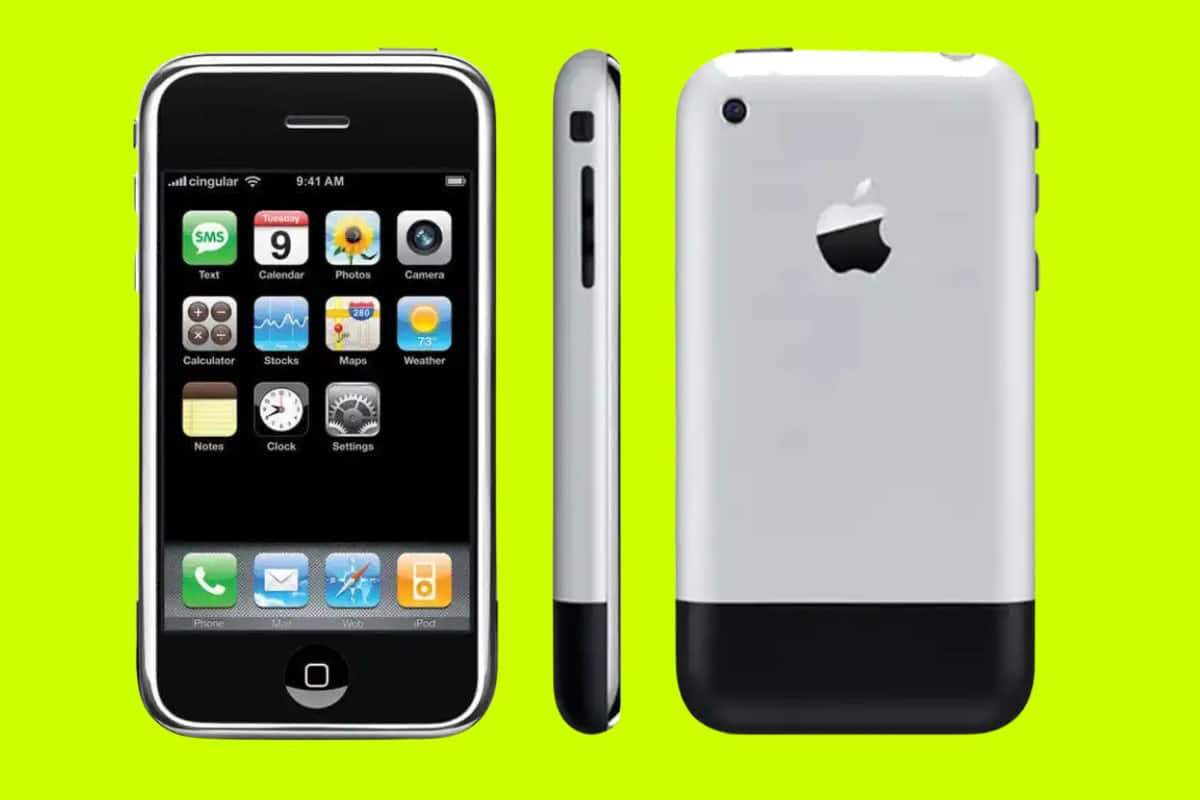
Apple did not invent the smartphone, touchscreen or app. It combined those ideas in a way ordinary people could immediately understand.
The original iPhone went on sale in the US on June 29, 2007. It cost $499 for 4GB or $599 for 8GB, both with a two-year Cingular/AT&T contract.
It had obvious weaknesses: slow 2G EDGE data, no physical keyboard, copy and paste, MMS, removable battery, 3G or proper third-party app store at launch.
But the 3.5-inch capacitive multi-touch screen, desktop-style Safari, visual voicemail and direct manipulation made rival interfaces feel old. Pinching a photo and scrolling with a finger looked natural. Tiny styluses and nested menus did not.
iPhone 3G and the App Store
The iPhone 3G arrived in 2008 with 3G, GPS and a much wider launch. Its headline US price was $199 for 8GB on contract.
The bigger event was the App Store, launched in July 2008. Developers got one place to sell software and users got one trusted place to find, buy and update it. A phone stopped being a fixed set of manufacturer features. It became a platform that could turn into almost anything.
Apple sold 6.9 million iPhone 3G units in its first quarter, more than the original iPhone sold in its first five quarters.
The iPhones that moved the market
- iPhone 4 (2010): Retina display, glass-and-steel design, front camera and FaceTime.
- iPhone 5s (2013): Touch ID and the first 64-bit phone processor. Read why the “s” iPhones mattered.
- iPhone 6/6 Plus (2014): Apple accepted that buyers wanted larger screens.
- iPhone X (2017): removed the Home button and introduced Face ID.
- iPhone 12 (2020): added 5G and MagSafe.
- iPhone 15 (2023): replaced Lightning with USB-C.
- iPhone 17 generation (2025): pushed Apple Intelligence, higher base storage and the thin iPhone Air.
See every iPhone released in order for the full sequence.
The Android Era: One System, Hundreds Of Phone Makers (2008–Present)
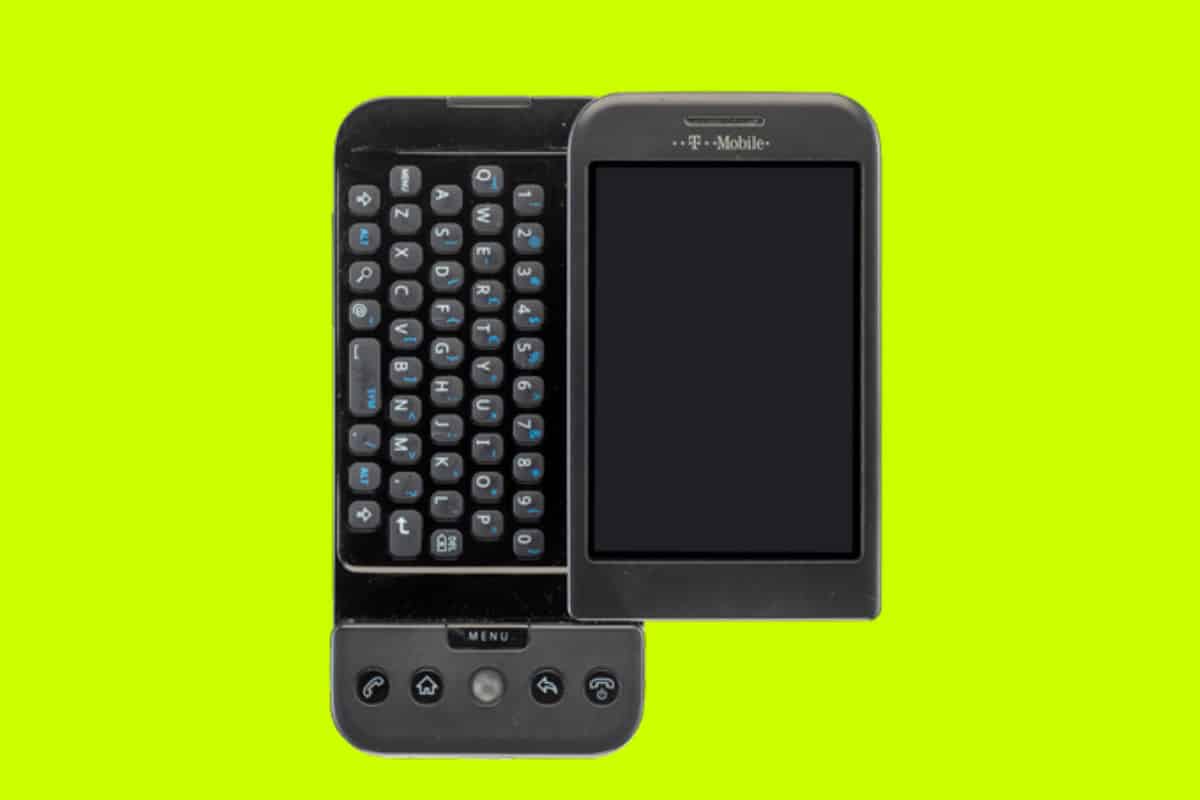
If the iPhone defined the modern smartphone, Android took that model to almost every price and hardware category.
Google bought Android Inc. in 2005 and formed the Open Handset Alliance in 2007. The first commercial Android phone, the HTC Dream, sold as the T-Mobile G1 in the US, arrived in October 2008 for $179 on a two-year contract.
It had a touchscreen, slide-out keyboard, trackball, Gmail, Maps, a notification shade and Android Market. It was less polished than the iPhone, but showed the pull of an open, customisable platform tied to Google’s services.
Samsung turns Android into a global force
HTC made many of the first good Android phones, and Motorola’s Droid gave the platform a big US push. Samsung turned it into a mass-market empire.
The first Samsung Galaxy S arrived in 2010 with a 4-inch Super AMOLED screen, 5MP camera and 9.9mm body. By early 2013, combined Galaxy S sales had passed 100 million.
Samsung also pushed screen size. The 5.3-inch Galaxy Note looked comically large in 2011. It sold well enough to prove buyers wanted bigger displays, and “phablet” proportions soon became normal.
Android offered cheap phones for new internet users, flagships to fight the iPhone and freedom for makers to try styluses, keyboards, gaming controls and unusual cameras. Its downside was inconsistency: updates depended on brands and operators, cheap phones could be slow and duplicated software became common.
The App Era: Phones Eat Everything Else (2010–2018)
By the early 2010s, the fight was no longer just about handsets. Apple and Google were building ecosystems.
Your purchases, photos, messages, passwords, accessories and cloud data made switching harder. Phones also became controls for watches, speakers, cars, televisions and smart homes.
The shift was brutal for old leaders:
- Nokia moved from Symbian to Windows Phone, then sold its handset business to Microsoft.
- BlackBerry failed to build a competitive app platform quickly enough.
- Palm’s webOS, despite clever card multitasking, could not gain scale.
- Windows Phone had good Nokia hardware but never solved its app shortage.
- HTC went from making the first Android phone to becoming a minor player.
- LG closed its phone business in 2021.
Huawei nearly challenged Samsung at the global top. US trade restrictions cut new Huawei phones off from Google Mobile Services and advanced chip supplies, badly hurting the business outside China.
During this period phones gained OLED screens, multiple cameras, fingerprint readers, face recognition, water resistance, fast charging and desktop-class processors. The phone became the main camera, map, bank card, games machine, ticket wallet and route to the internet.
The 5G And Foldable Era (2019–Present)
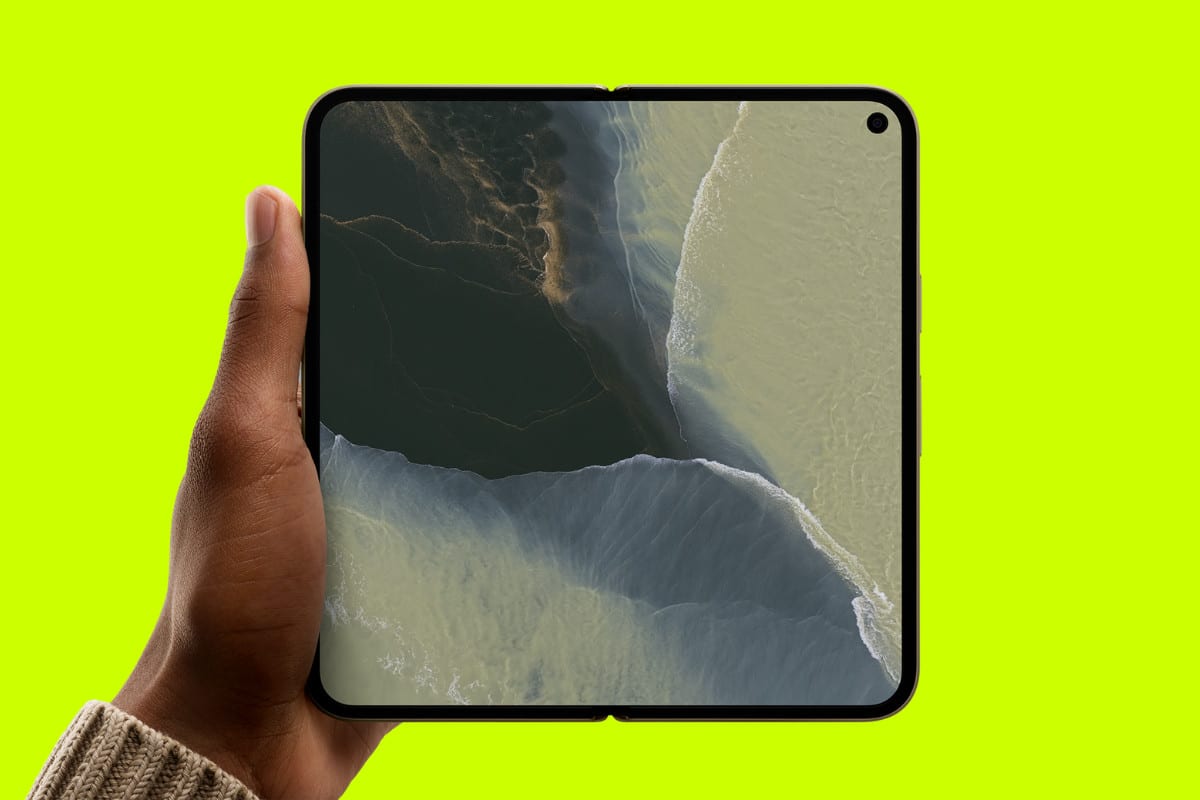
By 2019, the smartphone formula was mature. A £300 phone and £1,000 phone differed in speed, cameras, materials and support, but both handled the same daily jobs. Manufacturers needed new reasons to make upgrades exciting.
The phones for the most part ditched things like replaceable batteries and expandable storage, making them essentially single-use products.
Brands like Fairphone have started bucking this trend; its latest Fairphone phone lets you replace everything from the battery to the USB port and screen.
5G: faster, but not another iPhone moment
5G promised higher speeds, lower latency and room for more connected devices. Early phones were expensive, power-hungry and useful only in patchy coverage. The radios eventually moved into ordinary mid-range models.
5G matters, especially for network capacity and large downloads, but it did not remake the interface as 3G plus app stores did. Our network generations guide shows why.
Folding screens bring shapes back
Samsung announced the original Galaxy Fold in 2019 at $1,980. Its 7.3-inch inner display folded like a book. Review units suffered screen failures, forcing Samsung to delay launch and rework the hinge and protective layer.
It was a rough start, but foldables survived. Samsung’s Z Fold and Z Flip lines became thinner and tougher, while Google, Motorola, Honor, Oppo and others joined in. Flip foldables brought back the pocketable clamshell; book models tried to combine phone and tablet.
Prices remain high. The Galaxy Z Fold7 started at $1,999.99 in the US in 2025. Foldables remain a minority of sales. Their effect is real, but this is a premium branch of the market, not the default shape.
The AI Phone Era: Software Becomes The Sales Pitch (2023–Present)
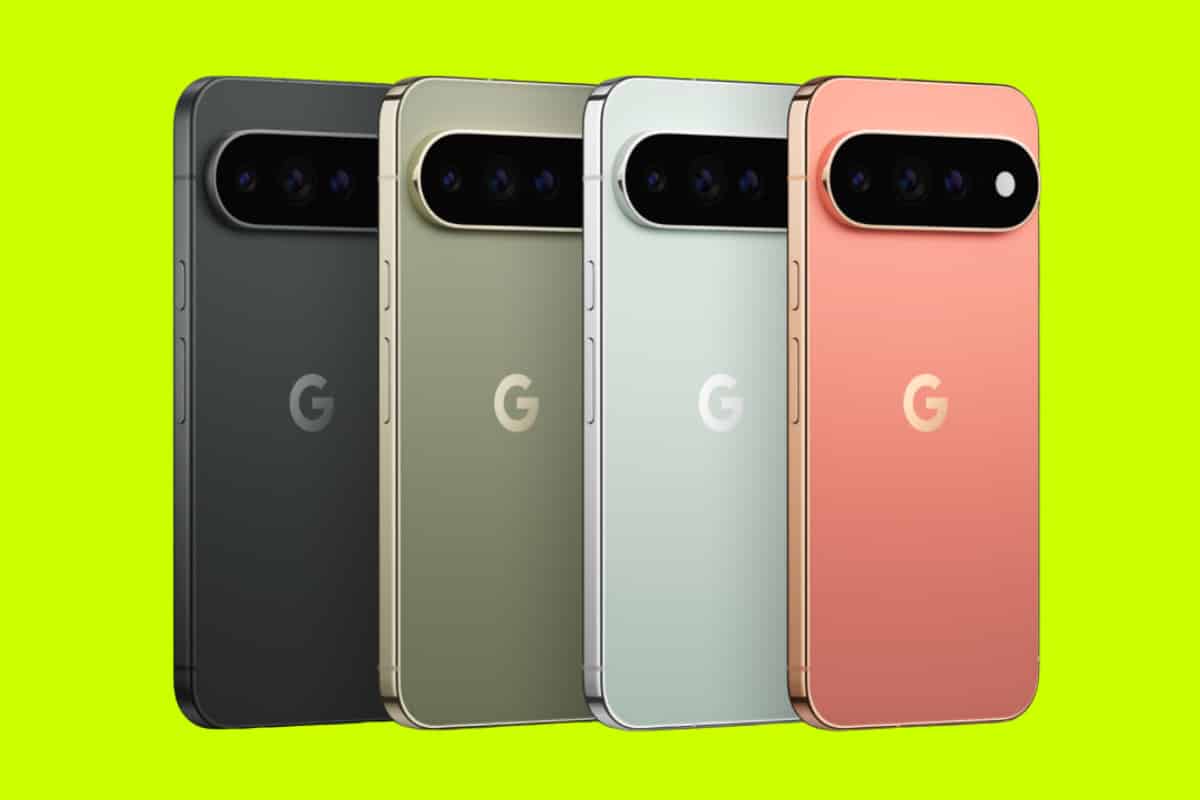
Machine learning has worked inside phones for years. Portrait blur, voice recognition, predictive typing, image processing and battery management all depend on it.
What changed in the mid-2020s was generative AI becoming visible. Manufacturers stopped hiding it in the background and began selling the phone as an assistant.
Modern examples include:
- Summarising calls, messages and recordings
- Removing or moving objects in photos
- Live translation
- Searching across apps and on-screen content
- Writing and rewriting text
- Answering questions using personal context
- Carrying out multi-step actions inside apps
Google’s Pixel 11 series, announced in August 2026, starts at $899 in the US and runs Gemini features on Tensor G6. The Pro models add a face-down notification light called HiLight. Apple is building Apple Intelligence across iPhone, while Samsung groups its tools under Galaxy AI.
There are limits. AI can be wrong, need cloud processing, vary by region or language and skip cheaper or older devices. Privacy becomes a bigger question when an assistant needs access to messages, photos and calendars.
Still, this is where the current industry is placing its bets.
What Happened To Phone Prices?
Price comparisons are tricky. Early phones were often full price; later US prices were hidden by contracts. Modern phones use trade-ins and 24- or 36-month instalments. Inflation makes the sticker prices harder to compare.
| Phone | Year | Launch Price | What It Tells Us |
|---|---|---|---|
| Motorola DynaTAC 8000X | 1983 | $3,995 | Mobile calling was a luxury business service |
| Motorola MicroTAC | 1989 | Roughly $2,500–$3,000 | Smaller hardware carried a huge premium |
| IBM Simon | 1994 | $899 contract / $1,099 outright | Early smart functions were costly and compromised |
| Motorola StarTAC | 1996 | Roughly $1,000 | Compact clamshell design became aspirational |
| Nokia 9000 Communicator | 1996 | Around £1,000 | Mobile email and web targeted business buyers |
| Motorola Razr V3 | 2004 | Around $500 | Design could command a flagship price |
| Original iPhone | 2007 | $499 / $599 with contract | Touch launched as a premium product |
| iPhone 3G | 2008 | $199 / $299 with contract | Subsidies hid more cost and drove adoption |
| Samsung Galaxy Fold | 2019 | $1,980 | Folding screens created an ultra-premium tier |
| Pixel 11 | 2026 | From $899 | A normal modern flagship sits near four figures |
The DynaTAC remains dearer after inflation than nearly any mainstream phone today. What changed is the size of the premium market. Pro, Ultra and Fold models routinely pass $1,000, while instalments make the total less obvious.
At the other end, a cheap Android can do things a £1,000 Communicator owner in 1996 could barely imagine.
The Ten Most Important Phones Ever Made
You could argue about this list all day, which is half the fun. These are the ten I would keep:
- Motorola DynaTAC 8000X: made handheld cellular calling commercial.
- Motorola StarTAC: proved a phone could be pocketable and stylish.
- Nokia 1011: helped take GSM hardware into mass production.
- IBM Simon: combined a phone and touchscreen organiser early.
- Nokia 3210: turned the mobile into a mass youth product.
- Nokia 1100: connected an enormous audience through a cheap, durable design.
- BlackBerry 6210: put secure push email and voice in one work device.
- Nokia N95: showed how capable a pre-iPhone smartphone could be.
- Original iPhone: reset interface, browser and hardware around touch.
- T-Mobile G1: began the Android market that brought modern smartphones to almost every price.
The Samsung Galaxy S deserves an honourable mention for turning Android into a direct global iPhone rival, as does the Galaxy Fold for keeping folding screens alive after a very public false start.
What Was The Most Important Phone Ever?
The obvious answer is the original iPhone, and I think it is right.
It was not first at most individual features. IBM Simon had a touchscreen. BlackBerry did email. Symbian phones ran apps. Nokia offered cameras, GPS, 3G and web access. Palm understood mobile organisers.
Apple put the right ideas together, removed the parts that made smartphones feel like work equipment and gave developers a platform ordinary buyers wanted. After 2007, every manufacturer had to react.
But there is a second answer: the Nokia 1100. The iPhone defined what the modern smartphone became. The 1100 showed what mass mobile access could do globally.
One changed the product. The other changed who could own one.
Where The Phone Market Stands Now
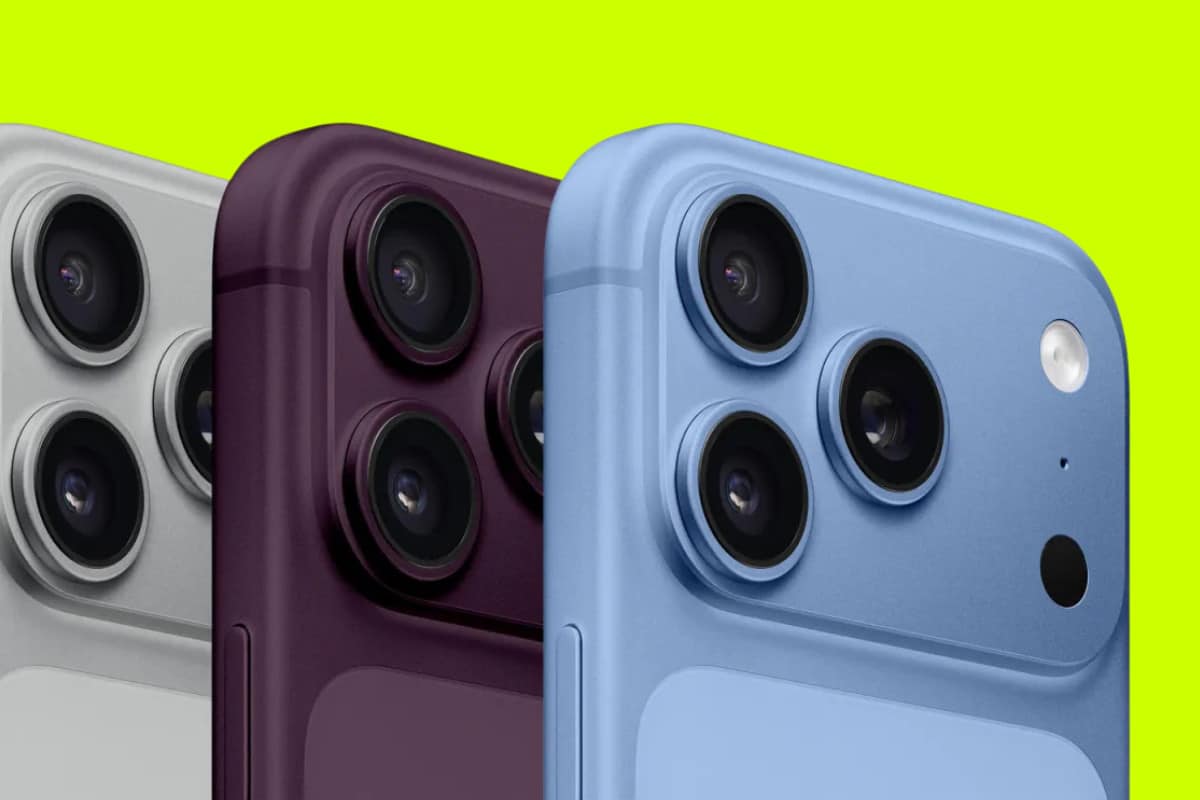
In 2025, Apple led global smartphone shipments with about 20%, followed by Samsung at 19%, according to Counterpoint Research. Xiaomi held third place at 13%. In Q1 2026, IDC recorded 293.8 million smartphone shipments, down 2.9% year on year.
That is very different from Nokia’s 40% peak. No maker now controls both an operating system and such a huge portion of hardware sales.
Phones are also lasting longer. Yearly upgrades make less sense when chips are fast, cameras are good and software support can run for years. That is why the refurbished market matters. A previous-generation flagship can offer almost the same daily experience for much less.
Start with our best refurbished phones guide, browse the refurbished iPhone hub, compare phone collections, or use the 10-second phone finder.
Frequently Asked Questions
When was the first mobile phone invented?
Motorola demonstrated a handheld cellular prototype on April 3, 1973, when Martin Cooper made a public call in New York. Commercial handheld service followed with the DynaTAC 8000X in 1983.
What was the first mobile phone sold to the public?
The Motorola DynaTAC 8000X is generally treated as the first commercial handheld cellular phone. It launched in the US in 1983 for $3,995.
What was the first smartphone?
The IBM Simon Personal Communicator is widely called the first smartphone. It went on sale in 1994 and combined calls with a touchscreen, email, calendar, notes and fax.
What was the first touchscreen phone?
Touch input existed before IBM Simon, but Simon was the first commercial phone to combine cellular calling with a touchscreen organiser. The iPhone later made capacitive multi-touch the mass-market standard.
What was the first Android phone?
The HTC Dream, sold in the US as the T-Mobile G1, was the first commercial Android phone. It went on sale in October 2008 for $179 with a two-year contract.
What was the first iPhone?
Apple announced its first iPhone on January 9, 2007, and released it in the US on June 29. The 4GB model cost $499 and the 8GB model $599 with a two-year contract.
What is the best-selling mobile phone ever?
The Nokia 1100 is generally listed as the best-selling individual mobile-phone model, with more than 250 million units sold. Rankings vary when related variants are combined.
When did text messaging start?
The first SMS was sent on December 3, 1992, from a computer to a handset on Vodafone’s UK network. It read “Merry Christmas”. Two-way phone-to-phone texting followed.
Why did Nokia lose the phone market?
Nokia was slow to replace ageing Symbian software with a touch-first platform that developers and buyers preferred. Its move to Windows Phone came after iOS and Android had built strong app ecosystems.
Why did BlackBerry fail?
BlackBerry remained focused on keyboards, secure messaging and enterprise email while demand moved to large touchscreens and apps. Its newer platform arrived too late to close the gap.
Are old phones still usable?
Some are, but network shutdowns are the main obstacle. Many countries have retired or are retiring 2G and 3G, so an old handset may no longer connect. Ageing batteries, SIM formats and missing security updates create further problems.
Research Notes And Primary Sources
- Apple’s original iPhone announcement and pricing
- Apple’s iPhone 3G and App Store announcement
- Nokia Q4 2007 results, including its estimated 40% device share
- Samsung’s history of the first Galaxy S
- Samsung’s original Galaxy Fold pricing
- Google’s Pixel 11 launch pricing
- IDC’s current smartphone shipment tracker
Buying tools
Thinking About Buying an iPhone?
Compare current refurbished prices, see how it stacks up against alternatives, and avoid overpaying for the wrong model.
Recommended for this article


