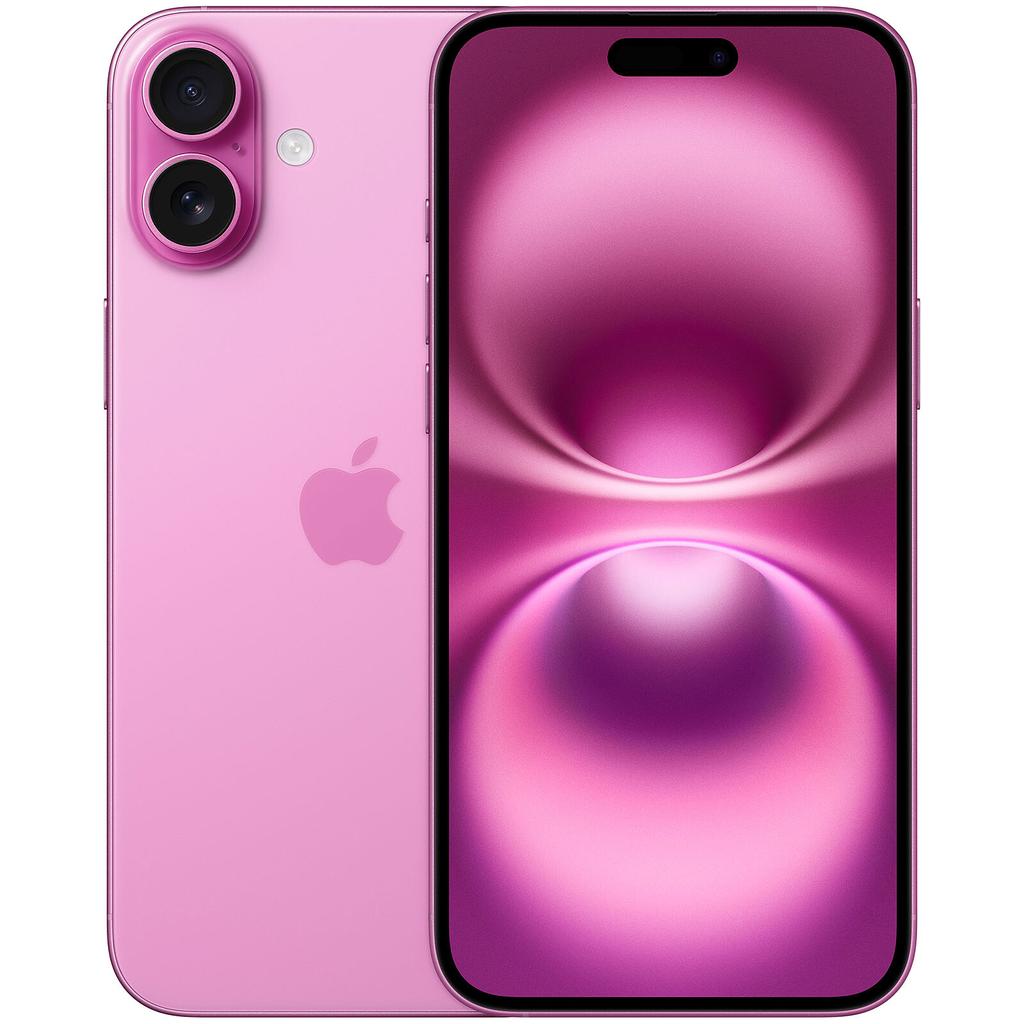
What Is an OLED Display?
OLED stands for Organic Light-Emitting Diode. Unlike traditional LCD panels, OLED displays allow each pixel to produce its own light, meaning individual pixels can switch off completely when displaying black.
Why Does OLED Matter?
OLED technology delivers deeper blacks, stronger contrast, richer colours, and improved HDR performance. Because black pixels are turned off entirely, content appears more vibrant and immersive.
OLED displays are also thinner and more power-efficient than older LCD technology, helping improve battery life during everyday use.
Which iPhones Have OLED Screens?
Apple introduced OLED technology with the iPhone X before expanding it across its lineup. Most modern iPhones, including the iPhone 12 series and newer, feature OLED displays.
Are There Any Downsides?
OLED screens can experience image retention or burn-in over very long periods, but this is uncommon during normal use. Apple's display technology includes several protections designed to minimise the risk.
Display quality is one of the easiest differences to notice on a refurbished iPhone, and OLED is usually worth prioritising over older LCD models if the price gap is small.
Better contrast, deeper blacks, stronger HDR, more premium image quality, and a more modern display experience.