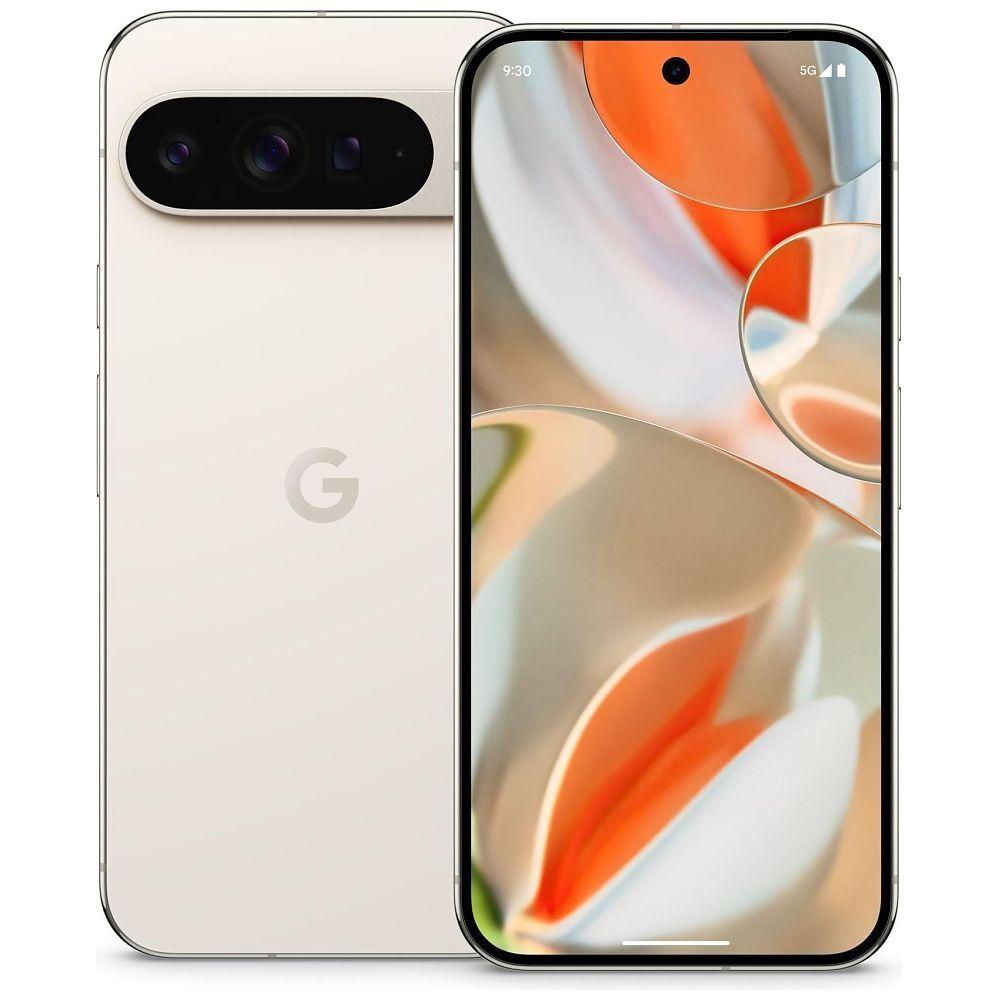
Google Pixel 11: Everything Announced On 12 August 2026
The Pixel 11 series is official. All four models go on sale on 20 August. Here’s everything Google confirmed at the announcement — prices, specs, cameras, software and more.
All four phones go on sale on 20 August. Every model starts with 256GB of storage. There is no 128GB Pixel 11.
All four phones use Google’s new Tensor G6 processor. Google says it is 20% more power-efficient than Tensor G5.
The standard Pixel 11 has a 48MP main, 13MP ultrawide and 10.8MP 5x telephoto. The Pro phones zoom up to 120x and capture Night Sight photographs much faster.
Google claims more than 30 hours of battery life across the range. All four phones support Qi2.2 magnetic wireless charging at up to 25W.
HiLight adds a coloured notification LED to the Pixel 11 Pro, Pro XL and Pro Fold. The standard Pixel 11 does not get it.
Magic Capture, Camera Looks, Creator Suite and Pro Stable Video are all new. The Pro Stable Video feature is aimed squarely at content creators.
Google will provide seven years of Android, security and Pixel Drop updates across the entire Pixel 11 range.
Latest Pixel 11 Series News & Updates
Latest Pixel 11 news, features, comparisons, buying advice and deals.
Loading the latest Pixel 11 stories…
The Google Pixel 11 series is now official, and it comes with a price increase. But that was to be expected: all new phones in 2026 and beyond will cost more, thanks to the current, global memory shortage.
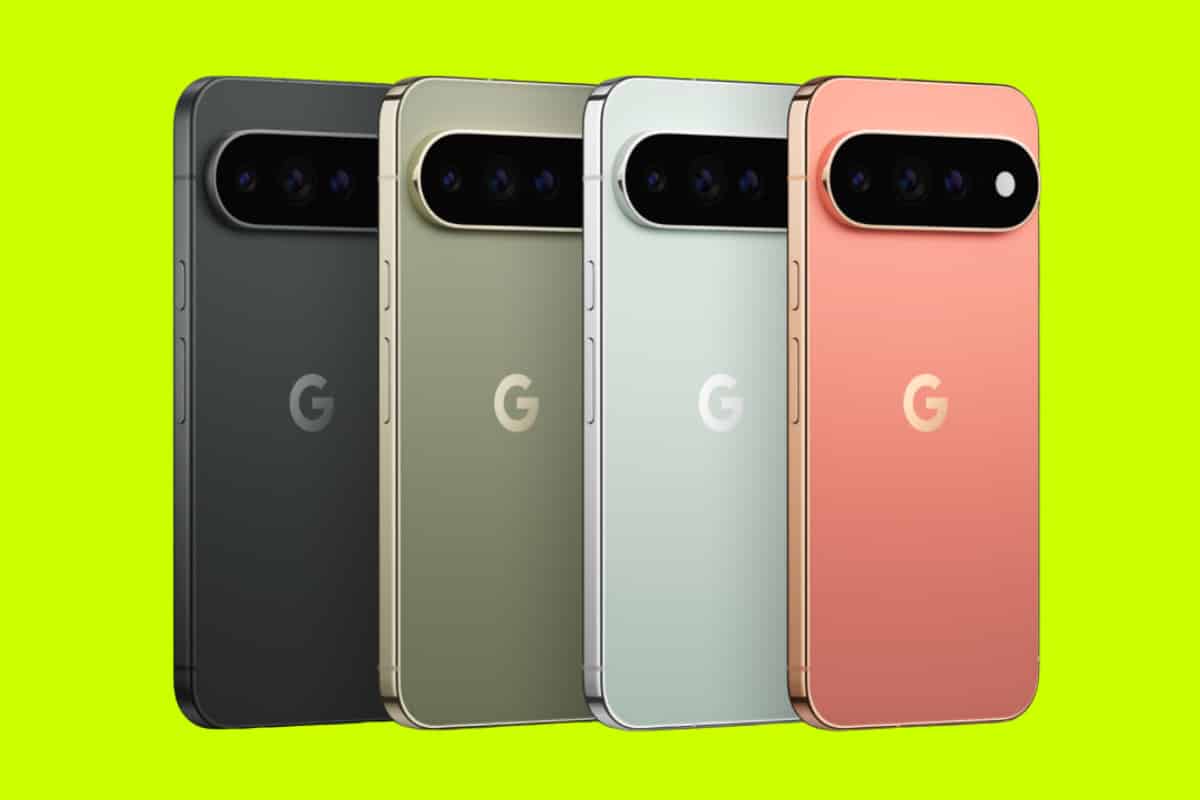
Google announced four new phones at its Made by Google event on 12 August 2026:
- Google Pixel 11
- Google Pixel 11 Pro
- Google Pixel 11 Pro XL
- Google Pixel 11 Pro Fold
Prices start at $899 for the Pixel 11, with every model now including at least 256GB of storage. Pre-orders are open, and all four phones go on sale on 20 August 2026.
The design has not changed dramatically, but Google has fitted its new Tensor G6 processor, upgraded the cameras, increased wireless charging speeds and introduced several new photography and video tools.
The standard Pixel 11 also keeps its 5x telephoto camera. Pre-launch reports suggested Google had removed it, but those reports were wrong.
Here is everything you need to know about the Pixel 11 series.
Google Pixel 11 Release Date
Google announced the Pixel 11 series on 12 August 2026.
Pre-orders opened immediately, and every model will be released on 20 August.
| Event | Date |
|---|---|
| Pixel 11 announcement | 12 August 2026 |
| Pre-orders opened | 12 August 2026 |
| Pixel 11 release date | 20 August 2026 |
| Pixel 11 Pro release date | 20 August 2026 |
| Pixel 11 Pro XL release date | 20 August 2026 |
| Pixel 11 Pro Fold release date | 20 August 2026 |
Google previously staggered the release of some Pro and Fold models. That is not happening this year. All four Pixel 11 phones arrive on the same date.
How Much Does The Pixel 11 Cost?
US prices start at:
| Model | Starting price | Base storage |
|---|---|---|
| Pixel 11 | $899 | 256GB |
| Pixel 11 Pro | $1,099 | 256GB |
| Pixel 11 Pro XL | $1,299 | 256GB |
| Pixel 11 Pro Fold | $1,899 | 256GB |
Every model costs $100 more than its Pixel 10 equivalent at launch.
Google has softened the increase by removing the 128GB storage tier. You now get 256GB as standard across the entire range.
The full US pricing is:
| Storage | Pixel 11 | Pixel 11 Pro | Pixel 11 Pro XL | Pixel 11 Pro Fold |
|---|---|---|---|---|
| 256GB | $899 | $1,099 | $1,299 | $1,899 |
| 512GB | $1,019 | $1,219 | $1,419 | $2,019 |
| 1TB | Not available | $1,449 | $1,649 | $2,249 |
The standard Pixel 11 is available with 256GB or 512GB. The three Pro models add a 1TB option.
The Pixel 11 is no longer an $799 phone, then. You receive twice the base storage, but Google has removed the cheapest route into its flagship range.
Pixel 11 Models Specs Compared
| Feature | Pixel 11 | Pixel 11 Pro | Pixel 11 Pro XL | Pixel 11 Pro Fold |
|---|---|---|---|---|
| Main display | 6.3″ OLED | 6.3″ LTPO OLED | 6.8″ LTPO OLED | 8″ LTPO OLED |
| Outer display | N/A | N/A | N/A | 6.5″ LTPO OLED |
| Refresh rate | 60–120Hz | 1–120Hz | 1–120Hz | 1–120Hz |
| Peak brightness | 3,000 nits | 3,600 nits | 3,600 nits | 3,600 nits |
| Processor | Tensor G6 | Tensor G6 | Tensor G6 | Tensor G6 |
| RAM | 12GB | 12GB or 16GB | 12GB or 16GB | 16GB |
| Base storage | 256GB | 256GB | 256GB | 256GB |
| Main camera | 48MP | 50MP | 50MP | 48MP |
| Ultrawide | 13MP | 48MP | 48MP | 10.5MP |
| Telephoto | 10.8MP, 5x | 48MP, 5x | 48MP, 5x | 10.8MP, 5x |
| Max photo zoom | 30x | 120x | 120x | 30x |
| Front camera | 10.5MP | 42MP | 42MP | Two 10MP cameras |
| Wireless charging | Qi2.2, 25W | Qi2.2, 25W | Qi2.2, 25W | Qi2.2, 25W |
| Colours | Frost, Pistachio, Hibiscus, Obsidian | Canyon, Fog, Olive, Obsidian | Canyon, Fog, Olive, Obsidian | Olive, Obsidian |
| Starting US price | $899 | $1,099 | $1,299 | $1,899 |
What Is New On The Pixel 11?
The Pixel 11 is an iterative update rather than a full redesign.
The main changes include:
- Google Tensor G6
- 256GB of base storage
- A thinner, all-glass camera bar
- A larger main-camera sensor
- 30x maximum zoom on the Pixel 11
- 120x maximum zoom on the Pro phones
- Faster Night Sight on the Pro models
- Qi2.2 wireless charging at up to 25W
- More than 30 hours of claimed battery life
- HiLight on the Pro phones
- Magic Capture
- Camera Looks
- Creator Suite
- Pro Stable Video
- Live translation for videos, podcasts and voice messages
The basic Pixel formula remains intact. You get a smaller standard model, two conventional Pro phones and an expensive folding model.
Tensor G6
All four Pixel 11 phones run on Google’s new Tensor G6 processor.
According to Google, Tensor G6 provides:
- 20% better power efficiency
- 25% faster web browsing
- 15% faster app loading
- A 50% more powerful Tensor Processing Unit
- A new image signal processor
These figures come from Google’s own testing, so they should not be treated as independent benchmark results.
Tensor G6 appears to be designed around efficiency, photography and AI rather than beating the latest Apple and Qualcomm processors in raw performance.
The new image processor is particularly important. It powers the Pixel 11’s longer zoom range, faster low-light photography and several new camera functions.
We will need independent testing to see how Tensor G6 handles:
- Sustained gaming
- Heat
- Video recording
- Mobile-data use
- Battery drain
- Signal strength
- Everyday app performance
Those areas have caused problems for some previous Tensor-powered Pixels.
Pixel 11 Display
The standard Pixel 11 has a 6.3-inch OLED display with a 2424 × 1080 resolution.
It supports a refresh rate between 60Hz and 120Hz and reaches up to 3,000 nits of peak brightness.
The screen is protected by Gorilla Glass Victus 2, as is the glass on the rear of the phone.
It is not an LTPO panel. That means it cannot reduce its refresh rate as far as the screens used on the Pro models.
The Pixel 11 Pro also has a 6.3-inch display, but its LTPO panel can move between 1Hz and 120Hz. It is sharper and reaches up to 3,600 nits.
The Pixel 11 Pro XL increases the screen size to 6.8 inches while retaining the same 1Hz to 120Hz range and 3,600-nit peak brightness.
Google claims the Pro display is the brightest it has ever used on a smartphone.
Pixel 11 Cameras
The standard Pixel 11 has three rear cameras:
- 48MP main camera
- 13MP ultrawide camera
- 10.8MP periscope telephoto camera
- 5x optical zoom
- Up to 30x digital zoom
This is important because several pre-launch reports claimed Google had removed the telephoto camera. It has not.
The 48MP main camera uses a new 1/1.56-inch sensor. Google says it captures 56% more light than the previous sensor, which should help with indoor and low-light photography.
The 5x telephoto camera can now reach 30x using Google’s computational zoom system. Tensor G6’s new image processor is used to reduce noise and rebuild detail at longer digital zoom levels.
The front camera is a 10.5MP sensor with a 95-degree field of view.
This makes the standard Pixel 11 one of the few smaller, non-Pro phones to include a proper periscope telephoto camera.
Pixel 11 Pro Cameras
The Pixel 11 Pro and Pixel 11 Pro XL share the same camera system:
- 50MP main camera
- 48MP ultrawide camera
- 48MP 5x periscope telephoto camera
- 42MP front camera
- Up to 120x digital zoom
Google has changed both the main and telephoto sensors.
The new 48MP telephoto uses a larger 1/1.95-inch sensor. Google claims it has 30% better light sensitivity than the previous version.
The Pro models can now reach 120x zoom. That is far beyond the optical range of the lens, so image quality will depend heavily on Google’s processing.
Night Sight is also faster. Google says low-light capture can be up to 4.5 times quicker, although around three times faster will apparently be more typical.
That should mean less time asking people to stand completely still while the phone captures a night photograph.
Pixel 11 Pro Fold Cameras
The Pixel 11 Pro Fold has:
- 48MP main camera
- 10.5MP ultrawide camera
- 10.8MP 5x telephoto camera
- Up to 30x digital zoom
- 10MP outer front camera
- 10MP inner front camera
It now uses the same main camera as the standard Pixel 11. Google claims this sensor captures up to 56% more light than the camera used in the previous Fold.
The Fold still does not receive the full Pixel 11 Pro camera system. Its selling point is the folding display, not matching Google’s best conventional phone for photography.
Magic Capture
Magic Capture changes how the camera deals with fast or unpredictable moments.
Instead of relying on one photograph taken at exactly the right time, the phone records a longer sequence containing both images and video. It then pulls material from that sequence to create the finished result.
The idea is to make it easier to capture children, pets, sports and other subjects that do not stay still long enough for a carefully timed photograph.
It sounds useful, although the quality of the final image will depend on how heavily Google processes the source material.
Camera Looks
Camera Looks lets Pixel 11 owners change the visual treatment applied to their photographs.
Rather than adding a filter after taking the picture, a Look changes how the camera processes colour, tone and contrast while capturing it.
It is Google’s answer to photographic styles found on competing phones. It should be useful for people who want a more consistent look without editing every image manually.
Creator Suite
Creator Suite is built into the Pixel 11 camera app and is aimed at people recording social video, tutorials and direct-to-camera content.
It includes:
- A built-in teleprompter
- Vocal enhancement
- External microphone level controls
- Social-media framing guides
- Tools for organising and publishing content
The teleprompter could be particularly useful for recording scripted videos without placing another phone or laptop behind the camera.
Creator Suite is not just a Pro feature. Google is making it part of the wider Pixel 11 camera experience.
Pro Stable Video
The Pixel 11 Pro and Pro XL add Pro Stable Video.
It can produce stabilised footage at up to 8K resolution and is intended to smooth out movement while recording handheld video.
The processing uses Google’s Video Boost system, which means some of the work happens in the cloud rather than entirely on the phone.
That matters for anyone who wants an immediate finished video or regularly records without a reliable internet connection.
Pixel 11 Battery Life
Google claims more than 30 hours of battery life across the Pixel 11 range.
Tensor G6 is said to be 20% more power-efficient than Tensor G5, so much of the improvement appears to come from the processor rather than a dramatic increase in physical battery size.
As always, Google’s figure is based on its own mixed-use testing. Battery life can change considerably depending on:
- Mobile signal strength
- Screen brightness
- Camera use
- Gaming
- 5G use
- Navigation
- Gemini processing
- Always-on display settings
Independent tests will show whether the standard Pixel 11 can reliably last a full day under heavier use.
Pixel 11 Charging
All four Pixel 11 phones support Qi2.2 wireless charging at up to 25W.
That is up from the 15W maximum supported by most of the Pixel 10 range.
Qi2 uses built-in magnets to line the phone up correctly with a wireless charger. It also supports Google’s Pixelsnap accessories and compatible third-party products.
Accessories can include:
- Wireless chargers
- Charging stands
- Car mounts
- Magnetic wallets
- Grips
- Portable battery packs
Using a Qi2.2-certified charger will matter if you want the full 25W speed. An older Qi charger may work but charge the phone more slowly.
A charging adapter is not included in the box.
Pixel 11 Design
Google has retained the rounded shape and horizontal camera bar used by recent Pixels.
The main physical change is the camera housing.
It now uses one continuous piece of glass instead of mixing metal and glass. Google has also made the Pixel 11 camera bar more than 40% thinner.
With Google’s official case fitted, the camera bar sits flush with the back of the case.
The Pixel 11 uses recycled aluminium, with Gorilla Glass Victus 2 on the front and rear.
The Pro phones receive a new anti-scratch screen coating that Google says provides more than twice the scratch resistance of the Pixel 10 Pro display.
Pixel 11 Colours
The standard Pixel 11 is available in:
- Frost
- Pistachio
- Hibiscus
- Obsidian
Hibiscus is the bright pink or magenta option. Pistachio is green, Frost is the light finish and Obsidian is black.
The Pixel 11 Pro and Pro XL are available in:
- Canyon
- Fog
- Olive
- Obsidian
Canyon is the bold orange finish. The Obsidian version has matte side rails, while the other Pro colours use shinier rails.
The Pixel 11 Pro Fold is available in:
- Olive
- Obsidian
What Is HiLight?
HiLight is an RGB notification light built into the rear camera bar.
It appears on:
- Pixel 11 Pro
- Pixel 11 Pro XL
- Pixel 11 Pro Fold
The standard Pixel 11 does not have it.
HiLight replaces the temperature sensor found on previous Pro models.
At launch, it has two main uses.
It glows blue while Gemini is listening or responding. You can also assign colours to favourite contacts, causing the phone to light up in the chosen colour when they call through Google’s Phone app or WhatsApp.
It works particularly well with Flip to Shhh. You can place the phone face down to activate Do Not Disturb while still seeing when a selected person calls.
Google says more HiLight functions will come later. It does not currently work as a fully customisable notification system for every app or message.
It is a neat addition, but not a reason on its own to spend more on a Pro model.
Android 17 And Gemini
The Pixel 11 series ships with Android 17 and deeper Gemini integration.
New AI and software functions include:
- Live translation for videos
- Live translation for podcasts
- Voice-message translation
- Gemini feedback through HiLight
- More account-aware assistance
- Camera and video processing powered by Tensor G6
- Improved speech-to-text functions
Some functions will depend on language, location and account settings.
Google is also giving Pixel 11 Pro and Pro XL buyers six months of Google AI Pro at no extra cost.
That offer is designed to introduce buyers to Google’s paid Gemini tools. Users will need to pay the normal subscription price if they want to continue after the trial.
How Long Will The Pixel 11 Receive Updates?
The Pixel 11 range receives seven years of:
- Android operating-system updates
- Security updates
- Pixel Drops
The support period begins when the phone first becomes available through the US Google Store.
With the Pixel 11 arriving in August 2026, support should run until August 2033.
That is one of the strongest update policies available on an Android phone. It does not guarantee that every future AI or Pixel Drop function will run on every Pixel 11 model, but security and operating-system coverage should continue for the full period.
Pixel 11 Versus Pixel 10
| Feature | Pixel 10 | Pixel 11 |
|---|---|---|
| Starting US price | $799 | $899 |
| Base storage | 128GB | 256GB |
| Display | 6.3-inch OLED | 6.3-inch OLED |
| Processor | Tensor G5 | Tensor G6 |
| RAM | 12GB | 12GB |
| Main camera | 48MP | New 48MP sensor |
| Ultrawide | 13MP | 13MP |
| Telephoto | 10.8MP, 5x | 10.8MP, 5x |
| Maximum zoom | 20x | 30x |
| Wireless charging | Qi2, up to 15W | Qi2.2, up to 25W |
| Claimed battery life | 30-plus hours | 30-plus hours |
| Base software | Android 16 | Android 17 |
| Support term | Seven years | Seven years |
The Pixel 11 does not reinvent the standard Pixel.
Its main gains are:
- More storage
- A more efficient processor
- A larger main-camera sensor
- Longer digital zoom
- Faster wireless charging
- New camera software
Whether that is worth an extra $100 will depend on Pixel 10 discounts.
Should Pixel 10 Owners Upgrade?
Probably not.
The Pixel 11 is better, but not by enough to make the Pixel 10 obsolete.
Both phones have:
- A 6.3-inch 120Hz display
- 12GB of RAM
- Three rear cameras
- A 5x telephoto
- Qi2 magnets
- Seven years of support
- Very similar designs
The Pixel 11 gets a newer processor, more base storage, faster wireless charging and a larger main-camera sensor.
Those are sensible changes. They are not automatic reasons to replace a one-year-old phone.
An upgrade makes more sense if you need 256GB of storage, use wireless charging heavily or receive a particularly good trade-in price.
Which Pixel 11 Should You Buy?
Buy The Pixel 11 If:
- You want the cheapest model
- You prefer a smaller phone
- You want a 5x telephoto without buying a Pro
- You need 256GB of storage
- You do not need the brightest display
- You want the core Pixel camera experience
The standard Pixel 11 is the best option for most buyers. It retains optical zoom and gets the same Tensor G6 processor as the more expensive phones.
Buy The Pixel 11 Pro If:
- You want a smaller premium phone
- You want Google’s best camera system
- You need a 1Hz to 120Hz LTPO display
- You want 120x zoom
- You want faster Night Sight
- You want HiLight
- You need up to 1TB of storage
The Pixel 11 Pro is the most complete compact model. The drawback is that the 256GB version has 12GB of RAM. You need the 512GB or 1TB model to get 16GB.
Buy The Pixel 11 Pro XL If:
- You want the largest conventional Pixel
- You watch plenty of video
- You want more screen space
- You want the Pro camera system
- You prefer a larger battery
- One-handed use is not a priority
The Pro XL is mostly a larger Pixel 11 Pro. The camera system, processor and software are otherwise the same.
Buy The Pixel 11 Pro Fold If:
- You specifically want a folding phone
- You use several apps at once
- You read documents on your phone
- You want an eight-inch internal display
- You can justify the $1,899 price
Google says the new Fold is three times more durable than its predecessor. It also has thinner bezels, brighter displays and a stronger main camera.
Its cameras are still behind the Pixel 11 Pro and Pro XL, despite costing considerably more.
Is The Pixel 11 Worth Buying?
The standard Pixel 11 is the sensible choice in the range.
It has the same Tensor G6 processor as the Pro models, 256GB of storage, a proper 5x telephoto camera and 25W Qi2.2 charging.
The $100 price increase is difficult to ignore, but at least Google has doubled the base storage rather than charging more for the same configuration.
The Pixel 11 Pro is the better choice for serious photography. Its larger camera sensors, faster Night Sight, 120x zoom and stronger video functions create a proper difference between the two models.
Pixel 10 owners do not need to rush. The improvements are mostly refinements, and the older phone still has plenty of support remaining.
Anyone using a Pixel 8 or older model will notice a much larger change.
Sources
- Google Pixel Help provides Google’s official Pixel hardware specifications.
- Google Pixel software-support policy covers the seven-year operating-system, security and Pixel Drop commitment.
- The Verge’s Pixel 11 hands-on covers the confirmed displays, cameras, Tensor G6 claims, HiLight, colours, Fold durability and Qi2.2 charging.
- The Verge’s Pixel 11 buying guide provides release dates, US prices, storage options, RAM configurations and pre-order deals.
- WIRED’s Made by Google report covers the model range, displays, build materials, cameras, design changes, charging and HiLight availability.
- The Associated Press launch report covers launch pricing, base storage, battery claims, translation tools and the Google AI Pro trial.
- The Verge’s Creator Suite report covers the teleprompter, audio controls, framing guides and other creator tools.
Buying tools
Thinking About Buying a Google Pixel?
Compare current refurbished prices, see how it stacks up against alternatives, and avoid overpaying for the wrong model.
Recommended for this article