Tensor G6: What You Need To Know
Tensor G6 powers every phone in the Pixel 11 series. It makes the phones faster, more efficient and better at running Google’s new AI and camera tools, but it still isn’t built to chase Apple or Qualcomm in benchmark tests.
| Feature | Tensor G6 | Tensor G5 |
|---|---|---|
| Phones | Pixel 11 series | Pixel 10 series |
| Manufacturing process | TSMC 3nm | Older process |
| Web browsing | Up to 25% faster | Baseline |
| App opening | Up to 15% faster | Baseline |
| AI computing | 50% more power | Fourth-generation TPU |
| Power efficiency | Up to 20% better | Baseline |
| Modem | MediaTek M90 | Previous-generation modem |
| Everyday speed | Faster | Still fast enough for most people |
Google uses Tensor G6 across the full Pixel 11 range, so you don’t need to buy a Pro model to get the newer processor.
The fifth-generation Tensor Processing Unit provides 50% more AI computing power. It runs Gemini Intelligence and several of Google’s new on-device tools.
Tensor G6 powers Magic Capture, 120x Pro Zoom, Instant Night Sight and Pro Stable Video. Feature availability still depends on which Pixel 11 model you buy.
The MediaTek M90 modem should use less power and provide steadier mobile connectivity. That is the sort of change you may notice every day.
Tensor G6 is built around Google’s software, AI and camera tools. Apple and Qualcomm are still the better choices if raw speed or long gaming sessions matter most.
Want Most Of The Experience For Less?
Tensor G5 remains fast enough for almost everyone. A refurbished Pixel 9 Pro or Pixel 9 Pro XL gives you a very similar everyday experience without Pixel 11 pricing.
Refurbished Pixel 9 Pro
Still fast, still has a strong Pro camera system and costs far less than buying the latest model.
Check Pixel 9 Pro Prices →Refurbished Pixel 9 Pro XL
You get the larger display, excellent cameras and fast everyday performance for less than many mid-range phones.
Check Pixel 9 Pro XL Prices →What is Google Tensor G6?
Tensor G6 is Google’s latest mobile processor and the chip powering every phone in the Pixel 11 family:
- Pixel 11
- Pixel 11 Pro
- Pixel 11 Pro XL
- Pixel 11 Pro Fold
A phone’s processor controls far more than how quickly an app opens. It also affects battery life, mobile reception, camera processing, gaming, security and the AI features that can run directly on the device.
Google builds Tensor differently from companies such as Qualcomm.
Qualcomm normally pushes its Snapdragon processors as all-round performance chips. Google designs Tensor specifically around Pixel software, cameras and AI.
In this respect, the Tensor platform is closer to what Apple is doing with its uber-powerful A-Series chipsets. The downside of Tensor is that it is no way near as powerful as Apple’s platform.
That’s why Google spends more time talking about things like Magic Eraser, Night Sight and Gemini than benchmark scores.
And honestly? That makes sense. Most people don’t sit around running processor tests; even I don’t (and I write about this stuff for a living).
Most people just want their phone to open apps quickly, take good photos, maintain a reliable signal and survive until bedtime.
Tensor G6 is designed around those jobs.
Tensor G6 vs Tensor G5: what changed?
Here’s the basic comparison.
| Feature | Tensor G6 | Tensor G5 |
|---|---|---|
| Used inside | Pixel 11 series | Pixel 10 series |
| Manufacturing process | TSMC 3nm | TSMC 3nm |
| CPU | 7-core Arm C1 design | 8-core Cortex design |
| Main CPU core | Arm C1-Ultra | Arm Cortex-X4 |
| GPU | PowerVR CXTP | PowerVR DXT |
| AI processor | Fifth-generation TPU | Fourth-generation TPU |
| AI performance | 50% more TPU compute | Previous generation |
| Security chip | Titan M3 | Titan M2 |
| Modem | MediaTek M90 | Samsung Exynos 5400 |
| Web browsing | 25% faster | Baseline |
| App launching | 15% faster | Baseline |
| Power efficiency | Up to 20% better | Baseline |
| Pro cooling | Vapour chamber on Pro models | Vapour chamber on Pro models |
| Maximum Pro Zoom | 120x | 100x |
The unusual part is that Tensor G6 has seven CPU cores, while Tensor G5 has eight.
That sounds like a downgrade. It isn’t necessarily.
A processor with fewer modern cores can outperform a chip with more older cores. Core type, speed, memory, software and power management all matter.
Tensor G6 moves to newer Arm C1-Ultra and C1-Pro CPU cores. These are designed to complete work faster without wasting as much energy.
Google’s own figures point to 25% faster browsing, 15% quicker app launches and 50% more TPU computing power.
Tensor G6 uses 3nm, not 2nm
Before the Pixel 11 launch, countless reports claimed Tensor G6 would be one of the first mobile chips built using a 2nm manufacturing process.
That didn’t happen.
Google confirmed that Tensor G6 still uses TSMC’s 3nm process. Tensor G5 was also manufactured using a 3nm process, although Tensor G6 uses a newer design and newer CPU architecture.
What does 3nm actually mean?
In very simple terms, smaller and newer manufacturing methods can allow a chip to fit more processing hardware into a small area while using less energy. They can also help control heat.
But the manufacturing number alone doesn’t decide whether a phone is good.
A badly designed 2nm chip could still run hot. A well-designed 3nm chip can be fast, cool and efficient.
Google says Tensor G6 delivers up to 20% better power efficiency despite remaining at 3nm. That matters more than the number printed on a specification sheet.
Will Pixel 11 feel faster than Pixel 10?
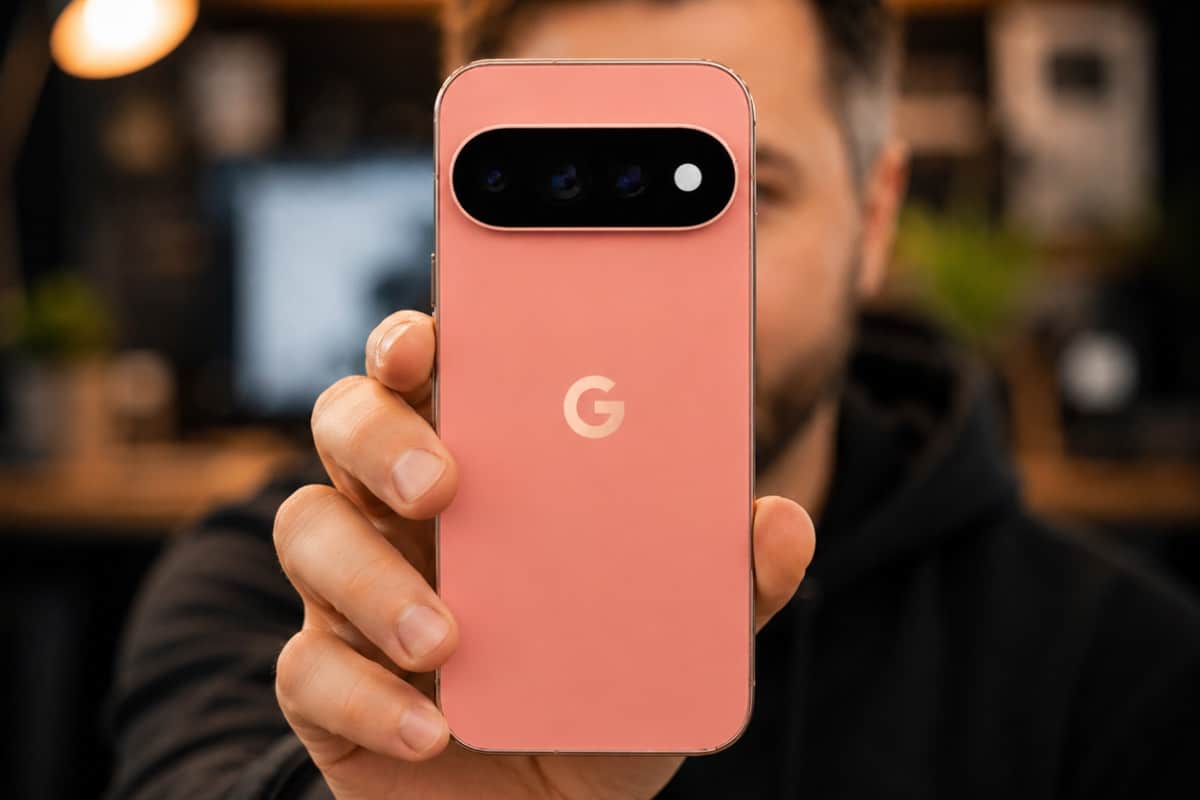
Yes, although the difference probably won’t knock you sideways.
Google says apps open 15% faster and web browsing is 25% faster. That should make the Pixel 11 feel more responsive when opening websites, moving between applications and handling everyday jobs.
You may notice:
- Apps opening slightly faster
- Smoother switching between applications
- Quicker webpage loading and rendering
- Faster photo processing
- Shorter waits for on-device AI tools
- Better performance when several tasks are running
- Fewer slowdowns as the phone gets warm
The catch is that Pixel 10 was already fast enough for normal use.
Opening WhatsApp in slightly less time is nice. It isn’t a reason to throw a perfectly good Pixel 10 into a drawer.
The speed difference will be easier to notice when using camera processing and AI tools. These are the jobs Tensor was created to handle.
Tensor G6 is mainly an AI upgrade
The fifth-generation TPU is arguably the most important part of Tensor G6.
TPU stands for Tensor Processing Unit. It’s a dedicated part of the processor designed to run machine-learning and AI jobs without sending everything through the regular CPU.
Google says the new TPU has 50% more computing power than the one inside Tensor G5.
Certain on-device AI tasks can run up to 3.5 times faster while using up to 3.5 times less energy. Those figures apply to selected workloads rather than everything the phone does, but they show where Google has placed its attention.
Tensor G6 supports Pixel 11 features such as:
- Gemini Intelligence
- Gemini Nano
- Magic Capture
- Camera Looks
- Camera Coach
- 120x Pro Zoom
- Instant Night Sight
- Pro Stable Video
- Live Translate
- Voice transcription
- Call Screening
- Scam Detection
- Photo and video processing
- On-device image editing
Running more AI work locally also has two useful benefits.
First, it can work without waiting for a cloud server. Second, sensitive information doesn’t always need to leave your phone.
You’re not going to notice the TPU while reading an email. You will notice it when the phone processes a complex zoom photo, translates a conversation or applies an AI edit.
What does Tensor G6 do for the Pixel 11 camera?
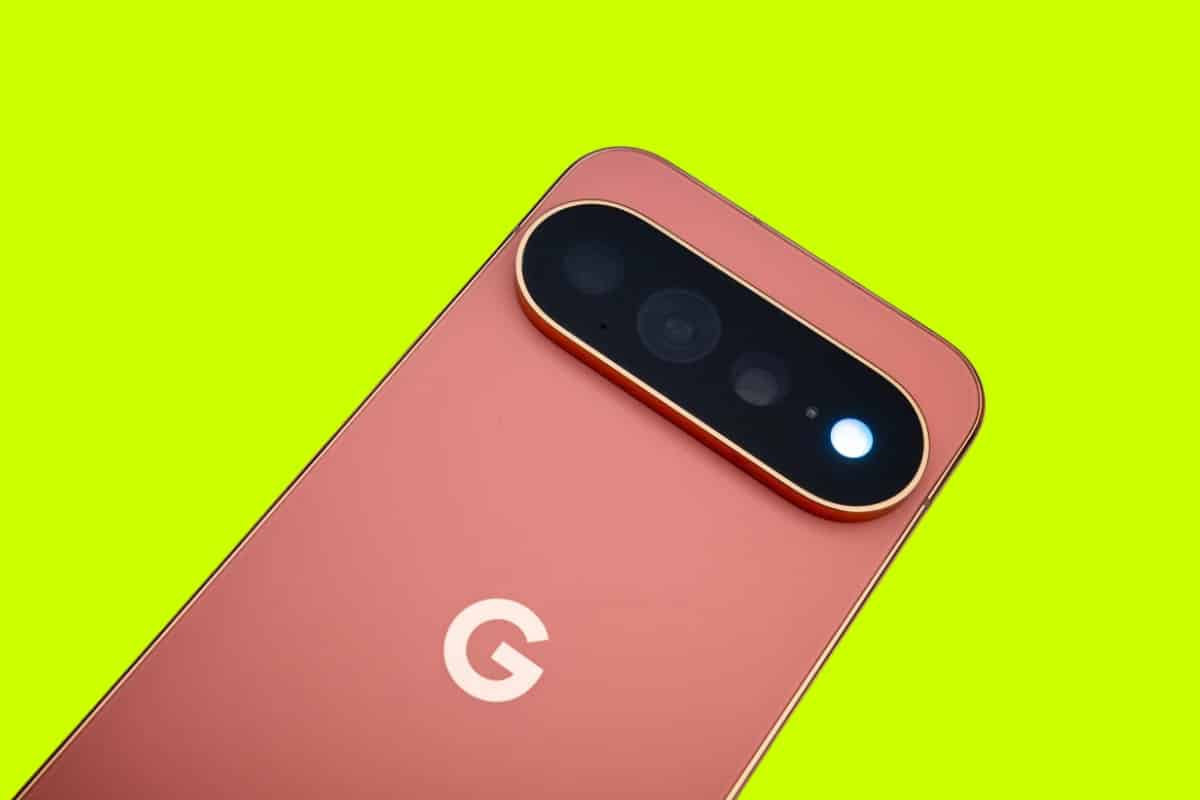
Quite a lot.
Pixel cameras have always relied heavily on software. The sensor captures the original information, then Google’s image-processing system combines frames, balances exposure, reduces blur, controls colour and removes noise.
Tensor G6 gives that system more processing room.
120x Pro Zoom
Pixel 11 Pro and Pro XL can reach 120x Pro Zoom, up from 100x on the Pixel 10 Pro models.
The phones still use a 5x optical telephoto camera. Tensor G6 then combines sensor cropping, stabilisation, multiple frames and generative image processing to build a clearer extreme-zoom image.
It can be impressive, but it can also create detail that wasn’t directly captured by the sensor. Buildings and stationary objects should work better than text, faces or moving subjects.
Instant Night Sight
Instant Night Sight is designed to capture low-light photos with less waiting.
Older Night Sight modes could require you to remain still while the camera gathered enough information. Faster image processing should reduce that delay and make the feature more useful for moving subjects.
Pro Stable Video
Pro Stable Video uses hardware stabilisation alongside Tensor G6 processing to reduce shaking.
It won’t replace a proper gimbal for professional filming, but it should make handheld walking shots, family videos and social clips look smoother.
Magic Capture
Magic Capture allows the camera to gather photo and video information together, then use that data to produce a high-resolution still image.
This puts a heavier load on the phone because it has to manage multiple types of image data at once. Tensor G6 handles that work in the background.
Camera Looks
Camera Looks lets you create a consistent visual style for your pictures.
Rather than applying a basic filter after taking the photo, Pixel can adjust how the image is processed during capture. Google’s Real Tone system remains part of the pipeline, helping the phone retain accurate skin tones.
The new MediaTek modem could be a bigger deal than the CPU
Tensor G6 replaces the Samsung Exynos modem used alongside Tensor G5 with a MediaTek M90 modem.
The modem manages your connection to mobile networks. It affects call reliability, 4G and 5G speeds, signal stability and how much battery your phone burns while trying to stay connected.
Google Pixels have a history of attracting complaints about:
- Weak mobile signal
- Dropped connections
- Excessive battery drain on 5G
- Heat while using mobile data
- Poor reception in difficult areas
The MediaTek M90 is supposed to improve both connectivity and efficiency. Early reporting points to this as one of Tensor G6’s more useful changes.
A processor benchmark won’t show you this.
But if your Pixel can hold a usable signal in an area where an older model struggled, you’ll notice that every single day.
We still need proper network testing before calling the modem problem solved. Reception also varies by carrier, network band and location.
Will Tensor G6 improve battery life?
It should, but don’t expect miracles.
Google claims up to 20% better power efficiency. The MediaTek modem should also consume less energy while using mobile data.
That matters because Google hasn’t made the Pixel 11 Pro batteries larger:
| Phone | Battery capacity |
|---|---|
| Pixel 10 | 4,970mAh |
| Pixel 11 | 4,985mAh |
| Pixel 10 Pro | 4,870mAh |
| Pixel 11 Pro | 4,850mAh |
| Pixel 10 Pro XL | 5,200mAh |
| Pixel 11 Pro XL | 5,115mAh |
Pixel 11 Pro and Pro XL actually have slightly smaller batteries than their predecessors.
Despite that, Google advertises over 30 hours of battery life for the standard Pixel 11 models. That claim depends heavily on better processor and modem efficiency.
I’ve yet to test it out. But I’ll believe it when I see it.
In everyday use, the improvements should be most apparent during:
- 5G use
- Navigation
- Camera processing
- Video recording
- On-device AI
- Web browsing
- Background tasks
- Standby
Independent battery tests will tell us whether Google’s 30-hour claim holds up.
Does Tensor G6 run cooler?
Google’s claimed efficiency gains should reduce unnecessary heat, but the cooling hardware matters too.
Pixel 11 Pro and Pixel 11 Pro XL have vapour-chamber cooling. This spreads heat across a larger area inside the phone rather than allowing it to build around the processor.
That should help during:
- Long gaming sessions
- 4K and 8K video recording
- Navigation while charging
- Mobile hotspot use
- Large photo edits
- Pro Zoom processing
- Extended 5G use
The standard Pixel 11 doesn’t get the same Pro cooling system.
That doesn’t mean it’ll constantly overheat. It means the Pro phones should be better at maintaining performance under a heavy, sustained workload.
Is Tensor G6 good for gaming?
It’ll run Android games perfectly well. It just isn’t the processor I’d buy specifically for gaming.
Tensor G6 uses a PowerVR CXTP GPU. Google has improved its general processing and AI hardware, but graphics performance isn’t the main selling point.
Early benchmark reports suggest the Pixel 11 may remain behind phones using Apple’s latest A-series chip or Qualcomm’s latest Snapdragon processor. One pre-release Geekbench result put Tensor G6 well behind the Galaxy S26 Ultra, although leaked and early benchmarks need to be treated carefully.
For normal games, you’ll be fine.
For demanding titles at maximum detail and high frame rates, a Snapdragon flagship will probably perform better for longer.
That has always been the deal with Tensor. It prioritises Pixel features and camera processing over winning every benchmark chart.
What is Titan M3?
Titan M3 is Google’s new security processor.
It works alongside Tensor G6 to protect sensitive information and check that the phone starts using trusted software.
It helps protect:
- Encryption keys
- Lock-screen information
- Biometric data
- Passkeys
- Secure app data
- Verified boot
- On-device AI information
Tensor G5 uses the older Titan M2 security chip.
You probably won’t notice Titan M3 doing anything. That’s the point. Security hardware is meant to sit quietly in the background and make it harder for attackers to reach protected information.
Do you need Tensor G6 to get a good Pixel experience?
No, Google’s Tensor platform has never been considered much of a contender when it comes to performance anyway, especially when compared to Apple’s A-series chipsets and Qualcomm’s Snapdragon platform.
Tensor G6 is Google’s best Pixel processor so far, obviously, but older Pixel flagships still provide most of the things people buy a Pixel for.
That includes:
- Excellent photography
- Night Sight
- 5x optical zoom
- Magic Eraser
- Best Take
- Photo Unblur
- Call Screening
- Circle to Search
- Live Translate
- Clean Android software
- Regular Pixel Drops
- Long update support
Some new Pixel 11 camera and AI features are tied to Tensor G6. But the core Pixel experience hasn’t suddenly stopped working on Tensor G4 or G5.
This is where refurbished Pixel 9 Pro deals start making a lot of sense.
The smarter buy: a refurbished Pixel 9 Pro or Pixel 9 Pro XL
The Pixel 11 Pro starts at $1,099, while the Pixel 11 Pro XL starts at $1,299.
Meanwhile, we’ve found:
Prices and stock change, but those deals put a former Google flagship below the price of plenty of new mid-range phones.
Compared with Pixel 11 Pro pricing, you’re potentially saving well over $600. The Pixel 9 Pro XL can cost around $800 less than a new Pixel 11 Pro XL.
That is an enormous difference.
And you’re not dropping down to some basic budget Pixel, either.
Pixel 9 Pro vs Pixel 11 Pro: what do you still get?
| Feature | Pixel 9 Pro | Pixel 11 Pro |
|---|---|---|
| Display | 6.3-inch LTPO OLED, 120Hz | 6.3-inch LTPO OLED, 120Hz |
| RAM | 16GB | Up to 16GB |
| Main camera | 50MP | 50MP |
| Ultrawide camera | 48MP | 48MP |
| Telephoto camera | 48MP, 5x optical | 48MP, 5x optical |
| Selfie camera | 42MP autofocus | 42MP autofocus |
| Water resistance | IP68 | IP68 |
| Processor | Tensor G4 | Tensor G6 |
| Software support | Seven years from launch | Seven years from launch |
| Maximum zoom | 30x | 120x |
| Screen refresh rate | 1Hz to 120Hz | 1Hz to 120Hz |
| Premium build | Yes | Yes |
The Pixel 11 Pro is faster, more efficient and better at advanced on-device AI.
But look at everything that stays broadly comparable.
Both have a bright 120Hz LTPO display, 16GB of RAM, a 50MP main camera, two 48MP supporting cameras, a 5x optical telephoto and a 42MP autofocus selfie camera.
Pixel 9 Pro also receives seven years of operating-system, security and Pixel Drop updates from its 2024 launch. That keeps it supported into 2031.
For under $450, that’s ridiculous value.
What do you lose by buying Pixel 9 Pro?
You won’t get every Pixel 11 feature.
Depending on Google’s eventual software rollout, you may miss:
- Tensor G6 performance
- 120x Pro Zoom
- Instant Night Sight
- Pro Stable Video
- Some Gemini Intelligence features
- Faster local AI processing
- Magic Capture
- The MediaTek M90 modem
- Titan M3 security
- Improved power efficiency
- Faster wireless charging
- Newer camera sensors
- Two extra years at the end of the update window
Those are real differences.
The question is whether they’re worth spending another $600 to $900.
For most people, I don’t think they are.
Pixel 9 Pro XL is the best-value big Pixel
If you like larger phones, the refurbished Pixel 9 Pro XL is particularly hard to argue with.
It gives you:
- A 6.8-inch LTPO OLED display
- 120Hz refresh rate
- 16GB of RAM
- Tensor G4
- 50MP main camera
- 48MP ultrawide camera
- 48MP 5x telephoto camera
- 42MP selfie camera
- 5,060mAh battery
- IP68 water resistance
- Updates into 2031
The Pixel 11 Pro XL has a newer processor, new AI tools, 120x zoom and faster charging.
But it starts at $1,299.
A refurbished Pixel 9 Pro XL can start at around $411. Even allowing for differences in storage, condition and seller, the gap is huge.
I’d take the Pixel 9 Pro XL if I wanted the big-screen Pixel experience without paying laptop money for a phone.
Pixel 9 Pro is the best-value smaller option
The Pixel 9 Pro gives you almost everything good about the XL in a smaller 6.3-inch body.
You still get the full triple-camera system, 16GB of RAM, the 120Hz LTPO display and the same long software commitment.
At around $436.79 refurbished, it’s far cheaper than the $1,099 Pixel 11 Pro.
That makes it the better buy for anyone who wants a compact flagship but doesn’t care about 120x zoom or running the newest Gemini features locally.
Who should buy a Tensor G6 Pixel?
Buy a Pixel 11 if:
- You want Google’s newest AI tools
- You use demanding camera features regularly
- Better mobile connectivity matters to you
- You want the best possible Pixel battery efficiency
- You keep phones for six or seven years
- You want 120x zoom
- You record lots of video
- You’re upgrading from a Pixel 7 or older
- You don’t mind paying launch pricing
Who should buy a refurbished Pixel 9 Pro?
Buy the Pixel 9 Pro if:
- You want a smaller flagship
- Camera quality matters more than benchmark results
- You want 16GB of RAM
- You want seven-year software support
- You don’t need 120x zoom
- You’d rather save more than $600
- You want flagship hardware at a mid-range price
Who should buy a refurbished Pixel 9 Pro XL?
Buy the Pixel 9 Pro XL if:
- You want a large 6.8-inch screen
- You watch lots of video or edit photos
- You prefer a larger battery
- You want the same cameras as the smaller Pixel 9 Pro
- You want years of updates
- You don’t want to spend $1,299 on Pixel 11 Pro XL
Verdict: Tensor G6 is better, but Pixel 9 Pro is better value
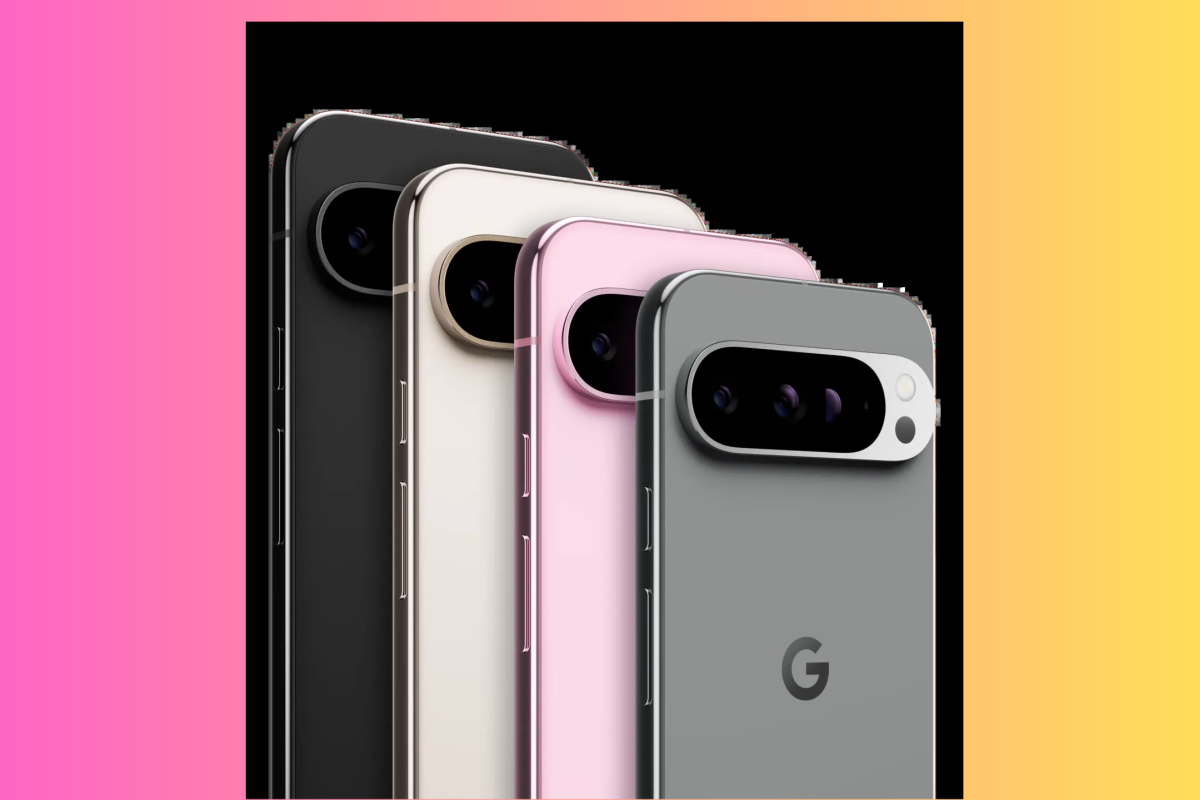
Tensor G6 improves the parts of a Pixel that matter: daily responsiveness, AI processing, camera features, mobile connectivity, security and power use.
It’s a sensible upgrade over Tensor G5. It just isn’t a desktop-class performance monster disguised as a phone, nor is it trying to be.
The biggest gains appear in Google’s own AI and camera tools. If you want 120x Pro Zoom, Instant Night Sight, Magic Capture and the full Gemini Intelligence package, buy a Pixel 11 Pro.
But if you simply want an excellent Pixel phone, the refurbished Pixel 9 Pro and Pixel 9 Pro XL are much better buys.
You retain the premium screens, 16GB of RAM, superb triple cameras, 5x optical zoom, Pixel software and update support into 2031.
You lose some new AI tricks and processor speed.
You keep $600 to $900 in your bank account.
I know which of those differences I’d notice most.
Sources & Side Quests
Tensor G6 and Pixel 11
- Google Tensor G6: architecture, TPU, modem and efficiency details
- Tensor G6 performance claims and confirmation of TSMC’s 3nm process
- Pixel 11 series launch overview and Tensor G6 features
- Pixel 11, Pixel 11 Pro and Pro XL hands-on comparison
- Pixel 11 series hardware, camera and software changes
- Pixel 11 charging speeds, battery capacities and efficiency claims
Tensor G5 and AI processing
- Google’s official Tensor G5 explanation
- Google’s official explanation of generative Pro Zoom processing
- Official Pixel 10 Pro and Pro XL specifications
Pixel 9 Pro and Pixel 9 Pro XL
- Official Pixel 9 Pro and Pixel 9 Pro XL specifications
- Google’s official Pixel software-update policy
- Google’s Pixel hardware specifications database
- Pixel 9 series support through August 2031
Refurbished deals
Buying tools
Thinking About Buying an iPhone?
Compare current refurbished prices, see how it stacks up against alternatives, and avoid overpaying for the wrong model.
Recommended for this article