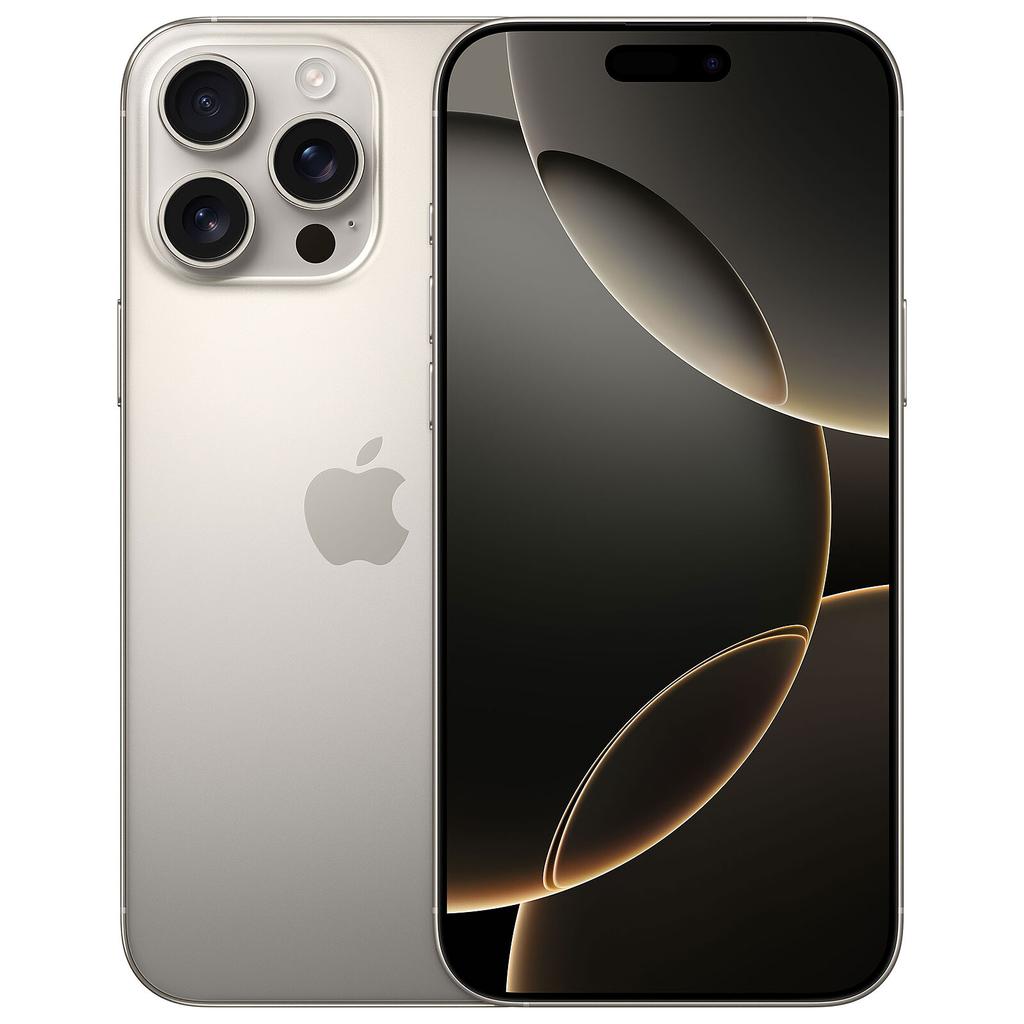
The 12 Expected iPhone 18 Pro Upgrades
Apple’s next Pro iPhones are expected to focus on camera control, battery life, connectivity and efficiency rather than a complete redesign.
- 01 Smaller Dynamic Island
- 02 More Efficient LTPO+ Display
- 03 Variable-Aperture Main Camera
- 04 2nm A20 Pro Processor
- 05 Apple C2 Cellular Modem
- 06 5G Connectivity Via Satellite
- 07 Apple N2 Wireless Chip
- 08 New Dark Cherry Colour
- 09 Simpler Camera Control Button
- 10 More Uniform Rear Ceramic Shield Finish
- 11 Nearly 10% Larger Pro Max Battery
- 12 Thicker Pro Max Body
The variable-aperture camera, A20 Pro chip, C2 modem and larger Pro Max battery look like the upgrades most likely to affect everyday use.
The iPhone 18 Pro doesn’t appear to be getting one enormous, must-have feature that makes every older iPhone look obsolete overnight.
That’s not how Apple normally works anyway.
Instead, the iPhone 18 Pro and iPhone 18 Pro Max are shaping up to be the result of lots of smaller changes working together: a more efficient screen, a 2nm processor, Apple’s own C2 modem, a smaller Dynamic Island and a camera that can physically change its aperture.
The Pro Max could also get a battery increase of close to 10%, which is far more useful than shaving another fraction of a millimetre from the body.
There are 12 widely reported changes currently linked to the phones. Some could make a real difference. Others, frankly, are nice extras rather than reasons to spend well over $1,000.
Here’s what each feature does, why it matters and whether you’re actually likely to notice it.
The Upgrades Most Likely To Matter
| Upgrade | Likely impact | Who will notice it most? |
|---|---|---|
| Larger Pro Max battery | High | Heavy users, travellers and mobile gamers |
| A20 Pro | High over time | Gamers, video editors and people keeping the phone for years |
| Variable aperture | Medium to high | Photographers and video creators |
| C2 modem | Medium | People who use lots of mobile data or live in weak-signal areas |
| LTPO+ display | Medium | Everyone, mainly through better battery efficiency |
| 5G via satellite | Potentially high, but availability unclear | Travellers, hikers and rural users |
| Smaller Dynamic Island | Low to medium | Anyone irritated by the current cutout |
| N2 wireless chip | Unknown | Heavy AirDrop, hotspot and Wi-Fi users |
| Camera Control redesign | Low to medium | People who find the current button fiddly |
| Thicker design | Indirect benefit | Pro Max buyers who care more about battery than thinness |
| Rear finish | Low | Anyone who dislikes the current two-tone back |
| Dark Cherry colour | Cosmetic | People who want a darker red Pro iPhone |
Apple has not announced the iPhone 18 Pro range. The details below come from supply-chain reports, alleged regulatory records, software references, analysts and leakers. Specifications can still change before release.
1. A Smaller Dynamic Island
Apple is reportedly moving the Face ID flood illuminator beneath the display on the iPhone 18 Pro and Pro Max.
The flood illuminator projects infrared light onto your face so the TrueDepth system can identify you in different lighting conditions. Moving that component under the OLED panel would allow Apple to reduce the amount of visible hardware at the top of the screen.
This does not mean the Dynamic Island will disappear.
Current reports suggest the front camera and other Face ID hardware will remain visible, producing a smaller central cutout rather than a completely uninterrupted display.
Why It Matters
A smaller Dynamic Island would provide slightly more usable screen space and make the front of the phone look cleaner.
It could be most noticeable when:
- Watching full-screen video
- Playing games
- Viewing photographs
- Using apps with information near the top edge
- Holding the phone horizontally
The software side of Dynamic Island should remain. Live Activities, timers, music controls, calls and navigation prompts can still expand around the smaller cutout.
Will You Notice It?
Yes, but it won’t change how the phone works.
You’ll notice the reduced cutout whenever you look at the display. After a week or two, you’ll probably stop thinking about it.
This is a pleasant design improvement, not a reason to replace a recent Pro iPhone by itself.
2. A More Efficient LTPO+ Display
Both Pro models are expected to retain their current sizes:
- 6.3 inches on the iPhone 18 Pro
- 6.9 inches on the iPhone 18 Pro Max
The larger change should happen inside the display panel. Reports point to LTPO+ OLED technology, an updated form of the backplane system used to control individual pixels and refresh rates.
Apple already uses LTPO-based ProMotion displays that can alter their refresh rate depending on what is happening onscreen. A static image requires fewer refreshes than a fast-scrolling page or game, allowing the phone to save energy when 120Hz isn’t needed.
LTPO+ should make that process more efficient.
Why It Matters
The display is one of the largest power users in any phone. Even a modest reduction in its energy use can help across an entire day.
This should support:
- Better battery life
- More efficient always-on display operation
- Smooth 120Hz scrolling when needed
- Lower power use while reading static content
- More stable brightness over long periods
The screen may not look dramatically different from the iPhone 17 Pro’s display. Its main benefit could appear in the battery menu rather than through brighter colours or a sharper image.
Will You Notice It?
Probably through battery life, not picture quality.
If Apple keeps the same resolution, brightness and 120Hz ProMotion behaviour, most people won’t look at the iPhone 18 Pro and immediately see a better panel. They may notice that it consumes less power during ordinary use.
3. A Variable-Aperture 48MP Main Camera
The biggest camera rumour concerns a variable aperture for the 48MP Fusion camera.
Every recent iPhone has used a fixed physical aperture. The opening inside the lens remains the same size, while exposure is controlled through shutter speed, sensor sensitivity and software processing.
A variable aperture can physically widen or narrow that opening.
When open wider, the lens admits more light. When narrowed, it admits less light and can keep more of the scene acceptably sharp.
Why It Matters
Variable aperture could give Apple more control over:
- Low-light exposure
- Natural background separation
- Depth of field
- Sharpness across a group photograph
- Motion blur in video
- Bright daylight exposure
- Lens performance around the edge of a frame
Imagine taking a close portrait in a dim restaurant. The camera could use its wider setting to collect more light and create stronger natural separation between the subject and background.
For a daytime group shot, it could use a narrower opening so the people at the front and back remain in focus.
Video creators may also benefit. A physical aperture gives the camera another way to control exposure without relying as heavily on very fast shutter speeds, which can make motion look harsh.
Our iPhone 18 Pro variable-aperture guide explains the system and its possible drawbacks in more detail.
The Catch
Phone sensors and lenses are much smaller than those inside a full-size camera. The change in natural depth of field may therefore be less dramatic than the term “variable aperture” suggests.
Apple may also offer only two aperture positions, with the Camera app switching between them automatically. Manual control has not been confirmed.
A newer report says the feature may be exclusive to one Pro model, most likely the Pro Max. Until the phones are announced, do not assume the smaller Pro will definitely receive the same camera hardware.
Will You Notice It?
Photographers and video creators should. Casual users may simply see more dependable results without knowing why.
This has the potential to be one of the generation’s best upgrades, but only if Apple uses the hardware well and does not bury it beneath automatic processing.
You can follow all reported sensor and lens changes in our iPhone 18 camera guide.
4. The 2nm A20 Pro Chip
The iPhone 18 Pro range is expected to use Apple’s A20 Pro processor, manufactured on TSMC’s first-generation 2nm N2 process.
The A19 Pro uses a 3nm process. Moving to 2nm lets TSMC fit more transistors into a given area while cutting power use or raising performance.
TSMC says its N2 process can provide, compared with an earlier 3nm process:
- 10% to 15% more performance at the same power
- 25% to 30% lower power use at the same performance
- Around 15% greater transistor density
Those are manufacturing-process figures, not promised iPhone gains. Apple decides how to divide the improvement between speed and efficiency.
New Chip Packaging Matters Too
The A20 family has also been linked with Wafer-Level Multi-Chip Module packaging, usually shortened to WMCM.
This could place the processor and memory more closely together, reducing the distance data travels and improving communication between them. It may also free some internal board space.
The result could be:
- Faster local AI processing
- Better memory bandwidth
- Lower power consumption
- Quicker camera processing
- Stronger sustained gaming performance
- Less heat during heavier work
Will You Notice It?
Not while opening WhatsApp.
Modern Pro iPhones are already extremely fast during ordinary use. The A20 Pro should matter more during demanding tasks such as editing 4K video, playing console-level games, processing large photographs and running newer AI functions directly on the phone.
Efficiency may be the part normal users notice most. If the processor uses less power while completing the same work, the phone should run cooler and last longer.
Our A20 and A20 Pro guide covers the architecture, packaging and likely real-world gains.
5. Apple’s C2 Cellular Modem
Apple is expected to replace Qualcomm hardware in at least some iPhone 18 Pro versions with its own C2 modem.
The modem handles 4G, 5G, mobile data, carrier calls, roaming and Personal Hotspot connections. It is separate from the A20 Pro processor and from the N2 Wi-Fi chip.
Apple introduced the C1 in the iPhone 16e, followed by the faster C1X in the iPhone Air and iPhone 17e. C2 is the next named generation and the first version widely expected to appear in Apple’s conventional Pro phones.
Why It Matters
C2 is expected to add or improve:
- 5G performance
- mmWave support
- Power efficiency on mobile data
- Behaviour in weak-signal areas
- Switching between network bands
- Personal Hotspot efficiency
- Satellite connections
The modem can consume far more power when a signal is weak because it has to search for networks and transmit at higher power. A more efficient design could make a noticeable difference to commuters, travellers and anyone who spends most of the day away from Wi-Fi.
The US Question
One report based on alleged manufacturing documents says US iPhone 18 Pro models may retain Qualcomm parts while international versions use C2.
That could be related to US mmWave requirements, carrier certification or an older test configuration. It has not been confirmed.
For now, the safest answer is that C2 is strongly linked to the Pro range, but Apple may use different modem hardware in different regions.
Our full iPhone 18 Pro C2 modem guide explains what it does, who should care and which other iPhones could receive it.
Will You Notice It?
Potentially, but not as a feature you open and use.
You may notice steadier reception, lower battery drain on 5G or faster service in supported locations. A modem cannot create carrier coverage where none exists, so ignore claims suggesting C2 will magically fix every dead zone.
6. 5G Connectivity Via Satellite
C2 has also been linked with NR-NTN, or New Radio Non-Terrestrial Network support.
This is a standard that allows 5G devices and carrier systems to communicate using satellites and other non-ground-based infrastructure.
Recent iPhones already provide Emergency SOS, Messages, Find My and Roadside Assistance through satellite in supported countries. Those services operate separately from normal mobile internet and are intended mainly for limited communication outside cellular coverage.
NR-NTN could make satellite access behave more like part of a carrier network.
What Could It Let You Do?
Depending on Apple, carriers and satellite partners, future services could include:
- Sending messages outside mobile coverage
- Making certain calls through satellite
- Loading basic web pages
- Sharing location data
- Receiving weather or safety information
- Maintaining limited connectivity while travelling remotely
Reports have specifically mentioned web browsing without Wi-Fi or terrestrial cellular coverage.
That does not necessarily mean fast, unrestricted satellite internet. Bandwidth, clear-sky access, local rules and service pricing could all limit what is available.
Will You Notice It?
Most people may rarely need it. When they do, it could be one of the most useful features on the phone.
Someone living in a city with dependable coverage may test it once and forget about it. Someone driving through remote areas, hiking or working offshore could see it as a genuine safety and communication upgrade.
Apple hasn’t confirmed the service, supported countries, speeds, pricing or launch timing. The iPhone 18 Pro could contain the required hardware before every promised service is ready.
7. Apple’s New N2 Wireless Chip
The iPhone 18 Pro models are expected to use a new Apple-designed N2 networking chip.
The existing N1 supports Wi-Fi 7, Bluetooth 6 and Thread. Apple says it also improves features such as AirDrop and Personal Hotspot.
N2 should replace it, but no firm technical specification has surfaced.
What Could Improve?
Reasonable possibilities include:
- More reliable Wi-Fi connections
- Lower power consumption
- Better Personal Hotspot performance
- Faster or steadier AirDrop transfers
- Better Bluetooth behaviour in crowded areas
- Improved handoff between Apple devices
- Updated smart-home connectivity through Thread
These are expected areas of progress, not confirmed N2 features.
Will You Notice It?
That depends entirely on what Apple changes.
A newer wireless chip is not automatically exciting. If it reduces AirDrop failures, keeps AirPods connected in busy stations and makes hotspot use less temperamental, it will be doing useful work in the background.
Until Apple supplies details, N2 belongs in the “promising but unknown” category.
8. A New Dark Cherry Colour
The headline colour is expected to be Dark Cherry.
Other reported finishes include:
- Light Blue
- Dark Gray
- Silver
Cosmic Orange and Deep Blue are expected to leave the range.
Dark Cherry sounds like a very deep red rather than a bright Product Red finish. If the rumours are accurate, it could give Pro buyers a richer colour without looking quite as loud as the current orange option.
Will You Notice It?
Obviously. It is a colour.
Will it improve the phone? No.
It may persuade someone already due an upgrade, but nobody should replace a working iPhone simply because Apple has invented another shade of dark red. Half of these phones will be placed inside black cases within ten minutes anyway.
9. A Simpler Camera Control Button
Apple is reportedly removing touch sensitivity and haptic feedback from Camera Control.
The revised button would retain pressure sensitivity, allowing it to detect a press without also interpreting swipes and touch gestures across its surface.
That sounds like a downgrade until you consider why Apple may be doing it.
The current control can feel too fussy. A slight movement can bring up an unwanted adjustment or change a camera setting when you only wanted to take a photograph.
Why It Could Be Better
A simpler pressure-based control could be:
- Easier to learn
- Harder to trigger accidentally
- More dependable while wearing gloves
- Cheaper and simpler to repair
- More like a proper camera shutter button
Apple could move functions currently tied to swipes back into the Camera app, where they may be easier to see and understand.
Will You Notice It?
Yes, if you use Camera Control.
People who already ignore the button won’t care. Those who find its swipe gestures awkward may prefer the simpler version.
This is less about adding capability and more about admitting that the original control tried to do too much.
10. A More Uniform Rear Ceramic Shield Finish
The iPhone 18 Pro should retain the broad rear camera plateau introduced by the previous generation.
Reports suggest Apple will change the Ceramic Shield section around the MagSafe area, giving it a more frosted and uniform appearance. The aim appears to be reducing the obvious two-tone division between the glass section and the surrounding metal body.
Why It Matters
This is mainly a visual clean-up.
It could make the rear panel look more cohesive and may hide fingerprints or small marks more effectively, depending on the final texture.
There is no dependable evidence that it will provide better drop protection than the current design. “Redesigned” does not automatically mean tougher.
Will You Notice It?
Yes when the phone is caseless. No when it is sitting inside an opaque case.
It may make the iPhone 18 Pro look better, but it ranks near the bottom of the list for practical importance.
11. A Nearly 10% Larger iPhone 18 Pro Max Battery
This is the upgrade most likely to matter every single day.
Alleged regulatory information points to two Pro Max battery capacities:
- 5,567mAh in the US eSIM-only model
- 5,391mAh in versions with a physical SIM tray
Compared with the equivalent iPhone 17 Pro Max batteries, those figures represent increases of around 9.4% and 11.8%.
The US phone can use a larger cell because it does not need to make room for a physical SIM tray.
Why It Matters
The larger cell should work with several efficiency improvements:
- 2nm A20 Pro processor
- LTPO+ display
- C2 modem in supported models
- New processor packaging
- iOS 27 power management
That combination gives the iPhone 18 Pro Max a strong chance of producing a proper battery-life gain, rather than the tiny annual increase buyers sometimes get.
Heavy users could see more headroom for navigation, gaming, photography, video recording and hotspot use. Lighter users may be able to finish a second day without charging.
No reliable real-world runtime figure is available, so exact claims about additional hours are guesswork.
What About The Smaller iPhone 18 Pro?
Its alleged battery increase is tiny:
- 4,288mAh in the US model, up around 0.8%
- 4,056mAh in physical-SIM versions, up around 1.7%
The smaller Pro will therefore rely mainly on the A20 Pro, LTPO+ screen and modem becoming more efficient.
Our iPhone 18 battery comparison has the reported capacities for every model.
Will You Notice It?
On the Pro Max, probably. On the smaller Pro, any gain will depend far more on efficiency.
If battery life is your main reason for upgrading, the Pro Max currently looks like the safer choice.
12. A Thicker iPhone 18 Pro Max
Yes, thicker is being counted as a feature. And honestly, it should be.
The Pro Max is expected to grow from the iPhone 17 Pro Max’s 8.75mm body to roughly 8.8mm or 9mm, according to the more believable reports. One less settled leak puts the Pro models between 9.9mm and 10.9mm, although that may mix body and camera-platform measurements.
The phone could also weigh around 240g, up from 231g.
Why Is It Getting Thicker?
The extra internal volume could accommodate:
- The larger battery
- Variable-aperture camera hardware
- A larger camera assembly
- Revised vapour-chamber cooling
- A20 Pro and memory packaging
- Structural support around the camera plateau
Batteries, cooling systems and camera mechanisms occupy physical space. Apple cannot add hundreds of milliamp-hours through positive thinking.
Does It Matter?
Not really.
An increase of a quarter of a millimetre is difficult to feel, particularly after adding a case. The possible nine-gram weight increase is more likely to be noticeable than the added depth.
If a slightly thicker body delivers a larger battery, better cooling and a more capable camera, that is a sensible trade.
The only people who should pause are those who already find the Pro Max too heavy or awkward. They will probably be happier with the smaller Pro.
Read our full iPhone 18 Pro thickness comparison for measurements from the iPhone 14 Pro through to the latest rumours.
Which Of These Features Are Actually Worth Upgrading For?
The answer depends on which iPhone you already own.
If You Have An iPhone 17 Pro Or Pro Max
Keep it, unless the variable-aperture camera or larger Pro Max battery directly solves a problem for you.
The A20 Pro will be faster and the screen should be more efficient, but your current phone is already extremely capable. Dark Cherry and a smaller Dynamic Island are not sensible reasons to take a large depreciation hit after one year.
If You Have An iPhone 16 Pro Or Pro Max
This is a closer call.
You would be moving through two processor generations and gaining the newer design, updated cooling, possible variable aperture, smaller Dynamic Island and newer connectivity chips.
The Pro Max battery could make the biggest difference. Wait for camera and battery testing before ordering.
If You Have An iPhone 15 Pro Or Pro Max
The upgrade should be easier to justify, particularly if battery health has started falling.
You should get a brighter and more efficient display, several generations of processor progress, newer camera hardware, better cooling and updated cellular features.
The iPhone 15 Pro remains fast, though. If it still works well, replacing its battery will cost far less than buying an iPhone 18 Pro.
If You Have An iPhone 14 Pro Or Older
You should notice the full collection of changes much more clearly.
That includes USB-C, newer camera processing, longer battery life, newer ProMotion hardware, Apple Intelligence support, better thermal behaviour, A20 Pro performance and the expected iPhone 18 features listed above.
For these users, the iPhone 18 Pro could feel like a proper upgrade rather than a yearly refresh.
iPhone 18 Pro vs Pro Max: Which One Looks Better?
| Feature | iPhone 18 Pro | iPhone 18 Pro Max |
| Display | 6.3-inch LTPO+ expected | 6.9-inch LTPO+ expected |
| Processor | A20 Pro | A20 Pro |
| RAM | 12GB expected | 12GB expected |
| Main camera | Variable aperture possible | Variable aperture more strongly linked |
| Battery | 4,056mAh to 4,288mAh claimed | 5,391mAh to 5,567mAh claimed |
| Battery increase | Around 0.8% to 1.7% | Around 9.4% to 11.8% |
| Body | Easier to handle | Thicker and heavier expected |
| Best for | People who want Pro hardware in a smaller phone | Battery life, large display and possibly the best camera |
The Pro Max looks more impressive on paper because of its battery and possible exclusive camera hardware.
The smaller Pro could still be the better phone for most people. It should deliver the same A20 Pro performance, C2 and N2 connectivity and smaller Dynamic Island without becoming a 240g pocket brick.
Our main iPhone 18 Pro and Pro Max guide tracks every reported specification, price and release-date change.
How Much Will The iPhone 18 Pro Cost?
Apple has not confirmed pricing, but multiple reports point to an increase.
Rising memory and component costs are putting pressure on phone prices across the industry. The 2nm A20 Pro, new camera module and other custom hardware will not be cheap either.
Current estimates put the iPhone 18 Pro somewhere around $1,249 to $1,399, with the Pro Max potentially starting around $1,349 to $1,499. These are projections rather than leaked Apple retail prices.
That price changes the upgrade calculation.
A phone can contain 12 new features and still be poor value for someone whose current iPhone already does everything they need.
The Pro models are expected in September 2026. The standard iPhone 18 is now widely reported to be moving to spring 2027, alongside the iPhone 18e and possibly iPhone Air 2. Our iPhone 18 release guide explains Apple’s split launch plan.
Don’t Ignore Refurbished Pro iPhones
If the iPhone 18 Pro launches at anything close to the reported prices, a refurbished iPhone 15 Pro, 15 Pro Max, 16 Pro or 16 Pro Max will make far more sense for many buyers.
Apple supports iPhones for years, so buying refurbished does not mean buying a phone on the edge of retirement. Recent Pro models still provide 120Hz displays, excellent cameras, fast processors, premium materials and plenty of remaining iOS support.
You can often save 40% to 50% against the original price, depending on the model, storage and condition. That is a far larger real-world difference than a smaller Dynamic Island or a new rear finish.
Browse current refurbished iPhone deals, compare all phone collections or use the Phone Finder to narrow the results by budget, storage and model.
The Bottom Line
The iPhone 18 Pro range looks better as a complete package than any one rumoured feature makes it sound.
The strongest changes are the 2nm A20 Pro, LTPO+ display, variable-aperture camera, C2 modem and the much larger Pro Max battery. Together, they could improve speed, heat management, photography, connectivity and battery life.
Satellite 5G could become extremely useful, but availability and pricing remain unknown. The smaller Dynamic Island and simplified Camera Control should make the phone nicer to use. Dark Cherry and the revised rear finish are mostly decoration.
If you own an iPhone 17 Pro, sit this one out unless independent testing reveals an exceptional camera or battery gain.
If you have an iPhone 15 Pro or older, the combined changes should be much easier to appreciate. And if the expected price rise makes the whole thing feel faintly ridiculous, buy a recent refurbished Pro instead. You’ll get most of the experience for a lot less money.
Buying tools
Thinking About Buying an iPhone?
Compare current refurbished prices, see how it stacks up against alternatives, and avoid overpaying for the wrong model.
Recommended for this article