iPhone 18 Camera: What The Leaks Say So Far
The biggest camera upgrade in years could be coming to the Pro lineup — but the foldable’s camera spec may disappoint at that price point. Here’s what’s leaked so far.
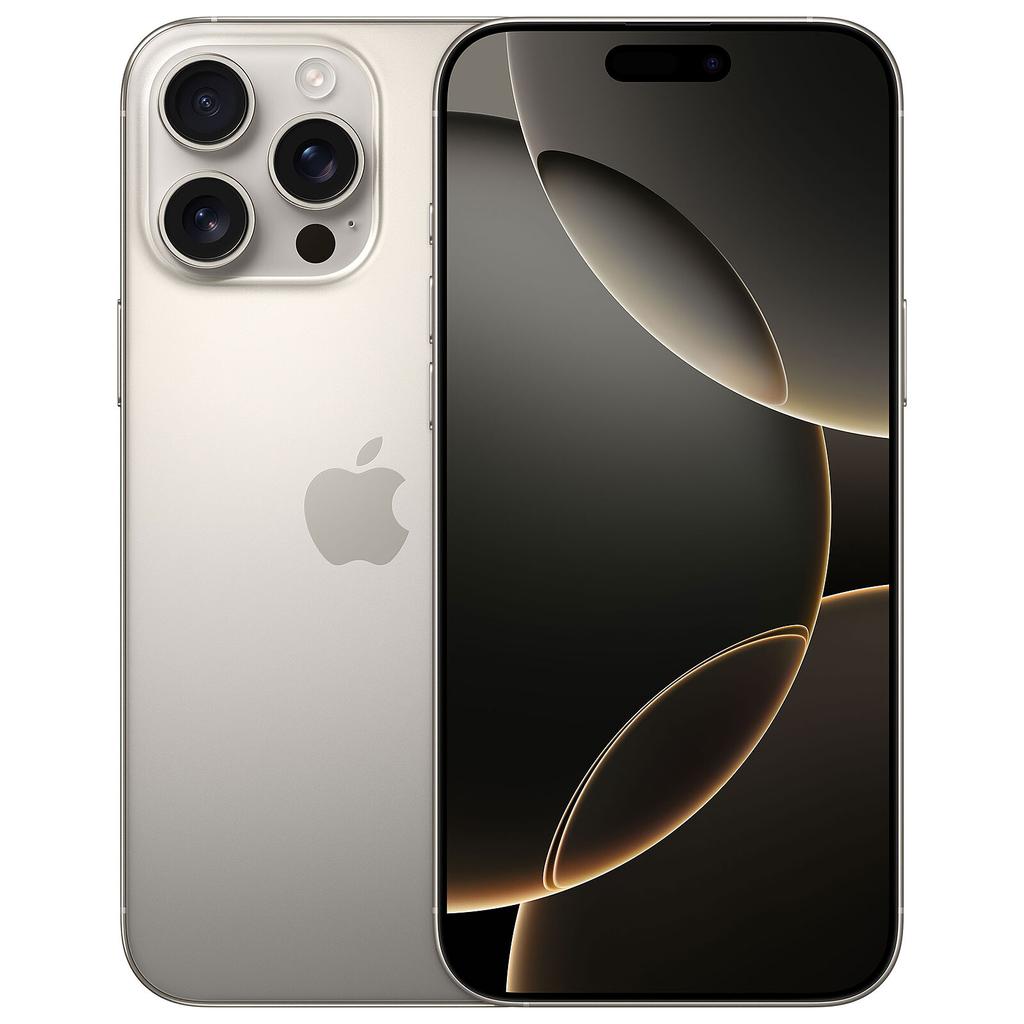
The iPhone 18 Pro and Pro Max are expected to get Apple’s first variable-aperture main camera, improving exposure control, depth of field, and video performance in bright conditions.
The Pro Max could also use a new Sony IMX905 sensor — potentially making it the best camera phone in the entire iPhone 18 lineup.
Both Pro models should keep three 48MP rear cameras. A wider-aperture telephoto lens is also being tested for better low-light zoom performance.
Apple’s foldable could have two 48MP rear cameras and two selfie cameras — but reportedly no telephoto lens despite its likely $2,000-plus price tag. A potential disappointment at that price point.
The iPhone Air 2 is being tested with a second rear camera, adding the Ultra Wide lens that was missing from the original Air.
A new 24MP selfie camera has been rumoured for Apple’s flagship models, including a possible under-display version on the foldable iPhone.
Very little has leaked about the standard iPhone 18 or iPhone 18e cameras. Neither is expected to receive variable aperture or a dedicated telephoto lens.
Want the full iPhone 18 picture? See our complete guide to release dates, specs and prices.
Full iPhone 18 Guide →The iPhone 18 Pro and Pro Max are expected to introduce Apple’s first variable-aperture main camera, giving the phones physical control over the amount of light entering the lens.
The Pro Max could also receive a new Sony IMX905 main sensor, although that claim comes from an alleged internal diagnostics file rather than Apple or a public regulatory listing.
Apple’s foldable iPhone is expected to have four cameras in total: two 48-megapixel cameras on the back and one front-facing camera for each display. It will reportedly lack a telephoto camera despite being the most expensive phone in the range.
The second-generation iPhone Air is being tested with an additional Ultra Wide camera, while dependable rear-camera information for the standard iPhone 18 and iPhone 18e remains scarce.
Apple has not announced any of these phones or confirmed their camera specifications.
Rumoured iPhone 18 Camera Specifications
| Model | Main camera | Ultra Wide | Telephoto | Front camera |
|---|---|---|---|---|
| iPhone 18 Pro | 48MP, variable aperture expected | 48MP expected | 48MP, possibly wider aperture | 24MP rumoured |
| iPhone 18 Pro Max | 48MP Sony IMX905 claimed, variable aperture | 48MP expected | 48MP, possibly wider aperture | 24MP rumoured |
| Foldable iPhone | 48MP expected | 48MP expected | None expected | Two front cameras; 24MP under-display inner camera claimed |
| iPhone 18 | 48MP likely | 48MP likely | None expected | Possibly 24MP |
| iPhone 18e | 48MP likely | None expected | None expected | Unknown |
| iPhone Air 2 | 48MP likely | Second camera currently being tested | None expected | Possibly 24MP |
The Pro and foldable specifications have received considerably more reporting because those phones are expected in September 2026. The iPhone 18, 18e and Air 2 may not arrive until spring 2027.
iPhone 18 Pro Camera
The iPhone 18 Pro is expected to retain three rear cameras:
- 48-megapixel Main or Fusion camera
- 48-megapixel Ultra Wide camera
- 48-megapixel Telephoto camera
- LiDAR scanner
The main change should be the introduction of a variable-aperture lens on the 48-megapixel Main camera.
Apple has used a fixed ƒ/1.78 aperture on its recent Pro main cameras. The opening remains the same regardless of the available light or the type of image being captured.
A variable aperture would allow the phone to physically change the size of that opening.
What Would Variable Aperture Do?
A wider aperture allows more light to reach the sensor. A narrower aperture reduces the amount of light entering the camera.
This could help the iPhone 18 Pro with:
- Exposure control in bright conditions
- More natural motion blur when recording video
- Greater control over depth of field
- More convincing background separation
- Better sharpness around the edges of the frame
- Reducing reliance on software-generated portrait blur
- Avoiding extremely fast shutter speeds in bright sunlight
The video benefits could be more noticeable than the photo changes.
When recording outside in bright sunlight, an iPhone often needs to use a very fast shutter speed to prevent overexposure. This can make movement look unnaturally sharp or choppy.
By closing the aperture, the iPhone could reduce the incoming light and use a more natural shutter speed without requiring an external neutral-density filter.
Will The User Control The Aperture?
It is not known whether Apple will provide manual aperture controls.
Apple could offer several options:
- Automatic aperture selection
- Aperture control inside the Camera app
- Manual controls restricted to ProRAW or Pro video modes
- A small number of preset aperture positions
- Access through third-party camera applications
The hardware may use two fixed positions rather than the continuously adjustable aperture found on a conventional camera lens.
Until the Camera app is demonstrated, claims about full manual aperture control remain assumptions.
How Certain Is Variable Aperture?
Variable aperture is currently the best-supported iPhone 18 camera claim.
Apple analyst Ming-Chi Kuo first linked the technology to both iPhone 18 Pro models in 2024. Further reports said Apple was discussing components with suppliers during 2025.
ETNews subsequently reported that production of the required actuators had begun. Sunny Optical was reportedly making the aperture actuators, while LG Innotek was preparing to assemble the more complicated camera modules.
An alleged iPhone 18 Pro Max diagnostics file also contains references to aperture calibration and actuator data.
The repeated supply-chain reporting makes variable aperture more credible than most early iPhone camera rumours. It still remains unofficial until Apple announces the phones.
iPhone 18 Pro Max Camera
The Pro Max should use the same basic camera arrangement as the smaller Pro:
- 48-megapixel Main camera
- 48-megapixel Ultra Wide
- 48-megapixel folded Telephoto
- LiDAR scanner
- Upgraded front-facing camera
The biggest difference could be a new Sony main sensor.
Sony IMX905 Main Sensor
An alleged diagnostics log identifies the iPhone 18 Pro Max main sensor as the Sony IMX905.
The document reportedly indicates:
- 48-megapixel resolution
- 1.22μm individual pixel size
- Mechanical variable-aperture support
- Aperture-actuator calibration data
- Three-axis spherical actuator
- Optical image stabilisation
The sensor would reportedly replace the IMX903 used in the previous Pro Max.
The pixel size appears unchanged. If the information is accurate, the main change would come from the new lens and aperture system rather than a much larger sensor.
How Reliable Is The IMX905 Claim?
The alleged information was discovered in files connected to a data breach involving Tata Electronics, an Apple supplier.
Reuters confirmed that the breach exposed Apple component and supplier information. However, Reuters did not independently confirm the retail camera specification or the IMX905 model number.
The diagnostics log is stronger evidence than an anonymous social-media post, but it is not equivalent to an official specification.
It is also unclear whether the IMX905 will be exclusive to the Pro Max or used in both Pro models.
The safest conclusion is:
- Variable aperture is expected on both Pro models.
- The IMX905 has only been directly connected to the Pro Max.
- Sensor details for the smaller Pro remain unconfirmed.
Telephoto Camera Changes
Both Pro models are expected to keep a 48-megapixel folded Telephoto camera.
Apple upgraded its Pro telephoto system during the iPhone 17 generation, so the iPhone 18 may concentrate on lens changes rather than another resolution increase.
Wider Telephoto Aperture
Apple is reportedly testing a larger aperture for the Telephoto camera.
A wider telephoto aperture could provide:
- Brighter zoom photos
- Less image noise in poor light
- Faster shutter speeds
- Fewer blurred photos of moving subjects
- Better indoor portraits
- More natural background separation
- Better telephoto video after dark
A telephoto lens normally gathers less light than the Main camera. Opening the aperture would help reduce the quality gap between the cameras.
No dependable report has provided the final aperture value.
It is also unknown whether this change will appear on both Pro models or only the Pro Max.
Teleconverter Rumour
Apple has reportedly evaluated a teleconverter system for the iPhone 18 Pro.
A conventional teleconverter sits between a camera lens and its sensor, increasing the effective focal length. Inside an iPhone, Apple would need a much smaller system incorporated into the folded telephoto assembly.
Possible uses include:
- Longer optical zoom
- Switching between two native telephoto focal lengths
- Providing more reach without relying entirely on digital cropping
The teleconverter has only been described as being under evaluation. There is no good evidence that it has reached mass production.
It should therefore be treated as a prototype feature rather than an expected iPhone 18 Pro specification.
Will It Have 200MP Telephoto?
A 200-megapixel telephoto camera is not currently expected in the iPhone 18 range.
Apple has reportedly tested higher-resolution telephoto sensors, but more recent reporting places a possible 200-megapixel iPhone camera in 2028 or later.
The iPhone 18 Pro and Pro Max should remain at 48 megapixels across all three rear cameras.
Ultra Wide Camera
No major Ultra Wide upgrade has been firmly linked to the iPhone 18 Pro models.
The expected specification remains:
- 48-megapixel resolution
- Macro photography
- Ultra-wide photography
- Spatial photo and video support
- Autofocus
Apple has reportedly tested optical image stabilisation for future Ultra Wide cameras, but the available reporting does not clearly place that feature in the iPhone 18 Pro.
Samsung Camera Sensor Rumour
Ming-Chi Kuo previously reported that Samsung could begin supplying Apple with 48-megapixel Ultra Wide sensors in 2026.
This would end Sony’s position as the exclusive supplier of iPhone camera sensors.
The Samsung sensor was described as using a three-layer stacked design. A stacked sensor can place different parts of the imaging circuitry on separate layers, potentially allowing:
- Faster sensor readout
- Better dynamic range
- Reduced image noise
- Faster autofocus
- Less distortion during video
- More compact packaging
It remains unclear which iPhone will receive this sensor.
Apple may use it in one of the iPhone 18 models, introduce it later or use Samsung only as an additional supplier without changing the marketed camera specification.
The alleged Pro Max diagnostics information still identifies Sony as the main-camera supplier. That does not conflict with Samsung potentially supplying an Ultra Wide sensor.
Front-Facing Camera
A JP Morgan research report claimed Apple’s flagship iPhone 18 models would receive 24-megapixel front-facing cameras.
This would follow the 18-megapixel Center Stage camera introduced during the iPhone 17 generation.
Potential changes include:
- More facial detail
- Greater cropping flexibility
- Sharper group selfies
- Better reframing for Center Stage
- Higher-resolution portrait images
- More detail during video calls
- Better image stabilisation through sensor cropping
Resolution alone does not guarantee better low-light images. A higher-resolution sensor can have smaller individual pixels unless Apple also increases the sensor’s physical size.
Apple could also use pixel binning, combining several sensor pixels into one output pixel when shooting in poor light.
Will Every iPhone 18 Get The 24MP Camera?
The wording of the JP Morgan report refers to Apple’s flagship iPhone 18 lineup.
That strongly points to:
- iPhone 18 Pro
- iPhone 18 Pro Max
- Foldable iPhone
It may also include the standard iPhone 18 and Air 2, but those phones are expected several months later.
There is less certainty around the lower-priced iPhone 18e.
Early 24-megapixel front-camera claims were also made about the iPhone 17 range and did not happen. The iPhone 18 report should therefore be treated cautiously until supplier evidence appears.
Foldable iPhone Camera
Apple’s first foldable iPhone is expected to have four cameras:
- 48-megapixel Main rear camera
- 48-megapixel Ultra Wide rear camera
- Front camera for the outer display
- Front camera for the folding inner display
It is not expected to have a telephoto camera or LiDAR scanner.
Foldable Rear Cameras
The rear setup should be similar to the dual-camera system used by Apple’s standard iPhones rather than the triple-camera arrangement fitted to the Pro range.
| Camera | Expected specification |
|---|---|
| Main | 48 megapixels |
| Ultra Wide | 48 megapixels |
| Telephoto | Not expected |
| LiDAR | Not expected |
This means the foldable could offer:
- 0.5× Ultra Wide
- 1× Main camera
- 2× sensor crop from the Main camera
- Macro photography through the Ultra Wide
- Spatial photo and video recording
It would not provide the longer native zoom available from the Pro telephoto camera.
That is a notable compromise for a phone expected to cost more than $2,000.
Why Is There No Telephoto Camera?
The foldable’s thin design is the most likely reason.
Reports place the phone at approximately 4.5mm thick when unfolded. Apple needs to fit batteries, display hardware, the hinge, cooling, the motherboard and camera modules into the two halves.
A folded telephoto system occupies more internal area than a standard camera because the lens elements and sensor are arranged sideways.
Removing it would allow Apple to keep the body thinner and leave more space for the battery.
24MP Under-Display Camera
JP Morgan reportedly expects the foldable’s inner display to contain a 24-megapixel under-display camera.
An under-display camera sits beneath active screen pixels, removing the need for a visible cutout.
Existing under-display cameras normally use much lower resolutions, often between 4 and 8 megapixels. A 24-megapixel version would be unusually ambitious.
The camera would need to photograph through:
- Display pixels
- Wiring
- Protective layers
- Adhesives
- Folding display material
These layers can cause:
- Reduced sharpness
- Haze
- Reflections around lights
- Lower contrast
- Colour changes
- Poorer low-light results
Apple would need image processing to compensate for the light blocked or scattered by the display.
Outer-Display Camera
The 5.5-inch outer display is also expected to have a front-facing camera.
It could use a conventional punch-hole design, providing better image quality than the camera hidden beneath the inner screen.
Its resolution has not been established.
Claims that both front cameras will be 24 megapixels should be treated cautiously. The more specific reporting only directly identifies the inner under-display camera as 24 megapixels.
No Face ID Camera System
The foldable is expected to use Touch ID in its side button instead of Face ID.
The thin display halves may not provide enough room for Apple’s complete TrueDepth system, which includes:
- Infrared camera
- Dot projector
- Flood illuminator
- Conventional front camera
Removing these components would make the foldable’s front-camera system physically simpler, although it would also remove Face ID and some depth-sensing functions.
Standard iPhone 18 Camera
There are no dependable rear-camera leaks for the standard iPhone 18.
The most likely arrangement is a continuation of the standard iPhone 17 system:
- 48-megapixel Main camera
- 48-megapixel Ultra Wide camera
- No dedicated Telephoto
- Center Stage front camera
This is a forecast based on the existing model, not a reported specification.
The standard phone could provide a 2× zoom mode by cropping the central portion of the 48-megapixel Main sensor. This is not the same as having a dedicated optical telephoto camera.
Possible Standard iPhone 18 Changes
Reasonable possibilities include:
- Updated image signal processing through the A20 chip
- Improved Smart HDR
- Better night photography
- Faster sensor readout
- Reduced video noise
- More accurate subject recognition
- 24-megapixel front camera
- Simplified Camera Control button
None of these rear-camera changes has been tied to a final production model.
There is no evidence that the standard iPhone 18 will receive variable aperture, LiDAR or the Pro telephoto system.
iPhone 18e Camera
The iPhone 18e is expected to remain Apple’s lower-cost model.
No dependable camera specification has been reported.
Based on the existing product structure, it will probably have:
- One 48-megapixel rear camera
- 1× Main camera mode
- 2× crop zoom
- No Ultra Wide
- No dedicated Telephoto
- No LiDAR
- Conventional front camera
Apple could carry over the existing camera hardware and use the A20 processor to improve image processing.
There is currently no evidence that the 18e will receive:
- Variable aperture
- A second rear camera
- Macro photography
- ProRAW
- ProRes video
- A telephoto lens
- Spatial video from two rear cameras
The front-camera resolution is also unknown. The reported 24-megapixel upgrade may be restricted to more expensive models.
iPhone Air 2 Camera
Apple is testing a second rear camera for the Air 2.
Bloomberg’s Mark Gurman reports that current V62 prototypes add an Ultra Wide camera to the existing Main camera.
The expected arrangement is therefore:
- Main camera
- Ultra Wide camera
- No Telephoto camera
- Front-facing Center Stage camera
How Much Better Would A Second Camera Make It?
The original Air’s single-camera system cannot provide true ultra-wide photography.
Adding an Ultra Wide would introduce:
- 0.5× photography
- Macro photography, if autofocus is included
- Wider group photographs
- Wider architectural and landscape images
- More flexible video framing
- Spatial video using two rear cameras
- Better continuity when switching focal lengths
The resolution has not been confirmed by Gurman.
A 48-megapixel Ultra Wide is possible because that is the direction Apple has taken with its standard dual-camera phones. Claims giving the Air 2 a confirmed dual-48-megapixel system go beyond what the strongest reporting currently establishes.
Will The Second Camera Survive The Redesign?
The Air 2 was delayed after the first model reportedly sold below Apple’s expectations.
The second camera is now said to be in advanced testing, but Apple could still remove it if it creates problems with:
- Internal space
- Battery capacity
- Camera-plateau thickness
- Heat management
- Manufacturing cost
- Product separation from the standard iPhone
The Air 2 itself has not been given a confirmed release date, making its camera specification less settled than those of the September Pro models.
Camera Control Changes
Apple is expected to keep Camera Control but simplify its internal design.
The current control combines:
- Pressure sensing
- Capacitive touch
- Haptic feedback
- Gesture detection
The iPhone 18 version may remove the touch-sensitive layer and rely primarily on pressure detection.
This could mean users press at different strengths to:
- Open the Camera
- Take a picture
- Begin recording
- Lock focus or exposure
- Access camera settings
It is unclear whether swiping to adjust zoom, exposure or photographic styles will remain available.
This change appears to be intended to reduce component cost and simplify construction rather than add new camera functions.
Photography And Video Processing
The iPhone 18 Pro models are expected to use the A20 Pro processor, while the spring models should use the standard A20.
The move to TSMC’s 2nm process could provide more processing capacity without sharply increasing power consumption.
Camera-related uses could include:
- Faster computational photography
- Improved noise reduction
- Better subject and scene detection
- More accurate skin tones
- Faster ProRAW processing
- Improved stabilisation
- Better frame-by-frame video processing
- Local AI-assisted editing
- Depth estimation for portraits
- Better merging of images from different cameras
There are no dependable reports identifying new photographic styles, recording resolutions or ProRes formats.
Claims involving 8K video, 4K at 240fps or major spatial-video changes remain unsupported.
Which Model Gets The Best Camera?
The Pro Max is currently expected to have the best overall system.
| Model | Main advantage | Main limitation |
|---|---|---|
| iPhone 18 Pro Max | Variable aperture, possible new Sony sensor and telephoto | Likely the largest and most expensive conventional iPhone |
| iPhone 18 Pro | Variable aperture in a smaller body | IMX905 sensor not yet confirmed |
| Foldable iPhone | Two displays and four total cameras | No telephoto or LiDAR |
| iPhone 18 | Capable dual-camera system likely | No dedicated optical zoom |
| iPhone Air 2 | Ultra Wide may fix the Air’s largest camera omission | No telephoto; specification may change |
| iPhone 18e | Expected to cover basic 1× and 2× photography | Probably only one rear camera |
The foldable may be Apple’s most expensive iPhone without being its best camera phone. Its price is tied to the folding display and hinge rather than a Pro Max-level camera system.
What Is Actually Supported By Reporting?
The best-supported claims are:
- Both iPhone 18 Pro models are expected to use variable-aperture Main cameras.
- Aperture actuators and camera modules have reportedly entered production.
- The Pro models should retain triple 48-megapixel rear cameras.
- An alleged Pro Max diagnostics file identifies a new Sony IMX905 sensor.
- Apple is testing a wider aperture for the Pro telephoto camera.
- The foldable is expected to have 48-megapixel Main and Ultra Wide cameras.
- The foldable is not expected to include a Telephoto camera.
- The foldable should have one front camera for each display.
- JP Morgan expects a 24-megapixel under-display camera beneath the folding screen.
- Apple is testing an Ultra Wide second camera for the Air 2.
- A 24-megapixel front camera has been reported for the flagship models.
The following remain unknown:
- Exact aperture positions
- Whether users can adjust the aperture manually
- Whether the Sony IMX905 will appear in both Pro models
- Final Telephoto aperture
- Whether the Teleconverter will enter production
- Ultra Wide sensor supplier
- Standard iPhone 18 rear-camera specification
- iPhone 18e camera specification
- Final Air 2 camera resolution
- Outer foldable selfie-camera resolution
- New video recording modes
- Whether every model receives the 24-megapixel front camera
- Official focal lengths and sensor dimensions
Sources & Wider Reading
- MacRumors: iPhone 18 Pro variable-aperture camera production
Covers actuator production, LG Innotek’s camera modules, Sunny Optical’s components and the repeated reporting connecting variable aperture to both Pro models. - MacRumors: How the iPhone 18 Pro variable aperture could work
Covers exposure, depth-of-field and video benefits, along with the unanswered question of manual control. - Notebookcheck: Alleged iPhone 18 Pro Max diagnostics log
Covers the Sony IMX905 identifier, 1.22μm pixel size, optical stabilisation and variable-aperture calibration data. - Reuters: Tata Electronics data leak
Confirms that Apple supplier, component and device-development files were exposed, although it does not independently verify every camera detail extracted from them. - MacRumors: Teleconverter and variable-aperture testing
Covers the variable-aperture engineering samples and a teleconverter reportedly being evaluated. - MacRumors: Additional iPhone 18 Pro camera tests
Covers reported Telephoto testing and the possible 24-megapixel front-facing camera. - MacRumors: 24MP front cameras across the flagship lineup
Covers JP Morgan’s forecast for 24-megapixel front-facing cameras and the weakness of previous similar predictions. - MacRumors: Foldable iPhone specifications
Covers the dual 48-megapixel rear cameras, absence of a Telephoto camera and expected four-camera arrangement. - 9to5Mac: Foldable iPhone camera layout
Covers the two rear cameras, two front cameras and missing Telephoto lens. - Tom’s Guide: 24MP under-display foldable camera
Covers JP Morgan’s under-display camera forecast and the image-quality problems created by placing a camera beneath a screen. - Mark Gurman: Air 2 testing with a second rear camera
Confirms that Apple is testing a second rear camera and battery changes for the next Air. - The Verge: Air 2 delay and Ultra Wide camera
Covers the delayed development schedule and the planned addition of an Ultra Wide rear camera. - The Verge: Samsung potentially supplying iPhone camera sensors
Covers Ming-Chi Kuo’s claim that Samsung could begin supplying Apple with 48-megapixel Ultra Wide sensors from 2026.
Buying tools
Thinking About Buying an iPhone?
Compare current refurbished prices, see how it stacks up against alternatives, and avoid overpaying for the wrong model.
Recommended for this article