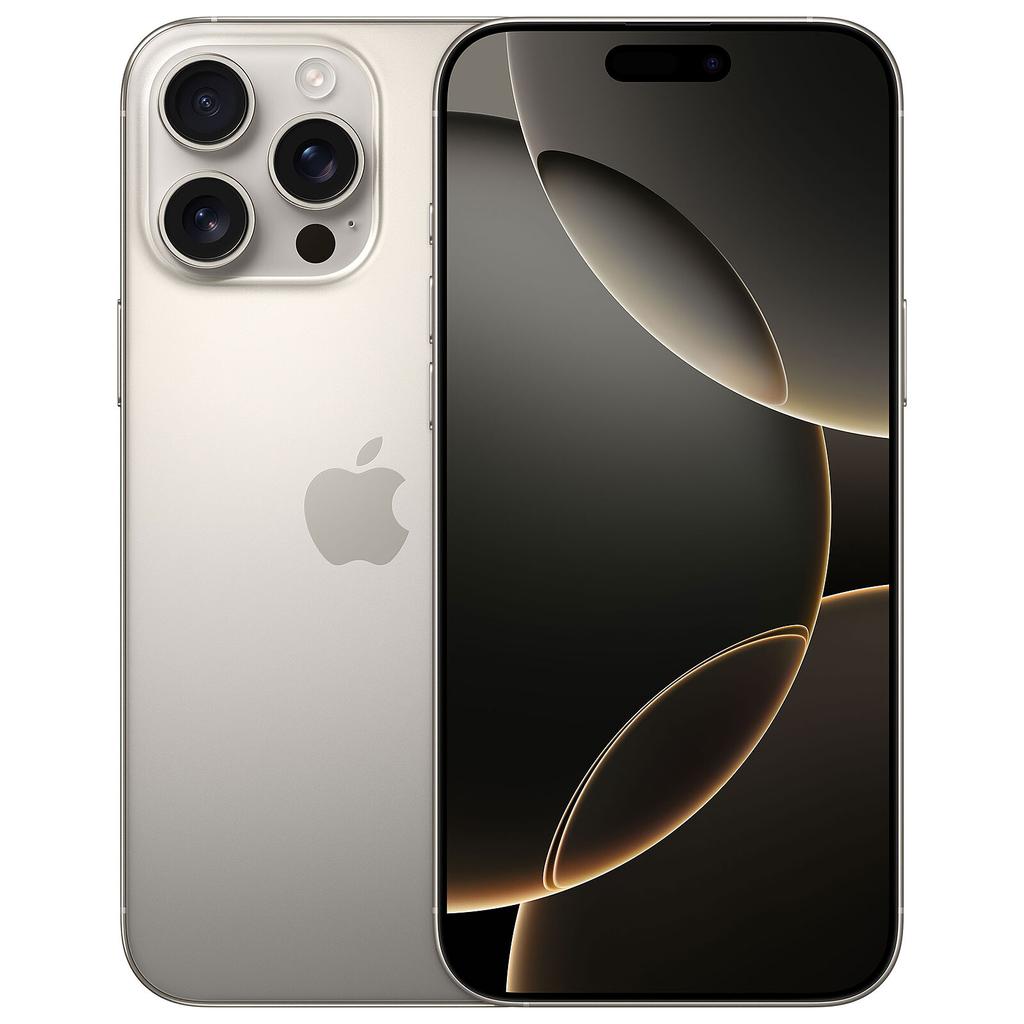
When Is the iPhone 18 Pro Launching?
Apple will officially unveil the iPhone 18 Pro and iPhone 18 Pro Max on Wednesday, September 9, 2026.
Apple’s presentation starts at 10am Pacific Time and will introduce the iPhone 18 Pro and iPhone 18 Pro Max.
The launch will stream through Apple’s website, the Apple TV app and Apple’s official YouTube channel.
Apple unveils the iPhone 18 Pro and iPhone 18 Pro Max.
Apple has not officially confirmed the preorder date.
This date follows Apple’s normal launch schedule but remains unconfirmed.
iPhone 18 Pro Launch Timeline
| Launch stage | Date and time | Current status |
|---|---|---|
| iPhone 18 Pro announcement | September 9 at 10am PT / 1pm ET / 6pm UK | Confirmed |
| Expected preorder opening | September 12 at 5am PT / 8am ET / 1pm UK | Expected |
| Expected iOS 27 release | September 14 at 10am PT / 1pm ET / 6pm UK | Expected |
| Expected retail release | September 18 | Expected |
Why Might Preorders Start On Saturday?
Apple usually opens iPhone preorders on the Friday following its launch event. That would normally put iPhone 18 Pro preorders on Friday, September 11.
There’s an obvious issue with that date. September 11, 2026, marks the 25th anniversary of the attacks in the United States.
Apple faced the same calendar clash when it launched the iPhone 6s in 2015. The company announced the phone on Wednesday, September 9, but moved preorders from Friday to Saturday, September 12.
It could repeat that schedule with the iPhone 18 Pro. If so, orders will probably open at Apple’s usual 5am Pacific Time, which is 8am Eastern and 1pm in the UK.
That’s the most likely outcome, but don’t set your alarm just yet. Apple won’t confirm the exact preorder time until it formally announces the phones.
When Is The iPhone 18 Pro Release Date?
The most likely iPhone 18 Pro release date is Friday, September 18, 2026.
This is when preordered phones should begin arriving with customers. The iPhone 18 Pro and Pro Max should also become available from Apple Stores, mobile carriers and authorised retailers on the same day.
Opening stock may be tight, particularly for:
- New colour options
- Higher storage capacities
- The iPhone 18 Pro Max
- Models using Apple’s new A20 Pro processor
- Any Pro Max configuration featuring the rumoured variable-aperture camera
If you want a specific colour and storage combination on launch day, ordering as soon as preorders open will give you the best chance of avoiding a delayed delivery estimate.
Which iPhone 18 Models Are Launching In September?
September’s event is expected to focus on Apple’s premium phones:
- iPhone 18 Pro
- iPhone 18 Pro Max
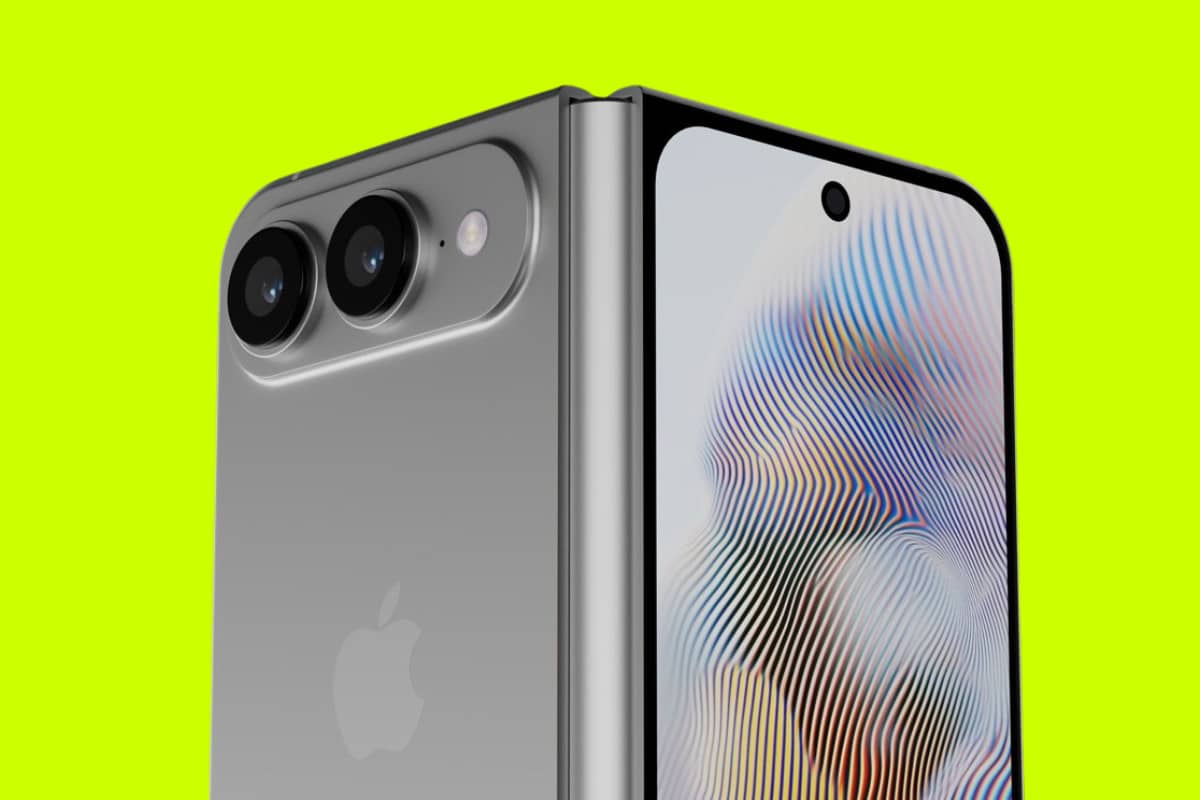
- iPhone Ultra, Apple’s first foldable iPhone
The normal iPhone 18 isn’t expected to launch alongside the Pro models. Apple has reportedly moved the standard iPhone 18, iPhone 18e and iPhone Air 2 into a separate release window during the first half of 2027.
The foldable iPhone Ultra may also follow its own preorder schedule. Reports suggest Apple has faced production issues that could restrict early availability, meaning it may be announced on September 9 but released after the iPhone 18 Pro.
iPhone 18 Pro: Expected Specifications
Nothing in the table below has been confirmed by Apple. It is based on current leaks, supply-chain reports and the features carried over from the iPhone 17 Pro series.
| Feature | iPhone 18 Pro | iPhone 18 Pro Max |
|---|---|---|
| Release window | September 2026 | September 2026 |
| Display | 6.3-inch LTPO+ OLED | 6.9-inch LTPO+ OLED |
| Refresh rate | Up to 120Hz ProMotion | Up to 120Hz ProMotion |
| Processor | A20 Pro | A20 Pro |
| Manufacturing process | TSMC 2nm | TSMC 2nm |
| Memory | At least 12GB expected | At least 12GB expected |
| Main camera | 48MP, variable aperture rumoured | 48MP, variable aperture rumoured |
| Ultra-wide camera | 48MP expected | 48MP expected |
| Telephoto camera | 48MP expected | 48MP expected |
| Front camera | 18MP Center Stage expected | 18MP Center Stage expected |
| Face ID | Partly under-display system rumoured | Partly under-display system rumoured |
| Cellular modem | Apple C2 modem expected | Apple C2 modem expected |
| Wireless chip | Apple N1 or newer | Apple N1 or newer |
| Storage | 256GB, 512GB and 1TB expected | 256GB, 512GB, 1TB and possibly 2TB |
| Starting price | Possibly $1,249–$1,399 | Possibly $1,349–$1,499 |
| Colours | Dark cherry, light blue, dark grey and silver rumoured | Dark cherry, light blue, dark grey and silver rumoured |
There is still time for features to change before launch. Treat the sizes and A20 Pro chip as the safest bets, while the camera aperture, Dynamic Island and pricing remain less certain.
When Will The iPhone 18 Pro Be Released?
The iPhone 18 Pro and iPhone 18 Pro Max are expected to be announced in September 2026.
Bloomberg’s Mark Gurman has pointed to Tuesday, September 8 as the most likely event date. Apple has not sent invitations or confirmed the event, so that date could still move.
If Apple sticks to its usual timetable, pre-orders would probably open on the Friday after the announcement, followed by general availability one week later.
This year’s release schedule is different because the cheaper models will be missing.
Multiple reports now say Apple plans to launch the following phones during autumn 2026:
- iPhone 18 Pro
- iPhone 18 Pro Max
- Apple’s folding iPhone, possibly called iPhone Ultra
The standard iPhone 18, iPhone 18e and iPhone Air 2 are expected around March 2027.
We’ve covered the reasons for that change in our report on the standard iPhone 18 being delayed until 2027.
Apple supplier Pegatron has indirectly supported the new timetable, while camera supplier Largan Precision has made similar comments. Reports from Ming-Chi Kuo, The Information, Reuters and Nikkei Asia also point towards the same split release plan.
You can see the wider schedule, including every expected model, in our iPhone 18 release date and specifications guide.
Why Apple Is Launching The Pro Models First
Apple is expected to release six new iPhones between September 2026 and March 2027. Trying to manufacture all six at once would place enormous pressure on its factories and suppliers, particularly with a completely new folding model entering production.
There is also the cost of memory, storage and newer processors to consider. Prices for several core components have risen, while TSMC’s first-generation 2nm chips will be more expensive to produce than the 3nm processors used in recent iPhones.
Launching the expensive phones first lets Apple direct early component supplies towards the models with the biggest profit margins.
It also gives Apple two iPhone sales events each year. The Pro and folding phones get the spotlight before Christmas, then the standard iPhone 18, iPhone 18e and Air 2 bring Apple back into the news during spring.
From Apple’s point of view, it makes plenty of sense. For customers who don’t want to spend more than $1,000, it is considerably less convenient.
iPhone 18 Pro Design: Expect Familiar, Not Radically Different
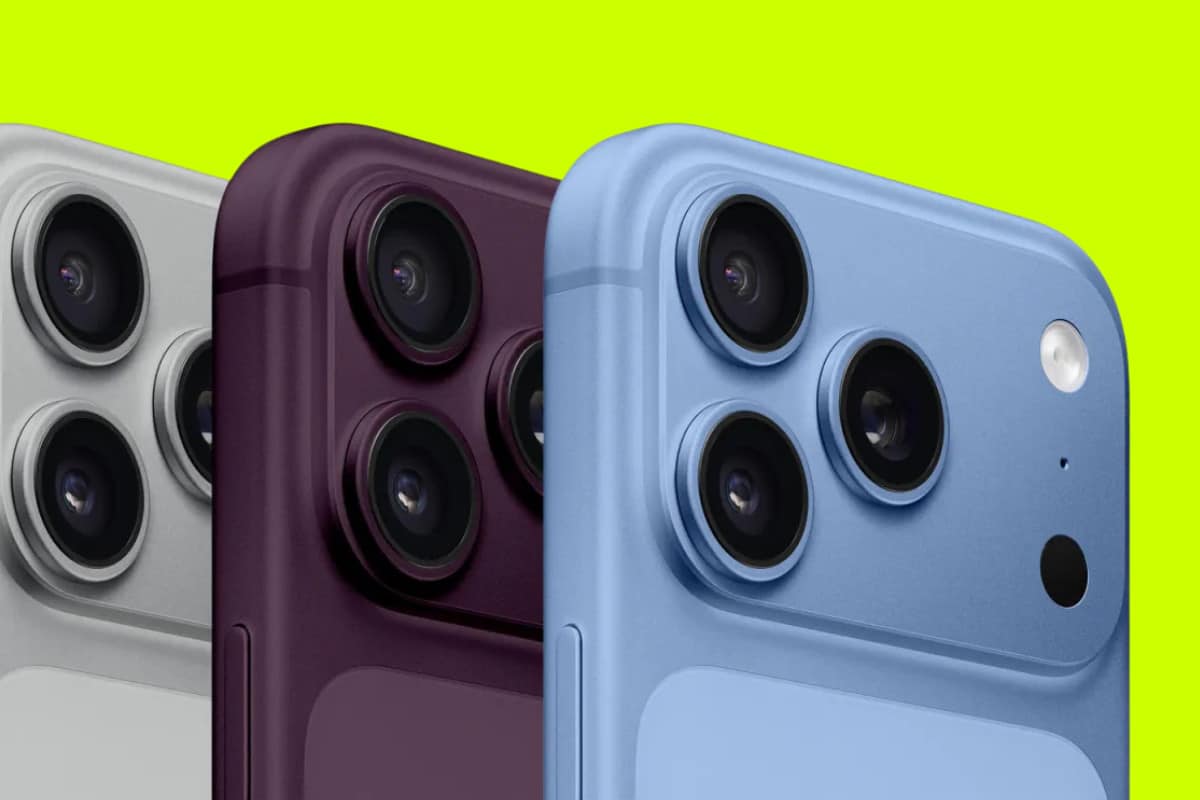
The iPhone 18 Pro and Pro Max are expected to retain the basic design introduced by the iPhone 17 Pro.
That means an aluminium unibody, a wide rear camera plateau and three large camera lenses. Leaked photographs reportedly connected with a data breach at Apple supplier Tata Electronics also showed conventional slab-shaped phones with triple rear cameras.
In other words, don’t expect the iPhone 18 Pro to look completely different from the iPhone 17 Pro.
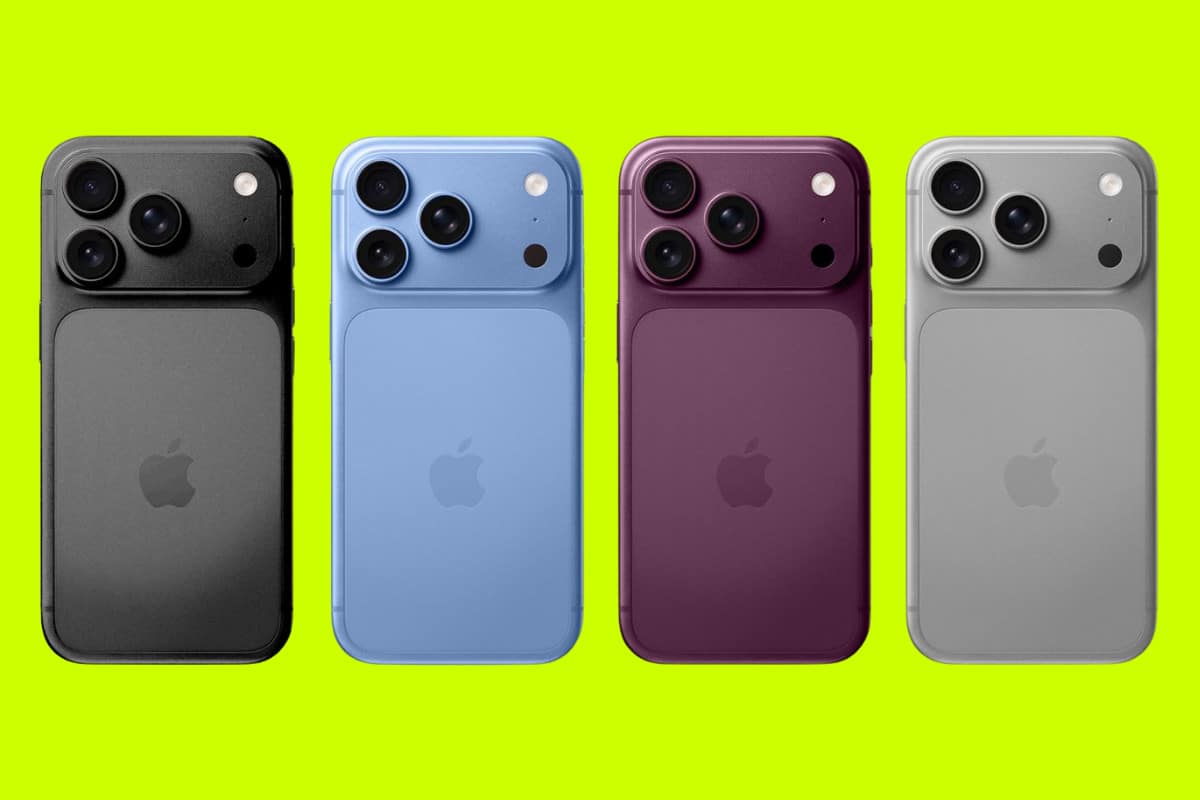
The bigger visual changes may be found in the details.
Apple is reportedly working on a more uniform rear finish that reduces the contrast between the glass MagSafe section and the aluminium frame. The result should look less like two separate materials bolted together.
The rear camera plateau could become thicker to make room for the new camera hardware. Dummy units suggest the difference may be more noticeable on the Pro Max, although measurements taken from pre-release dummy phones aren’t always reliable.
Will The iPhone 18 Pro Be Thicker?
Possibly.
Reports suggest the iPhone 18 Pro could be slightly thicker and heavier than its predecessor. One claim puts it close to 9mm thick and around 240g, but another points to a much smaller increase of just 0.05mm.
Those figures cannot both be right, so the exact dimensions remain unclear.
A thicker chassis would not necessarily be a bad move. Apple could use the additional internal space for a larger battery, improved cooling or the mechanical parts needed for its variable-aperture camera.
The Pro Max is also expected to gain some thickness, again most likely because of its battery and camera system.
For a closer look at the size reports across the whole range, see our guide to whether the iPhone 18 will be bigger.
iPhone 18 Pro And Pro Max Display Sizes
Apple isn’t expected to change the display sizes:
- iPhone 18 Pro: 6.3 inches
- iPhone 18 Pro Max: 6.9 inches
Both phones should continue using OLED displays with ProMotion refresh rates of up to 120Hz, always-on functionality and Apple’s latest Ceramic Shield protection.
The main panel upgrade could be the move to LTPO+ display technology.
LTPO already allows an iPhone’s refresh rate to rise and fall depending on what is happening on the screen. LTPO+ should reduce power consumption further, particularly when displaying static content or using the always-on display.
That won’t produce an immediately obvious “wow” moment in an Apple Store. Its benefit should show up in battery life, especially over a full day of mixed use.
Is Apple Finally Putting Face ID Under The Screen?
This is one of the messiest iPhone 18 Pro rumours.
Early reports said Apple would move Face ID underneath the display, leaving only a small opening for the front camera. Some sources claimed the camera would move towards the top-left corner rather than remaining in a centred Dynamic Island.
More recent reports have suggested a less dramatic change. Apple may put only part of the Face ID hardware under the panel, allowing it to use a narrower Dynamic Island.
Another supply-chain report claims the entire change has been delayed until the iPhone 19 generation and that the iPhone 18 Pro’s Dynamic Island will remain mostly unchanged.
So, which report should you believe?
At this point, the safest expectation is either a smaller Dynamic Island or no visible change at all. A completely uninterrupted screen now appears less likely.
Apple could still introduce under-panel Face ID components without removing the Dynamic Island software. The animated interface is used for timers, music, calls, navigation and live activities, so there is no reason Apple has to kill it simply because some sensors move beneath the screen.
The A20 Pro Chip Will Be The Main Hardware Upgrade
Both iPhone 18 Pro models are expected to use Apple’s new A20 Pro processor.
This will reportedly be Apple’s first phone chip manufactured with TSMC’s 2nm process. Current estimates suggest the change could make the A20 generation up to 15% faster or around 30% more power efficient than equivalent chips built using the previous process.
Those figures refer to what the manufacturing process can make possible, not guaranteed iPhone performance. Apple may choose to divide the gains between speed, battery life and heat reduction.
The A20 Pro is also expected to use TSMC’s Wafer-Level Multi-Chip Module packaging system, usually shortened to WMCM.
With this setup, memory can be integrated more closely with the CPU, GPU and Neural Engine instead of sitting beside the chip using the older arrangement.
Potential benefits include:
- Faster movement of data between memory and the processor
- Better performance for on-device AI
- Lower power consumption
- Less heat during demanding workloads
- A smaller chip package that frees internal space
- Better sustained gaming and video performance
Normal apps already open quickly on recent iPhones, so don’t expect the A20 Pro to make Messages feel twice as fast.
Where you may notice it is during longer or more demanding jobs: exporting video, processing large photos, running console-style games, using generative AI or keeping the camera active for extended recording sessions.
Our A20 and A20 Pro guide explains how the 2nm process and new packaging work, including what ordinary users are likely to notice.
Will The A20 Pro Get Exclusive AI Features?
Almost certainly, but we don’t yet know what they are.
Apple has been increasing the amount of memory and AI processing hardware inside its chips. The A20 Pro’s tighter memory integration should make it better suited to running larger language, image and voice models directly on the phone.
That could mean:
- Faster offline Siri responses
- More advanced photo and video editing
- Better live transcription and translation
- AI features that work without sending data to a server
- Smarter camera processing while shooting
- More capable generative tools inside third-party apps
Some new features could remain exclusive to the A20 Pro because of its memory, Neural Engine or processing requirements. Apple has used chip requirements to separate newer AI functions from older iPhones before.
We won’t know the actual software split until Apple presents the phones and their version of iOS 27.
Camera: Variable Aperture Is The Upgrade To Watch
The iPhone 18 Pro’s headline camera change is expected to be a variable-aperture main lens.
Current iPhone Pro cameras use a fixed aperture. The opening that controls how much light reaches the sensor stays at the same physical size, with Apple relying on exposure settings and software to create the final image.
A variable aperture adds tiny moving blades inside the camera module. These can open the lens in low light or close it when there is plenty of light available.
That could help the iPhone 18 Pro:
- Let more light reach the sensor at night
- Reduce overexposure in bright conditions
- Give photographers more control over depth of field
- Produce more natural background separation
- Keep more of a close-up subject in focus
- Use slower shutter speeds without overwhelming the sensor
The real benefit is control.
Imagine photographing a person outside on a bright day. A narrower aperture could keep more of the scene sharp while limiting the amount of light entering the lens.
Move inside a dim restaurant and the camera could open the aperture, taking in more light and reducing its dependence on high ISO settings or aggressive noise reduction.
It won’t replace a mirrorless camera and a large lens. The iPhone’s sensor and physical lens remain small, which limits how much real optical background blur it can create. But it would give Apple another physical control to combine with its computational photography.
We’ve broken down how the system works in our iPhone 18 Pro variable-aperture camera guide.
Other iPhone 18 Pro Camera Rumours
Apple is also reportedly testing a wider aperture for the telephoto camera. This would let more light reach the sensor, helping the zoom camera produce cleaner images indoors and at night.
At least one Pro model may use a new three-layer stacked image sensor developed by Samsung. A stacked design could provide:
- Faster sensor readout
- Reduced image noise
- Wider dynamic range
- Less distortion when recording movement
- Faster capture with less shutter lag
Apple has traditionally used Sony sensors in its iPhones, so the introduction of a Samsung sensor would be worth watching. It is unclear whether it would appear in both Pro models or only the Pro Max.
There has also been talk of Apple testing a teleconverter system to increase zoom reach. A teleconverter changes the effective focal length of a lens, but it usually reduces the amount of light reaching the sensor. How Apple would fit or operate one inside an iPhone has not been explained.
The three rear cameras are still expected to use 48MP sensors, continuing the system found on the iPhone 17 Pro. The 18MP Center Stage front camera is also likely to return.
You can find the wider list of reported changes in our iPhone 18 camera rumours guide.
iPhone 18 Pro Max Battery: Could It Pass 5,000mAh?
The iPhone 18 Pro Max is rumoured to use a battery rated above 5,000mAh.
Apple doesn’t normally advertise iPhone battery capacity in milliamp-hours, preferring video playback and streaming figures instead. If the leak is correct, this would be one of the largest batteries Apple has put inside an iPhone.
The Pro Max already has more physical room than the smaller Pro. Combining a larger battery with the A20 Pro’s 2nm efficiency and an LTPO+ display could give it excellent endurance.
The standard Pro should also get longer battery life, but the gains may come mainly from efficiency rather than a huge increase in battery capacity.
Possible battery improvements include:
- Lower processor power consumption
- A more efficient display
- Better thermal control
- More efficient cellular hardware
- Additional internal room created by the A20 Pro package
- A physically larger battery, particularly in the Pro Max
Apple introduced a vapour-chamber cooling system with the iPhone 17 Pro. An updated version is likely to return, helping the phone move heat away from the processor during gaming, filming and AI work.
Our iPhone 18 battery guide covers the reported battery changes across every model.
What About Charging Speed?
There is currently no solid report pointing to a huge increase in wired charging power.
The iPhone 17 Pro models can reach 50% charge in around 20 minutes when connected to a suitable high-output USB-C adapter. Apple may improve that figure slightly, but it is unlikely to chase the 80W, 100W or higher speeds used by some Android manufacturers.
Apple tends to favour lower heat, battery health and predictable charging over headline wattage.
MagSafe charging should return, and Apple may make small gains through thermal management or efficiency. But anyone hoping the iPhone 18 Pro will suddenly charge in ten minutes should lower their expectations.
Our article on iPhone 18 charging speeds takes a closer look at what is likely and why Apple remains so conservative.
Apple’s C2 Modem Could Replace Qualcomm
The iPhone 18 Pro and Pro Max are expected to use Apple’s second-generation C2 cellular modem.
Apple has spent years working to replace Qualcomm’s modem technology with its own hardware. The first versions appeared in lower-volume products, giving Apple time to test power use, reception and network compatibility before bringing the technology to its flagship phones.
A C2 modem could provide:
- Lower power use on 5G
- Better integration with the A20 Pro
- More reliable network switching
- Improved reception in weak-signal areas
- Less dependence on Qualcomm
- Better coordination between cellular and satellite connections
A modem is one of those parts you don’t think about until it performs badly. If Apple gets the C2 right, the most noticeable result may simply be fewer connection problems and less battery drain while using 5G.
The phones should also retain Apple’s N1 wireless chip, or use an updated replacement, with support for Wi-Fi 7, Bluetooth 6 and Thread.
Satellite Web Access May Be Coming
Apple is reportedly developing basic web access over satellite for future iPhones.
Existing satellite features concentrate on emergencies, roadside assistance and limited messaging when cellular and Wi-Fi networks are unavailable. Web access would be a much bigger step.
Don’t expect to stream Netflix from the middle of a mountain. Satellite bandwidth is limited, and the phone needs a reasonably clear view of the sky.
A practical version might allow users to:
- Load basic web pages
- Check maps and travel information
- Send email or messages
- Access weather warnings
- Find emergency information
- Confirm bookings or travel details
It is not clear whether satellite web access will launch with the iPhone 18 Pro, arrive later through an iOS update or require a paid plan.
Camera Control Could Be Simplified
Apple is rumoured to be redesigning the Camera Control button.
The existing control combines physical presses, touch sensitivity and swipe gestures. It can launch the camera, take photographs and alter settings, but the interface can feel fiddly when you’re trying to frame a shot quickly.
The iPhone 18 Pro may remove the swipe-sensitive layer and use a simpler pressure-based system.
That sounds like a downgrade on paper. In practice, fewer accidental inputs and a clearer set of actions could make the button easier to use.
iPhone 18 Pro Colours
Apple is reportedly testing four finishes:
- Dark cherry
- Light blue
- Dark grey
- Silver
Dark cherry is expected to be the headline colour. Some earlier reports described Apple testing burgundy, brown and purple, so the final shade may sit somewhere between deep red and purple.
Leaked dummy models have also appeared in colours matching light blue, dark cherry, dark grey and silver. Dummy units can be based on genuine manufacturing information, but colours and finishes are easy to fake.
Apple normally keeps at least one conservative option and introduces one more distinctive colour each year. Dark cherry fits that pattern.
iPhone 18 Pro Vs iPhone 18 Pro Max: What Will Be Different?
The two Pro phones should use the same A20 Pro chip, display technology, core camera system, modem and software.
Their main differences will probably be size, battery capacity, weight and storage.
| Difference | iPhone 18 Pro | iPhone 18 Pro Max |
|---|---|---|
| Display | 6.3 inches | 6.9 inches |
| Battery life | Very good expected | Best in the range expected |
| Weight | Lower | Higher |
| One-handed use | Easier | Harder |
| Maximum storage | Likely 1TB | Possibly 2TB |
| Starting price | Lower | At least $100 more expected |
| Best for | People who want Pro hardware without a giant phone | Battery life, gaming, video and the biggest display |
Unless Apple reserves a camera sensor or another part for the Pro Max, the smaller Pro may be the smarter buy. You should get the same performance and camera tools in a phone that is easier to hold and costs less.
The Pro Max will make more sense if battery life and screen size matter more than weight or price.
For a comparison with the other expected devices, see our iPhone 18 models compared guide.
How Much Will The iPhone 18 Pro Cost?
Apple has not announced prices, but there are good reasons to expect an increase.
The iPhone 17 Pro launched in the US at $1,099 with 256GB of storage. The iPhone 17 Pro Max started at $1,199.
Current industry estimates place the iPhone 18 Pro somewhere between $1,249 and $1,399, with the Pro Max potentially landing between $1,349 and $1,499.
Those ranges are speculative. Apple could absorb part of the component increase, adjust storage tiers or accept lower margins to keep the phones closer to current prices.
But several parts are becoming more expensive:
- TSMC’s 2nm A20 Pro processor
- Higher-capacity memory
- NAND storage
- Variable-aperture camera hardware
- Updated image sensors
- Larger batteries
- New display panels
One estimate suggests that the component cost of a 1TB iPhone 18 Pro Max could rise by close to $300 compared with the previous generation. Component cost does not translate directly into an identical retail increase, but it shows the pressure Apple is dealing with.
I wouldn’t assume a $1,399 starting price is guaranteed. I also wouldn’t expect Apple to keep both phones at $1,099 and $1,199 without changing something elsewhere.
Will There Be A 2TB iPhone 18 Pro Max?
The iPhone 17 Pro Max already offers up to 2TB of storage, so the same option should return on its replacement.
The smaller iPhone 18 Pro will probably continue to top out at 1TB, although Apple could bring 2TB to both phones.
Most people don’t need anything close to that much capacity. A 2TB model is aimed at people recording large amounts of ProRes video, working with RAW photographs or keeping extensive media libraries offline.
For general use, 256GB should remain enough. The 512GB model offers more breathing room if you record plenty of 4K video or intend to keep the phone for several years.
iPhone 18 Pro Vs iPhone 17 Pro: Should You Upgrade?
Based on the current reports, the iPhone 18 Pro looks more like a technical upgrade than a complete redesign.
The biggest expected differences are:
- A20 Pro instead of A19 Pro
- 2nm manufacturing instead of 3nm
- Variable-aperture main camera
- More efficient LTPO+ display
- Possible Face ID hardware under the screen
- Apple C2 modem
- Longer battery life
- Possible satellite web access
- A new dark cherry colour
- Potentially higher pricing
For an iPhone 17 Pro owner, that probably isn’t enough to justify upgrading after one year. The 17 Pro already has an excellent 120Hz display, three 48MP cameras, vapour-chamber cooling, strong battery life and enough performance for almost any phone-based task.
Someone using an iPhone 14 Pro or iPhone 15 Pro would see a much bigger jump, particularly in battery life, cooling, camera flexibility and sustained performance.
Owners of standard iPhones may also notice the ProMotion display, telephoto camera and improved build before they notice the A20 Pro’s raw processing speed.
Should You Wait For The iPhone 18 Pro?
Wait if you want Apple’s latest camera system, care about battery life or plan to keep the phone for five or six years. The A20 Pro’s efficiency, the variable aperture and the possible C2 modem could make this a very polished long-term iPhone.
Wait if you have an older Pro model and were already planning an upgrade. Someone moving from an iPhone 13 Pro, 14 Pro or older device should see changes across almost every part of the experience.
Don’t wait purely for the smaller Dynamic Island. The reports conflict, and the redesigned Face ID system may have slipped to the iPhone 19 generation.
You should also think twice if pricing matters. A $1,299 or $1,399 starting price would make the iPhone 18 Pro considerably harder to recommend, particularly when recent Pro iPhones already cover most of the same everyday jobs.
You Can Get Pro iPhone Hardware For Far Less Right Now
You don’t need to wait for the iPhone 18 Pro to get a fast iPhone with a 120Hz display, a strong camera system and years of software support remaining.
A refurbished iPhone 15 Pro or iPhone 16 Pro Max can cost around 40% to 50% less than its original price, depending on its condition, storage and current availability.
Apple supports its phones for years, so a recent refurbished Pro model should still receive iOS and security updates long after many people would normally replace it. You’re getting the display, cameras and performance that made it a flagship, but without paying the original flagship price.
In some cases, a refurbished iPhone 16 Pro Max may cost hundreds less than the expected starting price of the smaller iPhone 18 Pro.
You can check current refurbished iPhone prices and deals, browse our phone collections or use the KYM Phone Finder to work out which model suits your budget.
We’ve also ranked several current models in our guide to the best iPhone 18 alternatives you can buy for much less.
The Bottom Line
The iPhone 18 Pro and Pro Max aren’t expected to reinvent Apple’s flagship design. They should look broadly similar to the iPhone 17 Pro models, use the same 6.3-inch and 6.9-inch display sizes and retain the familiar triple-camera layout.
The changes inside could matter more.
The A20 Pro should improve speed, battery efficiency and on-device AI. The variable-aperture main camera could give photographers more control. The Pro Max may move beyond a 5,000mAh battery, while Apple’s C2 modem could improve connectivity and reduce power use.
The biggest unknown is price.
If the iPhone 18 Pro starts near $1,299 and the Pro Max reaches $1,399 or more, these will be expensive phones arriving without a cheaper standard iPhone beside them. Apple’s message will be clear: pay for Pro in September or wait until 2027.
For people using an iPhone 14 Pro or older, the upgrade could make sense. For iPhone 16 Pro and 17 Pro owners, I’d hold off unless the variable-aperture camera turns out to be far better than expected.
And if you simply want Pro iPhone hardware without spending well over $1,000, the refurbished market remains the smarter place to look.
Sources
- Apple: iPhone 17 Pro and iPhone 17 Pro Max specifications and launch pricing
- MacRumors: iPhone 18 Pro rumour roundup
- MacRumors: Latest iPhone 18 Pro feature reports
- MacRumors: Expected iPhone 18 Pro release date
- MacRumors: Variable-aperture camera report
- MacRumors: Conflicting Dynamic Island and Face ID report
- Reuters: iPhone 18 Pro supplier information exposed in Tata Electronics data breach
- Reuters: Apple expected to prioritise premium iPhones in 2026
Buying tools
Thinking About Buying an iPhone?
Compare current refurbished prices, see how it stacks up against alternatives, and avoid overpaying for the wrong model.
Recommended for this article