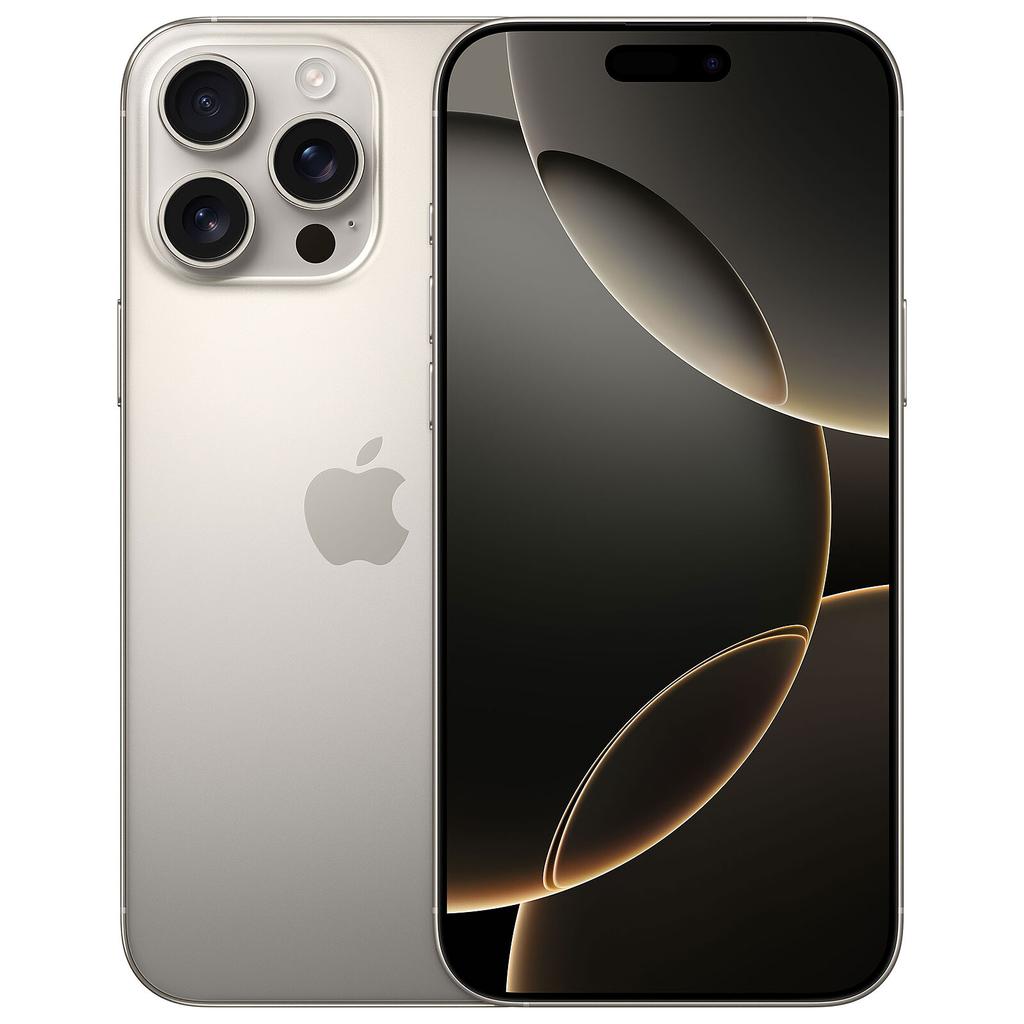
How Thick Will The iPhone 18 Pro Be?
Earlier reports put the iPhone 18 Pro and Pro Max at roughly 8.8mm to 9mm thick. Newer claims point to a much chunkier phone, but those figures are far less certain.
Expected iPhone 18 Pro Thickness
| Model | Reported thickness | Current status |
|---|---|---|
| iPhone 18 Pro | Around 8.8mm to 9mm in earlier reports | Plausible, not confirmed |
| iPhone 18 Pro | Around 9.9mm to 10.9mm in a newer claim | Much less certain |
| iPhone 18 Pro Max | Around 8.8mm to 9mm in earlier reports | Supported by several leaks |
| Rear camera platform | Could grow by roughly 0.3mm to 2mm | Measurements differ between sources |
Why It Could Be Thicker
- New variable-aperture main camera
- Larger camera assembly
- Bigger battery, particularly inside the Pro Max
- Updated vapour-chamber cooling
- New A20 Pro processor and memory packaging
- More internal room for heat management
A change from 8.75mm to 9mm is almost impossible to care about in normal use. The added weight and larger camera platform are more likely to be noticed than an extra quarter of a millimetre across the body.
Even a move towards 10mm would be acceptable if it gives the phone better battery life, cooler sustained performance and a more capable camera.
Apple’s iPhone 18 Pro could be thicker than the iPhone 17 Pro. Possibly much thicker, if one recent leak is accurate.
Before anybody starts acting like Apple is about to release a house brick, though, we need to put the numbers into context.
The more conservative reports place the iPhone 18 Pro and Pro Max somewhere around 8.8mm to 9mm thick. That would make them only 0.05mm to 0.25mm thicker than the current iPhone 17 Pro models.
A newer claim goes considerably further, suggesting a body thickness somewhere between 9.9mm and 10.9mm, with a thicker camera platform on the back.
That second figure would be a big change by iPhone standards. It is also far less certain and does not line up neatly with earlier measurements, alleged case compatibility or the relatively small battery increase expected inside the smaller iPhone 18 Pro.
So, yes, Apple’s next Pro iPhones are likely to get thicker. But until somebody produces reliable CAD files or Apple publishes the specifications, we should treat the wildest figures with caution.
And even if the final phone lands near 10mm? It still probably will not matter.
How Thick Will The iPhone 18 Pro Be?
Apple has not published dimensions for the iPhone 18 Pro or iPhone 18 Pro Max.
Current reporting gives us two very different possibilities.
The Conservative Estimate: 8.8mm To 9mm
Earlier leaks placed the iPhone 18 Pro Max at approximately 8.8mm to 9mm thick.
The iPhone 17 Pro and iPhone 17 Pro Max both measure 8.75mm, according to Apple’s published specifications. On that basis:
- An 8.8mm iPhone 18 Pro would be only 0.05mm thicker
- A 9mm iPhone 18 Pro would be 0.25mm thicker
You are not noticing 0.05mm. I am not noticing 0.05mm. Nobody outside a measurement laboratory is noticing 0.05mm.
Even 0.25mm is tiny. A sheet of ordinary printer paper is roughly 0.1mm thick, so we are talking about approximately two and a half sheets of paper added to the phone’s depth.
Put a case on it and the difference disappears completely.
The Bigger Claim: 9.9mm To 10.9mm
A later report based on information from Chinese leaker Fixed Focus Digital suggested the iPhone 18 Pro body could land somewhere around 9.9mm to 10.9mm.
That would make it between 1.15mm and 2.15mm thicker than the iPhone 17 Pro.
Now that would be noticeable. A 10.9mm iPhone would be roughly 25% thicker than the iPhone 17 Pro before accounting for the camera platform.
The same source linked the added depth to the aluminium mid-frame and redesigned rear camera assembly. It also claimed the camera section could grow by around 2mm.
There are reasons to remain sceptical:
- Earlier leaks point to a much smaller change
- Alleged iPhone 18 Pro cases suggest broadly similar external dimensions
- The smaller Pro is not expected to receive a major battery-capacity increase
- Body thickness and maximum camera-platform thickness are sometimes mixed together in unofficial measurements
- Pre-release measurements can come from cases, dummy units or partial engineering drawings rather than finished phones
The 9.9mm to 10.9mm range cannot be dismissed, but it should not be treated as settled fact.
iPhone Pro Thickness Compared By Generation
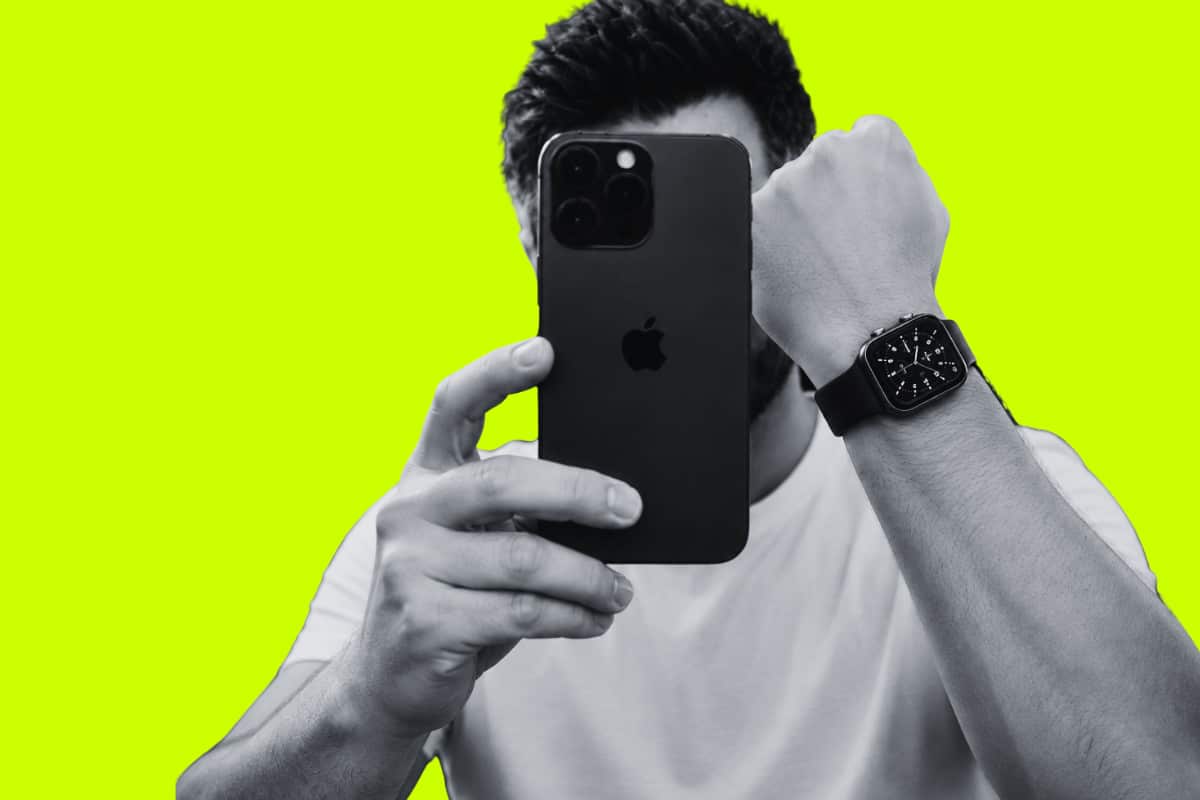
Here is how Apple’s recent Pro models compare using official measurements for released phones and reported figures for the iPhone 18 Pro.
| Model | Body Thickness | Change From Previous Pro Generation |
| iPhone 14 Pro | 7.85mm | 0.20mm thicker than iPhone 13 Pro |
| iPhone 15 Pro | 8.25mm | 0.40mm thicker |
| iPhone 16 Pro | 8.25mm | No change |
| iPhone 17 Pro | 8.75mm | 0.50mm thicker |
| iPhone 18 Pro | 8.8mm to 9mm reported | 0.05mm to 0.25mm thicker |
| iPhone 18 Pro | 9.9mm to 10.9mm alternative claim | 1.15mm to 2.15mm thicker |
The trend is obvious. Apple’s Pro iPhones have already become thicker.
The iPhone 14 Pro was 7.85mm. The iPhone 17 Pro is 8.75mm. That is an increase of 0.9mm across three generations, yet it has not stopped people carrying these phones or fitting them into ordinary pockets.
Thickness only becomes irritating when it combines with excessive width, sharp edges and weight. A slightly thicker phone with rounded edges can feel better in the hand than a thinner phone with an awkward shape.
iPhone Pro Max Thickness Compared
The Pro Max has followed a similar path.
| Model | Body Thickness | Weight |
| iPhone 14 Pro Max | 7.85mm | 240g |
| iPhone 15 Pro Max | 8.25mm | 221g |
| iPhone 16 Pro Max | 8.25mm | 227g |
| iPhone 17 Pro Max | 8.75mm | 231g |
| iPhone 18 Pro Max | Around 8.8mm to 9mm reported | Around 240g reported |
The iPhone 18 Pro Max is expected to retain its 6.9-inch display. It should not become dramatically taller or wider.
The more relevant figure may be weight. Reports place it around 240g, approximately 9g heavier than Apple’s published 231g figure for the iPhone 17 Pro Max.
That returns the phone to iPhone 14 Pro Max territory. People who found that model tiring to hold one-handed may notice the extra mass. They are far less likely to notice 0.25mm of additional body depth.
Our wider guide to iPhone 18 screen sizes and dimensions compares the expected footprint of every model.
Why Is Apple Making The iPhone 18 Pro Thicker?
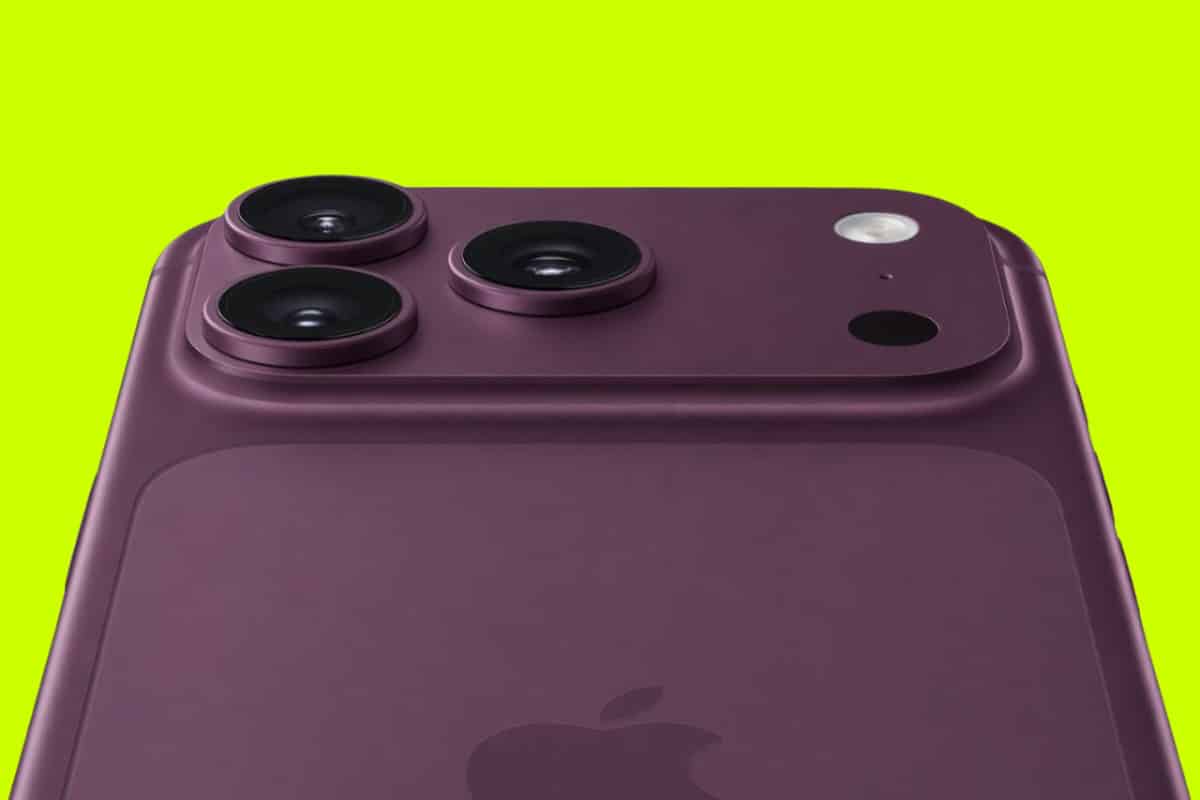
Apple has not confirmed that it is. Based on the reported hardware, however, there are several sensible explanations.
1. The Variable-Aperture Camera Needs More Room
The iPhone 18 Pro and Pro Max are widely expected to introduce Apple’s first variable-aperture main camera.
Current iPhone cameras use a fixed physical aperture. The opening through which light reaches the sensor does not change size. Exposure is managed using shutter speed, sensor sensitivity and computational processing.
A variable aperture adds a mechanism that can physically widen or narrow that opening.
A wider setting can gather more light in dark conditions. A narrower setting can keep more of a scene in focus and give the camera greater control in bright environments.
The potential benefits include:
- Better control over depth of field
- More natural-looking close-ups
- Greater flexibility in strong sunlight
- Better handling of bright highlights
- More choice when shooting video
- Less dependence on software-created background blur
The mechanism needs physical space. It adds moving parts, supporting components and a more involved lens assembly.
One report claims the variable-aperture module costs Apple around 50% more than its current fixed-aperture lens. A thicker camera platform would therefore make sense.
Read our iPhone 18 Pro variable-aperture camera guide for a closer look at how the system should work.
2. The Pro Max Is Expected To Get A Much Bigger Battery
The iPhone 18 Pro Max may receive one of the largest battery increases in recent iPhone history.
Reported capacities include:
- 5,567mAh for the US eSIM-only model
- 5,391mAh for versions containing a physical SIM tray
That would add roughly 479mAh to 568mAh compared with the equivalent iPhone 17 Pro Max versions.
Batteries are physical objects. Software cannot compress another 500mAh into the same space through positive thinking.
Apple can use a denser cell, rearrange internal parts and remove the SIM tray in certain markets. Eventually, though, the easiest way to fit more battery is to provide more internal volume.
An extra 0.25mm across the full area of a 6.9-inch phone creates more usable space than the number initially suggests.
This could lead to genuinely better endurance, especially when combined with the more efficient A20 Pro chip, C2 modem and LTPO+ display.
Our iPhone 18 battery guide compares every reported capacity.
The Smaller Pro Is Different
The iPhone 18 Pro is only expected to receive a tiny battery increase:
- 4,288mAh for the US model, up approximately 0.8%
- 4,056mAh for the physical-SIM model, up approximately 1.7%
That is why the largest thickness rumours are harder to explain for the smaller phone.
Its added depth may be driven more by the camera system and cooling hardware than battery capacity. Alternatively, the biggest leaked measurement may refer partly to the camera platform rather than the main chassis.
3. Apple Is Reportedly Changing The Cooling System
Modern phone processors can be extremely fast for short periods. The real challenge is holding that speed without producing too much heat.
The iPhone 18 Pro models are expected to use Apple’s A20 Pro processor, produced on TSMC’s 2nm process. It should be more efficient than previous chips, but it will also power more demanding camera processing, games and on-device AI.
Reports point to a revised vapour chamber using stainless steel. A vapour chamber spreads heat away from the processor across a larger area, helping the phone remain cooler and maintain performance for longer.
You are most likely to benefit when:
- Recording long, high-resolution videos
- Playing demanding games
- Editing photographs or video
- Using the camera in hot weather
- Running large AI models
- Exporting a project
- Using navigation while charging
A thin phone that becomes hot and dims its screen is not a better product than a slightly thicker phone that holds its performance.
4. The A20 Pro And RAM May Be Packaged Differently
Apple is expected to use wafer-level multi-chip module packaging for the A20 Pro.
This can place the processor and memory closer together, reducing the distance information travels and helping with efficiency. It also changes the layout and thermal requirements of the main logic board.
It does not automatically require a thicker phone. The new package may actually save board space. But Apple has to balance that package with cooling, cameras, battery, modem hardware and structural support.
You can read our A20 and A20 Pro guide for the expected differences between the two chips.
5. Apple May Be Prioritising Function Over Thinness
Apple already has a thin-phone range.
The iPhone Air exists for buyers who care about minimal thickness and weight. The Pro models have a different job. They need to house Apple’s best cameras, fastest processor, strongest cooling and longest-lasting batteries.
Trying to make the Pro as thin as the Air would force compromises in precisely the areas Pro buyers are paying for.
That makes a thicker iPhone 18 Pro fairly easy to defend. Let the Air chase thinness. Let the Pro fit the hardware.
Will The Camera Bump Get Thicker Too?
Almost certainly, if the variable-aperture report is correct.
Apple’s published body-thickness figure normally does not include the raised camera section. This is why two phones listed at the same depth can look very different from the side.
Dummy-unit reports suggest the iPhone 18 Pro Max camera platform could reach approximately 11.54mm, compared with around 11.23mm on the iPhone 17 Pro Max.
Another leak claims a much larger increase of roughly 2mm. The disagreement may come from where each source measures the phone:
- Main body only
- Body plus camera platform
- Top of the lens rings
- Camera housing attached to an unfinished dummy
The camera section matters more on a table than in your hand. A larger platform can make the phone rock when you tap the screen while it is lying flat.
A case normally fills part of the height difference and reduces that movement, although it also increases the total thickness further.
Would A 10mm iPhone Actually Be Too Thick?
No.
Ten millimetres sounds enormous only because phone marketing has spent years teaching us that thinner is automatically better.
In practice, plenty of phones, handheld devices and cases end up around or beyond that figure. Most people put a case measuring 1mm to 2mm around their iPhone anyway.
Imagine two versions of the same phone:
Option A
- 8.5mm body
- Smaller battery
- More camera protrusion
- Gets hotter during games and video
- Needs charging earlier
Option B
- 10mm body
- Larger battery
- Better thermal performance
- More capable camera
- Flatter transition into the camera platform
I would take Option B every time.
Thinness is nice when it does not cost anything. Once it starts hurting battery life, cooling or camera hardware, it stops being a benefit.
What Will You Notice In Normal Use?
If the final thickness is around 8.8mm to 9mm, probably nothing.
The phone will still fit in the same kinds of pockets, bags, car mounts and charging stands. Existing cases may not fit because camera and button positions can change, but 0.25mm itself is not the problem.
You are more likely to notice:
- The phone’s total weight
- How balanced it feels in one hand
- Whether the camera platform makes it top-heavy
- The shape of the frame edges
- How thick your chosen case is
If the body really reaches 10.9mm, you will feel the difference beside an iPhone 17 Pro. It still will not make the phone unusable. The smaller Pro would remain much easier to handle than a wider Pro Max.
A Case Changes The Whole Argument
Most iPhone owners use a case.
A typical protective case adds more depth than the likely year-to-year chassis increase. It can also change the grip, edge shape and weight distribution more than Apple’s frame does.
That means somebody comparing 8.75mm with 9mm while planning to install a chunky protective case is worrying about the wrong number.
Case compatibility is still worth checking. Even if the main body dimensions remain close, a thicker camera area or shifted microphone can prevent an iPhone 17 Pro case from fitting the iPhone 18 Pro properly.
Do not buy a new case based on a leak. Wait for confirmed dimensions and model-specific accessories.
Does Extra Thickness Mean Better Battery Life?
For the Pro Max, it probably should.
Its reported battery increase is large enough to matter. The A20 Pro, C2 modem and newer display may then reduce how quickly that larger battery is drained.
The smaller Pro is less clear. Its alleged battery-capacity increase is tiny, so most endurance gains would need to come from efficiency rather than physical size.
Apple could also use the added room to improve thermal behaviour. A cooler battery and processor can perform more consistently, particularly during gaming, camera use and charging.
Do not assume every extra millimetre is filled with battery. Camera hardware, cooling plates, antennas, structural parts and the logic board all compete for the same space.
Will The iPhone 18 Pro Be Heavier?
Probably.
The strongest weight claim concerns the iPhone 18 Pro Max, which could reach approximately 240g. Apple’s iPhone 17 Pro Max weighs 231g.
Nine grams is not a disaster, but weight is easier to feel than a quarter-millimetre thickness change. It can become noticeable during long reading sessions, filming, gaming or one-handed use.
Apple’s aluminium frame is lighter than the stainless steel previously used on Pro models. That helps offset some of the extra battery, cooling and camera mass.
If you dislike heavy phones, choose the smaller Pro. Do not buy the Pro Max solely because it has the largest screen and then complain that it feels like a paving slab.
Is A Thicker iPhone More Durable?
Not automatically.
Thickness can provide more room for internal bracing and may reduce the pressure to make every component extremely thin. Durability still depends on frame material, glass, internal construction and how forces travel through the chassis.
A larger camera platform also creates another raised area that can take an impact.
Wait for drop, bend and repair testing before drawing conclusions. A number on a specification sheet cannot tell you how well the finished phone survives an accident.
Should Thickness Affect Your Buying Decision?
No, unless Apple confirms something at the very top of the rumoured range and you already dislike bulky phones.
Use these factors instead:
- Battery life: Does the phone last longer than your current model?
- Weight: Can you comfortably hold it for long periods?
- Camera: Will you use the new variable aperture?
- Size: Do you prefer the 6.3-inch Pro or 6.9-inch Pro Max?
- Price: Are the upgrades worth the reported increase?
- Case: How much extra bulk will your case add?
Body thickness should sit near the bottom of that list.
You Do Not Need The iPhone 18 Pro To Get A Pro iPhone
The iPhone 18 Pro is expected to be expensive, and its extra thickness will not suddenly make previous Pro generations obsolete.
A refurbished iPhone 15 Pro, iPhone 15 Pro Max, iPhone 16 Pro or iPhone 16 Pro Max still gives you a 120Hz ProMotion display, excellent cameras, USB-C, Apple Intelligence support and years of iOS updates for far less.
That is worth considering if you want Pro hardware but do not need a variable-aperture camera or Apple’s newest processor.
- Compare refurbished Apple phones
- Browse refurbished phones by model
- Find the best model for your budget
Recent refurbished Pro models can save 35% to 50% against their original prices. You get the same hardware and software support assigned to that model, while somebody else has already absorbed the steepest depreciation.
Bottom Line: Does iPhone 18 Pro Thickness Matter?
No. Not unless the most extreme leak proves correct and you already struggle with heavy phones.
The likely outcome is an iPhone 18 Pro generation measuring somewhere around 8.8mm to 9mm thick. That is a tiny change from the 8.75mm iPhone 17 Pro and Pro Max.
The 9.9mm to 10.9mm claim is more dramatic, but it remains unconfirmed and conflicts with earlier reporting. It may also involve confusion between the main chassis and the raised camera section.
More importantly, thickness is not being added for a laugh. Apple reportedly needs room for a variable-aperture camera, larger Pro Max battery, revised cooling and new internal hardware.
If those changes produce longer battery life, better sustained performance and a more flexible camera, an extra millimetre or two is a perfectly reasonable trade.
Nobody wants a thicker phone for the sake of it. But nobody wants a paper-thin flagship that dies at 5pm and cooks itself while recording video either.
Buying tools
Thinking About Buying an iPhone?
Compare current refurbished prices, see how it stacks up against alternatives, and avoid overpaying for the wrong model.
Recommended for this article