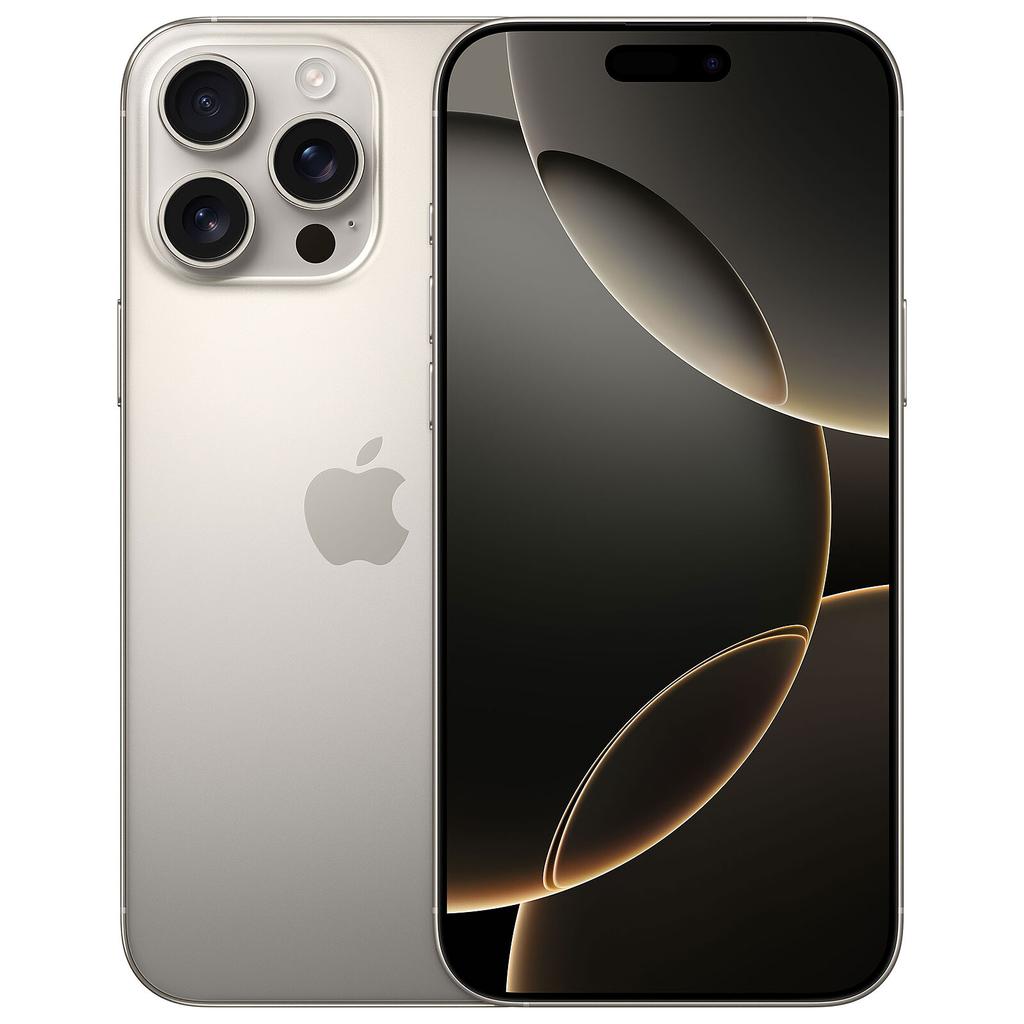
iPhone 18 Pro C2 Chip: What You Need To Know
The C2 is Apple’s expected second-generation cellular modem. It will not make apps run faster, but it could improve 5G performance, battery efficiency, weak-signal reception and satellite connectivity.
| Question | Current answer |
|---|---|
| What is the C2? | Apple’s expected second-generation in-house cellular modem |
| What does it do? | Manages 4G, 5G, carrier connections, mobile data and some satellite communications |
| Is it the iPhone’s processor? | No. The A20 Pro is the main processor. C2 handles cellular connectivity. |
| What could improve? | Battery efficiency, 5G speed, weak-signal behaviour, mmWave support and satellite connectivity |
| Which phones are expected to get it first? | iPhone 18 Pro and iPhone 18 Pro Max |
| Will every Pro model use C2? | Not certain. One report says US models may retain Qualcomm modems. |
| Could other iPhones get it? | Yes. The iPhone Ultra, iPhone 18, iPhone 18e and possibly iPhone Air 2 have also been linked with C2. |
| Is any of this confirmed by Apple? | No, not yet |
What it means for you: C2 could make the iPhone 18 Pro more dependable away from Wi-Fi and slightly easier on its battery. The improvements are likely to be practical rather than dramatic.
Apple’s C2 chip could be one of the most useful iPhone 18 Pro upgrades, even though you’ll never see it and probably won’t find yourself talking about it after buying the phone.
The C2 is Apple’s next-generation cellular modem. It handles the connection between your iPhone and a mobile network, including 4G, 5G and, according to current reports, a new form of satellite-based 5G.
In practical terms, it could help the iPhone 18 Pro hold a signal more reliably, use less battery on mobile data and deliver faster 5G in supported areas. It would also move Apple another step away from the Qualcomm modems used in most recent flagship iPhones.
There is a catch, though. Apple hasn’t announced the C2, its specifications remain unconfirmed and one report claims US iPhone 18 Pro models could still use Qualcomm hardware.
Here’s what we know, what remains uncertain and what the C2 could mean when the iPhone 18 Pro and iPhone 18 Pro Max arrive.
What Is The Apple C2 Chip?
The C2 is Apple’s rumoured second-generation 5G modem.
A modem is the part of a phone that communicates with cellular networks. When your iPhone connects to 4G or 5G, switches between network bands, places a call through your carrier or shares its data connection as a hotspot, the modem is doing much of the work.
It is not the same thing as the A20 Pro.
The A20 Pro will be the iPhone 18 Pro’s main system-on-chip. It runs iOS, apps, games, camera processing and local AI tasks. The C2 has a narrower job: keeping the phone connected to a mobile network without wasting power.
Apple is also expected to use an N-series wireless chip for Wi-Fi, Bluetooth and Thread. That is separate again.
The easiest way to think about the three chips is this:
| Chip | Main job |
| A20 Pro | Runs the phone, apps, graphics, camera processing and AI |
| C2 | Handles cellular connectivity, including 4G and 5G |
| N-series wireless chip | Handles Wi-Fi, Bluetooth and Thread |
These systems work together, but they are not interchangeable. A faster A20 Pro won’t fix a poor cellular connection. That is where C2 comes in.
The C2 Is Apple’s Second Attempt At An iPhone Modem
Apple introduced its first in-house modem, the C1, in the iPhone 16e in February 2025.
That launch mattered because Apple had spent years relying on Qualcomm for its flagship iPhone modems. Apple bought the majority of Intel’s smartphone-modem business in 2019, bringing around 2,200 employees and a large collection of patents into the company.
The project took longer than many expected. Cellular modems are extremely difficult to build because they have to work across many frequencies, carrier configurations and countries while using as little power as possible.
Apple said it tested the C1 with 180 carriers across 55 countries. It also called C1 the most power-efficient modem it had put in an iPhone.
The original C1 had one obvious omission: it did not support mmWave 5G.
Apple followed it with the C1X in the iPhone Air and iPhone 17e.
According to Apple’s own figures, C1X offered up to twice the cellular performance of C1 and used 30% less energy than the modem in the iPhone 16 Pro when using the same cellular technologies.
The C2 is expected to take the next step. This is the version intended to compete in Apple’s expensive Pro phones, where buyers expect full network support and no obvious compromise.
What Will The C2 Modem Actually Do?
At its most basic level, C2 will connect an iPhone to a carrier network.
That sounds mundane, but your modem is constantly working whenever you are away from Wi-Fi. It finds available networks, negotiates a connection, chooses suitable bands, moves between towers and adjusts its radio power as signal conditions change.
C2 is expected to manage:
- 4G LTE connections
- Sub-6GHz 5G
- mmWave 5G, where available
- Voice calls over cellular networks
- Mobile data
- Personal Hotspot connections
- Roaming between carriers and regions
- Handover between network bands and towers
- Location and emergency functions tied to cellular networks
- Some satellite communications
You won’t open a C2 app or turn the modem on manually. If it works properly, it should disappear into the background.
And that is really the point. A good modem is something you barely notice.
Why Would Anyone Want The C2?
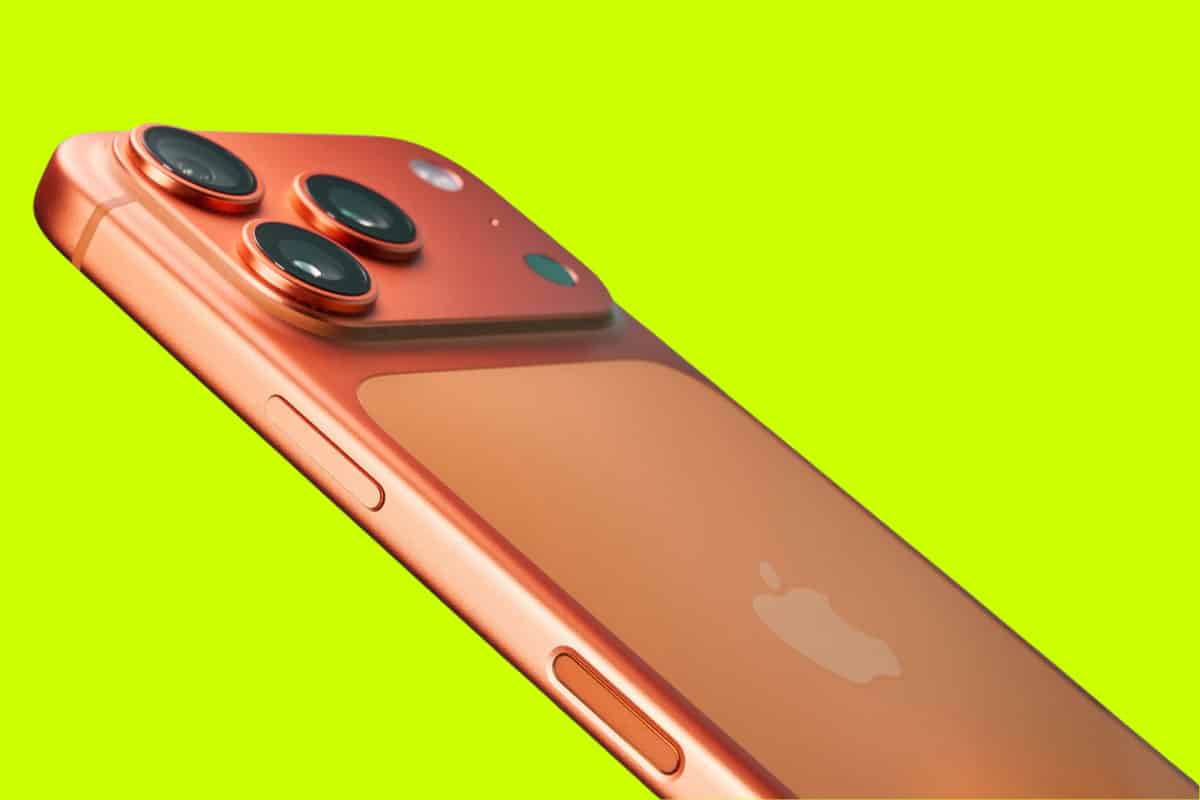
Nobody needs a new iPhone simply because it contains a modem with a new name.
What matters is whether that modem improves the parts of phone ownership that can still be irritating: weak reception, rapid battery drain on 5G, inconsistent speeds and dead zones.
1. Better Battery Life On Mobile Data
Cellular connectivity can use a surprising amount of energy, especially when signal quality is poor.
If you are near a strong tower, the modem can maintain its link without working particularly hard. In an area with weak reception, it may raise transmission power and repeatedly search for a better network. That extra work costs battery.
Apple’s C1 and C1X were built with efficiency as a main selling point. C2 is expected to continue that work while supporting more network types.
This could matter when you are:
- Commuting while streaming music or video
- Using maps and navigation for several hours
- Sharing a 5G connection through Personal Hotspot
- Travelling through patchy rural coverage
- Uploading large photos or videos
- Using an iPhone in a busy city where it moves between cells frequently
Do not expect the modem alone to add several days of battery life. It is one part of the system. The display, A20 Pro, battery capacity, cameras and iOS 27 all affect runtime.
Still, a modest efficiency gain can become noticeable over a full day, especially for someone who spends little time on Wi-Fi. Our iPhone 18 battery guide covers the other changes expected across the range.
2. Full mmWave 5G Support
The first C1 modem did not support mmWave. C2 is widely expected to add it.
5G broadly uses two kinds of spectrum:
- Sub-6GHz: Wider coverage and better reach, but generally lower peak speeds
- mmWave: Very high speeds over a short distance, with poor performance through walls and other obstacles
mmWave is most relevant in the United States. It can be extremely fast in supported stadiums, airports and dense city areas, but its limited range means it is not the form of 5G most people use every day.
Adding mmWave would still matter because the iPhone 18 Pro is a flagship. Buyers spending Pro money will not expect Apple’s own modem to remove a network feature that Qualcomm-powered iPhones already support.
3. More Reliable Connections
Peak download speed makes an easy headline, but connection stability is usually more useful.
A modem has to decide which bands to use, when to aggregate several bands and how to move between towers without dropping the connection. Small improvements here could mean fewer stalled web pages, more dependable calls and less buffering when coverage is changing.
We do not have dependable C2 test results yet. Apple hasn’t published its supported bands, maximum theoretical speeds or carrier-aggregation setup.
The sensible expectation is better performance than C1 and C1X, not perfect reception everywhere. A modem cannot create coverage where a carrier has no tower, and it cannot fix congestion caused by thousands of people sharing the same network.
4. 5G Satellite Connectivity
One of the more interesting C2 reports concerns NR-NTN support.
NR-NTN stands for New Radio Non-Terrestrial Networks. In plain English, it is a 5G standard that allows mobile devices and carrier networks to use non-ground-based infrastructure, including satellites.
Current iPhones already support features such as Emergency SOS via satellite. Those services are deliberately limited and designed around short messages or specific emergency tasks when normal coverage is unavailable.
C2 has been linked with a broader form of satellite connection built into the 5G standard. In time, that could support ordinary carrier services outside terrestrial coverage, rather than keeping satellite access inside a separate emergency interface.
There are several reasons not to get carried away yet:
- Apple has not confirmed NR-NTN support
- Carrier and satellite-provider support will be required
- Available services may differ by country
- Satellite bandwidth is more limited than normal 5G
- Initial use may be restricted to messages, calls or selected data functions
- Some services could require a paid plan
So, no, C2 probably won’t turn the iPhone 18 Pro into a satellite broadband terminal with fast internet everywhere on Earth.
It could, however, make the boundary between cellular and satellite coverage less obvious over the next few years. That would be genuinely useful to hikers, drivers, sailors and anyone living or working in poorly covered areas.
5. Tighter Control Over Hardware And iOS
Apple designs the iPhone’s processor, operating system and many supporting chips. Bringing the modem in-house gives it more control over another part of the device.
The company can tune the modem, A20 Pro, power-management system and iOS together. It can also plan future hardware around its own modem roadmap instead of waiting for an external supplier.
That could lead to:
- Better coordination between the modem and processor
- More precise control over power use
- Smaller internal components over time
- New cellular and satellite functions built directly into iOS
- Faster diagnosis of connectivity faults
- Less dependence on another company’s release timetable
The benefit will not necessarily arrive all at once with C2. This is a long-term hardware move.
Will C2 Make The iPhone 18 Pro’s 5G Faster?
Probably in some situations, but raw speed should not be the main reason to buy it.
C2 is expected to be faster than C1 and to support mmWave. That gives it a higher ceiling in compatible areas. It may also support newer carrier-aggregation arrangements that combine bands to raise throughput.
Your real speed will still depend on:
- Your carrier
- Your data plan
- Local spectrum and tower capacity
- Distance from the tower
- Buildings and terrain
- Network congestion
- Whether mmWave is available
A modem capable of several gigabits per second does not mean you will see those speeds at home or on the train.
For most users, the better outcome would be consistent performance: the phone holding a usable connection for longer and consuming less power while doing it.
Will C2 Improve Reception In Dead Zones?
Only to a point.
Better radio design and smarter network switching can help at the edge of coverage. NR-NTN support could also provide limited satellite service where no ground network exists.
But C2 cannot overcome every physical limit. If your carrier has no nearby infrastructure, normal mobile reception will still be unavailable. Thick walls, valleys, tunnels and local interference can still block signals.
Any claim that C2 will “end dead zones” should be treated with a large pinch of salt.
The realistic case is less dramatic: better weak-signal efficiency, fewer unnecessary connection drops and another route to basic service when terrestrial coverage disappears.
Which iPhone 18 Models Will Get The C2 Chip?
The iPhone 18 Pro and iPhone 18 Pro Max are the two models most consistently connected with C2.
Bloomberg’s Mark Gurman and analyst Jeff Pu have both said Apple’s second-generation modem is intended to debut in the Pro models. The expected release is September 2026.
The wider picture is less settled.
| Model | Expected C2 status | Expected release |
| iPhone 18 Pro | Strongly rumoured, possible regional split | September 2026 |
| iPhone 18 Pro Max | Strongly rumoured, possible regional split | September 2026 |
| iPhone Ultra / foldable iPhone | Expected by several reports | September 2026 |
| iPhone 18 | Expected, though not confirmed | Spring 2027 |
| iPhone 18e | Possible to likely | Spring 2027 |
| iPhone Air 2 | Possible, if the phone launches | Spring 2027 |
Apple is expected to split the generation across two launches. The Pro, Pro Max and foldable iPhone Ultra should arrive first. The standard iPhone 18, 18e and possibly Air 2 are then expected in spring 2027.
You can see how all six devices compare in our iPhone 18 models guide, or follow the wider schedule in our iPhone 18 release-date hub.
Could US iPhone 18 Pro Models Still Use Qualcomm?
Yes. This is the largest question hanging over C2.
A July 2026 report based on allegedly stolen manufacturing data claimed that US iPhone 18 Pro hardware contains Qualcomm components, while international versions use Apple’s C2 modem, codenamed Ganymede.
MacRumors noted that it had not reviewed the stolen files itself. The material was reportedly assessed by AppleInsider, which said it could authenticate several documents.
That is not enough to treat a regional split as confirmed.
There are several possible explanations:
- Apple may use Qualcomm in the US because of mmWave or carrier-certification requirements
- The documents may describe an older engineering configuration
- Apple may have tested both modem options before choosing one
- Different regional versions may genuinely use different hardware
Earlier Apple code reportedly listed iPhone 18 Pro configurations with both C1X and C2, which also suggests Apple tested more than one option during development.
Until Apple announces the phones or teardowns identify the production hardware, the safest wording is this: C2 is expected in the iPhone 18 Pro range, but it may not appear in every country.
C1 vs C1X vs C2: What Changes?
| Feature | C1 | C1X | C2, expected |
| First linked iPhone | iPhone 16e | iPhone Air | iPhone 18 Pro range |
| Designer | Apple | Apple | Apple |
| 5G Sub-6 | Yes | Yes | Expected |
| mmWave 5G | No | No | Expected |
| Relative performance | First generation | Up to 2x C1, according to Apple | Faster than earlier Apple modems expected |
| Efficiency | Apple called it its most efficient iPhone modem at launch | Apple says 30% less energy than iPhone 16 Pro modem for the same technologies | Further gains expected, no figure available |
| NR-NTN satellite support | No reported support | No reported support | Rumoured |
The C2’s job is not simply to produce a larger benchmark number. It needs to keep the efficiency gains of Apple’s earlier modems while adding the full network compatibility expected from a Pro iPhone.
That is a much harder test than putting C1 in the cheaper iPhone 16e.
Why Is Apple Replacing Qualcomm?
Control and cost are the obvious reasons.
Apple has spent years replacing outside components with chips designed internally. Its A-series processors replaced off-the-shelf application processors, Apple silicon replaced Intel chips in the Mac and the company now designs wireless, ultra-wideband and power-management parts.
An in-house modem allows Apple to:
- Reduce its long-term reliance on Qualcomm
- Avoid paying as much to an outside modem supplier
- Build cellular features around its own product schedule
- tune power consumption across the complete device
- Use shared modem technology across iPhone, iPad and other future products
This does not mean Qualcomm makes poor modems. Quite the opposite. Qualcomm is the standard Apple has to meet, particularly in difficult network conditions and mmWave performance.
Apple’s supply agreement with Qualcomm runs into 2027, so the company has room to move gradually. A mixed Apple-and-Qualcomm iPhone 18 range would fit that transition.
Will Normal People Notice The C2?
Most people will not notice the chip itself. They may notice its results.
You are most likely to see a difference if you:
- Spend much of the day on 5G rather than Wi-Fi
- Regularly travel through weak-signal areas
- Use Personal Hotspot heavily
- Live somewhere with mmWave coverage
- Need satellite safety features
- Keep an iPhone for several years as carrier networks change
If you live and work under strong Sub-6GHz coverage, connect to Wi-Fi most of the day and already get good battery life, C2 may make little visible difference.
That is not a failure. Modems are infrastructure. The best ones quietly connect, switch networks and manage power without demanding attention.
Is C2 A Good Reason To Buy The iPhone 18 Pro?
On its own, no.
Nobody should spend well over $1,000 merely to own Apple’s second-generation modem. The iPhone 18 Pro buying case will depend on the complete package: A20 Pro performance, cameras, battery life, display, design and price.
C2 could strengthen that package if it delivers three things:
- Qualcomm-level network compatibility
- Lower cellular power use
- Useful satellite functions without harming normal reception
If Apple misses the first one, the other two will matter less. A Pro phone needs dependable connectivity before it needs clever integration.
It is also worth waiting for independent tests. Modem performance cannot be judged properly from a launch presentation. It needs testing on several carriers, across strong and weak coverage, in different countries and over many hours of mobile-data use.
Do You Need To Wait For It?
Probably not.
If your current phone works and you already planned to buy an iPhone 18 Pro, C2 is a useful upgrade to watch. It could improve efficiency and prepare the phone for newer satellite-based carrier services during the years you own it.
If your current iPhone is broken, unreliable or badly overdue for replacement, waiting purely for C2 makes less sense. Existing Pro iPhones already offer fast 5G, dependable reception and years of iOS support.
Refurbished iPhones can offer particularly good value because Apple supports its phones for years. A recent refurbished Pro model gives you the better cameras, 120Hz display and flagship performance without paying expected iPhone 18 Pro launch pricing.
You can compare current options through Know Your Mobile’s refurbished Apple store, browse the wider refurbished collections or use the Phone Finder to narrow the list by price and specification.
The Bottom Line
The C2 could be a very good iPhone 18 Pro upgrade, just not a flashy one.
It should be Apple’s first home-grown modem ready for its flagship phones, with faster 5G, mmWave support, lower power use and possible NR-NTN satellite connectivity. If Apple gets it right, users may see better battery life away from Wi-Fi, steadier connections and more useful service outside normal coverage.
The iPhone 18 Pro and Pro Max remain the safest bets for its debut. The iPhone Ultra, standard iPhone 18, 18e and Air 2 have also been linked with it, but those details are less firm. US Pro models may even retain Qualcomm hardware while C2 ships elsewhere.
So the answer is not that C2 will magically give everyone faster internet. The real promise is more dependable, more efficient connectivity built around Apple’s own hardware and software.
That sounds boring. In daily use, it could matter more than another benchmark win.
Sources & Side Quests
- Apple: Introducing C1 with the iPhone 16e
- Apple: C1X performance and efficiency in iPhone Air
- MacRumors: C2 expected to debut in iPhone 18 Pro
- MacRumors: C2, mmWave and iPhone 18 Pro
- MacRumors: Rumoured C2 support for 5G satellite connectivity
- MacRumors: Reported US Qualcomm and international C2 split
- Reuters: Apple’s first in-house modem and its move away from Qualcomm
Buying tools
Thinking About Buying an iPhone?
Compare current refurbished prices, see how it stacks up against alternatives, and avoid overpaying for the wrong model.
Recommended for this article