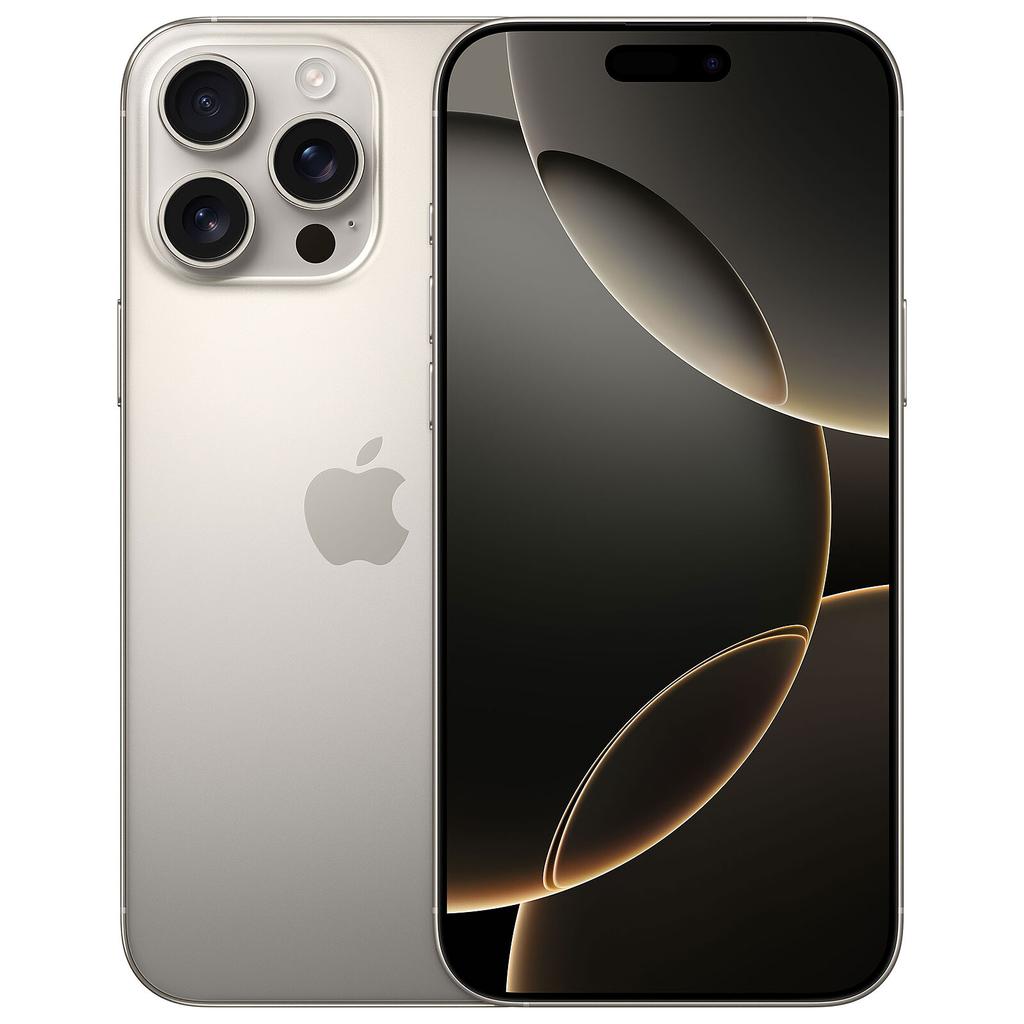
Every iPhone from the iPhone 7 onwards ships without a 3.5mm headphone jack. Apple removed it in 2016 and has never looked back.
If you use a modern iPhone, you’re using wireless audio or a Lightning/USB-C adapter. The last iPhones with a built-in jack were the iPhone 6s and 6s Plus, released in 2015.
If you’re shopping for a quality refurbished iPhone and audio connectivity matters to you, this guide tells you exactly where the cutoff sits, and what your options are.
Which iPhones Have A Headphone Jack?
Every iPhone up to and including the 6s generation shipped with a 3.5mm port. None of them are in active iOS support anymore and none would be recommended as daily drivers in 2026.
| Model | Year | iOS Support (2026) |
|---|---|---|
| iPhone (original) | 2007 | ❌ End of life |
| iPhone 3G | 2008 | ❌ End of life |
| iPhone 3GS | 2009 | ❌ End of life |
| iPhone 4 | 2010 | ❌ End of life |
| iPhone 4S | 2011 | ❌ End of life |
| iPhone 5 | 2012 | ❌ End of life |
| iPhone 5c | 2013 | ❌ End of life |
| iPhone 5s | 2013 | ❌ End of life |
| iPhone 6 | 2014 | ❌ End of life |
| iPhone 6 Plus | 2014 | ❌ End of life |
| iPhone 6s | 2015 | ❌ End of life |
| iPhone 6s Plus | 2015 | ❌ End of life |
| iPhone SE (1st gen) | 2016 | ❌ End of life |
The iPhone SE (1st gen) was the last Apple phone to ship with a 3.5mm port — launching in early 2016, the same year the iPhone 7 killed it entirely.
Which iPhones Don’t Have A Headphone Jack?
Every iPhone from the 7 onwards removed the 3.5mm port. These models use Lightning (iPhone 7 through 15 standard/Plus) or USB-C (iPhone 15 Pro onwards) for wired audio — or Bluetooth for wireless.
| Model | Year | Connector |
|---|---|---|
| iPhone 7 / 7 Plus | 2016 | Lightning |
| iPhone 8 / 8 Plus | 2017 | Lightning |
| iPhone X | 2017 | Lightning |
| iPhone XS / XS Max | 2018 | Lightning |
| iPhone XR | 2018 | Lightning |
| iPhone 11 / 11 Pro / 11 Pro Max | 2019 | Lightning |
| iPhone SE (2nd gen) | 2020 | Lightning |
| iPhone 12 Mini / 12 / 12 Pro / 12 Pro Max | 2020 | Lightning |
| iPhone 13 / 13 Mini / 13 Pro / 13 Pro Max | 2021 | Lightning |
| iPhone SE (3rd gen) | 2022 | Lightning |
| iPhone 14 / 14 Plus / 14 Pro / 14 Pro Max | 2022 | Lightning |
| iPhone 15 / 15 Plus | 2023 | Lightning |
| iPhone 15 Pro / 15 Pro Max | 2023 | USB-C |
| iPhone 16 / 16 Plus / 16 Pro / 16 Pro Max | 2024 | USB-C |
| iPhone 16e | 2025 | USB-C |
| iPhone 17 / 17 Air / 17 Pro / 17 Pro Max | 2025 | USB-C |
When Did Apple Ditch The Headphone Jack — And Why?
Apple pulled the jack with the iPhone 7 in 2016, citing the 3.5mm standard as archaic technology unsuited to a wireless-first world. The backlash was significant. It didn’t matter.
This was a pattern Apple had run before: dropping the floppy drive from the original iMac in 1998, eliminating the DVD drive from MacBooks with the first MacBook Air, removing legacy USB-A ports across the entire MacBook lineup. Each time, the industry followed within a few years.
Wireless headphones weren’t mainstream in 2016. They are now. The AirPods Apple launched alongside the jack-less iPhone 7 have since become one of the best-selling consumer electronics products in history. Samsung, Google, Sony, and every other major manufacturer followed with their own truly wireless earbuds.
Apple did include a pair of Lightning EarPods in the box as a concession — but stopped including any earbuds at all from the iPhone 12 generation onwards.
Does The Headphone Jack Matter When Buying Refurbished?
Practically speaking, no — but the connector type does matter, and it’s worth understanding before you buy.Lightning vs USB-C: The Refurbished Buyer’s Decision
iPhones split into two camps in terms of wired connectivity:
- Lightning port (iPhone 7 through iPhone 15 standard/Plus): You’ll need Lightning headphones, a Lightning-to-3.5mm adapter, or Bluetooth. Lightning accessories are widely available and cheap, but the connector is being phased out.
- USB-C port (iPhone 15 Pro, all iPhone 16 and 17 models): USB-C opens up a much wider ecosystem of accessories and is the universal standard across Android, laptops, and tablets. If you already own USB-C audio gear, this matters.
For most buyers, this is a non-issue — AirPods or any Bluetooth headphones work identically across all modern iPhones. But if you use wired in-ear monitors for music production or wired headphones on a commute, factor the adapter cost (around £5–£10) into your budget calculation.
The Refurbished Audio Sweet Spot
The iPhone 13 Pro and iPhone 14 series represent a particularly strong proposition for audio-conscious buyers.
Both generations use the Lightning connector, are still fully supported on the latest iOS, and can be found at significantly reduced prices versus new.
The iPhone 13 Pro in Sierra Blue and the iPhone 14 in Blue are both strong options if budget is a factor — check our affordable refurbished phone picks for current pricing context.
If you want to future-proof your accessory ecosystem and move to USB-C, the iPhone 15 Pro and the entire iPhone 16 range are the ones to target:
- iPhone 15 Pro 128GB Unlocked in Natural Titanium
- iPhone 15 Pro 128GB Unlocked in Black Titanium
- iPhone 16 128GB Unlocked in Black
- iPhone 16 128GB Unlocked in White
- iPhone 16 Pro 256GB Unlocked in Natural Titanium
- iPhone 16 Pro Max 512GB Unlocked in White Titanium
Do Android Phones Still Have Headphone Jacks?
As of 2026, most mainstream Android flagships have followed Apple’s lead and dropped the 3.5mm port entirely. The Pixel and Galaxy S-series removed it years ago. A small number of devices still include it:
High-end holdouts:
- Sony Xperia 1 VII — the only traditional flagship keeping the jack, aimed squarely at audiophiles
- Asus ROG Phone 9/9 Pro — retained for competitive gaming, where Bluetooth latency is a genuine problem
- RedMagic 10 Pro — same rationale as the ROG Phone
Budget segment:
- Motorola Moto G Stylus 5G — jack, stylus, and expandable storage at mid-range pricing
- Samsung Galaxy A15 5G — increasingly rare as newer A-series models drop the port
- TCL 50 Pro Nxtpaper — paper-like matte display plus 3.5mm port
For context: if headphone jack availability is your primary filter, you’re looking at Sony or gaming-focused brands for anything flagship. That’s a meaningful limitation.
iPhones, for all the controversy around the removed jack, offer something Android’s fragmented ecosystem can’t easily match — consistent Bluetooth performance through Apple’s proprietary W-chip in AirPods, seamless device switching, and software-level audio calibration.
For users in the Apple ecosystem, it matters more than the jack ever did.
If you’re curious about how the software side of refurbished iPhones holds up long-term, the iOS update support lifespan guide covers exactly that. And for any other questions about buying pre-owned devices, the refurbished phone FAQ hub is a good starting point.
Know Your Mobile Verdict
Pro Tip: Don’t let the missing headphone jack put you off a refurbished iPhone. A Lightning-to-3.5mm adapter costs under £5 and works reliably with any standard wired headphones. The bigger connector consideration is Lightning vs USB-C — if you’re already in a USB-C household (laptops, tablets, Android devices), targeting a refurbished iPhone 15 Pro or iPhone 16 gives you one cable standard across everything you own.
Buying tools
Thinking About Buying an iPhone?
Compare current refurbished prices, see how it stacks up against alternatives, and avoid overpaying for the wrong model.
Recommended for this article