How Heavy Are iPhones? Lightest vs Heaviest — And What It Means For You
The lightest iPhone right now is the iPhone 17 Air at 165g. The heaviest are the iPhone 13 Pro Max and 14 Pro Max, both at 240g. If you want flagship size without new-phone pricing, a refurbished iPhone gets you last year’s hardware for a fraction of the cost.
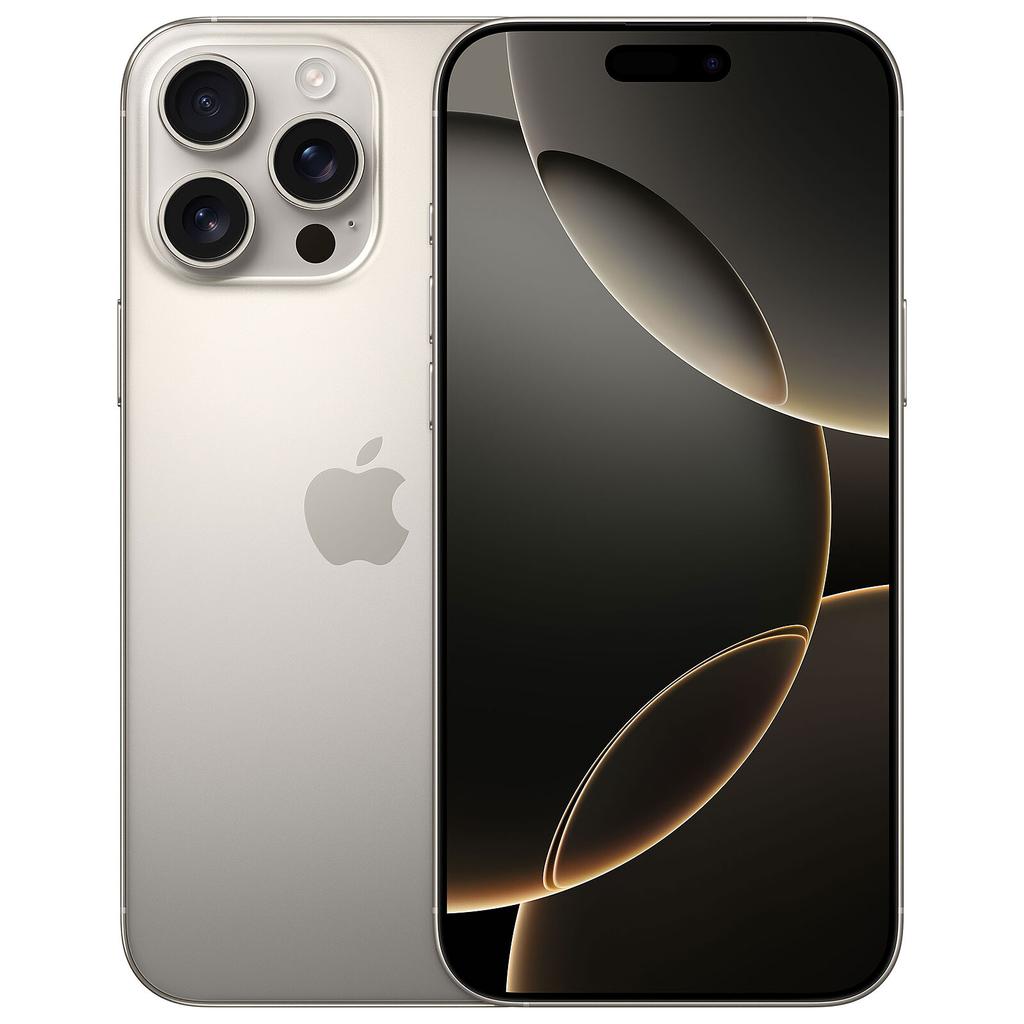
The refurbished iPhone 15 Pro Max 256GB weighs 221g thanks to its titanium frame — 19g lighter than the 14 Pro Max — and costs way less than a new iPhone 17 Pro Max.
The iPhone 15 256GB is our top overall pick for most buyers — refurbished or new. Sensible weight, sensible price, years of iOS support left.
Heavier often means a bigger battery. If light-in-hand matters more to you than all-day battery life, that’s a genuine trade-off — not just a spec difference.
Refurbished tip: The titanium switch on the iPhone 15 Pro Max is the biggest single weight drop in the Pro Max line. If you’re coming from a 14 Pro Max, you’ll feel it immediately.
Ever picked up a “new” phone and thought, wait, this feels like a brick? Or gone the other way and worried a phone feels too light, like it’s made of cheap plastic? Weight tells you more about an iPhone than most people realise. It’s tied to battery size, frame material, camera hardware, and how comfortable the thing is going to be in your pocket for the next three years.
Here’s the thing though. You don’t need to buy the newest iPhone to get last year’s weight and screen size. The iPhone 15 Pro Max already hit the lightweight titanium sweet spot back in 2023, and it’s now one of the best-value Apple phones you can buy refurbished. Let’s get into the actual numbers, then I’ll point you at the refurbished models that make the most sense in 2026.
Which iPhone Is the Lightest?
The iPhone 17 Air is the lightest large-screen iPhone ever made, at 165g with a 6.5-inch display and a 5.6mm profile. It beats the standard iPhone 16 (170g) and the base iPhone 17 (177g) while offering a bigger screen than both. It’s brand new though, so it isn’t in refurbished stock yet.
If you want that same lightweight feel today, the best refurbished alternative is the iPhone 16 256GB. At 170g it’s only 5g heavier than the Air, it’s fully unlocked, and it’s already discounted as a certified refurbished handset.
Lightest iPhones, Ranked
| Model | Weight | Screen | Refurbished Now? |
|---|---|---|---|
| iPhone 17 Air | 165g | 6.5″ | Not yet, too new |
| iPhone 16 | 170g | 6.1″ | Yes, shop it here |
| iPhone 17e | 168g | 6.1″ | Not yet, too new |
| iPhone 15 | 171g | 6.1″ | Yes, shop it here |
| iPhone 14 | 172g | 6.1″ | Yes, shop it here |
| iPhone 13 | 174g | 6.1″ | Yes, shop it here |
Did You Know?
The lightest iPhone ever made wasn’t a flagship at all. The iPhone 5 and iPhone 5s both weighed just 112g, less than half the weight of today’s Pro Max models. Apple’s phones have gotten heavier every generation since mainly because bigger batteries, bigger camera modules, and bigger screens all add grams.
Which iPhone Is the Heaviest?
The iPhone 13 Pro Max and iPhone 14 Pro Max are tied as the heaviest iPhones ever built, both weighing 240g. The iPhone 15 Pro Max dropped that to 221g when Apple switched to a titanium frame, and the iPhone 16 Pro Max sits at 227g.
Look, if you’re coming from an older Pro Max and worried a refurbished model will feel like a step down, it won’t. The iPhone 15 Pro Max is lighter in the hand than the 13 or 14 Pro Max ever were, while still packing the same 6.7-inch display and the triple-lens camera system.
Tech Tip
Heavier usually means a bigger battery cell, not just more metal. That’s part of why the 240g iPhone 13 Pro Max and 14 Pro Max still hold up well on battery life years later. When you’re comparing refurbished units, always check the reported battery health percentage before you buy. Anything under 80% is a dealbreaker regardless of how good the weight and screen look on paper.
iPhone Weight Comparison: Every Model From the Original iPhone to iPhone 17
iPhone weight has climbed from 135g on the original 2007 model to as much as 240g on the heaviest Pro Max models, though the newest ultra-light designs have started pulling that average back down. Here’s every generation in one chart, oldest to newest, with a straight answer on which ones you can actually buy refurbished today.
| Model | Year | Weight | Refurbished Status |
|---|---|---|---|
| iPhone (original) | 2007 | 135g | Not currently stocked |
| iPhone 3G | 2008 | 133g | Not currently stocked |
| iPhone 3GS | 2009 | 135g | Not currently stocked |
| iPhone 4 | 2010 | 137g | Not currently stocked |
| iPhone 4s | 2011 | 140g | Not currently stocked |
| iPhone 5 | 2012 | 112g | Not currently stocked |
| iPhone 5c | 2013 | 132g | Not currently stocked |
| iPhone 5s | 2013 | 112g | Not currently stocked |
| iPhone 6 | 2014 | 129g | Not currently stocked |
| iPhone 6 Plus | 2014 | 172g | Not currently stocked |
| iPhone 6s | 2015 | 143g | Not currently stocked |
| iPhone 6s Plus | 2015 | 192g | Not currently stocked |
| iPhone SE (1st gen) | 2016 | 113g | Not currently stocked |
| iPhone 7 | 2016 | 138g | Not currently stocked |
| iPhone 7 Plus | 2016 | 188g | Not currently stocked |
| iPhone 8 | 2017 | 148g | Not currently stocked |
| iPhone 8 Plus | 2017 | 202g | Not currently stocked |
| iPhone X | 2017 | 174g | Not currently stocked |
| iPhone XR | 2018 | 194g | Not currently stocked |
| iPhone XS | 2018 | 177g | Not currently stocked |
| iPhone XS Max | 2018 | 208g | Not currently stocked |
| iPhone 11 | 2019 | 194g | Not currently stocked |
| iPhone 11 Pro | 2019 | 188g | Not currently stocked |
| iPhone 11 Pro Max | 2019 | 226g | In stock, but we don’t recommend it. See below |
| iPhone SE (2nd gen) | 2020 | 148g | Not currently stocked |
| iPhone 12 mini | 2020 | 135g | Not currently stocked |
| iPhone 12 | 2020 | 164g | In stock, but we don’t recommend it. See below |
| iPhone 12 Pro | 2020 | 189g | In stock, but we don’t recommend it. See below |
| iPhone 12 Pro Max | 2020 | 228g | In stock, but we don’t recommend it. See below |
| iPhone 13 mini | 2021 | 141g | Not currently stocked |
| iPhone 13 | 2021 | 174g | Yes, shop it here |
| iPhone 13 Pro | 2021 | 204g | Limited stock, larger storage tiers only |
| iPhone 13 Pro Max | 2021 | 240g | Yes, shop it here |
| iPhone SE (3rd gen) | 2022 | 144g | Not currently stocked |
| iPhone 14 | 2022 | 172g | Yes, shop it here |
| iPhone 14 Plus | 2022 | 203g | Yes, shop it here |
| iPhone 14 Pro | 2022 | 206g | Limited stock, larger storage tiers only |
| iPhone 14 Pro Max | 2022 | 240g | Limited stock, larger storage tiers only |
| iPhone 15 | 2023 | 171g | Yes, shop it here |
| iPhone 15 Plus | 2023 | 201g | Yes, shop it here |
| iPhone 15 Pro | 2023 | 187g | Yes, shop it here |
| iPhone 15 Pro Max | 2023 | 221g | Yes, shop it here |
| iPhone 16 | 2024 | 170g | Yes, shop it here |
| iPhone 16 Plus | 2024 | 199g | Yes, shop it here |
| iPhone 16 Pro | 2024 | 199g | Yes, shop it here |
| iPhone 16 Pro Max | 2024 | 227g | Yes, shop it here |
| iPhone 17 | 2025 | 177g | Not yet, too new |
| iPhone 17 Air | 2025 | 165g | Not yet, too new |
| iPhone 17 Pro | 2025 | 206g | Yes, shop it here |
| iPhone 17 Pro Max | 2025 | 233g | Yes, shop it here |
A quick note on the “in stock, but we don’t recommend it” rows. The iPhone 12 series and iPhone 11 Pro Max are still floating around in refurbished inventory, but they’re getting close to the end of their iOS update lifespan. Our editorial line is that the iPhone 13 is the floor worth buying in 2026. Anything older is a phone you’ll likely need to replace again within a year or two, which defeats the point of buying refurbished in the first place.
iPhone Weight in Kg and Lbs
The current iPhone lineup ranges from 0.165kg (0.36 lb) for the iPhone 17 Air up to 0.240kg (0.53 lb) for the iPhone 13 Pro Max and iPhone 14 Pro Max. Grams are what Apple publishes, but if you think in kilograms or pounds day to day, here’s the same numbers converted.
| Model | Grams | Kilograms | Pounds |
|---|---|---|---|
| iPhone 17 Air | 165g | 0.165kg | 0.36 lb |
| iPhone 16 | 170g | 0.170kg | 0.37 lb |
| iPhone 15 | 171g | 0.171kg | 0.38 lb |
| iPhone 14 | 172g | 0.172kg | 0.38 lb |
| iPhone 13 | 174g | 0.174kg | 0.38 lb |
| iPhone 17 | 177g | 0.177kg | 0.39 lb |
| iPhone 15 Pro | 187g | 0.187kg | 0.41 lb |
| iPhone 16 Pro | 199g | 0.199kg | 0.44 lb |
| iPhone 15 Plus | 201g | 0.201kg | 0.44 lb |
| iPhone 14 Plus | 203g | 0.203kg | 0.45 lb |
| iPhone 17 Pro | 206g | 0.206kg | 0.45 lb |
| iPhone 15 Pro Max | 221g | 0.221kg | 0.49 lb |
| iPhone 16 Pro Max | 227g | 0.227kg | 0.50 lb |
| iPhone 17 Pro Max | 233g | 0.233kg | 0.51 lb |
| iPhone 13 / 14 Pro Max | 240g | 0.240kg | 0.53 lb |
What’s the Biggest iPhone You Can Buy Refurbished?
The iPhone 17 Pro Max and iPhone 16 Pro Max both use a 6.9-inch display, the largest Apple has ever shipped. Refurbished stock of the iPhone 17 Pro Max 256GB is already available unlocked, and it’s a genuinely huge jump in screen space over anything from the 15 series.
If 6.9 inches feels like overkill, the 6.7-inch tier covers the iPhone 15 Pro Max, iPhone 15 Plus, iPhone 14 Pro Max, and iPhone 14 Plus. That’s a wide spread of refurbished pricing for basically the same screen footprint, so it’s worth comparing models rather than assuming newer always means better value.
Biggest-Screen iPhones Available Refurbished
| Model | Screen | Weight | Refurbished Link |
|---|---|---|---|
| iPhone 17 Pro Max | 6.9″ | 233g | Shop 256GB |
| iPhone 16 Pro Max | 6.9″ | 227g | Shop 256GB |
| iPhone 15 Pro Max | 6.7″ | 221g | Shop 256GB |
| iPhone 15 Plus | 6.7″ | 201g | Shop 256GB |
| iPhone 14 Plus | 6.7″ | 203g | Shop 256GB |
iPhone Size and Dimensions Compared, Not Just Weight
Weight only tells half the story. Two phones can weigh almost the same and feel completely different in your pocket depending on how thick they are. The iPhone 17 Air is the thinnest iPhone ever built at 5.64mm, while a Pro Max model runs closer to 8.75mm, nearly 55% thicker.
| Model | Height | Width | Thickness | Weight |
|---|---|---|---|---|
| iPhone 13 | 146.7mm | 71.5mm | 7.65mm | 174g |
| iPhone 14 | 146.7mm | 71.5mm | 7.80mm | 172g |
| iPhone 15 | 147.6mm | 71.6mm | 7.80mm | 171g |
| iPhone 15 Pro Max | 159.9mm | 76.7mm | 8.25mm | 221g |
| iPhone 16 | 147.6mm | 71.6mm | 7.80mm | 170g |
| iPhone 16 Pro Max | 163.0mm | 77.6mm | 8.25mm | 227g |
| iPhone 17 | 149.6mm | 71.5mm | 8.00mm | 177g |
| iPhone 17 Pro | 150.0mm | 71.9mm | 8.80mm | 206g |
| iPhone 17 Pro Max | 163.4mm | 78.0mm | 8.75mm | 233g |
| iPhone 17 Air | 156.2mm | 74.7mm | 5.64mm | 165g |
Here’s the pattern worth noticing. Standard and Pro models from the same generation are usually within a millimetre or two of each other in height and width. The real difference is thickness and camera bump depth, driven by battery size and lens hardware, and that’s what actually changes how a phone sits in a pocket or a case.
How Much Does the iPhone 13 Weigh?
The iPhone 13 weighs 174g with a 6.1-inch display, making it one of the lightest standard iPhones Apple has released. It’s also our recommended budget floor for refurbished buyers. It still gets software support today, but you’re working with a shrinking window, so don’t go older than this if you want a phone that’ll last a few more years.
How Much Does the iPhone 14 Weigh?
The iPhone 14 weighs 172g, 2g lighter than the iPhone 13, thanks to a redesigned modem that made 5G possible without a bigger battery. It’s a solid middle ground: lighter than the 13, cheaper than the 15, and still comfortably inside its iOS update lifespan.
Why Does the iPhone 15 Pro Feel So Different in the Hand?
The iPhone 15 Pro and Pro Max were the first models to use a titanium frame instead of stainless steel, cutting roughly 19g off both compared to the iPhone 14 Pro versions. That’s the single biggest jump in the whole weight-reduction story, and it’s why the 15 Pro series still feels current even though it’s now the value pick in the Pro tier.
I’ve handled both side by side, and the difference isn’t subtle. The 14 Pro Max feels noticeably front-heavy after twenty minutes of one-handed scrolling. The 15 Pro Max doesn’t.
Should You Buy Based on Weight Alone?
No, weight should be one factor among several, not the deciding one. A lighter phone often trades off battery capacity, so if you’re a heavy user who films a lot of video or navigates with GPS all day, a slightly heavier model with more battery might actually serve you better long term.
If cost is the bigger factor for you than grams on a scale, it’s worth browsing affordable refurbished iPhone and Android options before locking in on a specific model purely because of its weight spec.
What’s the Average Weight of an iPhone?
Across the current lineup, the average iPhone weighs around 195g. If you count every iPhone Apple has ever released, from the 135g original to today’s 240g Pro Max models, the average sits closer to 175g. Recent generations have pulled the number up slightly because Pro Max models and bigger batteries have become more common across the range.
Know Your Mobile Verdict
Weight matters, but it’s really a proxy for frame material and battery size, not a standalone spec worth chasing on its own. For most buyers, the refurbished iPhone 15 256GB hits the best balance of light weight, current software support, and price. If you want the lightest big-screen experience Apple has shipped, the iPhone 15 Pro Max’s titanium frame still holds up against phones two generations newer.
Pro Tip: Don’t just check the weight spec sheet. Check the battery health percentage on the actual refurbished unit you’re buying. A 221g phone with an 78% battery will feel heavier in daily use than a 240g phone at 95%, because you’ll be reaching for the charger twice as often.
FAQs
What is the lightest iPhone you can buy refurbished right now?
The iPhone 16 at 170g is the lightest refurbished iPhone currently in stock. The iPhone 17 Air, at 165g, is lighter on paper but hasn’t reached refurbished inventory yet since it only launched in late 2025.
Is the iPhone 15 Pro Max heavy?
At 221g, the iPhone 15 Pro Max is lighter than every Pro Max before it. It’s 19g lighter than the iPhone 14 Pro Max and 6g lighter than the iPhone 16 Pro Max, thanks to its titanium frame.
Does a heavier iPhone mean better battery life?
Generally yes. Heavier iPhones usually carry bigger battery cells, which is part of why the 240g iPhone 13 Pro Max and 14 Pro Max still have a reputation for strong all-day battery life even years after release.
Why did the iPhone 13 get heavier than the iPhone 12?
Apple used a larger battery in the iPhone 13 to support 5G without hurting battery life, which added weight compared to the iPhone 12. It’s a good example of weight increasing for a genuinely useful reason rather than just bigger components for no benefit.
Should I buy a refurbished iPhone based on how light it feels?
Weight is a reasonable tiebreaker between two models you’re already considering, but it shouldn’t be the main decision driver. Battery health, storage tier, and how refurbished grading actually works matter far more to how happy you’ll be with the phone a year from now.
Does the iPhone camera really add weight?
Yes, camera hardware is one of the biggest contributors to iPhone weight gain over the years. Triple-lens systems, sensor-shift stabilisation, and the raised camera bump on Pro models all add grams that standard models don’t carry. It’s a big part of why Pro Max phones consistently outweigh the standard model by 50g or more.
Ready to find your next handset? Browse our full range of refurbished smartphones and compare current pricing across every model mentioned here.
Buying tools
Thinking About Buying an iPhone?
Compare current refurbished prices, see how it stacks up against alternatives, and avoid overpaying for the wrong model.
Recommended for this article