How Much RAM Will Each iPhone 18 Model Have?
Apple’s iPhone 18 range is expected to use either 9GB or 12GB of RAM, depending on the model. Most of the range is currently tipped to get 12GB, with the cheaper iPhone 18e expected to use 9GB.
| iPhone 18 Model | Expected RAM | Change | Expected Launch |
|---|---|---|---|
| iPhone 18e | 9GB | Up From 8GB | Spring 2027 |
| iPhone 18 | 12GB* | Up From 8GB | Spring 2027 |
| iPhone Air 2 | 12GB | No change | Spring 2027 |
| iPhone 18 Pro | 12GB | No change | September 2026 |
| iPhone 18 Pro Max | 12GB | No change | September 2026 |
| iPhone Ultra / Fold | 12GB | First generation | September 2026 |
Analyst Jeff Pu expects the standard iPhone 18 to use 12GB of RAM, while Ming-Chi Kuo previously reported 9GB. Apple has confirmed none of these RAM figures.
The main takeaway? Apple appears to be settling on 12GB for nearly every full-fat iPhone, with the cheaper iPhone 18e using 9GB.
That extra memory isn’t just for keeping a few more Safari tabs open. It’s increasingly being used for Apple Intelligence, on-device Siri processing for Apple’s new Siri AI feature, computational photography, high-resolution video editing and keeping larger apps active in the background.
There is, however, one rather large problem: RAM prices have gone completely mad.
The global memory shortage, or “RAMageddon” as it has been dubbed, has pushed up the cost of mobile DRAM and NAND storage. This is putting direct pressure on iPhone 18 prices, particularly the Pro models.
How Much RAM Will Each iPhone 18 Model Have?
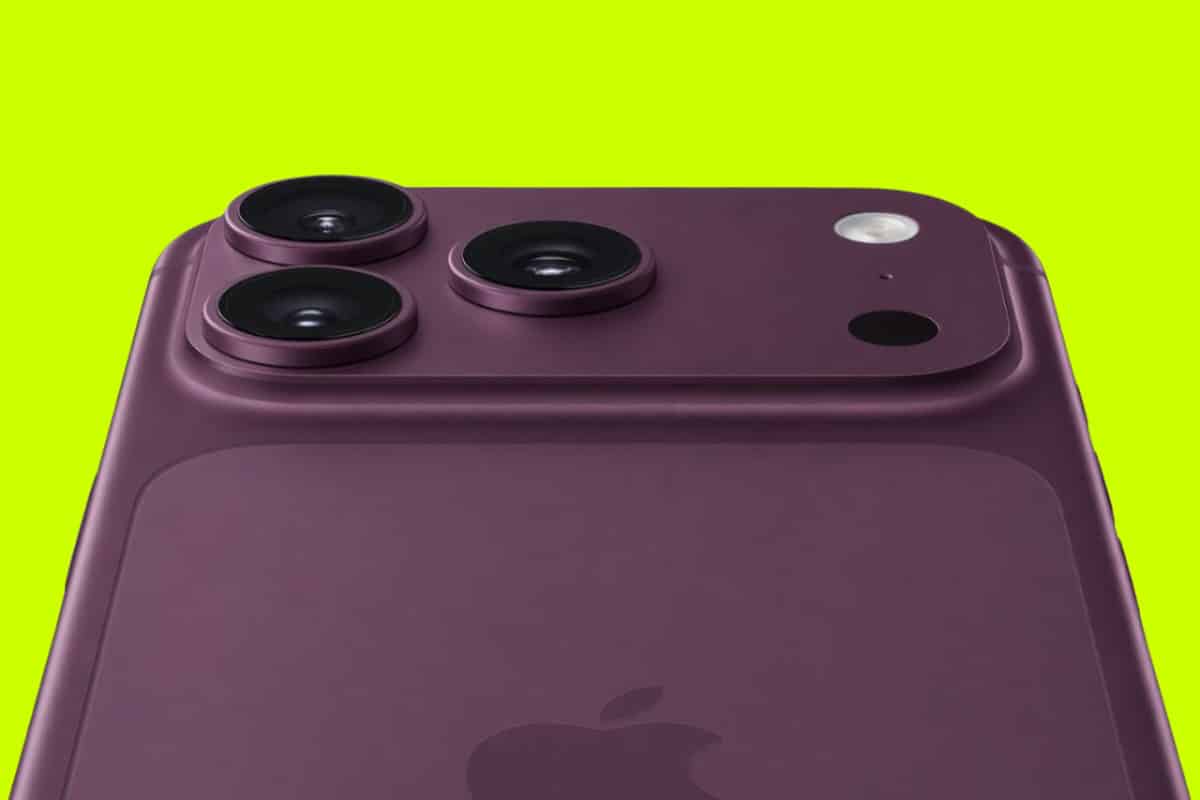
Apple doesn’t normally advertise RAM in the same way that Samsung, Google and other Android brands do.
You won’t see “12GB RAM” written in massive letters on an iPhone product page. Apple prefers to talk about the A-series processor, battery life and what the phone can actually do.
But RAM still matters.
And with the iPhone 18 generation, memory is becoming more important than ever.
iPhone 18e: 9GB RAM
The iPhone 18e is expected to ship with 9GB of RAM, up from 8GB inside the iPhone 17e.
Both Jeff Pu and Ming-Chi Kuo have reported the 9GB figure, making this one of the more consistent RAM claims currently associated with Apple’s 2027 phones.
Nine gigabytes is an unusual configuration. Apple hasn’t previously sold an iPhone with 9GB of RAM, but the reported design makes sense when you look at how the memory could be packaged around the A20 chip.
For most people, 9GB should be more than enough.
It will handle everyday apps, photography, social media, gaming, video calls and Apple Intelligence without any obvious problems. It also gives Apple another gigabyte of breathing room for future iOS updates.
The iPhone 18e is likely to be the best option if you want:
- The cheapest new iPhone 18 model
- Good everyday performance
- Apple Intelligence and the new Siri
- A phone for messaging, browsing, photography and streaming
- Several years of software support
- No need for Pro camera hardware or advanced video tools
You probably shouldn’t buy the 18e specifically for heavy video production, though. The RAM may cope, but the cheaper model is expected to have fewer cameras and a more limited display than the Pro phones.
iPhone 18: 12GB RAM, Although One Report Says 9GB
The regular iPhone 18 is now expected to have 12GB of RAM, according to analyst Jeff Pu. Analyst Dan Nystedt has also previously backed a move to 12GB.
That would be a sizeable jump from the 8GB used by the iPhone 17.
However, Ming-Chi Kuo has reported that the iPhone 18 could use 9GB instead. Until Apple launches the phone or its final hardware enters mass production, both numbers need to remain on the table.
My money would currently be on 12GB.
Apple is preparing a far more capable version of Siri, with more processing taking place directly on the device. Moving the regular iPhone 18 to 12GB would give Apple one memory target for most of the range and reduce the chance of new AI features being limited by hardware.
It would also make the standard iPhone 18 a very strong buy.
If it gets the same 12GB allocation as the Pro models, most people won’t need to spend extra purely for performance. The reasons to buy a Pro would then be its cameras, display, battery, storage options and A20 Pro chip, rather than RAM alone.
The regular iPhone 18 should be the best fit if you want:
- Strong performance without Pro pricing
- More room for future Apple Intelligence features
- Better app retention than older 8GB iPhones
- Plenty of memory for games and photo editing
- A phone you plan to keep for four or five years
Apple is expected to release the standard iPhone 18 in spring 2027, rather than alongside the Pro models in September 2026.
iPhone Air 2: 12GB RAM
The iPhone Air 2 is also expected to retain 12GB of RAM.
That is the same amount used by the first-generation iPhone Air, so this wouldn’t be an upgrade. It would still place the Air 2 alongside the iPhone 18 Pro and Pro Max on paper.
The Air’s thin design creates a different set of restrictions, however.
RAM can help it keep apps active and run AI models, but it cannot make a small battery last as long as the one inside a Pro Max. Nor can it compensate for sustained heat when editing video or playing demanding games for long periods.
Think of the Air 2 as the model for people who want a light, thin phone without giving up flagship memory.
It should suit you if you want:
- A thin and lightweight iPhone
- 12GB of RAM for AI and multitasking
- Strong everyday performance
- A larger screen without Pro Max weight
- Better cameras than the original Air, assuming the reported second rear camera appears
It will be capable of serious work, but anyone regularly exporting long 4K or 8K video projects will probably be better served by a Pro.
iPhone 18 Pro: 12GB RAM
The iPhone 18 Pro is expected to have 12GB of LPDDR5 memory.
That is the same amount used by the iPhone 17 Pro, so there probably won’t be a headline RAM upgrade this generation.
That doesn’t mean performance will remain the same.
The iPhone 18 Pro is expected to use Apple’s A20 Pro processor, produced with TSMC’s 2nm manufacturing process. Apple is also reportedly moving to wafer-level multi-chip module packaging, which can place the processor and memory more closely together.
This should help with speed, efficiency and on-device AI processing, even though the total RAM remains at 12GB.
The iPhone 18 Pro should be the better choice if you:
- Shoot ProRAW photographs
- Record ProRes or high-resolution video
- Edit photos and video on your phone
- Use demanding music, design or production apps
- Play high-end games
- Want Pro features in a smaller body
- Move frequently between large apps
The Pro won’t necessarily feel much faster when opening Messages or checking the weather. The benefit appears when the phone has several demanding jobs happening at once.
You might record high-bitrate video, move into an editing app, add effects, open your media library and then return to the camera. More RAM reduces the chance of one of those apps being removed from memory and forced to reload.
iPhone 18 Pro Max: 12GB RAM
The iPhone 18 Pro Max is also expected to have 12GB of RAM.
This is worth stressing because the Pro Max doesn’t appear to get more RAM than the smaller Pro.
Buying the Pro Max won’t automatically give you better multitasking. Both phones should have the same A20 Pro processor and the same memory allocation.
The Pro Max still makes more sense for mobile video production, though.
Its larger display provides more editing space. Its larger battery should cope better with recording and exporting video. The bigger chassis may also handle heat more comfortably during sustained workloads.
If you shoot and edit video while travelling, the Pro Max is the obvious model. Not because it has more RAM than the Pro, but because its 12GB of RAM works alongside a bigger screen, longer battery life and larger physical design.
Choose the iPhone 18 Pro Max if you:
- Record and edit lots of video
- Work with long timelines or large media libraries
- Need the longest possible battery life
- Want the largest display for editing
- Play games for long periods
- Regularly use your phone as a work device
- Don’t mind its higher price and larger body
If you want the same performance in a smaller phone, buy the regular iPhone 18 Pro.
iPhone Ultra / iPhone Fold: 12GB RAM
Apple’s first foldable iPhone, currently known as the iPhone Fold or iPhone Ultra, is expected to have 12GB of RAM.
The reported hardware includes an A20 Pro processor, a 7.8-inch internal display and a smaller external screen. With that larger folding display, the Ultra could be better suited to desktop-style apps, larger editing interfaces and running more information on screen.
Twelve gigabytes should also help iOS preserve app states as users move between the external and internal displays.
It sounds impressive, but the Ultra is expected to cost more than $2,000. Some reports have placed its potential price as high as $2,500.
That makes it a very specific product.
Buy it if you actively want a folding iPhone and will use the larger screen. Don’t buy it because you think it will offer more RAM or dramatically better performance than the iPhone 18 Pro Max. Current reports suggest it won’t.
iPhone RAM By Generation
Apple’s RAM increases have traditionally been quite conservative.
That started to change when Apple Intelligence arrived.
| iPhone generation | Standard model | Pro | Pro Max | Other models |
|---|---|---|---|---|
| iPhone 15 | 6GB | 8GB | 8GB | iPhone 15 Plus: 6GB |
| iPhone 16 | 8GB | 8GB | 8GB | iPhone 16 Plus: 8GB |
| iPhone 17 | 8GB | 12GB | 12GB | iPhone Air: 12GB; 17e: 8GB |
| iPhone 18 | 9GB or 12GB | 12GB | 12GB | Air 2: 12GB; 18e: 9GB; Ultra: 12GB |
The iPhone 16 generation moved every main model to 8GB, largely because Apple Intelligence required more memory than previous iOS features.
The iPhone 17 Pro and Pro Max then increased to 12GB, providing more room for larger AI models, camera processing and heavier apps.
With the iPhone 18 generation, Apple appears to be bringing most of the range onto the same 12GB baseline.
Why Does The iPhone Need More RAM Now?
More RAM allows an iPhone to hold more active data without having to write it to storage or reload it from scratch.
That affects several areas.
Apple Intelligence And Siri
Modern AI models require a lot of memory.
When a task runs on the iPhone instead of being sent to a cloud server, the model, operating system and active app all need access to RAM at the same time.
This is one reason Apple Intelligence was originally restricted to newer iPhones with at least 8GB of memory.
The next version of Siri is expected to do far more with personal context, screen awareness and actions across apps. Twelve gigabytes gives Apple more room to run these features locally.
It should also reduce the risk of future AI features being limited to one or two expensive models.
Keeping Apps Open
If an iPhone runs short of memory, iOS closes background processes and removes apps from active RAM.
The app remains visible in the app switcher, but when you return to it, it reloads.
More RAM means:
- Safari tabs reload less frequently
- Games remain paused for longer
- Editing apps keep projects active
- Social apps retain your position
- Camera and media apps can move between each other more smoothly
This doesn’t always make a phone look faster in a benchmark, but it can make it far less irritating to use.
Photography
Taking one photograph now involves far more than recording light through a lens.
The iPhone combines multiple frames, processes HDR data, detects subjects, adjusts skin tones, reduces noise and applies depth information. ProRAW images also retain far more data for editing.
RAM provides working space for all of this processing.
It becomes even more useful when you take a batch of photographs, open them in an editor and move between multiple large files.
Video Recording And Editing
Video is where additional memory becomes much easier to justify.
High-resolution video produces huge amounts of data. Recording formats such as ProRes require fast processing and storage, while editing apps need room for previews, effects, audio tracks, colour changes and timeline data.
RAM does not replace internal storage. You still need enough storage capacity for the original clips and exported files.
But it does help the phone work with those files without constantly clearing and reloading active data.
For regular video editing, I’d pair 12GB of RAM with at least 512GB of storage. A 12GB iPhone with 128GB of storage would still run out of recording space very quickly.
Gaming
Modern iPhone games use higher-resolution textures, larger environments and more advanced lighting.
More RAM lets a game keep more assets ready instead of repeatedly loading them from storage. This can reduce pauses and help maintain more consistent performance.
The processor and cooling system remain just as important, though. Twelve gigabytes of RAM won’t stop a very thin phone from getting hot during an hour of intensive gaming.
Why Do Pro iPhones Normally Get More RAM?
Apple uses RAM as part of the difference between its standard and Pro phones, but the memory supports hardware that the cheaper models don’t always have.
Pro iPhones tend to include:
- More advanced camera systems
- ProRAW photography
- ProRes video
- Higher video resolutions and frame rates
- More powerful graphics
- Faster USB transfer speeds
- Larger storage options
- More advanced editing and production features
These jobs place heavier demands on memory.
Pro owners are also more likely to use their phones for work, hold onto them for longer and run larger apps. Giving these models more memory helps protect their performance as iOS and Apple Intelligence grow.
The unusual part of the iPhone 18 generation is that the standard model may receive the same 12GB allocation.
If that happens, RAM alone will no longer be a reason to buy a Pro.
Does More RAM Make An iPhone Faster?
Sometimes, but not in the way most people expect.
RAM doesn’t directly make the processor faster. An A20 Pro chip won’t complete a calculation more quickly simply because it has access to 12GB instead of 9GB.
More RAM helps when the phone is handling multiple apps, large files or memory-heavy tasks.
You’re most likely to notice it when:
- Returning to an app you used earlier
- Switching between games and other apps
- Editing large photographs
- Working with video
- Keeping many browser tabs open
- Using on-device AI
- Running production apps
Someone who mainly uses WhatsApp, Safari, YouTube and the camera may struggle to see a difference between 9GB and 12GB today.
That difference could become more visible after three or four major iOS updates.
RAMageddon: Why Mobile Memory Has Become So Expensive
The iPhone 18 range is arriving during a global shortage of DRAM and NAND flash memory.
The shortage has been nicknamed “RAMmageddon” or “RAMageddon”, depending on who is writing it.
Unlike the pandemic-era chip shortage, this problem is heavily tied to AI data centres.
Samsung, SK Hynix, Micron and other memory manufacturers can earn more money producing high-bandwidth and server memory for AI hardware. That has pulled manufacturing capacity and investment away from the cheaper memory used in phones, laptops and other consumer products.
AI servers also use far more memory than a single smartphone. When companies are building data centres containing tens of thousands of accelerators and processors, the amount of memory required becomes enormous.
TrendForce reported that rising memory prices were already forcing phone and computer makers to raise prices, reconsider specifications and reduce production targets.
Its later mobile DRAM report said smartphone brands had faced two consecutive quarters of very large price rises during the first half of 2026, with AI servers continuing to crowd out production capacity.
In short, phone makers have three options:
- Absorb the extra cost and accept smaller profit margins.
- Increase phone prices.
- Reduce RAM, storage or another part of the specification.
Apple has more financial room than most Android manufacturers, but it isn’t immune.
Has The RAM Shortage Increased iPhone 18 Prices?
It hasn’t affected confirmed prices because Apple hasn’t announced the iPhone 18 range yet.
It has, however, affected Apple’s costs and the price forecasts surrounding the new phones.
Earlier in 2026, Ming-Chi Kuo reported that Apple wanted to absorb higher memory costs and keep the entry price of the iPhone 18 steady. Apple had reportedly moved from negotiating memory prices every six months to negotiating them quarterly as the market changed.
That was the optimistic version.
More recently, Jeff Pu warned that the iPhone 18 Pro and Pro Max could cost between $250 and $300 more than their predecessors. The reported causes include:
- Higher DRAM prices
- Higher NAND storage prices
- The more expensive 2nm A20 Pro processor
- Wider component shortages caused by AI infrastructure demand
Current US starting prices for the iPhone 17 Pro and Pro Max are $1,099 and $1,199. A full $250 to $300 increase would push the iPhone 18 Pro into roughly $1,349 to $1,399 territory, with the Pro Max potentially starting around $1,449 to $1,499.
Those figures are not confirmed retail prices. They are what the latest cost warning would mean if Apple passed the full increase on to buyers.
Apple could still absorb part of the cost, adjust storage tiers or spread the increase differently between models.
The company may also keep one headline starting price unchanged while making higher-capacity versions more expensive. That would let Apple claim the entry price hasn’t moved, even if the models people actually buy cost more.
RAMageddon Isn’t Just An Apple Problem
Cheaper Android phones are arguably in a worse position.
Apple sells mostly premium devices and makes money from services, accessories and app purchases after the phone has been sold. That gives it more room to accept a lower hardware margin.
Manufacturers operating in the $150 to $400 market don’t have that luxury.
For these companies, even a relatively small increase in memory cost can force a change to the entire phone. A manufacturer might:
- Increase the launch price
- Use less RAM
- Keep an older processor
- Remove a storage option
- Extend the life of an existing model
- Reduce production in less profitable regions
IDC has forecast that rising memory costs will push smartphone average selling prices higher while placing the greatest pressure on low-cost and mid-range Android devices. Phone shipments are also expected to fall as manufacturers and buyers respond to those higher prices.
RAMageddon may therefore make refurbished phones more appealing. A refurbished iPhone with 8GB or 12GB of RAM can still run current apps and Apple Intelligence while costing far less than a new iPhone 18 Pro.
Which iPhone 18 Model Should You Choose?
| Your main use | Best model | Why |
|---|---|---|
| Calls, apps, browsing and photography | iPhone 18e | 9GB should be plenty and it should cost the least |
| Best overall value | iPhone 18 | Potentially 12GB without Pro pricing |
| Thin and lightweight design | iPhone Air 2 | Pro-level RAM in a lighter body |
| Pro performance in a smaller phone | iPhone 18 Pro | 12GB, A20 Pro and advanced cameras |
| Recording and editing video | iPhone 18 Pro Max | Same 12GB as Pro, but a larger screen and battery |
| Gaming and sustained heavy use | iPhone 18 Pro Max | Bigger battery and body should suit longer sessions |
| A folding display | iPhone Ultra | Large internal screen and 12GB, but a very high expected price |
| Lowest possible price | Refurbished iPhone | Avoids new-generation pricing and still handles everyday use |
Buy The iPhone 18e If You Just Want A Good iPhone
Nine gigabytes will be enough for the vast majority of normal phone use.
Don’t spend several hundred more simply because another model has 12GB written in its specification sheet.
Wait For The Standard iPhone 18 If You Want The Best Balance
If the 12GB report proves correct, the standard iPhone 18 could be the sweet spot of the entire range.
It should have enough memory for Apple Intelligence, gaming, photography and several years of iOS updates without Pro pricing.
Buy The iPhone 18 Pro If You Want Better Cameras, Not Just More RAM
The Pro is about its full collection of hardware.
Its A20 Pro chip, camera system, display and production features matter more than the RAM figure by itself.
If the regular iPhone 18 also gets 12GB, don’t buy the Pro purely for multitasking.
Buy The Pro Max For Mobile Video Work
The Pro and Pro Max have the same reported RAM.
The Pro Max earns its place through its larger display, longer battery life and better suitability for recording, reviewing and editing video away from a computer.
Buy The Ultra Because It Folds
The Ultra isn’t expected to have more RAM than the Pro Max.
Its reason for existing is the folding screen. If you don’t specifically want that, the Pro Max will almost certainly make more financial sense.
The Bottom Line
The iPhone 18 generation looks set to mark the point where 12GB becomes normal for a premium iPhone.
The Pro, Pro Max, Air 2 and foldable Ultra are all expected to use 12GB. The standard iPhone 18 may join them, while the cheaper 18e is expected to use 9GB.
For most people, the difference between 9GB and 12GB won’t transform everyday use. It matters more for on-device AI, video editing, large games, demanding creative apps and keeping the phone for many years.
Just remember that RAM is only one part of the decision.
The Pro Max is better for video because of its screen and battery, not because it has more RAM than the Pro. The Ultra is different because it folds, not because it has exclusive memory. And if the standard iPhone 18 gets 12GB, it could be the model that makes the most sense for almost everyone.
The catch is RAMageddon. Mobile memory now costs far more, and Apple has to decide how much of that extra cost it is willing to absorb.
Until Apple confirms pricing, nobody knows exactly how painful the increase will be. But if the latest analyst warning is right, 12GB of RAM could be one of several reasons the iPhone 18 Pro costs considerably more than the phone it replaces.
Sources & Side Quests
- MacRumors: Expected iPhone 18 RAM amounts
- MacRumors: Base iPhone 18 tipped for 12GB
- MacRumors: iPhone 18e expected to get 9GB
- MacRumors: iPhone Air 2 expected to retain 12GB
- 9to5Mac: iPhone 18 Pro, Pro Max and Fold specification table
- TrendForce: Memory prices affecting phone prices and specifications
- TrendForce: Mobile DRAM pricing and smartphone production
- The Verge: Apple’s reported plan to absorb RAM costs
- MacRumors: iPhone 18 Pro models could cost up to $300 more
Buying tools
Thinking About Buying an iPhone?
Compare current refurbished prices, see how it stacks up against alternatives, and avoid overpaying for the wrong model.
Recommended for this article