
Xiaomi phones look tempting on paper: flagship-level specs at budget-friendly prices. But for most buyers who want a phone that stays smooth, secure, and supported for four or more years, Xiaomi consistently falls short.
A quality refurbished iPhone, Samsung Galaxy, or Google Pixel delivers better long-term value for the same price and fewer headaches.
Browsing our full refurbished phone database is the fastest way to see what is currently available across all budgets and brands.
Or, if you’d like more information on why Xiaomi phones (for most US and UK-based people) make very little sense when compared to the Big Three (Apple, Samsung and Google), read on.
The Real Problem With Xiaomi Phones
Xiaomi’s pitch has always been simple: more hardware for less money. It is a formula that works in the short term.
The problem surfaces somewhere around year two or three, when the compromises that funded that low price start making themselves known.
Here is a breakdown of the specific issues that make Xiaomi a risky long-term buy.
Ad-Heavy Software and Bloatware That Never Really Goes Away
Xiaomi’s MIUI software, now rebranded as HyperOS, has attracted consistent criticism for injecting ads into system apps including the file manager, app store, and even the lock screen on some models.
This is not a rumour. It is a well-documented pattern across the Redmi and base Xiaomi ranges in particular.
The bloatware situation compounds the issue.
Devices ship with pre-installed apps that cannot be uninstalled without rooting the device, and periodic software updates have been known to re-enable features users had previously switched off.
For a premium-priced flagship that is acceptable to nobody; for a budget phone where margins are already thin, it signals exactly where Xiaomi’s priorities sit.
Software Support That Runs Out Too Soon
This is arguably the most important factor most buyers overlook at the point of purchase.
Xiaomi typically offers two to three years of major Android updates for mainstream models, with security patches extending slightly beyond that.
Compare that to Apple’s iPhones, which receive iOS updates for 7 or more years, or Google’s Pixel 8 series and beyond, which carry a seven-year update commitment.
If you keep a phone for four years, as many buyers do, a Xiaomi device will likely be running an unsupported version of Android for a significant portion of that time.
Unsupported software means no security patches, and no security patches means a growing attack surface on a device that knows your banking passwords, location, and communications.
Our iPhone iOS update lifespan guide explains how Apple’s longevity advantage compounds over time, and it is a genuinely significant factor for anyone buying a phone to use for several years rather than flip after twelve months.
A Lineup So Confusing It Is Its Own Red Flag
Xiaomi sells phones under at least three sub-brands simultaneously: Xiaomi, Redmi, and Poco.
Within each of those are numbered series, lettered variants, and Pro models with overlapping specs and indistinguishable naming conventions.
A Redmi Note 13 Pro Plus 5G and a Xiaomi 13T Pro can look almost identical on a spec sheet while offering meaningfully different hardware, software update promises, and pricing.
This matters because it makes comparison shopping genuinely difficult.
You cannot quickly establish which model is worth buying, which is being repositioned as last year’s hardware in a new shell, and which will receive the fewest updates.
That opacity is not accidental. It makes it harder to identify poor value.
Samsung’s Galaxy S series and Apple’s iPhone lineup are straightforward by comparison, and that transparency is itself a form of consumer protection.
Data Privacy Concerns Are Documented and Unresolved
Researchers at Forbes and cybersecurity firms published findings showing that Xiaomi devices, including the MIUI browser and pre-installed apps, transmitted user data to remote servers.
The data included browsing history, search queries, device metadata, and interactions, even in incognito mode.
The servers involved were located in Singapore and Russia, with routing through Beijing.
Xiaomi disputed the findings without issuing a substantive rebuttal or admitting fault. The encryption method used for the transmitted data, base64 encoding, is not a serious security measure and is trivially reversible.
An update to allow opt-out of some data collection was eventually released, but opting out of tracking in a browser should not be a configuration task that requires user effort. It should be the default.
Apple and Google operate under significantly more regulatory scrutiny in Western markets and face meaningful legal consequences for data mishandling.
That accountability is part of what you are paying for when you choose a mainstream alternative.
After-Sales Support Is Inconsistent
Xiaomi’s warranty and repair infrastructure in the UK and US is thinner than its rivals.
If something goes wrong outside of the standard return window, finding a legitimate repair centre, obtaining genuine replacement components for the logic board, display, or lithium-ion battery, and getting a consistent response from customer service is next to impossible compared to what you get with Apple, Samsung, or Google.
For devices that are supposed to be a saving, the hidden cost of a complicated repair process or a difficult warranty claim can erase that saving entirely.
You don’t have to pay $1,000+ for a new phone. Buying refurbished saves you, on average, 40% to 50%.
Which means you skip the inflationary price hikes, side-step the 2026 memory cost crisis, and still get the flagship performance and specs you want.
Recommended Options For 2026Why a Refurbished iPhone, Samsung or Pixel Is the Smarter Buy

The value argument for Xiaomi only holds if you compare its price to a new flagship from a rival. That is not a fair comparison.
Refurbished phones, however, change the equation completely.
- A refurbished iPhone 15 costs a fraction of its launch price, arrives vetted and graded, and still carries years of iOS update support ahead of it.
- A refurbished Galaxy S24 gives you Samsung’s premium One UI experience with seven years of security updates, at a price point that competes directly with a new Xiaomi mid-ranger.
The return on investment is not close.
The flash storage in a refurbished flagship degrades no faster than in a new budget phone. The Qualcomm Snapdragon or Apple A-series processor in a two-year-old flagship typically outperforms the chipsets found in new budget Xiaomi devices.
You are getting more hardware, cleaner software, and longer support, for less money than buying new.
Have more questions about what to look for? The refurbished phone FAQ hub covers everything from grading standards to battery health checks in detail.
The Best Alternatives to Xiaomi at Every Budget
Budget: Under £300
- iPhone 16e 128GB is the cleanest entry point into Apple’s ecosystem right now. It runs on the same A16 Bionic chip as the iPhone 15 Pro, supports Apple Intelligence, and will receive software updates well into the 2030s. No ads. No bloat. Just iOS.
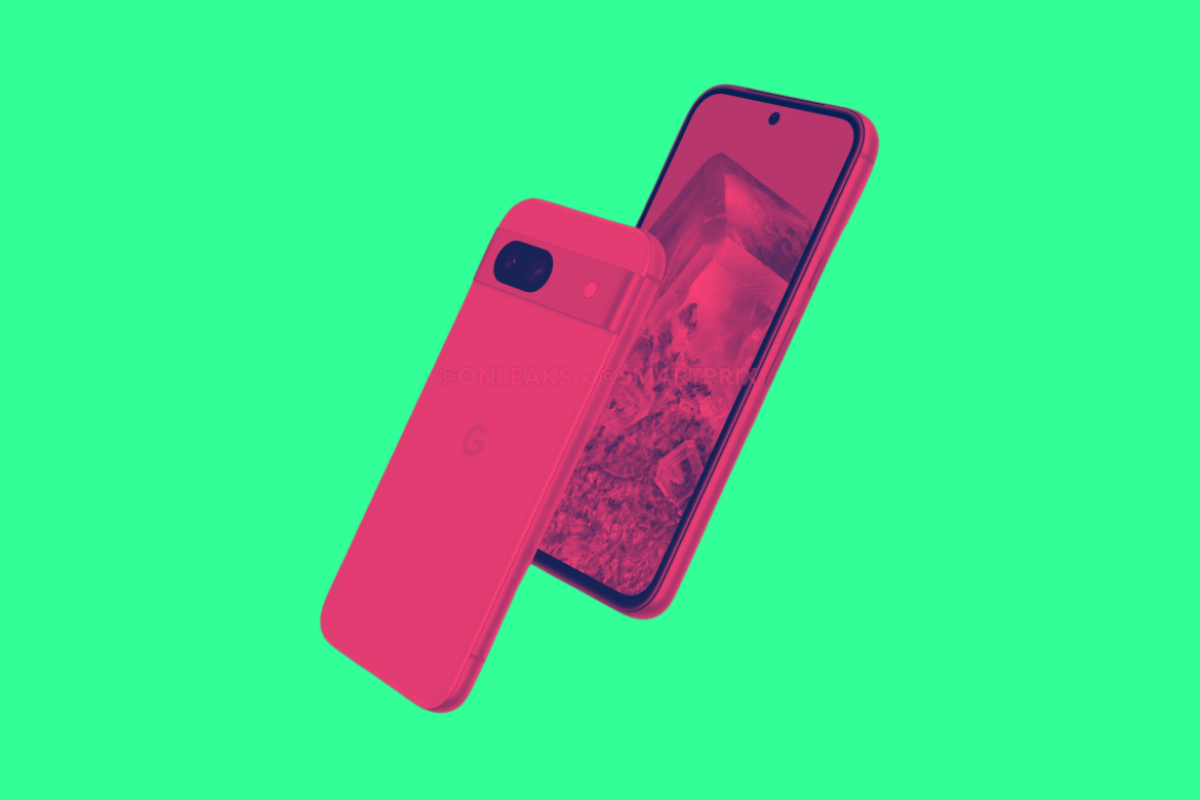
- Pixel 8a 128GB is Google’s budget answer and it punches hard. Seven years of updates, excellent computational photography, and clean Android that Google controls from top to bottom. Note that the inventory variant linked here is AT&T; check our latest deals page for unlocked availability.
Midrange: £300 to £500
- iPhone 15 256GB is our midrange recommendation for most buyers. The Dynamic Island, USB-C charging, and A16 Bionic chip make it a genuinely future-proof purchase at this price point. 256GB of flash storage gives you room to grow without constantly managing cloud usage.
- Pixel 9 128GB is the Android pick at this tier. The Tensor G4 chip runs Google’s AI features natively, the camera system remains class-leading for the price, and seven years of guaranteed updates makes it a legitimate long-term investment. No Redmi sub-brand confusion. No HyperOS ads. One phone, one price, one clear upgrade path.
- Galaxy S24 256GB is the Samsung option if you want One UI polish with Galaxy AI baked in. Samsung’s seven-year update promise puts it on par with Google for software longevity. Note this variant is Verizon-locked; check our deals page if you need an unlocked unit.
Premium: £500 to £700
- iPhone 15 Pro 128GB is the step up that is genuinely worth making. The A17 Pro chip, titanium frame, ProMotion display, and Action Button make this a meaningfully different phone from the standard 15, not a cosmetic upgrade. It also unlocks the full Apple Intelligence feature set.
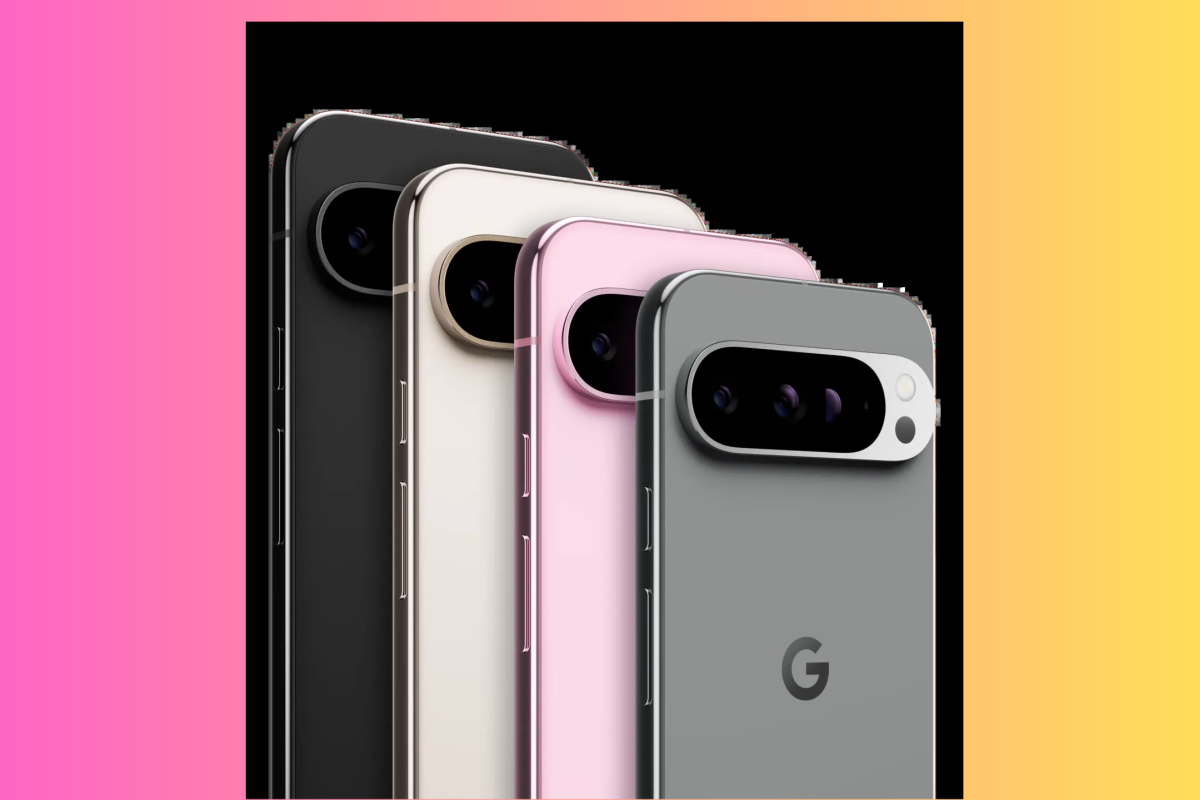
- Pixel 9 Pro 128GB brings a Pro-grade camera array with a 5x telephoto, the brightest display Google has made, and the same seven-year update promise as the standard Pixel 9. If camera performance and AI tools matter to you, this is one of the best phones at any price.
High-End: £700 and Above
- iPhone 16 Pro 256GB is the benchmark for what a smartphone can do in 2025 and beyond. The A18 Pro chip, Camera Control hardware button, 4K 120fps video capability, and full Apple Intelligence integration make it the obvious pick for creators, power users, and anyone who wants the best and expects it to last. Our best phones for creators guide has more if that angle matters to your buying decision.
- Galaxy S25 Ultra 256GB is Samsung’s flagship statement. The built-in S Pen, Snapdragon 8 Elite processor, and 200MP camera system make it a genuine productivity and creative powerhouse. If you live inside Samsung’s ecosystem and want the best it offers, this is the one.
You’re paying too much for data. Way too much.
Visible+ gives you unlimited premium data on Verizon’s 5G Ultra Wideband network, plus hotspot data and travel perks.
Compare top-ranked plansVisible+ includes
- Unlimited premium dataVerizon 5G Ultra Wideband
- Unlimited hotspot dataSpeeds up to 15 Mbps
- Travel extrasCanada and Mexico coverage, plus 2 days of Global Pass each month
Know Your Mobile Verdict
Xiaomi phones aren’t bad; some of the newer models have outstanding spec and hardware. But the caveat list of owning and running one of them is 5x longer than it would be for a comparable model from Apple, Samsung or Google.
Yes, Xiaomi phones are often much, much cheaper, especially in the mid-range and low-end, but, again, they’re cheap for a reason and it has nothing to do with Xiaomi caring about your wallet.
I’ve used a few Xiaomi phones over the years and the main thing that bothers me is the software (it’s bloated and annoying to use) and its quality control issues (all the phones I’ve tested went wrong in some way).
If you want value for money and zero headaches long-term, go with a refurbished iPhone, Pixel, or Galaxy phone. You’ll pay much the same as you would for a Xiaomi phone and you won’t have to worry or deal with all the nonsense we’ve outlined in this article.
The price gap between a new Xiaomi mid-ranger and a refurbished flagship from Apple, Google, or Samsung has narrowed to the point where Xiaomi’s value argument is genuinely hard to sustain.
When you factor in longer software support, cleaner operating systems, stronger data privacy protections, and more reliable after-sales networks, the calculus tips decisively toward the established alternatives.
Pro Tip: Before buying any refurbished phone, run a battery health check. Lithium-ion cells degrade with charge cycles, and a unit with battery health below 80% will need a replacement sooner than you expect. On iPhone, go to Settings > Battery > Battery Health. On Android, most manufacturers include a hidden diagnostic mode accessible via the dialler. A healthy battery is the single most important indicator of a refurbished phone’s real-world condition.
Browse our full range of expertly vetted refurbished phones to find the right device for your budget. And if you still have questions, our refurbished phone buyer’s guide has you covered.
Keep reading
More useful guides from this section of KnowYourMobile.
