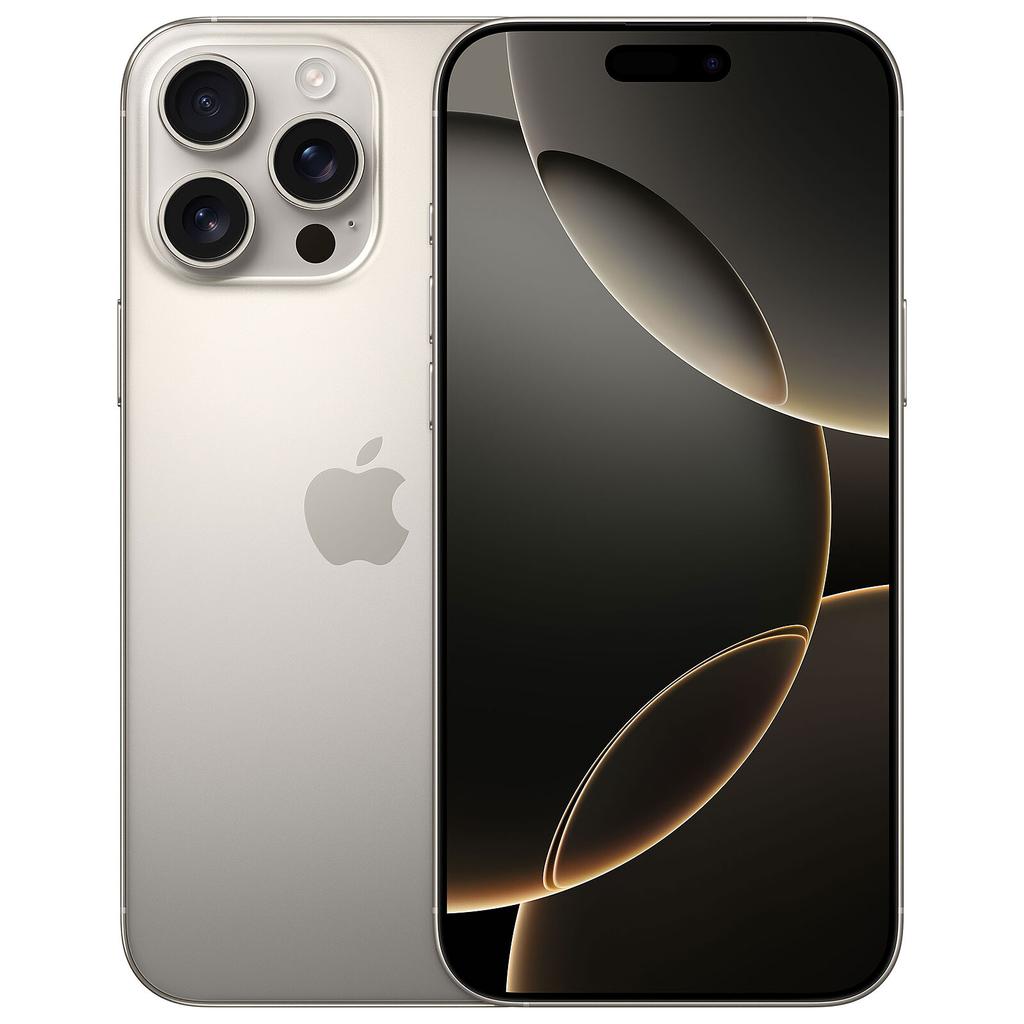
Why Buying a Refurbished Phone Makes More Financial Sense Than Ever
Flagship phones now routinely cost $1,000–$1,200 new. Buying refurbished gets you the same hardware, same processor, same camera, same display for 40–60% less.
From certified pre-owned iPhones to unlocked Samsung flagships, the refurbished market is no longer a compromise; it’s a deliberate upgrade strategy.
Why Are New Phones So Expensive Now?
The short answer: manufacturers stopped trying to sell more phones and started charging more for each one. Global smartphone penetration plateaued around 2016-2018, meaning most people who want a phone already have one.
With upgrade cycles stretching from 18 months to nearly three years, brands like Apple, Samsung, and Google had a straightforward commercial choice: sell fewer phones at higher prices, or drop margins. They chose higher prices.
The component arms race didn’t help.
OLED panels, advanced camera sensors with large aperture optics, and cutting-edge silicon — Apple’s A-series chips, Qualcomm’s Snapdragon 8 Elite — all carry significant bill-of-materials costs that get passed directly to the consumer.
Apple’s iPhone 4 cost under $190 to manufacture. A recent iPhone Pro Max is estimated to cost nearly $500 in components alone — before a cent of R&D, marketing, or retail margin.
The death of subsidised two-year contracts in the US accelerated this further.
When carriers stripped away the illusion of a “$199 iPhone,” consumers suddenly saw the real price. Phone makers had already repositioned upmarket; the contract change just made the sticker shock visible.
The result? A market that has handed the refurbished sector an extraordinary opportunity.
What Do You Actually Get With a Refurbished Phone?
The term “refurbished” covers a spectrum — but at the quality end, it means a device that has been professionally inspected, tested against manufacturer specifications, repaired where needed (battery replacement is standard on quality-grade units), and cleaned.
The logic board, flash storage, and display are all evaluated. You’re not buying someone’s broken phone; you’re buying a phone that has been returned to a functionally new state.
Grade A refurbished units typically show no meaningful cosmetic wear. Grade B may have minor marks that are invisible during normal use.
Either way, the internals — the components that actually determine how long a phone lasts — are the same silicon they were on day one.
For a curated selection of certified units, our refurbished phones database covers everything from recent flagships to value-tier options across all major brands.
Which Refurbished Phone Offers the Best Long-Term Value?
iPhone: The Clear Longevity Leader

If you’re buying refurbished and you plan to keep the device for three or more years, the calculus strongly favours iPhone.
Apple’s software support window is the longest in the industry — iPhones typically receive iOS updates for six to seven years from launch.
That means a refurbished iPhone 15 Pro Max you buy today will still be receiving full security patches and feature updates well into the early 2030s.
The hardware backs this up. Apple’s Secure Enclave handles encryption key management in dedicated silicon, meaning security doesn’t degrade with age.
The A-series chips are so performant that even three-year-old iPhones run current-generation software without meaningful throttling.
For refurbished iPhone deals across the full lineup, the value proposition becomes clear the moment you compare prices against new equivalents.
Current standout options include:
- iPhone 16 Pro – 128GB Unlocked (Desert Titanium) — A18 Pro chip, Camera Control, ProRes video
- iPhone 15 Pro Max – 512GB Unlocked (Natural Titanium) — Titanium chassis, 5x optical zoom, USB-C
- iPhone 16 Pro Max – 512GB Unlocked (White Titanium) — The current flagship ceiling, at a meaningful discount
Samsung Galaxy: Premium Android at Honest Prices
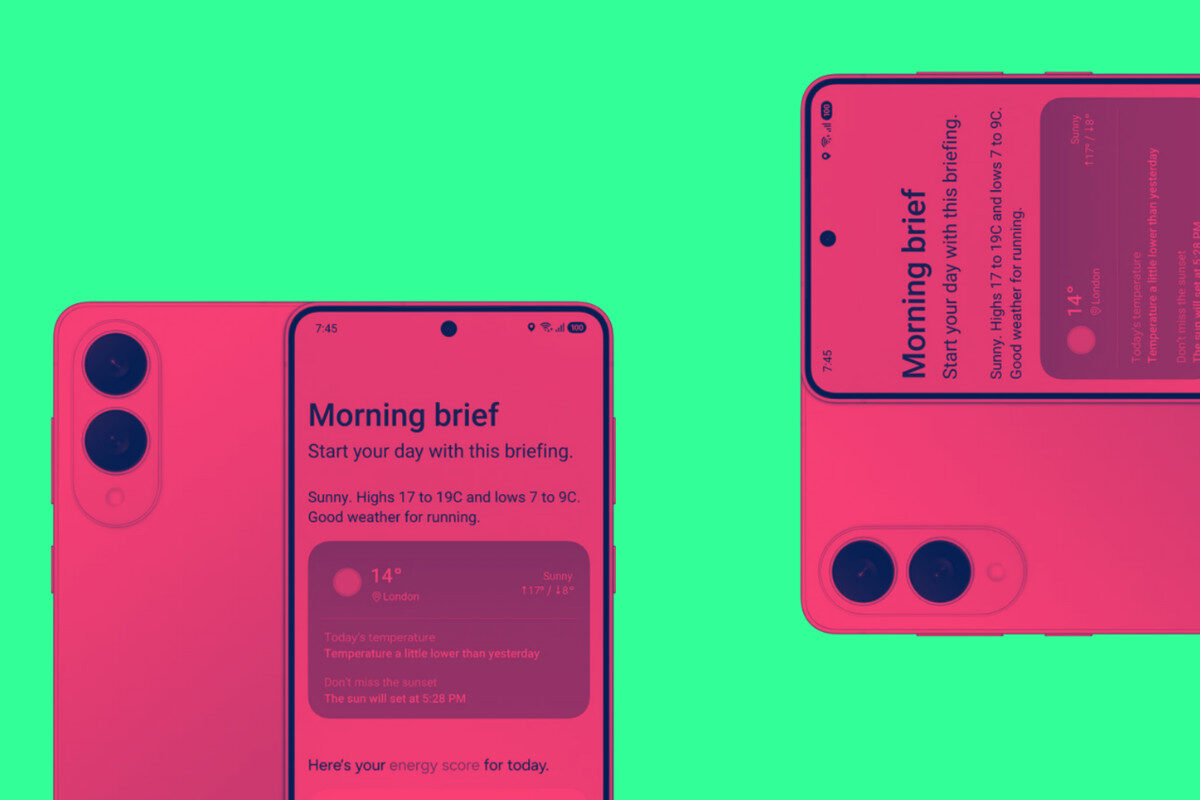
Samsung’s Galaxy S-series sits at the top of the Android hardware stack, and refurbished units represent some of the sharpest value cuts in the market.
The Galaxy S24 and S25 series run on Qualcomm Snapdragon 8-series silicon in the US market, with Samsung committed to seven years of OS and security updates on recent flagships — a significant improvement over previous generations.
Hardware highlights across the Samsung refurbished range include Dynamic AMOLED displays with adaptive 120Hz refresh, vapour chamber cooling, and Snapdragon-class AI processing.
For anyone who lives in the Google ecosystem or prefers Android’s customisation depth, these are serious devices.
Explore the full Samsung refurbished range, or jump straight to specific models:
- Galaxy S25 – 256GB T-Mobile (Silver Shadow) — Current generation, Snapdragon 8 Elite
- Galaxy S24 – 256GB Verizon (Marble Grey) — Excellent value, strong camera system
- Galaxy Z Fold5 – 512GB Unlocked (Phantom Black) — Foldable flagship at a fraction of its launch price
Google Pixel: Clean Android, Strong Camera — With Caveats
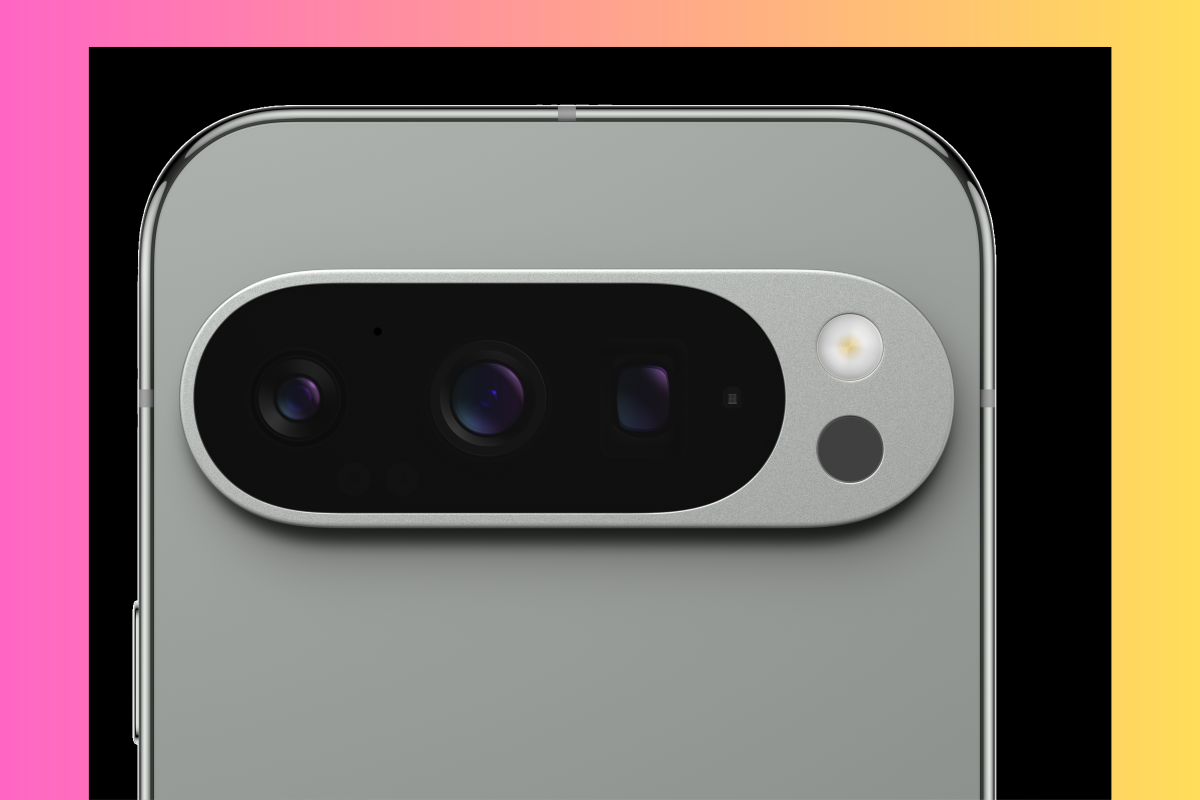
Google’s Pixel line offers the purest Android experience, guaranteed OS updates direct from Google, and consistently class-leading computational photography.
The Tensor G-series chips power on-device AI features — live translation, real-time transcription, Magic Eraser — that remain genuinely useful in daily use.
The honest caveat: real-world Pixel longevity, particularly on older generations, can fall short of the headline update promises.
Display burn-in, battery degradation, and modem connectivity issues have been documented on Pixel 6 and 7 series devices beyond the two-to-three-year mark.
The Pixel 9 Pro XL represents a meaningful hardware maturity step, and if you’re considering a refurbished Pixel, it’s the generation we’d point you toward.
- Pixel 9 Pro XL – 256GB Verizon (Obsidian) — Best-in-class camera, Tensor G4 chip
- Pixel 9 Pro XL – 512GB Verizon (Obsidian) — Maximum storage, full pro camera suite
Explore the full Google Pixel refurbished lineup for all available configurations.
How Much Can You Actually Save?
The savings are not marginal. A flagship phone that launched at $1,199 can realistically be found in Grade A refurbished condition for $600–$750 within 12–18 months of release — a 35–45% reduction. Pair that saving with a SIM-only plan rather than a carrier contract, and the total cost of ownership over two years drops dramatically.
The sweet spot for value is typically the generation immediately behind the current flagship — a refurbished iPhone 15 Pro Max or Galaxy S24 Ultra, for instance, delivers 95% of the flagship experience at 50–60% of the launch price. For a full breakdown of the best refurbished phones across all price points, our main buying guide runs through every option worth considering.
If you have specific questions before committing — about grading, warranties, unlocked status, or which model suits your use case — the refurbished phone FAQ hub covers the most common queries in detail.
Know Your Mobile Verdict
The refurbished market is not a fallback for buyers who can’t afford new. It’s a deliberate strategy for buyers who want better value for money.
The iPhone holds the strongest case for longevity — six-plus years of iOS support means a refurbished iPhone 15 Pro bought today costs less per year of useful life than almost any new Android flagship.
Samsung’s extended update commitments have closed the gap significantly, and the Galaxy S25 series represents the most competitive the Android refurbished market has ever been.
Pro-Tip: Time your purchase around new flagship launches. When Apple announces the iPhone 18 series or Samsung drops the Galaxy S26, trade-in waves flood the refurbished market — and prices on the previous generation typically drop a further 15–20% within four to six weeks. That’s the window to move.
Browse our refurbished phone database, which includes 600+ vetted and approved phones, to find your next device for a lot less money.
Buying tools
Thinking About Buying an iPhone?
Compare current refurbished prices, see how it stacks up against alternatives, and avoid overpaying for the wrong model.
Recommended for this article