Five Big Problems Facing Apple’s Folding iPhone
Apple’s reported iPhone Ultra could be one of its most ambitious phones yet. It could also be extremely expensive, difficult to buy and less capable than the cheaper Pro models in some important areas.
The iPhone Ultra is reportedly priced at around $2,300 to $2,500. That would place it well above most current book-style foldables and make it the most expensive iPhone Apple has ever sold.
One report claims the initial launch could be limited to the US, with China and a small number of other markets following later. That source needs treating cautiously, although separate supply-chain reports also point to very limited opening stock.
Apple’s last major new hardware category, Vision Pro, reportedly shipped only around 390,000 units during 2024 before production and marketing activity were reduced.
Foldable phones accounted for only 2.5% of global smartphone shipments in Q3 2025. Sales are growing, but foldables remain a small part of the wider phone market.
Current leaks point to only two rear cameras and no dedicated telephoto lens. The thinner folding design could therefore leave the Ultra with a weaker camera system than the cheaper iPhone 18 Pro and Pro Max.
Apple has confirmed none of the iPhone Ultra’s specifications, price, name, release markets or launch arrangements. All current information is based on reports and leaks that could change before Apple announces the phone.
Apple’s folding iPhone could be the most interesting new iPhone in years.
It could also be a $2,500 first-generation experiment with fewer cameras than the cheaper iPhone 18 Pro Max, no Face ID, barely any opening stock and a design built for a type of phone almost nobody currently buys.
That doesn’t mean the iPhone Ultra will be bad. Apple may produce the first foldable phone that ordinary iPhone owners genuinely want. But the more we learn about it, the clearer its compromises become.
And there are quite a few.
1. It’s Going To Be Way Too Expensive, Even By Foldable Standards
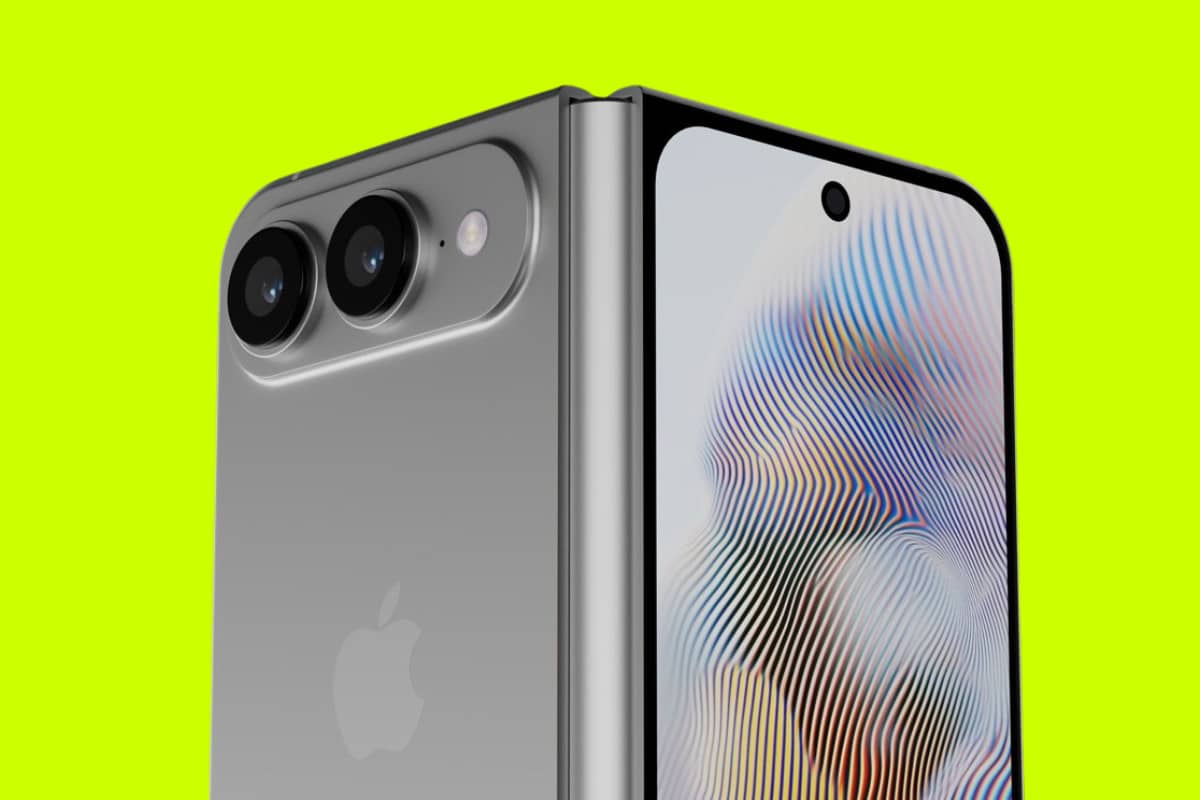
Let’s get the obvious problem out of the way first: the reported iPhone Ultra price is completely unhinged.
Supply-chain analyst Ming-Chi Kuo now puts the folding iPhone at approximately $2,300 to $2,500. Bloomberg’s Mark Gurman previously said it would cross the $2,000 mark, while IDC has used an estimated average price of around $2,400 in its market forecasts.
That isn’t merely expensive compared with a normal phone. It is expensive compared with other extremely expensive foldable phones.
| Foldable phone | US starting price |
|---|---|
| Samsung Galaxy Z Fold8 | $1,899 |
| Samsung Galaxy Z Fold8 Ultra | $2,099 |
| Google Pixel 11 Pro Fold | $1,899 |
| Reported iPhone Ultra range | $2,300 to $2,500 |
At the top of Kuo’s range, Apple’s phone would cost $600 more than the Galaxy Z Fold8 and $400 more than Samsung’s Fold8 Ultra.
It gets worse once storage enters the picture. One separate leak claimed possible prices of $2,320 for 256GB, $2,610 for 512GB and $2,900 for 1TB. Those exact figures look like converted prices rather than Apple’s usual clean US price points, so don’t treat them as a final price list. They do show how easily a higher-capacity Ultra could approach $3,000, though.
Then add sales tax, AppleCare+ and a case. You could be looking at more than $3,000 for an iPhone that still needs to prove its hinge will survive three years of everyday use.
Apple will argue that the Ultra replaces two devices: an iPhone and an iPad mini. That argument only works if iOS 27 makes proper use of the inner screen. If it is merely regular iOS stretched across 7.8 inches, you are paying laptop money for larger icons.
2. It May Only Launch In The US At First
Even if you have $2,500 burning a phone-shaped hole in your pocket, Apple may not let you buy the Ultra.
A new Australian report, picked up by GSMArena, claims Apple will initially release its folding phone only in the US. A small number of other major markets, including China, would follow later. Australia reportedly won’t be included in that second group.
There is no confirmed date for the UK, Europe or other regions.
The same report says Apple could unveil the Ultra at its September event without announcing a final price or putting it on sale beside the iPhone 18 Pro and Pro Max. In other words, Apple may show everybody the phone, allow the press to spend a week talking about it, and then make it available to almost nobody.
There is reason to be cautious here. GSMArena itself points out that the original Australian report appears confused about the iPhone Fold and iPhone Ultra names, treating them as if they might be separate products. They aren’t expected to be. Ultra is the reported retail name for Apple’s folding iPhone.
Still, the claimed US-first release fits the supply-chain numbers.
Kuo estimates that Apple will assemble only 500,000 to one million folding iPhones during the third quarter of 2026. Total second-half production is expected to reach around seven to eight million units.
For comparison, estimated Q3 production for the iPhone 18 Pro and Pro Max is around 20 to 22 million units. Apple could have more than 20 times as many Pro models ready during the launch quarter.
That creates three possible restrictions:
- Apple announces the Ultra beside the iPhone 18 Pro range but ships it later, following the iPhone X playbook from 2017.
- It launches in the US first, with China and a handful of other countries following later.
- US stock sells through immediately, pushing delivery estimates to four to six weeks or longer.
Kuo thinks the second-hand market could get particularly stupid, with resellers asking 50% to 100% above Apple’s retail price while supply is tight.
Imagine paying $2,500 for a phone and discovering that scalpers want $4,000 because Apple only made enough for reviewers, influencers and the bloke who has been refreshing the Apple Store since 4am.
The US-only claim remains a rumour, not settled fact. But it now has a published source, and it lines up with repeated reports of hinge problems, folding-display problems and delayed mass production.
The practical result is the same: outside America, the iPhone Ultra could be little more than an expensive demo for months. Inside America, it may be almost impossible to buy at its advertised price.
3. Apple’s Batting Average Ain’t What It Used To Be
There was a time when a new Apple product category felt almost inevitable.
The iPod worked. The iPhone changed the entire phone business. The iPad created a modern tablet market. The Apple Watch took a while to settle, but became the default smartwatch for iPhone owners.
Vision Pro was different.
Apple launched the headset in 2024 for $3,499, pitched it as a new form of “spatial computing” and produced some of the most impressive consumer hardware anyone had seen. It was also heavy, socially awkward, short on must-have apps and priced beyond most normal buyers.
According to IDC figures reported by the Financial Times, Apple shipped about 390,000 Vision Pro units during 2024. IDC expected shipments of only 45,000 units in the final quarter of 2025, despite the holiday season. Apple’s manufacturing partner reportedly stopped production in early 2025, while digital advertising spending for Vision Pro fell by more than 95% across markets including the US and UK.
That is not a product gaining momentum.
Vision Pro matters here because the iPhone Ultra shares some of the same warning signs:
- Spectacular new hardware
- An eye-watering price
- A use case that still needs explaining
- Limited first-year production
- A platform that depends on developers changing their apps
- Early-adopter excitement being mistaken for mass-market demand
The Ultra has one large advantage, of course. It is still an iPhone. It will run the apps people already use, connect to their existing accessories and fit into an ecosystem with more than a billion active users. This isn’t another Vision Pro.
But Apple no longer gets the benefit of assuming that anything with its logo will automatically create a new mainstream category. Vision Pro proved that even Apple can make brilliant hardware that very few people want to own.
The company also arrives late. Samsung has been selling Galaxy Fold devices since 2019 and has already spent years dealing with broken displays, awkward proportions, heavy bodies and half-finished tablet software. Apple’s first attempt must compete with Samsung’s eighth generation.
That is a much harder starting point than Apple had with the original iPhone.
4. Hardly Anyone Buys Foldable Phones
People on technology sites talk about foldables constantly. The wider phone-buying public mostly doesn’t buy them.
Counterpoint Research says folding phones accounted for only 2.5% of worldwide smartphone shipments in Q3 2025. Put another way, approximately 97.5% of phones shipped that quarter did not fold.
IDC estimates that 20.6 million foldables shipped across the whole of 2025. That sounds like a lot until you compare it with the broader smartphone market, which ships well over a billion devices per year.
The category isn’t dead. Foldable shipments grew 14% year over year during Q3 2025, and IDC expects Apple’s arrival to help drive around 30% growth in 2026. IDC even predicts that Apple could capture more than 22% of foldable unit sales and 34% of the category’s revenue in its first year.
But that forecast tells us something important: foldables may become a profitable premium niche without becoming the future of all smartphones.
Even IDC describes the category as niche from a volume point of view. The high prices mean manufacturers can make plenty of revenue from a relatively small number of rich or enthusiastic buyers.
The barriers have barely changed:
- Foldables cost much more than normal flagship phones.
- They are thicker and often heavier when closed.
- Flexible displays are softer and harder to repair.
- The crease remains visible on most models.
- Many apps still do little with the larger inner screen.
- Camera systems are often weaker than similarly priced slab phones.
- Buyers worry about hinges, screen protectors and long-term reliability.
Apple can fix some of those problems. It cannot repeal physics, and it cannot force millions of people to decide they suddenly need a phone that opens into a small tablet.
The Ultra may sell out. That is not the same as proving broad demand when the opening supply is deliberately tiny.
5. It Could Have Worse Cameras Than The Cheaper iPhone 18 Pro Max
This is the bit that will be hardest to swallow.
Current leaks say the iPhone Ultra will have only two 48-megapixel rear cameras. The expected setup includes a main camera and an ultrawide camera, but no dedicated telephoto or periscope lens.
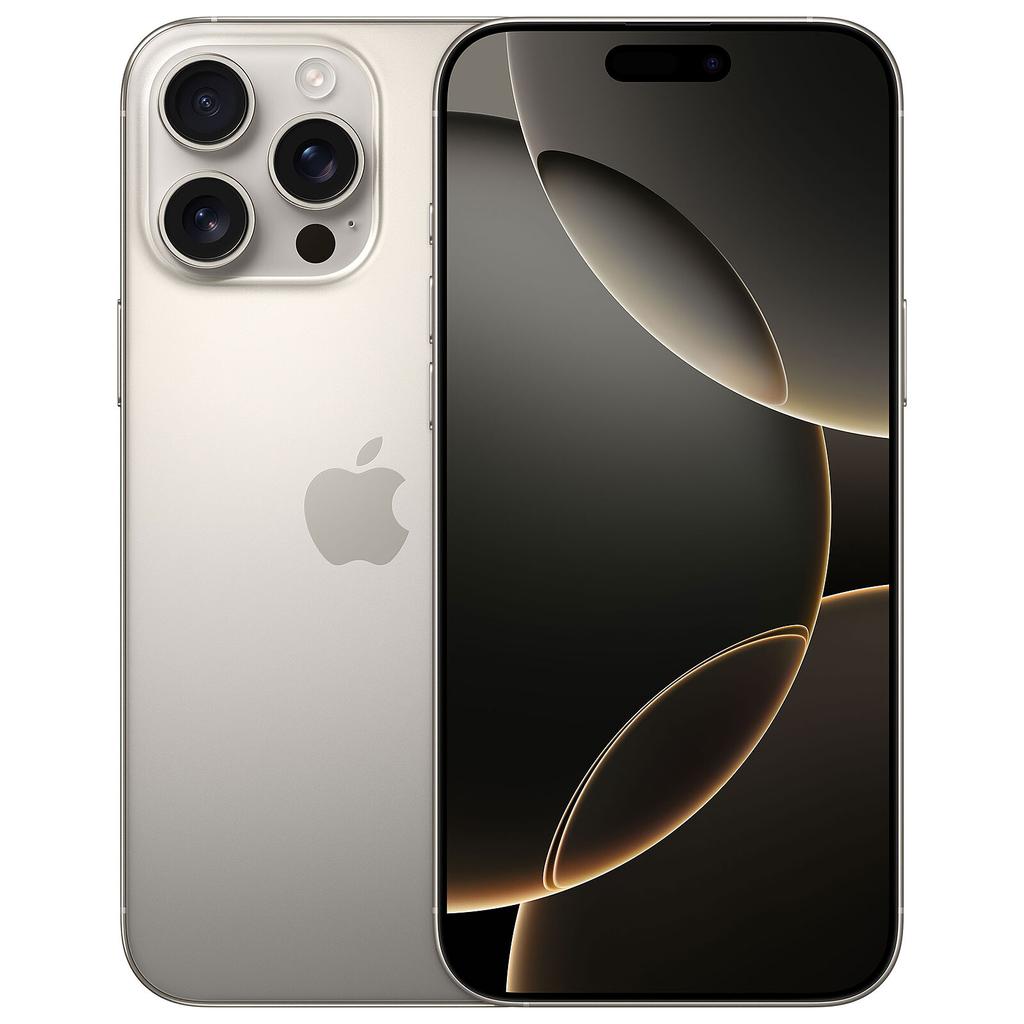
The iPhone 18 Pro and iPhone 18 Pro Max are expected to retain a three-camera Pro setup, including a dedicated telephoto camera for proper optical zoom. They may also gain variable aperture hardware on the main camera, although the exact feature split has not been confirmed.
Here is the expected difference based on current leaks:
| Camera feature | iPhone Ultra | iPhone 18 Pro / Pro Max |
| Main camera | 48MP expected | 48MP expected |
| Ultrawide camera | 48MP expected | 48MP expected |
| Dedicated telephoto | Not expected | Expected |
| Long-range optical zoom | Limited | Proper optical zoom expected |
| Face ID hardware | Not expected | Expected |
| Touch ID power button | Expected | Not expected |
Why would the most expensive iPhone have fewer cameras? Space.
The Ultra is reportedly around 4.5 to 4.8mm thick when opened. Apple has to fit a flexible screen, hinge, battery cells, logic board, cooling system and camera modules inside two extremely thin halves. A folded phone also needs to remain thin enough that it doesn’t feel like two Pro Max models taped together.
The telephoto assembly is the easiest large component to sacrifice. Unfortunately, it is also one of the main reasons people buy a Pro iPhone, and with refurbished Pro Max and Pro models now costing less than $600 in most cases, it’s going to be a tough sell.
The missing lens would affect portraits, concerts, pets, children, travel photography and any shot where you cannot physically walk closer. Digital cropping from a 48MP main sensor can provide a decent 2x view, but it cannot replace a proper long-range optical camera.
The Ultra is also expected to drop Face ID and use Touch ID in its power button instead. That may be a reasonable engineering compromise, but it adds to the strange value equation. You could pay roughly twice the price of a normal Pro model and receive fewer rear cameras plus an older form of biometric authentication.
The iPhone Ultra will sell its folding display as the reason to accept those cuts. Whether a larger screen is worth losing the complete Pro camera system will depend on how you use your phone.
For me, it isn’t.
The iPhone Ultra’s Biggest Problem Is The iPhone 18 Pro
Apple doesn’t need the Ultra to beat Samsung. It first needs to convince iPhone buyers not to purchase its own cheaper Pro models.
The iPhone 18 Pro and Pro Max should offer the same generation of Apple chip, a stronger camera system, Face ID, a normal durable display and none of the first-generation hinge worries. They will also cost roughly $1,000 less, depending on final pricing.
The Ultra gives you one major thing they cannot: a tablet-sized screen that folds into your pocket.
For a small group of buyers, that will be enough. They will preorder it immediately, opening stock will disappear, delivery times will slip and Apple will declare the launch a success.
But selling out one million launch units does not mean Apple has produced the next iPhone. It means Apple found one million people willing to spend $2,500 on an unusual first-generation device.
Vision Pro found several hundred thousand people willing to do something similar. Look how that went.
Should You Avoid The First iPhone Ultra?
Unless you actively need a folding screen, yes. And if you do want a foldable for normal-phone money, a refurbished Google’s Pixel 9 Fold can now be had for a very approachable price tag (when compared to the $2500+ Apple will want for its Ultra phone).
The first Ultra is shaping up as a fascinating piece of hardware and a bad value purchase. It will be expensive, difficult to find, less capable as a camera than the Pro Max and dependent on new software that nobody outside Apple has properly used yet.
Waiting one generation gives Apple time to improve the hinge, raise production, refine the software and work out whether it can fit a telephoto camera into the body. It also lets somebody else discover what a folding iPhone costs to repair after the warranty expires.
If you simply need a better iPhone, the Pro or Pro Max will make far more sense. If even those prices feel excessive, check the latest refurbished iPhone deals or use our phone finder to compare cheaper models.
You can also visit our main Apple hub for current models, comparisons and buying guides.
The iPhone Ultra could turn out to be brilliant. But based on what has leaked so far, buying the first one means paying the highest price Apple has ever charged for an iPhone while accepting a surprising number of compromises.
Early adopters are going to love it.
Everyone else should probably wait.
Sources & Side Quests
- Ming-Chi Kuo on iPhone Ultra production, demand and pricing
- Reuters on current Samsung foldable pricing and market conditions
- Counterpoint shipment share data reported by Electronics Weekly
- IDC foldable forecasts and Apple’s projected share
- Financial Times reporting on Vision Pro production and demand
- Reported iPhone Ultra camera compromises
- GSMArena on the reported US-first iPhone Ultra release
Buying tools
Thinking About Buying an iPhone?
Compare current refurbished prices, see how it stacks up against alternatives, and avoid overpaying for the wrong model.
Recommended for this article