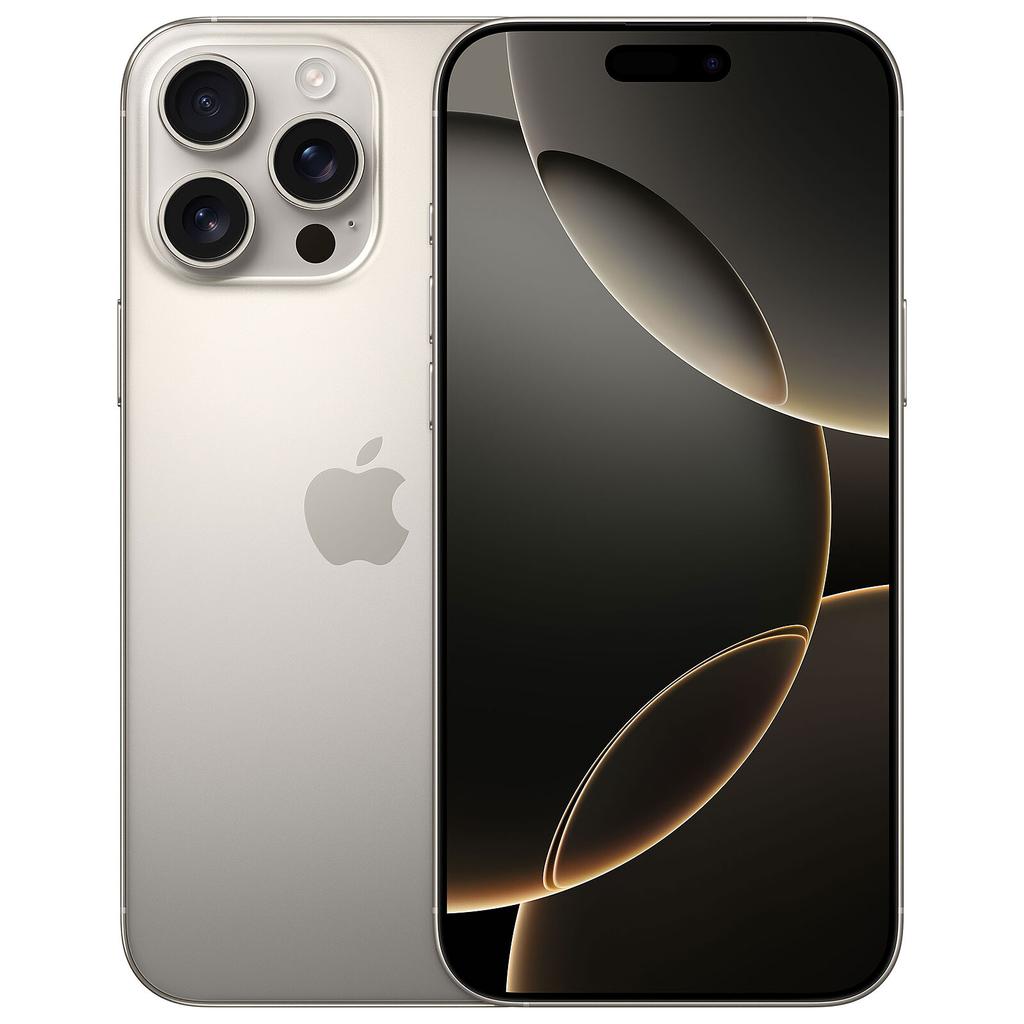
Why The iPhone 18 Could Be Apple’s Most Expensive iPhone Ever
It’s not Apple chasing bigger margins. It’s a memory crisis driven by AI infrastructure gobbling up global supply — and it’s about to make new iPhones seriously expensive.
AI infrastructure is consuming global memory supply. That’s pushed memory from roughly 10% of Apple’s iPhone bill of materials last year to a reported 34% on the iPhone 18 series — and potentially 40% by 2027.
Apple has done this before with MacBooks — cutting margins to shield customers from cost increases. But with memory costs expected to keep rising indefinitely, there’s only so much it can absorb before shareholders push back.
Sales grew 22% year on year in 2025. But modern phones aren’t dramatically different from what came before, and rising prices make it harder to justify upgrading. That up-and-to-the-right trend looks fragile heading into 2027.
Flagship Pro Max models from the iPhone 15 and 16 series are already available refurbished for around 40% less than new. The gap between new and refurbished is only going to widen as iPhone 18 pricing lands.
Want flagship performance without the iPhone 18 price tag? Browse our vetted refurbished iPhone deals.
See Refurbished iPhones →Apple’s iPhone 18 series might just be the most expensive series of phones (when adjusted for inflation) the company has ever released. You can find out more about potential launch and release dates in this guide.
Apple tends to increase prices most years, but the price hikes in 2026 will dwarf what we’ve seen in previous years. And the reason? It’s not Apple chasing better margins or returns for its investors. It’s memory. Specifically, a complete drought of the stuff, thanks to nearly all of it being gobbled up by AI infrastructure.
I say, might, because there’s a good chance that Apple, keen to protect its cash cow, will do something similar to what it did with its most recent slew of MacBooks: reduce its margins to absorb most of the additional costs associated with memory acquisition.
Can Apple Wait-Out The Current Memory Crisis?
But that’s just speculation on my part. Plus, with the cost of memory expected to increase more or less indefinitely, there’s only so much “absorbing” Apple can do before its shareholders start asking questions.
Analyst Jeff Pu believes Apple could raise the price by as much as $250 to $300 when the phone launches this September. With the current iPhone 17 Pro starting at $1,099, that would put the iPhone 18 Pro somewhere around $1,349 to $1,399.
In a research note seen by 9to5Mac, Pu also pointed to similar increases outside the US. Apple’s US and UK pricing currently sits at broadly comparable headline figures, which means British buyers could be looking at an increase of roughly £250 to £300.
That sounds extreme, but the prediction isn’t coming out of nowhere.
Pu has a decent record with Apple supply-chain reports. The Wall Street Journal has also separately predicted a $200 to $300 increase for the iPhone 18 Pro. And with memory, storage and advanced chip costs rising across the industry, the conditions are already in place for Apple to charge more.
Put simply, this isn’t one analyst throwing out a wild number. Several reports are now pointing in the same direction, and the wider phone market is giving Apple plenty of cover to do it.
iPhone sales have been impressive these past few years, growing 22% year on year in 2025. But given the nature of modern phones (they’re not that different from what came before) and the cost of memory, it’s hard to see this up-and-to-the-right trend continuing into 2027.
Add in the fact you can now pick up flagship Pro Max models from the iPhone 15 and iPhone 16 series for 40% less refurbished, and the case for always buying new starts to look shaky.
I run a refurbished iPhone 15 Pro Max, for instance, and it’s a powerhouse. It does everything I need and, most importantly, it cost me less than a new base model iPhone 17. Go figure!
Apple has always been big on its margins; it’s part of the reason it’s been so successful for so long. But a sustained threat to its margins, like the one presented by the current memory shortage, can only be viewed one way: as an existential threat to its value as a company.
Google, Samsung, and every other phone brand is in the same boat too. You need memory to make phones. If the costs get too high, long-established brands that don’t have quite as much operating cash as Apple and Google will fold.
Memory Is Now The Single Largest Part of Apple’s Bill of Materials For Its iPhone 18 Phones
Memory has always been costly but increased demand from AI companies and supply-side constraints have jacked up acquisition costs from around 10% of the total bill of materials on last year’s iPhone to a reported 34% on the new iPhone 18 series. In 2027, again, according to market data, that figure could rise to close to 40%.
And that will mean new iPhones will have to cost more, and not just a little more either. It’ll be a lot more. An uncomfortable amount. We saw this coming a few years ago which was one of the main reasons we pivoted the site towards a focus on refurbished technology. Phones aren’t getting better liked they used to, the difference between the iPhone 16 and the iPhone 17 is barely noticeable unless you’re a trained reviewer.
Which means it is now easier than ever to get the phone you want, with the performance and specs you need, for a price that you can actually handle. Don’t believe me? Use our phone finder tool to check out how much you could save on your next phone versus buying a new one.
Buying tools
Thinking About Buying an iPhone?
Compare current refurbished prices, see how it stacks up against alternatives, and avoid overpaying for the wrong model.
Recommended for this article