
Key Takeaways
ConvertKit is not a CRM, but it integrates well with most good ones using native integrations or tools like Zapier.
But for most creators (myself included) Brevo is the most affordable, best value and most feature-rich option.
I switched over to it from HubSpot in 2024 and haven’t looked back.
- HubSpot and Zoho offer the best free or low-cost starting points with room to grow.
- Clientjoy is tailor-made for creators and freelancers who need proposals, invoicing, and client dashboards.
- Pipedrive and Close are best if your workflow is more sales-focused and involves calling clients / leads.
ConvertKit isn’t a CRM, and that’s fine. It doesn’t pretend to be one.
It’s great for email marketing.
But it’s not built to manage client pipelines, track sales, or generate proposals and invoices.
Stuff you start to need as your project or side hustle begins to grow.
It doesn’t matter if you’re running a coaching business, selling digital products, or managing client work, you’ll eventually need:
- Deal and pipeline tracking
- Custom workflows
- Integrated communication (calls, SMS, email sequences)
- A client dashboard or portal
- Invoicing and proposal tools
The good news? ConvertKit integrates easily with most modern CRMs via native apps or tools like Zapier and Make.
That means you can connect your email lists with your CRM workflows and stop switching tabs 50 times a day.
I use Brevo for pretty much everything these days. I switched last year when HubSpot became too expensive.
I tried out at a few options, the best of which, including HubSpot, it’s free tier is decent, are listed out below.
I’ve tried to cover as much ground as possible with my recommendations. But the guiding principle was that they should work for SMEs and creators, not big, lumbering enterprise companies.
You don’t have to pay $1,000+ for a new phone. Buying refurbished saves you, on average, 40% to 50%.
Which means you skip the inflationary price hikes, side-step the 2026 memory cost crisis, and still get the flagship performance and specs you want.
Recommended Options For 2026Top CRM Recommendations for ConvertKit Users
| CRM | Best For | Key Strengths | Pricing Notes |
|---|---|---|---|
| HubSpot CRM | Best Free All-In-One Option | Free core tools, pipeline tracking, marketing automation, clean UI | Excellent free tier, but paid plans escalate |
| Zoho CRM | Best Value for Automation & AI Features | Highly customizable, scalable, good integrations, strong automation tools | Free tier; paid plans are affordable |
| Clientjoy | Best for Freelancers & Solopreneurs | Built for creators, includes invoicing, proposals, client portal, email tracking | Starts around $44/month (billed annually) |
| Pipedrive | Best for Visual Pipeline Management | Intuitive UI, drag-and-drop pipelines, built-in sales assistant | Reasonably priced for what you get |
| Close | Best for Sales-Driven Creators | Email + SMS automation, built-in calling, advanced reporting | Mid-tier pricing; no free plan |
What Makes These CRMs Stand Out
✅ HubSpot CRM – Best for Getting Started Free
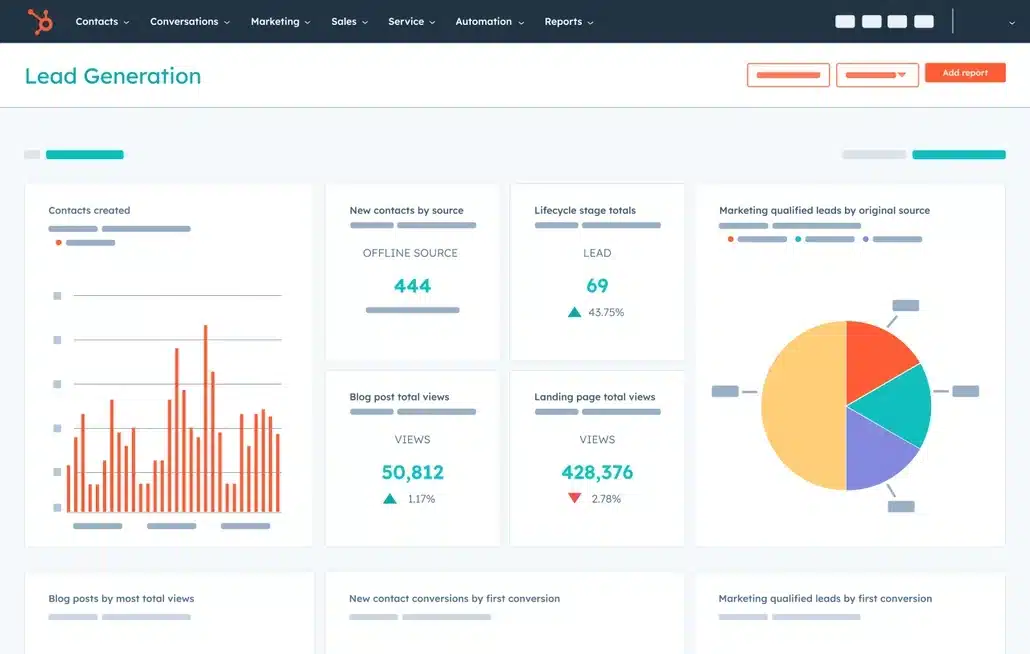
If you’re just getting going and want something that feels premium without the price tag, HubSpot CRM is a no-brainer.
- Visual sales pipelines
- Email tracking & templates
- Basic automation included
- Great UI that doesn’t feel bloated
Things To Keep In Mind
HubSpot offers a powerful ecosystem, but it’s often overkill for solo creators and side hustlers. And prices can escalate quickly on paid plans.
All the big stuff is hidden behind a paywall. You can do the basics on the free tier but not much else.
Between the hidden costs, confusing pricing tiers, and limited flexibility on lower plans, it’s better suited to fast-scaling startups or mid-sized businesses with dedicated marketing budgets.
If you’re running a smaller operation, platforms like Zoho CRM, EngageBay, or Clientjoy usually give you more value with simpler pricing and the core features you actually need.
Who it’s for: Email-heavy creators or freelancers needing a central place to manage leads and automate basic follow-ups without spending anything upfront.
💸 Zoho CRM – Best Value for Growing Businesses
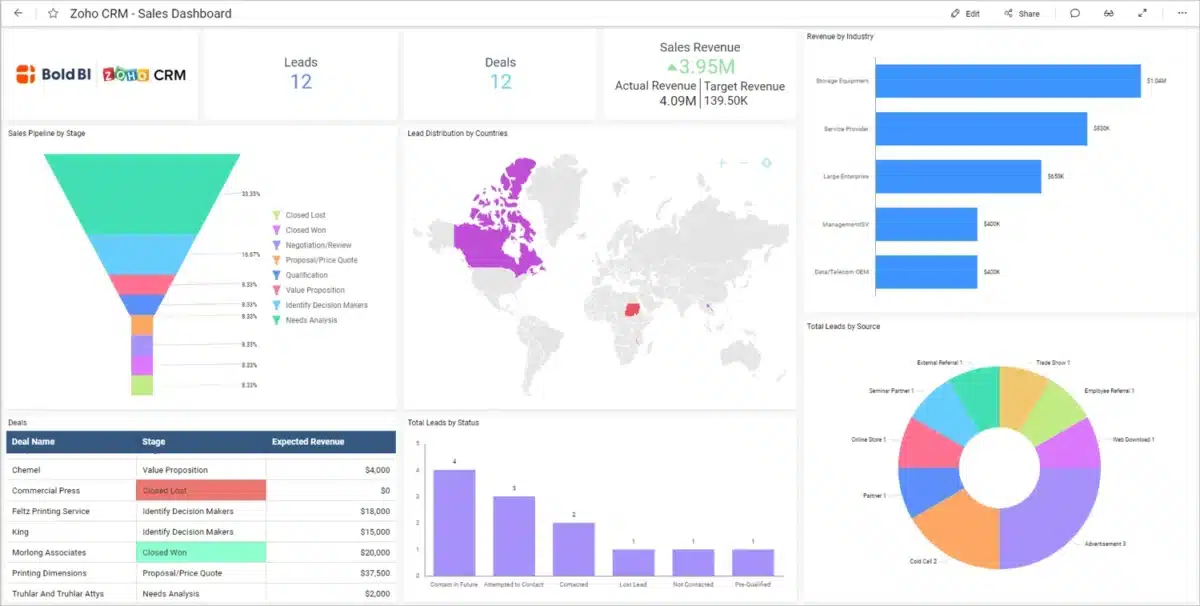
Zoho has quietly built one of the most complete CRMs for small businesses. Its automation features rival much more expensive platforms.
For creators that want to keep costs down to a minimum without sacrificing much-needed features, it is a very attractive platform.
And it plugs in natively to ConvertKit, so no need to get all fiddly with Zapier, Make or N8N.
- Strong AI assistant (“Zia”)
- Robust lead scoring and email marketing tools
- Native integration with tools like ConvertKit, Gmail, Slack
Who it’s for: Growing side hustlers who want to build repeatable systems and scale intelligently without needing a team of 10.
Clientjoy – Built for Creators, Not Corporates
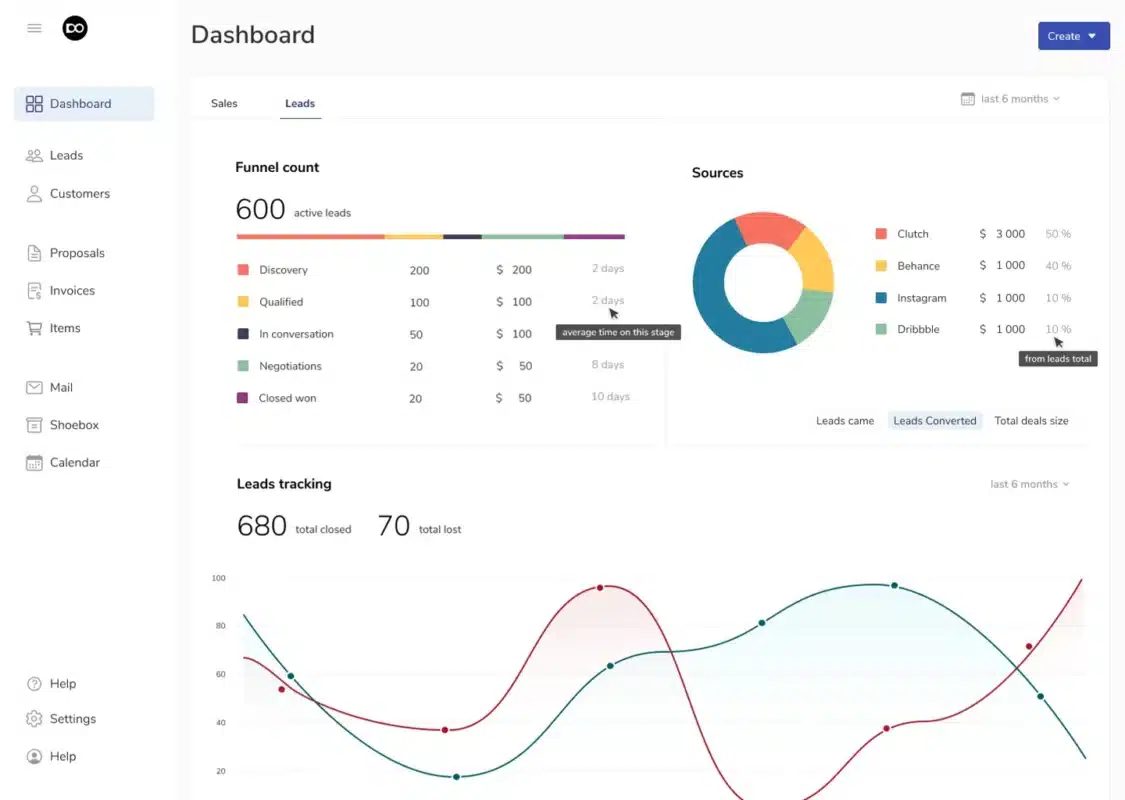
Clientjoy is built for people selling services: coaches, consultants, designers, and marketers.
In this respect, it is probably the most suited CRM to those working in the creator economy.
Like ConvertKit, it doesn’t try and be everything to everyone. This is a CRM built for people that sell digital products, services, or work as consultants and freelancers.
This is the CRM I actually use at my content marketing agency, OptimalSauce.
- Proposals, contracts, invoicing built in
- Client portals (super helpful for freelancers)
- Great customer support
Who it’s for: Anyone doing client work or selling packages that need simple invoicing and clear client communication.
Pipedrive – Simple and Sales-Focused
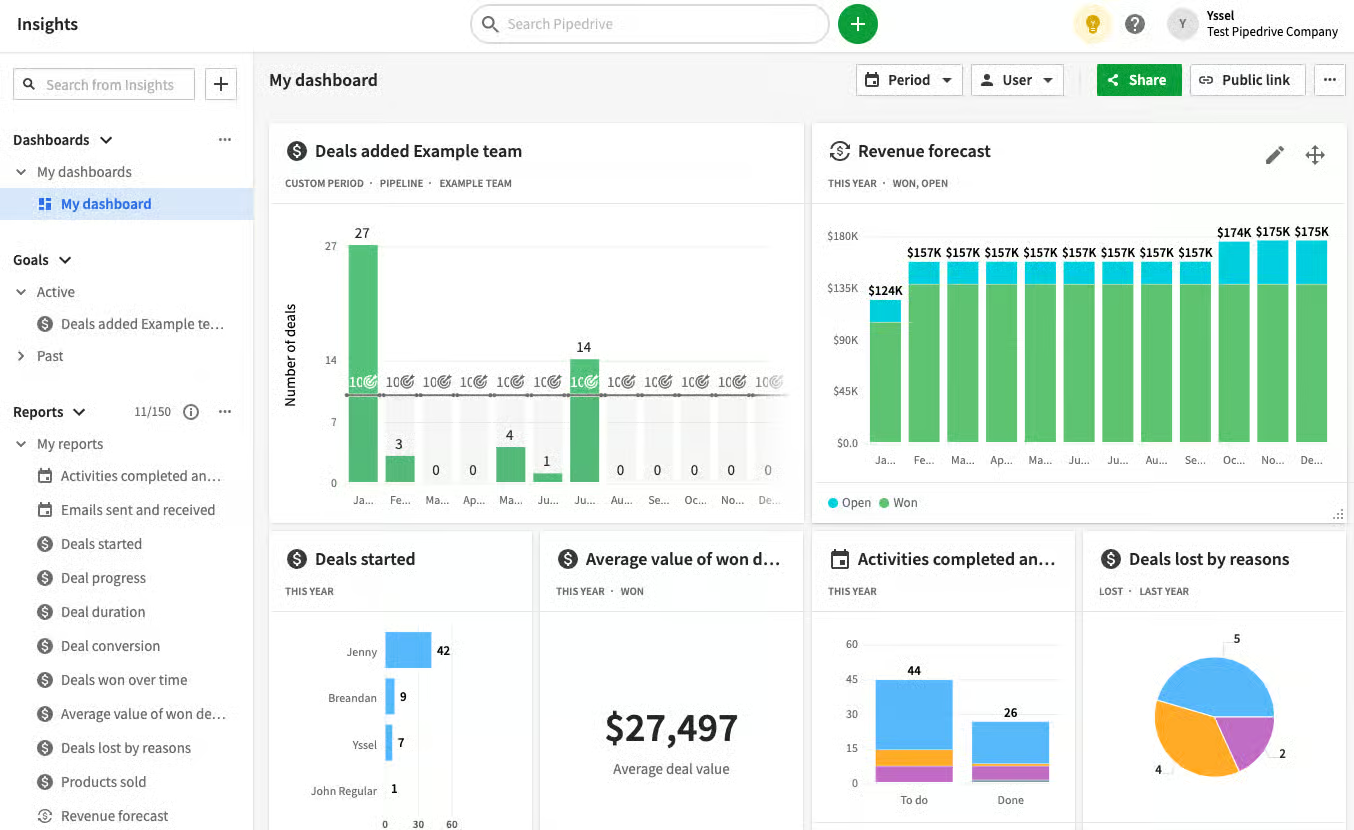
Pipedrive nails pipeline management, as you’d expect from its name. This aspect is kind of its whole deal, so if that’s what you’re looking for most, it’s your boy.
If you’ve got a straightforward sales process and just need a tool to keep your funnel moving, it’s a solid pick with a simple setup process and great integration options.
- Visual deal tracking
- Email sync + templates
- Mobile app is actually usable
Who it’s for: Creators who run their business like a sales machine and need a CRM that helps close deals, not just track contacts.
Close – For Sales-Heavy Creators Who Like To Call Clients / Leads
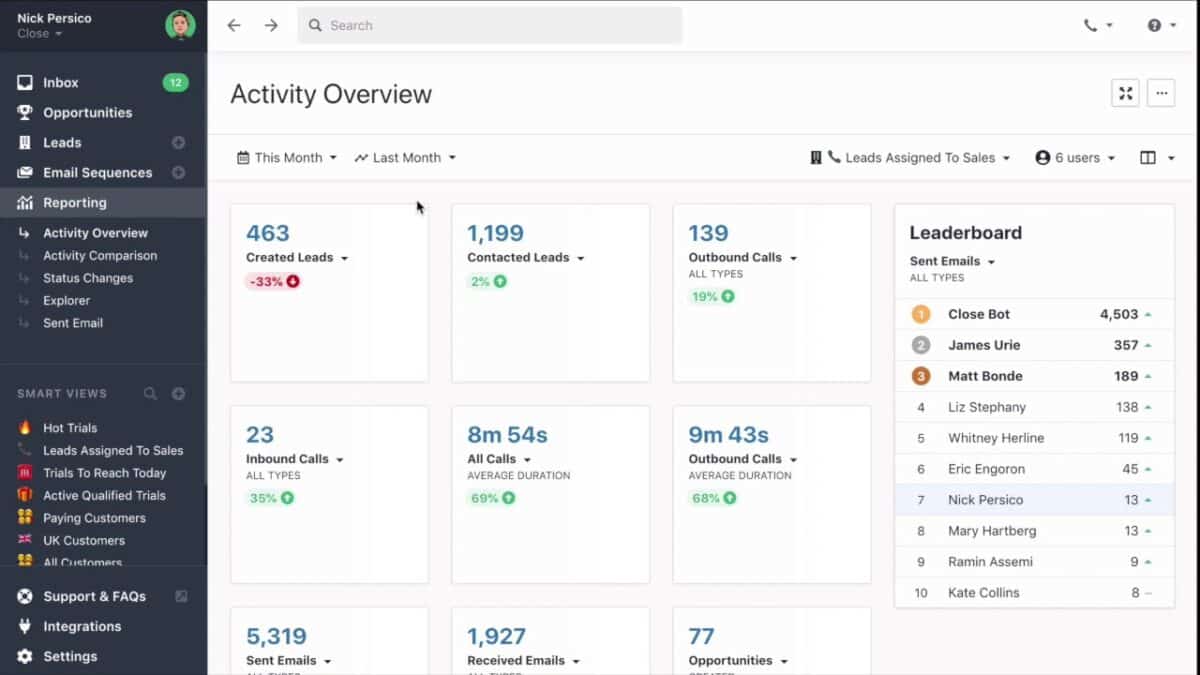
Close CRM is all about fast, efficient, high-touch sales.
Probably not ideal for creators but I included it because I know plenty of digital marketers that rely heavily on call-based lead conversion.
Turns out quite a lot of people actually like speaking to a human before committing to a large monthly fee for a service. Whoda thunk it!
Built-in calling, texting, and email sequencing make it perfect if you’re doing discovery calls or outreach.
- Powerful follow-up automation
- Reporting built for actual action
- Native calling + SMS from the dashboard
Who it’s for: Creators or solopreneurs who do a lot of sales calls, DMs, or outbound — and need a system to keep up.
You’re paying too much for data. Way too much.
Visible+ gives you unlimited premium data on Verizon’s 5G Ultra Wideband network, plus hotspot data and travel perks.
Compare top-ranked plansVisible+ includes
- Unlimited premium dataVerizon 5G Ultra Wideband
- Unlimited hotspot dataSpeeds up to 15 Mbps
- Travel extrasCanada and Mexico coverage, plus 2 days of Global Pass each month
Final Thoughts: Which CRM Should You Pick?
Most creators and side-hustlers don’t need the same kind of CRM that 7-figure per month e-commerce brands use.
You just need the basics.
And the options outlined in above are the ones we’ve used and tested on a range of small-to-medium sized projects.
Here’s a quick breakdown of which option is best for whom:
- Starting from scratch? 👉 Go with HubSpot CRM (just be wary of the price escalation on the paid tiers; it’s steep)
- Want best value + automation? 👉 Pick Zoho CRM
- Freelancer, coach or creator with digital products, courses or paid memberships? 👉 Clientjoy is made for you
- Like visual funnels? 👉 Go with Pipedrive
- Do a lot of sales calls? 👉 Use Close
Whatever you pick, make sure it integrates cleanly with ConvertKit so you’re not duplicating work.
The goal here is less tab-switching, more growth.
If you’re a straight-up creator with a digital product-focuses business, I really like ClientJoy.
It’s simple to use, cost-effective, and it has all the tools you need to run a small-to-medium-sized creator business.
It’s actually what I use to manage leads and clients for my content marketing agency.
And we’ve been using it for 24+ months now after switching from FluentCRM.
So, far no complaints.
Keep reading
More useful guides from this section of KnowYourMobile.
