
TL;DR: Our Recommendations For The Best Refurbished iPhones To Buy In 2026
The best refurbished iPhone for most buyers is the iPhone 15 256GB (Unlocked).
It brings USB-C charging, the Dynamic Island interface, a 48MP main camera, and iOS software support well into the 2030s, and all for hundreds less than buying new.
Recommended Options:
- Best overall: iPhone 15 256GB (Unlocked) — USB-C, Dynamic Island, 48MP camera, and years of iOS updates ahead.
- Best premium: iPhone 16 Pro Max 256GB (Unlocked) — the most capable iPhone you can buy, refurbished at a meaningful saving.
- Best for camera obsessives: iPhone 15 Pro 256GB (Unlocked) — ProRes video, 48MP main, 3x telephoto, titanium build.
- Best value: iPhone 13 256GB (Unlocked) — the minimum floor for anyone buying used, with A15-class performance and a respectable remaining update window.
- Budget entry: iPhone 14 128GB (Unlocked) — the honest choice if you want modern features without stretching to an iPhone 15.
- Always filter for 85%+ battery health. Anything under 80% is a dealbreaker on a used handset.
- Unlocked stock only. Carrier-locked iPhones look cheaper but create real headaches. Avoid them.
What Is the Best Refurbished iPhone to Buy Right Now?
The iPhone 15 (Unlocked) is the best refurbished iPhone for most people in 2026. It sits at the sweet spot of modern hardware, remaining iOS support, and price.
You get the switch to USB-C, the Dynamic Island replacing the old notch, and a significantly upgraded 48MP main camera over the iPhone 14.
It also uses the same A16 Bionic chip found in the iPhone 14 Pro, so day-to-day performance is genuinely excellent.
If you want to spend less, the iPhone 13 (Unlocked) is the minimum we’d recommend on a used device.
It is still a capable phone, but the update window is narrowing and the gap to an iPhone 14 or 15 is closing on price every month.
For a broader look at the best refurbished phones across all brands, including Google Pixel and Samsung Galaxy alternatives, our full guide covers every angle.
Best Refurbished iPhones by Budget
Here is a quick comparison of every model we recommend, with our take on who each one is for.
| Model | Best For | Storage Sweet Spot | Standout Feature |
|---|---|---|---|
| iPhone 16 Pro Max | Power users and creators | 256GB+ | Camera Control button, Apple Intelligence, 5x telephoto |
| iPhone 15 Pro | Photography and ProRes video | 256GB | ProRes recording, 48MP main, titanium frame |
| iPhone 15 | Best overall | 256GB | USB-C, Dynamic Island, 48MP camera |
| iPhone 14 | Budget-conscious buyers | 128GB | Crash Detection, solid A15 Bionic |
| iPhone 13 | Tight budget, minimum floor | 256GB | A15-class chip, reliable performance |
Best Overall: Refurbished iPhone 15 (Unlocked)
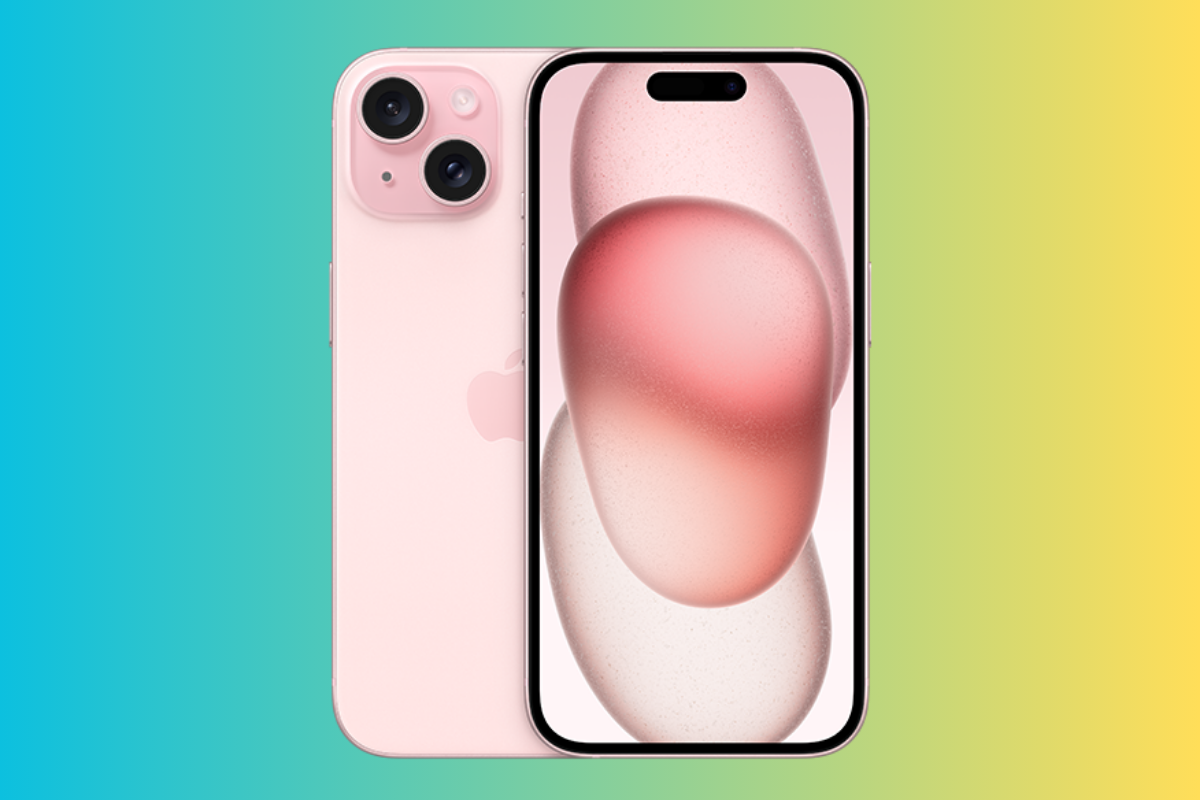
The iPhone 15 256GB (Unlocked) is the phone I would hand to almost anyone asking for a used iPhone recommendation in 2026. Here is why it keeps topping the list.
Apple switched the iPhone 15 to USB-C. This means you can finally use the same cable for your phone, laptop, and iPad, which sounds like a small win until you realise how many charging bricks you can retire.
The Dynamic Island is also a genuine quality-of-life upgrade.
Having live sport scores, navigation, and music controls sitting at the top of the screen without cluttering the notification bar is one of those things you stop noticing until you go back to an older phone and feel the absence.
The 48MP main sensor is a significant step up from the 12MP camera in the iPhone 13 and 14. Low-light photos are noticeably sharper.
Portrait mode is more reliable.
And the iPhone 15 still has enough iOS update runway ahead of it to make this a genuinely future-proof buy at the refurbished price point.
Go for 256GB if you can.
The jump from 128GB costs relatively little on a refurbished unit and the headroom matters if you are shooting a lot of photos, downloading apps, or keeping music offline.
Best Premium: Refurbished iPhone 16 Pro Max (Unlocked)
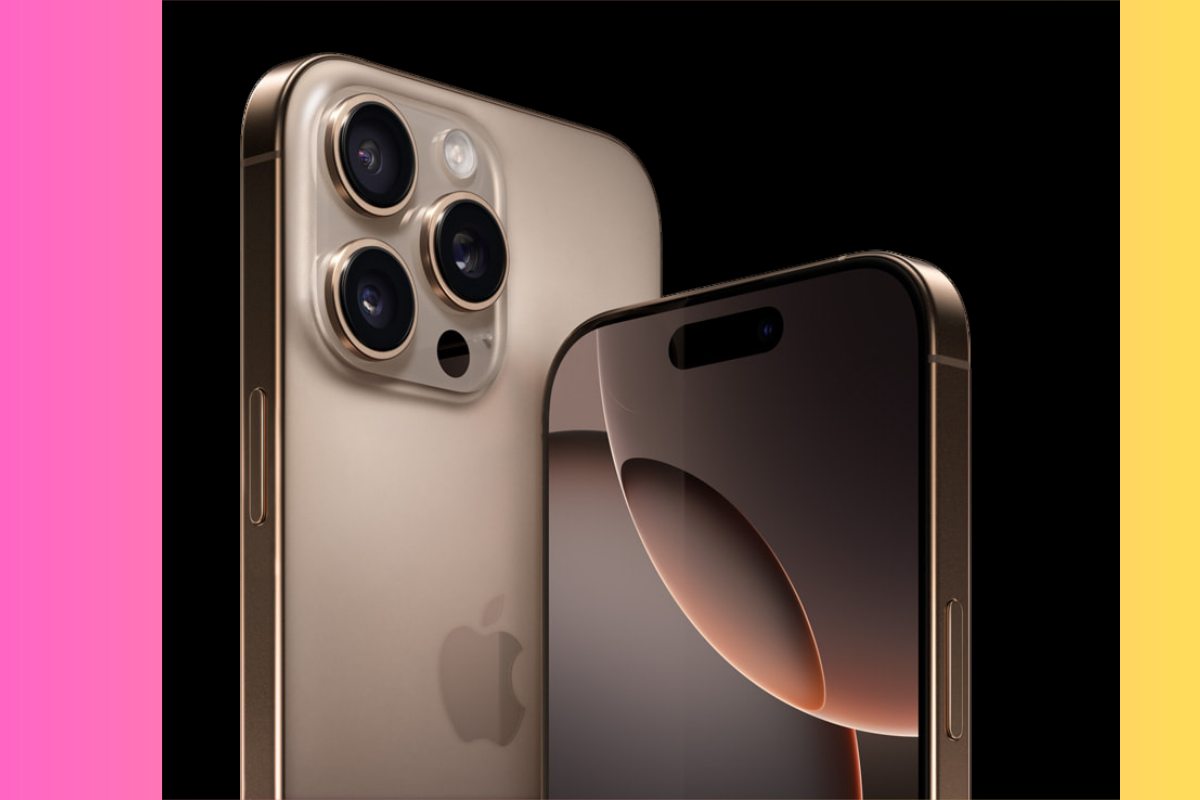
If budget is not the primary concern and you want the best Apple handset available on the refurbished market, the iPhone 16 Pro Max 256GB (Unlocked) is the one to get.
The 16 Pro Max introduced a dedicated Camera Control button on the side of the frame, which gives you hardware-level access to the camera system independently of the touchscreen.
In practice, this is genuinely useful for video. It also carries Apple Intelligence features, the A18 Pro chip, and a 5x telephoto lens that makes it exceptional for travel and sports photography.
The titanium build and larger display round out a package that is hard to argue with.
The iPhone 16 Pro (Unlocked) is the same story in a slightly smaller, lighter chassis. If you find the Pro Max too large to use one-handed, this is the cleaner pick.
Did You Know? Apple introduced the Camera Control button on the iPhone 16 series as a physical shutter and video control. It uses capacitive touch and pressure sensitivity rather than a mechanical click, so it will not wear out the way a traditional button does. On a refurbished 16 Pro Max, it should feel and function exactly like new.
Best for Photography: Refurbished iPhone 15 Pro (Unlocked)
The iPhone 15 Pro 256GB (Unlocked) sits in a compelling position in 2026.
It is significantly cheaper than the iPhone 16 Pro on the refurbished market and the camera system is only one generation behind.
You get a 48MP main sensor, a 12MP ultrawide, and a 3x telephoto lens.
ProRes video recording is available natively in the app, which means serious content creators can shoot broadcast-quality footage directly to the phone.
If you are building content for YouTube, Instagram, or TikTok and want the best used phone for video without paying flagship-new prices, the 15 Pro is the call.
Check our guide on the best used phones for content creators for more on this.
The titanium frame also makes it noticeably lighter than the stainless steel iPhone 14 Pro, which matters if you are holding it for long shooting sessions.
Best Value: Refurbished iPhone 13 (Unlocked)
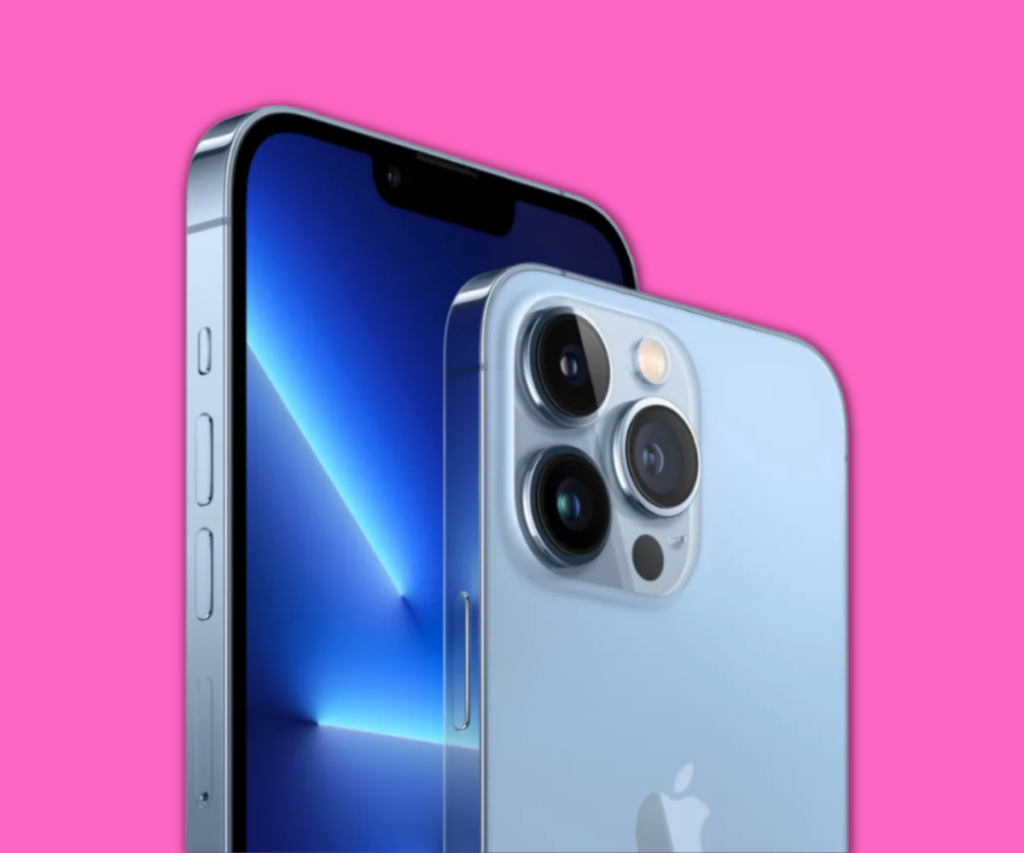
The iPhone 13 256GB (Unlocked) is the minimum floor for a used iPhone recommendation from us.
It runs the A15 Bionic chip, delivers genuinely good battery life for a phone its age, and still receives current iOS updates.
The honest caveat is that its update window is narrowing. Apple typically supports iPhones for around six years, and the iPhone 13 launched in September 2021. Y
ou are getting a capable phone, but you are not getting the longevity you would from an iPhone 14 or 15.
For a deeper look at how long refurbished iPhones stay supported, our iOS update lifespan guide breaks this down by model in full detail.
If you want the camera boost without the higher price tag, the iPhone 13 Pro 128GB (Unlocked) is also worth a look.
It adds a 3x telephoto lens and ProMotion 120Hz display over the standard iPhone 13, and refurbished prices on the 13 Pro have come down considerably.
Budget Entry: Refurbished iPhone 14 (Unlocked)
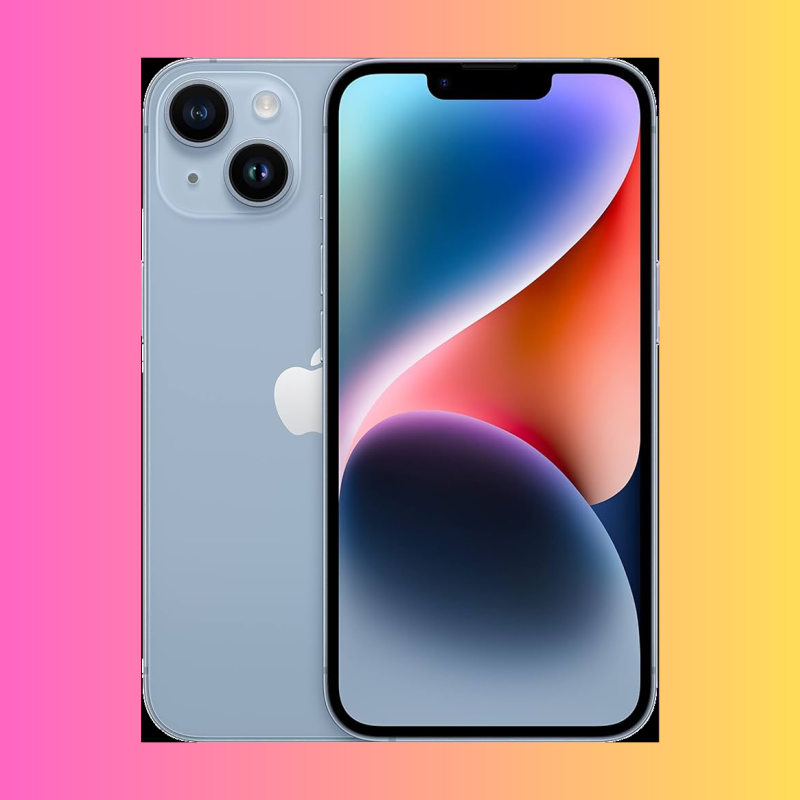
The iPhone 14 128GB (Unlocked) sits in an interesting position.
It runs the same A15 Bionic chip as the iPhone 13, so day-to-day speed is essentially identical.
What you do get over the 13 is Crash Detection, Emergency SOS via satellite, and a slightly improved front camera system with autofocus.
It is not a dramatic upgrade on paper, but the iPhone 14 gives you an extra year of iOS update support over the iPhone 13.
That year matters when you plan to keep a phone for two or three years.
If the price gap between the 13 and the 14 is small on the refurbished market, always go with the 14.
For those looking at cheap refurbished smartphones with no firm brand preference, it is also worth comparing the iPhone 14 against Android alternatives at a similar price point before committing.
What Specs Should You Check Before Buying a Refurbished iPhone?
Battery health is the most important spec to verify on any used iPhone, and it is the one most buyers overlook.
- Go to Settings, Battery, Battery Health.
- If the maximum capacity is below 85%, keep looking.
- Below 80% and you will be reaching for a charger by early afternoon on a busy day.
Beyond battery health, run through this list before purchasing:
- Unlocked status. Always confirm the phone is network-unlocked. Carrier-locked iPhones look cheaper but restrict your SIM options and complicate reselling later.
- IMEI check. Run the IMEI number through Apple’s coverage checker or a third-party service to confirm it is not reported lost or stolen.
- Face ID or Touch ID. Test biometric authentication on arrival. A third-party screen replacement can break Face ID permanently.
- Camera and speakers. Open the Camera app and test both front and rear sensors. Play audio through the speakers at full volume. These are the first things to degrade on a heavily used phone.
- Activation Lock. Make sure the previous owner’s Apple ID is removed before you accept the handset.
If you have more questions about the buying process, our refurbished phone FAQ hub covers every common concern from grading systems to return policies.
Pro Tip: On iPhones running iOS 16 and later, go to Settings, General, About and look for “Parts and Service History.” This tells you whether any components, including the screen, battery, or camera, have been replaced with non-Apple parts. It is a two-second check that can reveal a lot about a phone’s history.
How Long Will a Refurbished iPhone Last?
A refurbished iPhone from the iPhone 13 onwards will realistically last you three to four years of active use from today.
Apple’s iOS update support is the core argument for buying used iPhones over used Android devices.
The company typically pushes major software updates to a device for around six years after launch, which is well ahead of most Android manufacturers.
The iPhone 15 is the safest long-term buy right now. It should receive iOS updates through to at least 2029, and its hardware remains genuinely fast.
The further back you go in the iPhone range, the more of that update window you have already used up. This is the argument against buying an iPhone 12 or anything older on the used market.
For the full breakdown of remaining update support by model, see our dedicated iOS software longevity guide.
Should You Buy 128GB or 256GB on a Refurbished iPhone?
Go for 256GB. Full stop.
The 128GB base storage looks attractive on price, but it fills up faster than most people expect, especially once iOS system files, app caches, and a growing photo library start competing for space.
On a refurbished handset, the price gap between storage tiers is often smaller than buying new, which makes upgrading easier to justify.
The only exception is the iPhone 14, where the refurbished price difference between 128GB and 256GB can be more significant.
If budget is tight and you actively manage your photo library with iCloud offloading, 128GB is workable. Otherwise, buy up.
Which Refurbished iPhones Should You Avoid?
Avoid anything older than the iPhone 13.
The iPhone 12 and below are too close to the end of their iOS update support to be worth buying used in 2026.
An iPhone 11, for example, could be cut from iOS updates as early as next year.
You would be paying for a phone that is about to stop receiving security patches, which is a real risk on a device you use for banking, messaging, and payments.
Also avoid carrier-locked stock at all costs.
Carrier-locked iPhones appear regularly on secondary markets at lower prices, but they restrict your network options and add complication if you ever want to sell.
Only buy unlocked stock. All the models featured in this guide are confirmed unlocked from the KYM refurbished phone database.
For the latest deals on unlocked, vetted stock, check our current refurbished phone offers page.
And if you want to know which retailers to trust, our best refurbished phone sites roundup covers the ones worth your money.
Know Your Mobile Verdict
The refurbished iPhone market in 2026 is in excellent shape for buyers.
The iPhone 15 is the standout recommendation for most people: modern enough to feel current, well priced on the used market, and with enough iOS runway to justify the purchase.
If you are on a tighter budget, the iPhone 14 is still a capable device, just go in with eyes open on the narrowing update window.
Whatever model you choose, the rules are the same: unlocked only, 85%+ battery health, and always run the IMEI before handing over money.
Pro Tip: Before you buy, check Apple’s official coverage checker with the device’s IMEI. It takes 30 seconds and confirms the phone is not reported stolen, is eligible for AppleCare, and is genuinely unlocked. It is the single most underused step in the refurbished buying process.
Frequently Asked Questions
What is the best refurbished iPhone to buy in 2026?
The iPhone 15 256GB (Unlocked) is the best refurbished iPhone for most buyers in 2026. It delivers USB-C charging, a 48MP main camera, the Dynamic Island interface, and solid remaining iOS update support for significantly less than buying new. The iPhone 15 Pro is the upgrade if you want ProRes video and a telephoto lens.
Is it safe to buy a refurbished iPhone?
Yes, provided you buy from a reputable seller and verify the IMEI before purchase. A refurbished iPhone that has been professionally graded and inspected is functionally identical to a new device. Always check battery health (target 85%+), confirm unlocked status, and test Face ID and cameras on arrival. Our refurbished phone guide covers the full checklist.
How long does a refurbished iPhone last?
A refurbished iPhone 13 or newer should give you three to four years of reliable use from today. Apple supports iPhones with iOS updates for around six years after launch, which is the key longevity argument for buying used iPhones over Android alternatives. The iPhone 15 has the most update runway of the models currently available at a strong refurbished price point.
Should I buy a refurbished iPhone 13 or iPhone 14?
If the price gap is small, always choose the iPhone 14. Both run the A15 Bionic chip and deliver similar day-to-day performance, but the iPhone 14 adds Crash Detection, Emergency SOS via satellite, and an extra year of iOS update support. The iPhone 13 is still a solid device, but the update window is narrowing and the gap on price at the refurbished level is often minimal.
What is the minimum battery health I should accept on a refurbished iPhone?
Filter for 85% battery health as your minimum on any refurbished iPhone. Below 80% and you will notice the impact on screen-on time within weeks. Go to Settings, Battery, Battery Health on the device to check before or immediately after purchase. Any reputable refurbished retailer will provide this figure upfront. If they do not, that is a red flag.
Is 128GB or 256GB better for a refurbished iPhone?
256GB is the better choice for most people. The 128GB base storage fills up faster than expected once iOS system files, apps, and a growing photo library compete for space. On the refurbished market, the price gap between storage tiers is often narrower than buying new, making it easier to justify the step up. Only consider 128GB if you actively use iCloud to offload photos and your budget is genuinely tight.
Looking for more guidance on pre-owned handsets across all brands? Browse the full range of refurbished smartphones on Know Your Mobile.