
Refurbished iPhone 16 Buying Guide: Is It Worth It?

Written by
New to refurbished phones? Download our free PDF guide for first-timers.
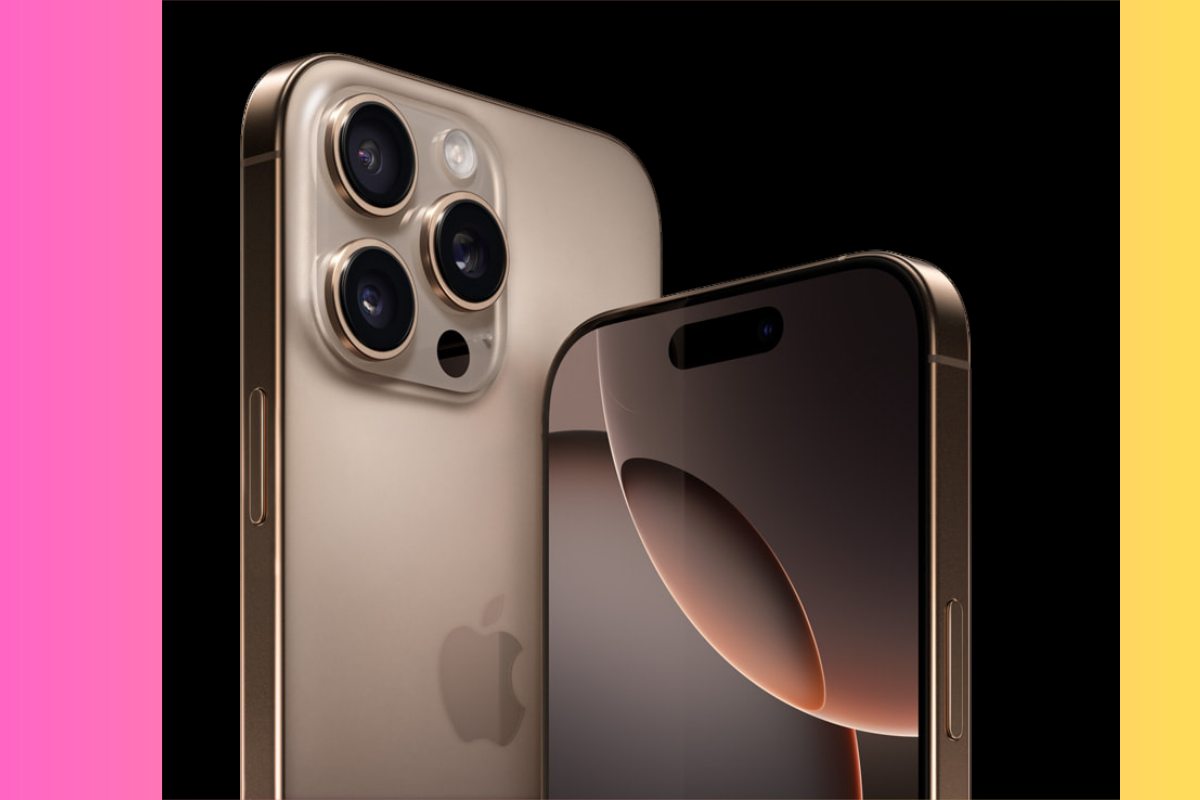
Is It Worth Buying A Refurbished iPhone 16 Instead of A New iPhone 17?
| Your priority | Best pick |
|---|---|
| Best all-round value | iPhone 16 256GB |
| Best battery life (non-Pro) | iPhone 16 Plus |
| Best camera system | iPhone 16 Pro / Pro Max |
| Biggest screen + best battery | iPhone 16 Pro Max |
| Tightest budget, still current-gen Apple | iPhone 16e |
| Content creation and video | iPhone 16 Pro Max 512GB |
Before you pull the trigger on a brand new iPhone 17 this year, ask yourself this question: do I really need the latest model? Think about what you do with your phone, what matters the most to you.
For like 99.9% of people, an 18-month or 24-month old iPhone model will do much the same. And the best part? Refurbished phones cost like 40% less.
Which is why a refurbished iPhone 16 is one of the best-value smartphones you can buy in 2026 because they are now depreciating in value because the iPhone 17 is here.
And while an iPhone 16 model is more of a stretch than the now awesomely-approachable iPhone 15 series, Apple’s newer iPhone 16 models possess a few things that their iPhone 15 counterparts do not.
- You get Apple’s A18 chip, Camera Control, Action Button, USB-C, and full Apple Intelligence support
- Prices have now come down thanks to release of iPhone 17, so there’s mega savings to be had (upwards of 40%).
If you’re shopping the best refurbished phones right now, the iPhone 16 series sits in a genuinely interesting position.
It’s new enough to feel properly current, depreciated enough to offer real savings, and feature-complete enough that most buyers won’t feel like they’ve missed anything by skipping the iPhone 17.
I’ve been through the specs, the pricing, and the real-world differences. Here’s the honest case — no spin.
Is a Refurbished iPhone 16 Worth Buying in 2026?
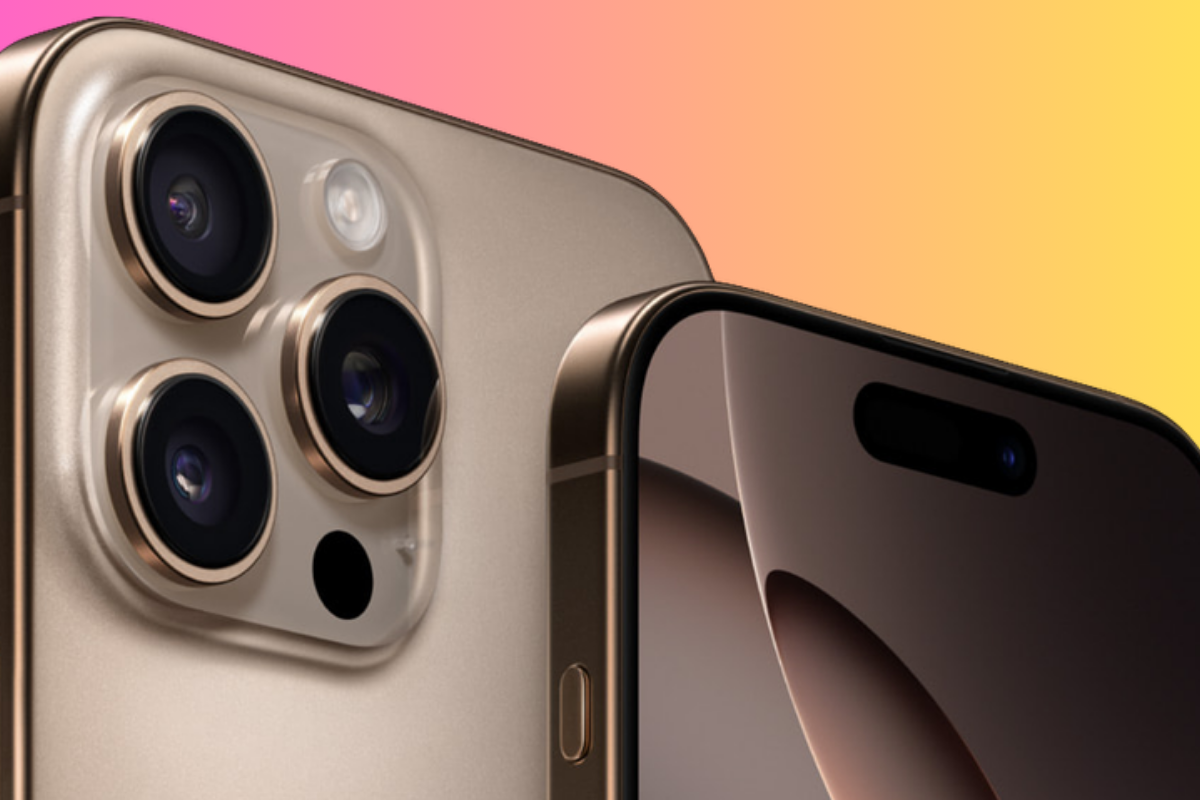
Yes, and more clearly so than most refurbished iPhone generations at this stage of their lifecycle.
The iPhone 16 launched with the A18 chip, Camera Control hardware button, Action Button (now standard across the range, not just Pro), USB-C, and Apple Intelligence compatibility.
Those are meaningful upgrades over the iPhone 15, and they’re all still relevant in 2026. The iPhone 17 improves on some of these areas, but the gap for most users will be barely perceptible.
The savings are real, however, as herd demand flocks over to the newer, shinier iPhone 17 series.
Unlocked iPhone 16 models are available in our refurbished phone database at substantially below new iPhone 17 pricing, and the functional difference in day-to-day use is modest at best.
Refurbished iPhone 16 vs New iPhone 17: A Quick Comparison
Back in the early days of smartphones, each new generation of iPhone brought with it massive leaps forwards with respect to performance and features.
Nowadays, that’s simply no longer the case. You’re looking at modest performance boosts that you’d only discover by running the phone through a benchmark tool. Slight improvements to camera performance.
Nothing major, basically. As you can see in the table below, the difference between the iPhone 16 and iPhone 17 is not as night and day as Apple’s marketing department would have you believe.
| Feature | iPhone 16 (Refurbished) | iPhone 17 (New) |
|---|---|---|
| Chip | A18 | A18 Pro (in base model) |
| Apple Intelligence | ✅ Yes | ✅ Yes |
| Camera Control | ✅ Yes | ✅ Yes |
| Action Button | ✅ Yes | ✅ Yes |
| USB-C | ✅ Yes | ✅ Yes |
| ProMotion (120Hz) | Pro/Pro Max only | All models |
| Charging speed | Improved but not class-leading | Further improved |
| Price vs equivalent new | Significantly cheaper | Full launch pricing |
The verdict: The iPhone 17 brings a faster chip, ProMotion across the range, and better charging. For heavy gaming, 4K video editing, or if you want the absolute latest, it matters. For everyone else — messaging, social, streaming, everyday photos — a refurbished iPhone 16 closes that gap fast and pockets the difference.
The 5 Reasons to Buy a Refurbished iPhone 16 Over a New iPhone 17
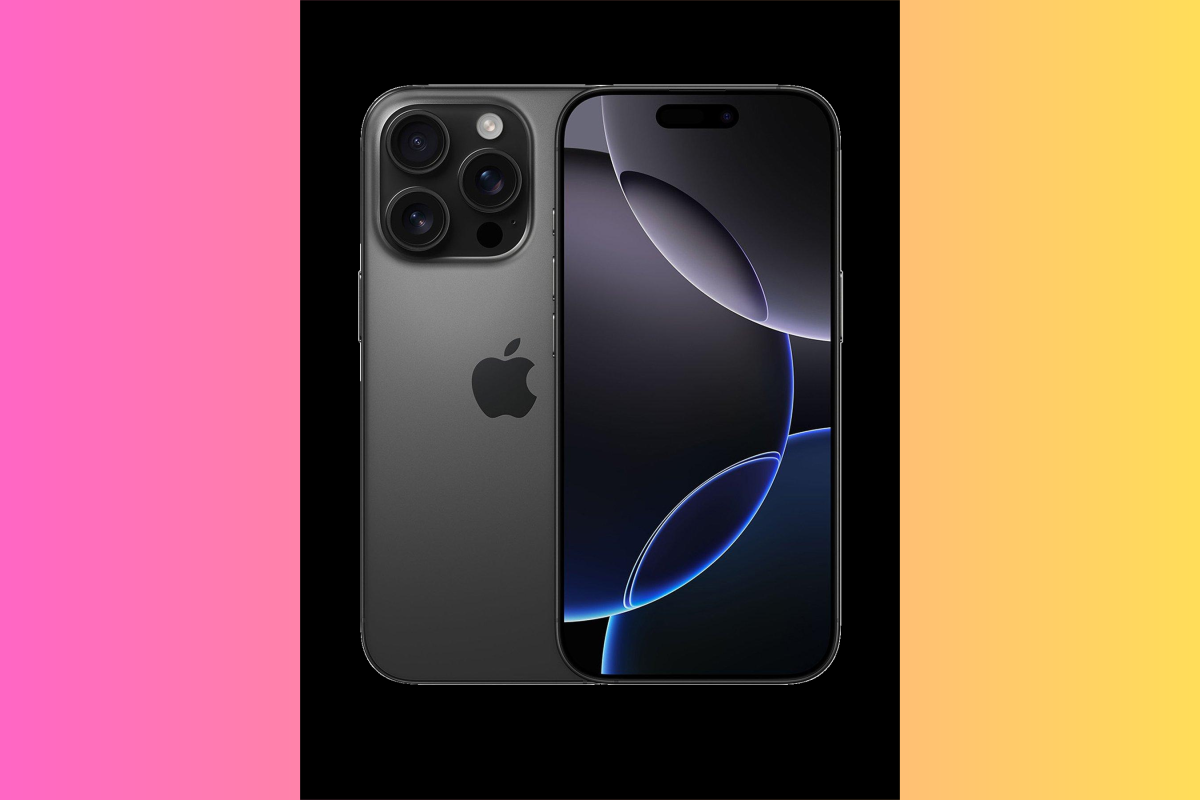
1. Apple Intelligence support is already there
Apple Intelligence — Apple’s on-device AI system for writing tools, smart replies, image generation, and Siri improvements — requires an iPhone 15 Pro or later, or any iPhone 16 model.
A refurbished iPhone 16 clears that bar. You’re not buying into an outdated platform; you’re getting the full current Apple software experience.
2. The A18 chip is still very fast
The A18 in the base iPhone 16 and A18 Pro in the Pro models are not outperformed by the iPhone 17’s chip in any use case that most people encounter. CPU gains between generations are incremental now.
The only place the iPhone 17 pulls clearly ahead is GPU-heavy work — gaming at high settings, sustained ProRes video capture. If that’s you, factor it in. If it’s not, the A18 is overkill in the best possible way.
3. Camera Control changes how you shoot
Camera Control is a dedicated hardware button on the side of every iPhone 16 model.
It’s a capacitive button that lets you launch the camera, adjust zoom, switch shooting modes, and fire the shutter — all without touching the screen.
It sounds like a small thing until you’ve used it daily. It’s one of the features that makes the iPhone 16 feel genuinely different from the 15, and it’s present on the entire refurbished 16 range.
4. USB-C is now the standard — and the 16 has it
The full switch to USB-C on iPhone 16 means compatibility with one cable ecosystem, faster data transfer on Pro models, and broader accessory support.
Buying a refurbished iPhone 16 means you’re not inheriting a Lightning device heading into an increasingly USB-C world.
5. Software longevity is excellent
Apple’s iOS update lifespan for the iPhone 16 series is estimated conservatively at six or more years from launch.
Buying a refurbished iPhone 16 in 2026 still leaves you with multiple years of full iOS support ahead. Like well into the mid-2030s which means you get plenty of ROI on your purchase.
Which Refurbished iPhone 16 Should You Buy?
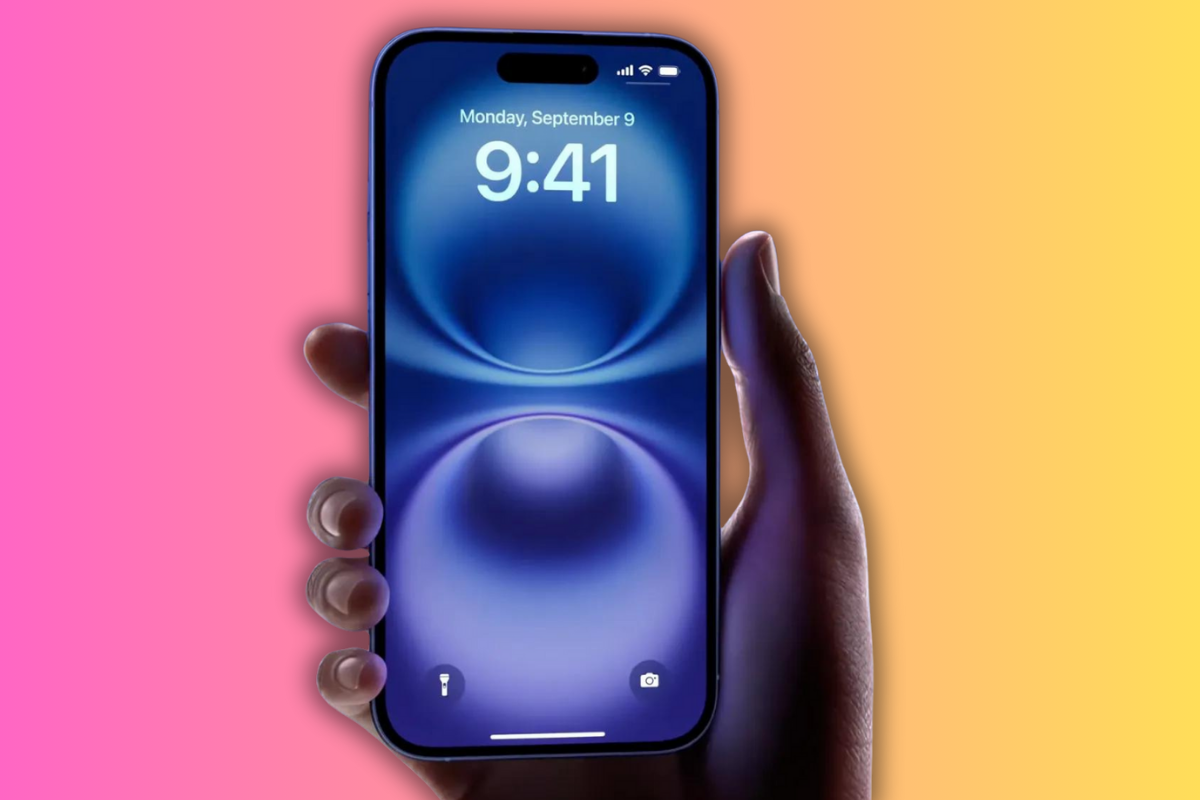
Here’s the model-by-model breakdown, matched to buyer type, with links to available stock.
iPhone 16 — Best for: Most people who want a clean upgrade
The case for it: The base iPhone 16 128GB is the entry point to everything that matters in this generation — A18 chip, Camera Control, Action Button, Apple Intelligence, USB-C. It’s the one to recommend to most people without qualification. If storage is a concern, the iPhone 16 256GB is the one to shortlist.
- Trade-offs: 6.1-inch screen, 60Hz display, no telephoto lens. If any of those are dealbreakers, look at the Pro.
- Storage advice: 128GB works if you use iCloud for photos and music. 256GB is the safer long-term pick.
iPhone 16 Plus — Best for: Battery-first buyers and big-screen fans
The case for it: The iPhone 16 Plus 128GB is arguably the smartest refurb buy in the entire range right now. You get the biggest battery in the non-Pro lineup, a 6.7-inch screen, and everything the base 16 has — for less than the Pro, and with a lower refurb premium than the Pro Max. It’s consistently undervalued.
If you want to step up storage, the iPhone 16 Plus 256GB is worth the marginal difference.
- Trade-offs: Still 60Hz, still no telephoto. But the battery life genuinely sets it apart from the base model — comfortably a two-day phone for moderate users.
- Who to recommend this to: Anyone who hates charging anxiety, anyone upgrading from a Plus or Max model, anyone who does a lot of reading or streaming.
iPhone 16 Pro — Best for: Power users who want the full package without Pro Max sizing
The case for it: The iPhone 16 Pro 128GB brings the features that genuinely separate the Pro tier: ProMotion 120Hz display, the 3x telephoto lens, a larger sensor, 4K 120fps video, and the titanium build. This is where the camera story changes — the Pro’s triple-lens system is a meaningful upgrade if you shoot a lot.
The iPhone 16 Pro 256GB is the one to go for if video is part of your workflow. ProRes footage and Log video eat storage fast.
- Trade-offs: Costs more than base/Plus in refurb pricing. The iPhone 17 Pro does outperform it on chip and some camera metrics, but the real-world delta for most photography use cases is narrow.
- Who to recommend this to: Content creators, photographers, anyone who had a Pro model before and doesn’t want to downgrade the camera experience.
iPhone 16 Pro Max — Best for: Creators & Camera Geeks
The case for it: The iPhone 16 Pro Max 256GB is the full package: the biggest battery in the iPhone 16 lineup, the largest ProMotion display, the most capable camera system, and titanium. For video-focused users or anyone who genuinely needs maximum battery life and maximum camera, the Pro Max is the one.
The iPhone 16 Pro Max 512GB makes sense specifically if you’re recording video directly to the device — ProRes and cinematic video formats will fill 256GB faster than you expect.
- Trade-offs: The most expensive refurb option in the range. The value argument depends entirely on whether you need the big format — if you’re after saving money and don’t need the camera system, the Plus is a smarter buy.
- Who to recommend this to: Filmmakers, travel photographers, social content creators, and anyone who wants the best Apple has without paying full new-phone pricing.
iPhone 16e — Best for: Apple ecosystem buyers on a tight budget
The case for it: The iPhone 16e 128GB is Apple’s affordable 2025 entry point — and it does carry the A16 chip, Apple Intelligence support, and USB-C. It’s not the same as buying a full iPhone 16, but if the budget is a hard constraint and you want a current-gen Apple device with update longevity, it’s a credible option.
- Trade-offs: Single rear camera, no Action Button, no Camera Control, smaller battery than the standard 16. This is a budget device — price it accordingly. If you can stretch to the base iPhone 16, do so.
At-a-Glance: Which iPhone 16 Is Right for You?
| Your priority | Best pick |
|---|---|
| Best all-round value | iPhone 16 256GB |
| Best battery life (non-Pro) | iPhone 16 Plus |
| Best camera system | iPhone 16 Pro / Pro Max |
| Biggest screen + best battery | iPhone 16 Pro Max |
| Tightest budget, still current-gen Apple | iPhone 16e |
| Content creation and video | iPhone 16 Pro Max 512GB |
What to Check Before You Buy Any Refurbished iPhone 16
You’re buying a used lithium-ion battery pack inside an aluminium or titanium chassis — both components age differently, and both matter.
- Battery health — Aim for 85% or above. Apple’s battery health indicator (Settings > Battery > Battery Health) tells you exactly where the cell sits. Reputable refurbishers grade or replace batteries; if the listing doesn’t mention battery health, ask before you buy.
- Cosmetic grade — Grade A means minimal to no visible wear. Grade B means light marks. Don’t pay Grade A prices for a Grade B unit.
- Network lock status — Always buy unlocked if you can. Carrier-locked devices restrict you to one network and reduce resale value.
- Warranty — A minimum of 12 months is reasonable from a reputable seller. Anything less is a red flag.
- Return window — 30 days is the standard. You need time to check Face ID, the cameras, the speakers, and the charging port under real conditions.
Have more questions about the buying process? The refurbished phone FAQ hub covers grading, warranties, and what to look for in detail.
Know Your Mobile Verdict
The refurbished iPhone 16 makes a genuinely strong case right now. The iPhone 17 is faster on paper, but it doesn’t change the daily experience enough to justify paying full new-device pricing when a refurbished 16 delivers Apple Intelligence, Camera Control, USB-C, and a six-year software runway for significantly less money.
- For most buyers, the iPhone 16 256GB or iPhone 16 Plus 128GB are the picks.
- If you shoot a lot of video or photography, move up to the Pro.
- If budget is the priority, the 16e gets you into the current-gen Apple ecosystem without overpaying.
Pro Tip: Always cross-reference the asking price against the phone’s battery health percentage — not just the cosmetic grade. A Grade A device with 79% battery health is a worse buy than a Grade B device with 91% health. Battery replacement is the most expensive post-purchase cost on any refurbished iPhone; factor it in before you commit.