Consumer Cellular Plans: The Short Version
Consumer Cellular offers contract-free service on AT&T’s network, with its strongest pricing reserved for customers aged 50 and over. Here is what you need to know before signing up.
Customers aged 50 and over can get unlimited service for $35 per month. Younger customers pay more for the same unlimited tier.
Consumer Cellular primarily uses AT&T’s network. There is no extra charge for 5G when you use a compatible phone.
You are not tied to a fixed service term, making it easier to leave if the coverage or plan no longer works for you.
A single unlimited line includes 35GB of high-speed data. Multi-line unlimited accounts normally share 50GB before speeds may be reduced.
AARP members receive 5% off monthly service, reducing the cost slightly further.
Advertised prices do not include taxes and carrier fees. Your final monthly bill may be slightly higher than the headline price.
Best For
- Adults aged 50 and over
- Light and moderate data users
- Couples using a shared plan
- AARP members
- People who prefer telephone support
Consider Another Carrier If You
- Regularly use large amounts of mobile data
- Travel internationally several times a year
- Want major new-phone promotions
- Are aged 18 to 49 and need unlimited data
- Get weak AT&T coverage where you live
Compare Consumer Cellular’s latest prices, data allowances and multi-line options before choosing your plan.
Compare Consumer Cellular Plans →Consumer Cellular is one of those carriers you’ve probably heard of but might not fully understand.
You probably have questions:
- Does it operate its own network?
- Is it only for seniors?
- Is the $35 unlimited plan actually unlimited?
- And if it uses the same towers as a much larger carrier, why not simply join that carrier instead?
Good news: I have answers.
The short version is that Consumer Cellular sells cheaper, simpler phone service using AT&T’s network; it’s what is called an MVNO (Mobile Virtual Network Operator). It’s mainly aimed at people aged 50 and over, although younger customers can join.
For the right person, particularly someone over 50 who uses a moderate amount of data, it’s a decent deal. But it isn’t automatically cheaper than Verizon, and its best prices come with more conditions than the adverts suggest.
My take? Consumer Cellular makes the most sense if you’re over 50, already own a phone and get good AT&T coverage at home. If that’s you, its $35 unlimited plan is the one to go for because it’s the best value by a mile.
If you’re under 50 or regularly use more than 35GB of mobile data, there are better options.
How Much Do Consumer Cellular Plans Cost?
Consumer Cellular offers a mixture of fixed-data and unlimited plans.
| Plan | Monthly price | High-speed data | Best for |
|---|---|---|---|
| 1GB | $20 | 1GB | Calls, texts and very occasional mobile internet |
| 5GB | $25 | 5GB | Light users who spend most of their time on Wi-Fi |
| 10GB | $35 | 10GB | Regular messaging, maps, email and social media |
| 20GB | $45 | 20GB | More frequent smartphone use |
| Unlimited Age 50+ | $35 | 35GB on one line | Most customers aged 50 and over Best Value |
| Unlimited Age 18–49 | $60 | 35GB on one line | Younger customers set on using Consumer Cellular |
Every plan includes unlimited domestic calls and texts.
The prices shown above are for service only. Taxes, government charges, administrative fees and any phone payments are added separately.
There’s also an important age restriction:
- Consumer Cellular’s $35 unlimited plan is only available to customers aged 50 and over. The company requires age verification.
- That restriction completely changes which plan I’d recommend.
- If you’re 50 or older, don’t pay $35 for 10GB. The unlimited plan is better and costs exactly the same and provides 35GB of high-speed data before speeds are reduced.
If you’re under 50, the cheaper fixed-data plans can still make sense. But the $60 unlimited plan is a tough sell when other carriers (my preference would be Mint or VISIBLE) offer unlimited service for considerably less.
You can check Consumer Cellular’s current plans and offers here.
Which Consumer Cellular Plan Is Best?
Which Consumer Cellular Plan Should You Choose?
The right plan depends on your age and how much mobile data you use. Customers aged 50 and over should pay particular attention to the $35 Unlimited plan because it costs the same as the standard 10GB option.
1GB — $20 per Month
For someone who mainly wants a phone for calls, messages and occasionally checking something online. It works best if you spend most of your time connected to Wi-Fi.
The catch: Video, automatic updates and photo backups can use 1GB very quickly.
Only choose this plan if you genuinely use very little mobile data.
5GB — $25 per Month
The best fixed-data plan for most light users. It gives you enough room for Google Maps, email, WhatsApp, web browsing and some social media without costing much more than the basic plan.
It suits someone who has Wi-Fi at home and rarely watches video while away from it.
10GB — $35 per Month
For a younger customer, 10GB covers normal smartphone use as long as you do not regularly stream video over cellular.
Customers aged 50 and over should skip this plan. Unlimited provides far more data for exactly the same price.
20GB — $45 per Month
For more frequent smartphone users who need more than 10GB but do not want an unlimited plan. It provides room for music streaming, navigation and social media away from Wi-Fi.
This plan makes more sense for customers under 50. Older customers can get the Unlimited plan for $10 less.
Unlimited — $35 per Month for Ages 50+
The Consumer Cellular plan that makes the strongest case for switching. It includes unlimited calls, texts and data, with 35GB delivered at high speed on a single line.
Service continues at a lower speed if you pass 35GB. For someone over 50 who uses a normal amount of data, $35 per month is hard to beat.
Two Unlimited Lines — From $55 per Month
Consumer Cellular regularly advertises two unlimited lines for $60 per month. AARP members may qualify for two lines for $55 per month.
The pricing is good, but multi-line accounts share 50GB of high-speed data. You do not receive 50GB on each line.
The 50GB allowance is shared across the account. Consider how much data both people use before switching.
Our recommendation: Choose the $35 Unlimited plan if you are 50 or older. Under-50 customers with modest data needs should start with the $25 5GB plan. Couples should compare the shared 50GB allowance against how much data both lines normally use.
Is Consumer Cellular’s Unlimited Data Really Unlimited?
Yes, but only in the way US phone carriers use the word “unlimited” which is a nice way of saying, it ain’t truly unlimited.
Your data doesn’t completely stop once you hit a set amount. However, Consumer Cellular reduces your speed after you reach its high-speed data threshold.
On most current plans:
- Single-line unlimited accounts receive 35GB of high-speed data.
- Multi-line unlimited accounts receive 50GB of shared high-speed data.
- Speeds are reduced for the remainder of the billing cycle after the threshold is reached.
- Full-speed data returns when the next billing cycle begins.
For normal use, 35GB is a reasonable allowance.
You can browse the web, use maps, check social media, stream music and watch some video without getting close to it.
But it won’t suit everyone.
You could struggle with 35GB if you:
- Watch hours of TikTok or YouTube away from Wi-Fi
- Regularly stream Netflix over cellular
- Use your phone as your main home internet connection
- Tether a laptop for work
- Download large games or software updates
- Upload lots of high-resolution video
- Spend long periods traveling without Wi-Fi
The good news is that Consumer Cellular doesn’t hit you with a huge per-gigabyte overage bill on the unlimited plan. It slows your connection instead.
The bad news is that reduced data can make video, downloads and image-heavy apps painful to use.
What Happens If You Exceed A Limited Data Plan?
Consumer Cellular has a feature called SmartFlex.
If you exceed the data included with a fixed-data plan, SmartFlex can move you to the next suitable plan rather than charging traditional overage fees.
- Say you have the $25 5GB plan and use 6GB.
- Consumer Cellular may move you onto its $35 10GB plan for that billing period.
- It’s better than receiving an unexpected bill containing $50 worth of overage charges.
But your monthly cost can still rise.
It’s also worth checking your plan afterwards. Don’t assume it has automatically returned to the cheaper tier.
You can monitor data use through your online Consumer Cellular account or the company’s mobile app.
What Network Does Consumer Cellular Use?
Consumer Cellular primarily uses AT&T’s network.
It’s an MVNO, which stands for mobile virtual network operator. That means Consumer Cellular doesn’t own a nationwide network of towers. It buys access from a larger carrier and sells that service under its own name.
Consumer Cellular previously provided service through both AT&T and T-Mobile. That’s why you may still find older articles saying it uses both networks.
For a new customer, however, it’s safest to treat Consumer Cellular as an AT&T-based carrier.
That means your local AT&T coverage is far more relevant than Consumer Cellular’s nationwide marketing claims.
Before switching, use the Consumer Cellular coverage map and check:
- Your home address
- Your workplace
- Your daily commute
- Family members’ homes
- Any rural roads you use regularly
- Places where you spend weekends or vacations
Coverage maps show estimated outdoor service. They can’t promise that your phone will work properly in your kitchen, basement, office or local supermarket.
You’ll also probably struggle in busy and densely packed environments like stadiums and theme parks. But this is the case with all carriers, including the big box ones like AT&T and Verizon.
Does Consumer Cellular Get The Same Coverage As AT&T?
Consumer Cellular uses the same underlying AT&T towers, so the basic coverage footprint should be similar.
But “same towers” doesn’t necessarily mean the same performance.
AT&T owns and controls the network. Consumer Cellular buys access to it. During busy periods, customers on different plans or services can receive different data priority.
That difference is most likely to appear in crowded places such as:
- Airports
- Sports stadiums
- Concert venues
- Tourist areas
- City centers
- Shopping malls
- Busy commuter stations
If the network has plenty of spare capacity, you might not notice any difference at all.
Calls, texts, maps and ordinary browsing should work normally with a decent signal. It’s heavier data use where congestion becomes more noticeable.
Does Consumer Cellular Have 5G?
Yes.
Consumer Cellular includes 5G access at no additional monthly cost. You’ll need a compatible 5G phone and local 5G coverage.
When 5G isn’t available, your phone should fall back to 4G LTE.
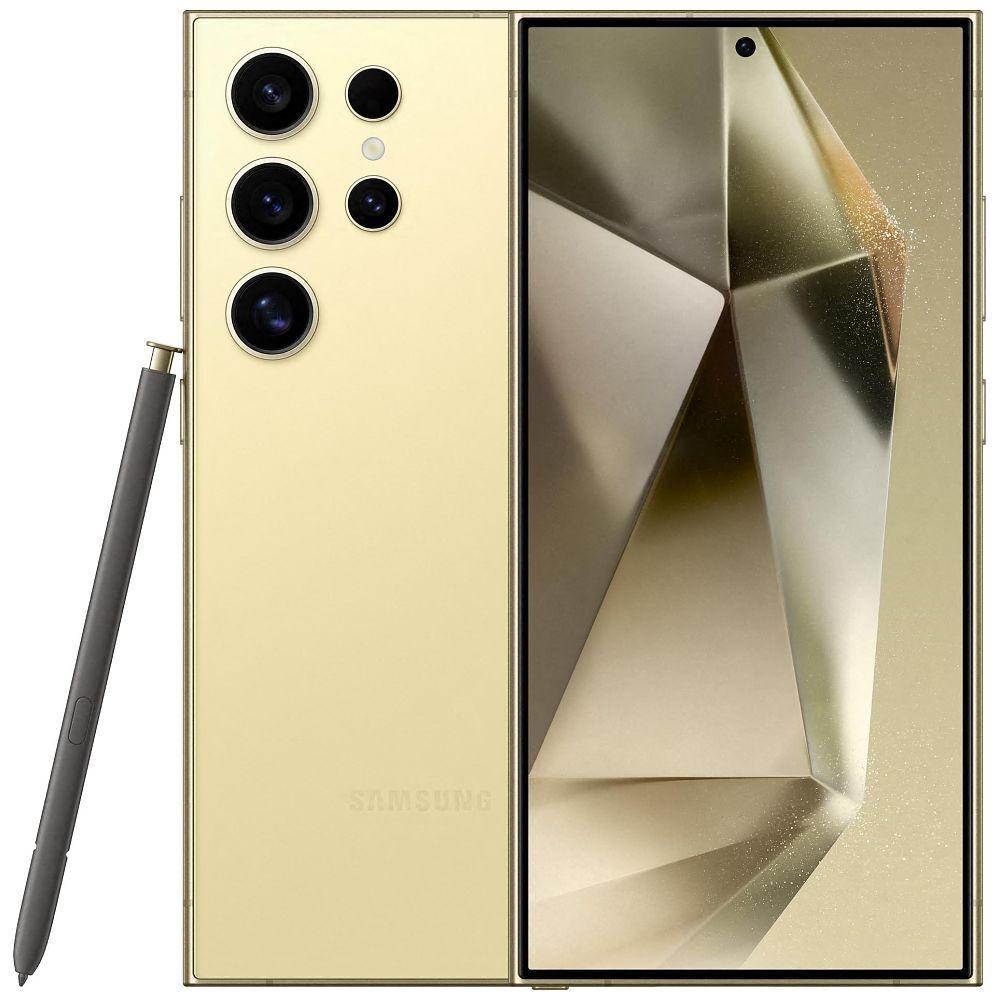
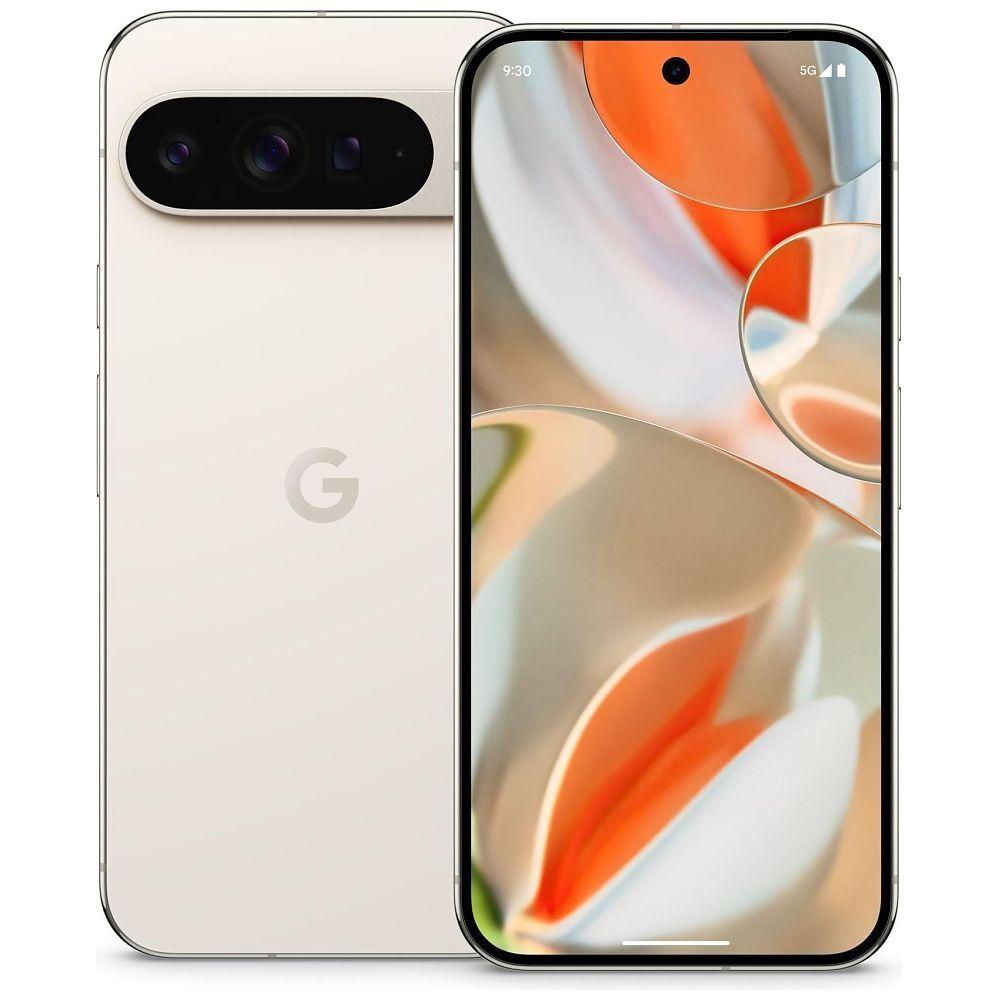
You don’t need to buy an expensive new phone just to use the service. A recent unlocked iPhone, Samsung Galaxy, Google Pixel or Motorola device should normally work, provided it passes Consumer Cellular’s compatibility check.
Is Consumer Cellular Fast?
With a good signal and no major congestion, Consumer Cellular should be fast enough for nearly everything a normal smartphone user does.
That includes:
- Web browsing
- Google Maps
- Video calls
- Music streaming
- Social media
- YouTube and Netflix
- App downloads
The problem isn’t that Consumer Cellular is permanently slow. It isn’t.
The possible speed difference appears when the underlying AT&T network is busy or after you’ve used your high-speed data allowance.
Someone who uses a phone for maps, messaging and occasional video probably won’t care.
Someone tethering a laptop during rush hour in a packed city center might care quite a lot.
Is Consumer Cellular Better Than Verizon?
It can be cheaper than Verizon, but I wouldn’t call it universally better.
The two carriers are aimed at different types of customer.
| Feature | Consumer Cellular | Verizon |
|---|---|---|
| Network | Primarily AT&T | Verizon |
| Starting price | $20 for 1GB | Usually focused on unlimited service |
| Best unlimited price | $35 for customers aged 50+ | Current promotions can start around $30 |
| High-speed data | 35GB single line; 50GB shared on multi-line plans | Premium or unrestricted data available on selected plans |
| 5G | Included | Included |
| Annual contract | No | No |
| Phone promotions | Fairly modest | Often aggressive |
| International roaming | Limited and potentially expensive | Better options on selected plans |
| Mobile hotspot | Uses your normal data allowance | Separate hotspot allowances available |
| Customer support | Strong telephone support focus | Larger store network and more account tools |
| Best for | Older adults and moderate users | Heavy users, families, travelers and deal hunters |
Consumer Cellular is better if:
- You’re 50 or older
- You use less than 35GB per month
- AT&T works well where you live
- You already own an unlocked phone
- You want a simpler plan
- You don’t care about streaming bundles
- You value telephone support
- You’re buying service for two moderate users
Verizon is better if:
- Verizon has stronger coverage at your address
- You use a lot of mobile data
- You need mobile hotspot data for work
- You travel internationally
- You want premium network access
- You want satellite messaging
- You’re combining mobile and home internet
- You want a heavily discounted new phone
Consumer Cellular Vs Verizon: Which Is Cheaper?
This comparison isn’t as easy as it used to be.
Consumer Cellular charges eligible customers $35 per month for unlimited service.
Verizon’s newer Simplicity Plan has a standard price of $45 per line with Auto Pay, but qualifying switchers may currently see it advertised at $30 per month after a $15 switch discount.
Verizon’s plan includes:
- Unlimited premium data
- 5G Ultra Wideband
- 10GB of mobile hotspot data
- Satellite texting
- Call Filter
- Verizon Family
If you can genuinely get Verizon for $30, it’s a better package than Consumer Cellular’s $35 unlimited plan.
The question is what happens after the promotional discount ends.
Verizon has changed its plans, discounts and added fees several times over the past few years. We’ve broken down the current rates, previous increases and costs that don’t appear in the headline price in our Verizon Plan Prices guide.
Compare the price you’ll pay now, the price after introductory credits expire and the full amount after taxes and fees.
That gives you a far more useful answer than comparing two numbers from adverts.
Does Consumer Cellular Have Better Coverage Than Verizon?
That depends entirely on location.
Consumer Cellular uses AT&T’s network. Verizon uses its own network.
AT&T can be stronger in one town while Verizon dominates the next. Even within the same neighborhood, one carrier might work indoors while another struggles.
Consumer Cellular is better if AT&T provides stronger local service. Verizon is better if its towers cover the places you actually visit.
Verizon has a very large and reliable network, but it isn’t immune to problems. Regional failures, damaged fiber connections, software faults and power cuts can still disrupt service.
If network reliability is your main concern, our guide to how often Verizon goes down explains how common major outages are, what normally causes them and how to check whether the problem is your phone or the network.
Is Consumer Cellular Only For Seniors?
No. Anyone aged 18 or older can become a customer.
But Consumer Cellular is clearly built around older users.
You can see that in its:
- AARP partnership
- Age-restricted unlimited pricing
- Flip-phone selection
- Telephone support
- Simpler plan structure
- Setup assistance
- Advertising
There’s nothing technically “senior” about the service. You can use a new iPhone, Pixel or Galaxy phone just as you would on another network.
The difference is how the product is packaged and supported.
This can be a real benefit for someone who doesn’t want to fight through an app, chatbot and community forum just to ask a billing question.
Does Consumer Cellular Offer An AARP Discount?
Yes.
Qualifying AARP members can receive:
- 5% off monthly service
- 30% off selected accessories
- A longer 45-day risk-free guarantee
- Access to special multi-line offers
The 5% discount normally applies to the service portion of your bill. It doesn’t cover phones, taxes or government fees.
On a $35 plan, the discount saves $1.75 per month, or $21 over a year.
That isn’t huge, but it can make an already competitive two-line plan slightly better.
You do not need to be an AARP member to join Consumer Cellular.
Does Consumer Cellular Support Mobile Hotspot?
Yes, on compatible devices and plans.
Hotspot use comes out of your normal data allowance.
If your plan includes 10GB and you use 4GB tethering a laptop, you have around 6GB left for everything else.
Consumer Cellular isn’t designed to replace home broadband. It’s fine for occasional tethering, such as sending an email when hotel Wi-Fi fails, but I wouldn’t choose it for working from a laptop every day.
Verizon provides separate hotspot allowances on several plans, making it a stronger option for frequent tethering.
Can You Call Canada And Mexico For Free?
Consumer Cellular includes calls from the continental United States to Canada and Mexico at no additional charge.
That doesn’t mean you can take your phone to Canada or Mexico and use it normally for free.
These are two different things:
- Calling Canada from the United States
- Roaming while physically inside Canada
The first is included. The second can generate international roaming charges.
Can You Use Consumer Cellular Abroad?
Yes, but it isn’t the carrier I’d choose for frequent international travel.
You may need to contact customer support before leaving the country to enable international roaming. Service availability and pricing depend on your destination, device and account.
Consumer Cellular warns that foreign roaming charges can be delayed before appearing on your bill. That makes it harder to track what you’ve spent in real time.
International Pass options may be available for certain destinations, but confirm the current daily price and included usage before traveling.
If you travel several times a year, Verizon’s higher plans, Google Fi or a separate travel eSIM will usually be easier to understand.
Can You Bring Your Own Phone?
Yes.
You can bring an unlocked compatible phone and usually keep your existing number.
Consumer Cellular will ask for the device’s IMEI number to check compatibility. A recent unlocked iPhone, Samsung Galaxy, Google Pixel or Motorola phone should usually work.
Don’t cancel your existing service before transferring your number.
You’ll normally need:
- Your current phone number
- Your carrier account number
- A number-transfer PIN
- The account holder’s name
- Your billing ZIP code
- An unlocked phone
Your old account generally closes after the number transfer completes. Check the final bill for any unpaid device balance.
Should You Buy A Phone From Consumer Cellular?
Consumer Cellular sells current iPhones, Samsung Galaxy phones, Google Pixel devices, Motorola models and simpler flip phones.
You can pay upfront or use monthly device installments, subject to approval.
Its phone offers are normally less aggressive than Verizon’s. That isn’t necessarily a bad thing.
Verizon frequently advertises flagship phones as “free,” but the discount is paid through monthly bill credits over 36 months. Leave early and you lose the remaining credits, meaning you may have to pay off the phone.
We’ve explained the entire system in Verizon’s “Free” Phone Deals Explained: The 36-Month Catch Nobody Mentions.
For many Consumer Cellular customers, buying an unlocked refurbished phone is the smarter option. You lower the total cost and retain the freedom to switch networks whenever you want.
You can compare refurbished iPhones here, browse our phone collections or use the KnowYourMobile Phone Finder if you don’t know which model to choose.
Does Consumer Cellular Require A Contract?
No annual service contract is required.
You can cancel the phone plan without an early termination fee.
However, phone financing is separate. If you cancel while you still owe money on a device, the remaining balance may become due.
In other words, the service is contract-free. The phone isn’t free.
Does Consumer Cellular Include Taxes And Fees?
No.
Its advertised prices don’t include every state tax, local tax, government charge, administrative fee or carrier surcharge.
The exact total depends on your address.
Additional charges can include:
- Taxes
- Government fees
- Operational or regulatory fees
- New-line activation fees
- Device upgrade fees
- International roaming
- Late-payment fees
- Returned-payment charges
- Phone installment payments
- Device-protection plans
Consumer Cellular’s agreement permits a late charge of $5, or the highest amount allowed under applicable state law.
Ask for the estimated complete monthly bill before switching. That’s the only number worth comparing.
Is There A Consumer Cellular Free Trial?
Consumer Cellular offers a risk-free guarantee rather than a normal free trial.
Eligible new customers can cancel during the stated guarantee period and pay nothing, provided they remain under the data-use limit. Consumer Cellular currently lists a 500MB cap for this offer.
That isn’t much data.
A few app downloads, video calls or streaming sessions could take you over it. If you’re testing the service, turn off automatic updates and cellular photo backups.
Use the trial period to test:
- Indoor reception at home
- Call quality
- Mobile data during busy hours
- Coverage on your commute
- Reception at family members’ homes
- Wi-Fi calling
- Customer support
Keep the phone and accessory packaging until you’re sure you’re staying.
Does Consumer Cellular Have Wi-Fi Calling?
Yes, provided your phone is compatible.
Wi-Fi calling lets your phone make and receive calls through a Wi-Fi connection when the cellular signal is weak.
This can be very useful in older buildings, rural homes and properties with thick walls.
Wi-Fi calling doesn’t automatically make every call from another country free. International rates may still apply, so check before traveling.
Can You Keep Your Current Number?
Yes, in most cases.
Your number must remain active with your current carrier while the transfer takes place.
A transfer can fail if:
- The account number is wrong
- The transfer PIN has expired
- The billing ZIP code doesn’t match
- A port lock is enabled
- The existing account has already been closed
- The person requesting the move isn’t authorized
Don’t cancel the old line manually. Wait for Consumer Cellular to complete the transfer.
What Are The Main Benefits Of Consumer Cellular?
Consumer Cellular gets several things right:
- Cheap unlimited pricing for customers aged 50 and over
- Competitive two-line plans
- No annual service contract
- AT&T-powered nationwide coverage
- 5G included
- Unlimited domestic calls and texts
- Free calls from the US to Canada and Mexico
- AARP and USAA discounts
- Support for unlocked phones
- US-based telephone support
- Fixed-data options for light users
- Simple plan selection
- A risk-free cancellation period with conditions
Its strongest quality is that it feels less intimidating than a major carrier.
You aren’t presented with three unlimited tiers, eight entertainment bundles, several trade-in offers and a phone deal requiring a calculator to understand.
What Are The Downsides?
There are still several reasons to look elsewhere:
- The $35 unlimited plan is restricted to customers aged 50 and over.
- Younger customers pay $60 for unlimited service.
- High-speed data is reduced after 35GB on one line.
- Multi-line accounts normally share 50GB.
- International roaming can be expensive.
- Phone promotions aren’t as strong as Verizon’s.
- Taxes and carrier fees cost extra.
- SmartFlex can increase your plan cost.
- Hotspot use comes out of your normal data allowance.
- AT&T coverage may be poor where you live.
- It isn’t built for heavy streaming or tethering.
The biggest issue is the age-based pricing.
Consumer Cellular is competitive for a 55-year-old. It’s far less interesting for a 35-year-old.
Who Should Get Consumer Cellular?
Consumer Cellular is a good fit for:
- Customers aged 50 and over
- Retired couples
- Light and moderate data users
- People who spend most of their time on Wi-Fi
- Customers who already own an unlocked phone
- Anyone who wants telephone support
- People living in strong AT&T coverage areas
- Customers tired of complicated carrier bundles
- AARP or USAA members
Who Should Avoid It?
I’d look at another carrier if you:
- Are under 50 and want unlimited data
- Regularly use more than 35GB
- Stream video for hours every day
- Work through a mobile hotspot
- Travel internationally several times a year
- Live in an area with poor AT&T service
- Want Verizon satellite features
- Want a heavily subsidized flagship phone
- Need separate premium data for several family members
- Want taxes and fees included in one fixed price
Consumer Cellular: The Verdict
Consumer Cellular isn’t the cheapest carrier for everyone, and it isn’t trying to be.
Its best deal is very specific: $35 unlimited service for someone aged 50 or over who uses less than 35GB per month and lives somewhere with good AT&T coverage.
For that customer, it makes sense.
- The plans are simple, the support is easier to access and you aren’t forced to pay for entertainment bundles you don’t want.
- The two-line offers are even better for couples, provided both users can live with a shared 50GB high-speed allowance.
But younger customers should shop around. At $60 per month, Consumer Cellular’s unlimited plan is competing with services that offer more high-speed data, better hotspot support or taxes included.
And don’t assume Consumer Cellular automatically beats Verizon on price. Verizon’s promotional Simplicity pricing can be lower, although you need to check what the plan will cost after its switch discount ends.
My recommendation is simple:
- Check Consumer Cellular’s coverage at your address, look at your last three months of data use and get the complete monthly price after taxes and fees.
- If you’re over 50, use less than 35GB and AT&T works well locally, Consumer Cellular is a solid option.
If any of those three things aren’t true, keep looking.
Buying tools
Still Deciding?
Use KYM's buying tools to compare prices, check alternatives, and find a better-value refurbished phone before you buy.
Recommended for this article