
If you’re planning to upgrade to an iPhone 17 this year like I did (I bought the iPhone 17 Pro Max by the way), get ready to spend more than ever before.
For years, Apple has kept a tight lid on its entry-level Pro model price, but the convergence of new features, premium materials, and macroeconomic pressure has finally forced a significant pricing reset.
But why now? And by how much? Here’s what’s really driving Apple’s latest price increases.
iPhone 17 Price Comparison: How Much Each Model Costs + Storage Variants
While the base-level iPhone 17 maintains its $799 / £799 starting price (a notable win for the standard model), the real increases are happening across the rest of the lineup.
Here’s the starting prices of the iPhone 17 family in 2025:
| Model | Starting Price (US/UK) | Price Change vs. iPhone 16 | Key Context |
| iPhone 17 | $799 / £799 | No change | The sole model to maintain its price, preserving an accessible entry point. |
| iPhone 17 Air | $999 / £999 | Up $50–$100 from iPhone 16 Plus | A new, ultra-thin model, effectively replacing the Plus/Max non-Pro model at a higher price point. |
| iPhone 17 Pro | $1,099 / £1,099 | Up $100 from iPhone 16 Pro | Breaking the $999 baseline that has held since the iPhone X in 2017. |
| iPhone 17 Pro Max | $1,199 / £1,199 | Up $50–$100 from iPhone 16 Pro Max | The flagship crossing the $1,200 threshold for the base storage configuration. |
Why iPhone 17 Prices Are Increasing
Here are the three main reasons driving these price hikes, beyond the usual annual inflation:
Expensive New Design and Manufacturing Materials
Apple isn’t just reusing the same chassis from last year. For the Pro and Pro Max models, in particular, manufacturing costs are climbing due to genuine technical innovations and premium components.
Premium Materials
The iPhone 17 Pro and Pro Max models continue to use more premium materials like titanium, which is lighter and stronger than stainless steel but significantly more expensive to source and mill.
Ultra-thin Chassis
Engineering the new, wafer-thin chassis of the iPhone 17 Air (rumoured to be as thin as 5.5mm) adds extra cost. This is due to production complexity, including the need for advanced thermal solutions (like a new vapor chamber cooling system) to maintain performance in such a slim design.
Camera Upgrades
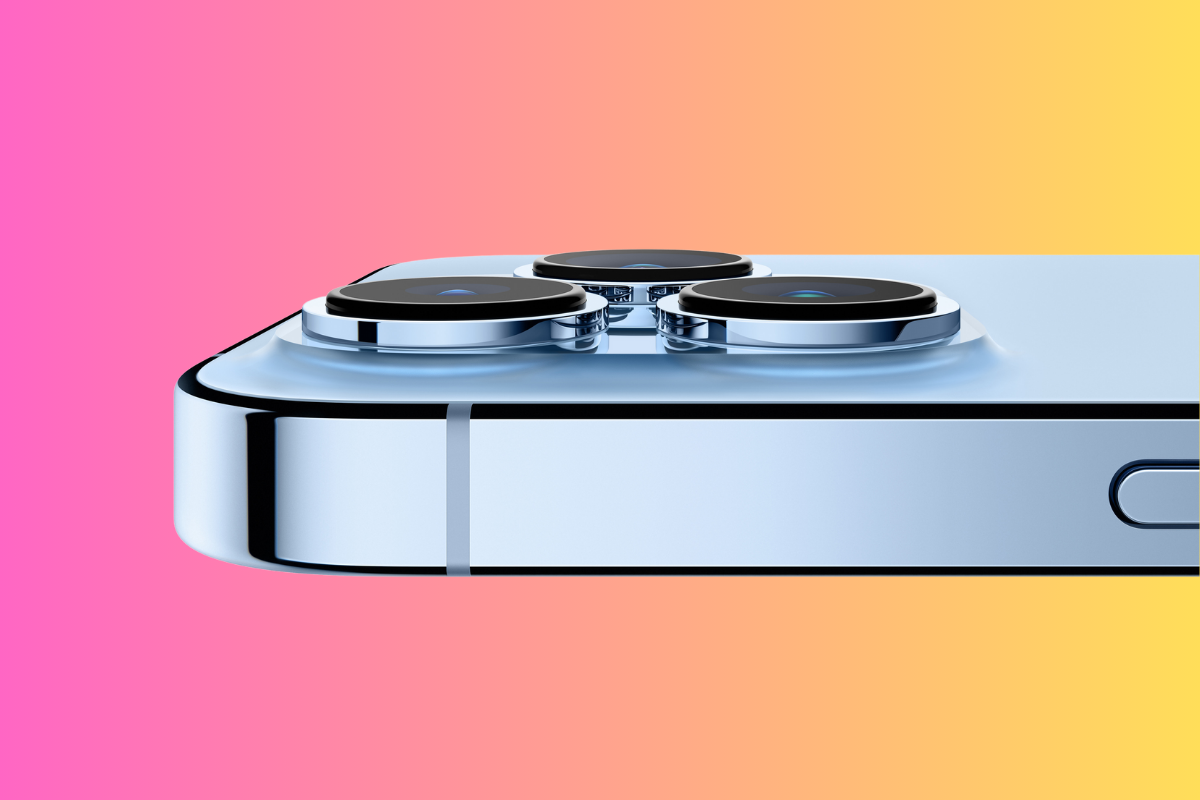
Component costs are projected to rise by $20–$25 per unit, driven by upgrades like the enhanced 48MP triple-sensor array and the 8x optical zoom telephoto lens on the Pro Max.
Apple Intelligence (AI) Features Demand Premium Hardware
Apple introduced its new Apple Intelligence (AI) platform at WWDC, and while the features are available across the lineup, running them efficiently requires a major hardware investment.
Faster Chip & Neural Engine
The full power of features like Live Translation, Genmoji, and Advanced Photo Editing requires new, faster chips. The standard iPhone 17 ships with the A19 chip, while the Air, Pro, and Pro Max models upgrade to the A19 Pro chip, which features a more powerful Neural Engine (NPU) to handle on-device processing.
Increased Memory
The ability to run complex multimodal tasks, like real-time translation and image generation, relies on more RAM. The Pro models, in particular, are configured to keep everything on-device and private, which demands higher memory capacity.
Costs Passed On
Those hardware and memory upgrades cost Apple more to build, and as usual, a portion of those costs are passed on to the consumer, especially in the Pro models that offer the unconstrained AI experience.
Tariffs And Global Trade Tensions
One of the less glamorous but very real factors pressuring prices is global trade policy.
Apple sells more than 220 million iPhones a year and by most estimates, nine in 10 are made in China. From the glossy screens to the battery packs, it’s here that many of the components in an Apple product are made, sourced and assembled into iPhones, iPads or Macbooks. Most are shipped to the US, Apple’s largest market.
- Cost Exposure: Analysts estimate that Apple is already dealing with hundreds of millions in quarterly tariff costs. This financial exposure means Apple is preemptively adjusting its pricing models—even before any new laws take full effect—to preserve its industry-leading profit margins.
- Global Impact: If these tariffs get enforced, Apple would likely raise prices globally, not just in the US, to streamline its international pricing strategy.
Will Apple’s iPhone Prices Keep Rising Every Year?
Apple’s strategy is clear: keep offering premium features and cutting-edge design, while positioning its most expensive models as professional, creator-focused devices.
Over the past five years, iPhone prices have trended upward, especially for Pro and Ultra models.
The iPhone 17 Pro Max crossing the $1,200 threshold for its base model establishes a new expectation for flagship smartphone pricing.
The standard iPhone 17 will still exist to serve as an accessible entry point, but for consumers who want the best of Apple’s latest technology, the cost of admission is undeniably climbing.
FAQ: iPhone 17 Pricing
u003cstrongu003eWhy Is Apple Raising iPhone Prices Now?u003c/strongu003e
The reason Apple’s iPhone 17 will cost more is to do with a mix of new design materials, AI features, and potential trade tariffs. It’s a perfect storm of added costs that Apple is passing on to buyers.
u003cstrongu003eIs The iPhone 17 Air Actually Cheaper?u003c/strongu003e
At u003cstrongu003e$899 / £899u003c/strongu003e, the iPhone 17 Air is Apple’s most affordable new iPhone; it’ll cost more than the base model (it replaces the outgoing Plus series), but that’s still pricey compared to Android alternatives. For more options, check out our u003ca class=u0022u0022 href=u0022https://www.knowyourmobile.com/best-phones-guide/best-android-phones/u0022u003eBest Android Phones Guideu003c/au003e.
u003cstrongu003eWhen Can I Buy The iPhone 17?u003c/strongu003e
u003cstrongu003eLaunch Event:u003c/strongu003e September 9, 2025u003cbru003eu003cstrongu003ePre-Orders Open:u003c/strongu003e September 12, 2025u003cbru003eu003cstrongu003eRelease Date:u003c/strongu003e September 19, 2025u003cbru003e
If you want the latest pricing leaks, Apple news, and expert buying advice sent straight to your inbox, sign up for our newsletter today. Don’t miss out — especially with iPhone prices climbing higher every year!