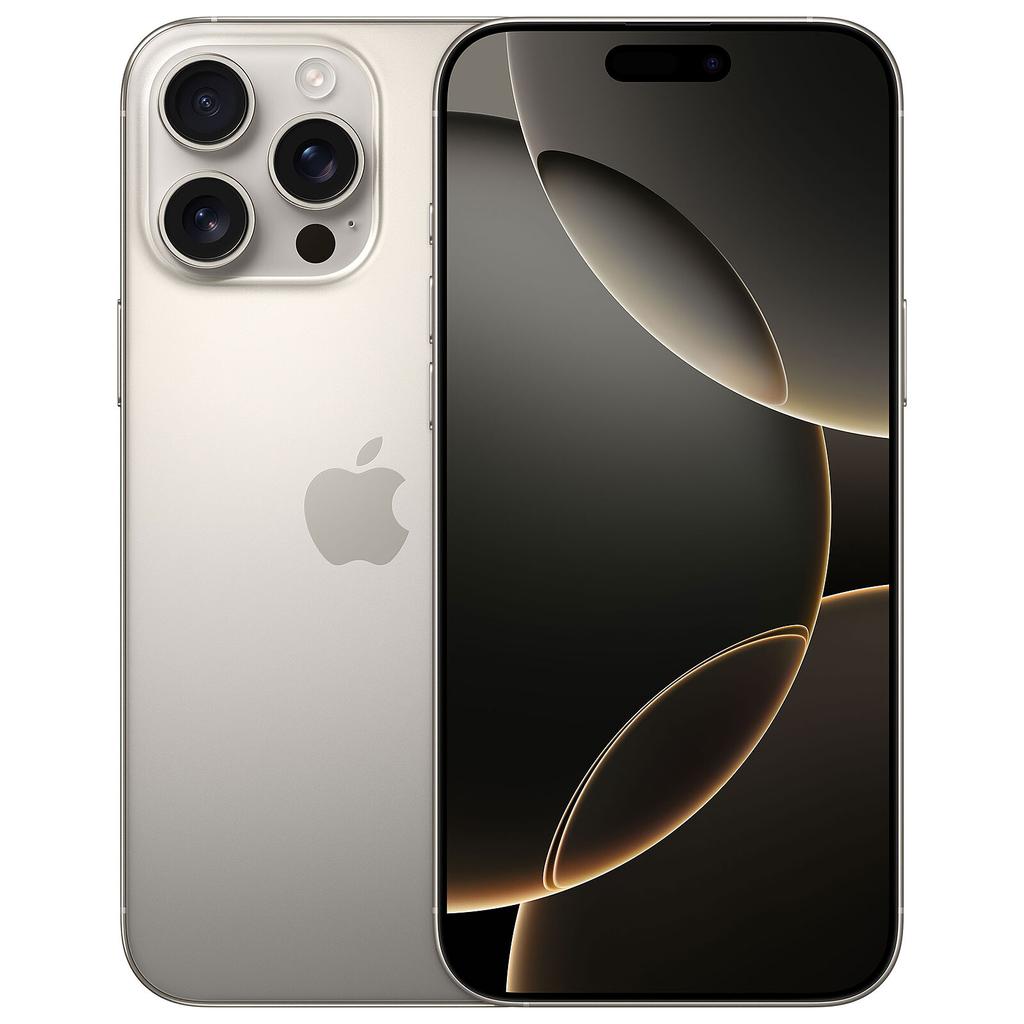
What Does Refurbished Mean When It Comes To Phones?
Refurbished means a phone was used, then fully restored to proper working order before resale. Technicians replace worn parts like the battery, test every function, wipe all data, and grade the cosmetic condition. You get a phone that works exactly like new — usually for 30–50% less than retail.
Refurbished phones are tested, repaired, and graded before resale — not just wiped and flipped like a used listing. My pick for most buyers right now is the iPhone 15 256GB (Unlocked).
Battery health matters more than the box it comes in. Always check the percentage before you buy — not after.
The bit most articles skip: grading terms like A, B, and C aren’t standardised across sellers. “Excellent” on one site can mean “Good” on another. Always read the actual condition description, not just the grade letter.
What’s actually happening behind the scenes when you buy a vetted refurbished phone is a lot more rigorous than most people assume. Read on.
Most people think buying refurbished means buying an old, used piece of junk. But this couldn’t be further from the truth. In fact, after covering tech for nearly 15+ years, I actually think refurbished tech in general is one of the industry’s best kept secrets, and if you read the rest of this article you’ll start to understand why.
But first, let’s get into what’s actually happening behind the scenes when you buy a vetted refurbished phone, because it’s a lot more rigorous than most people assume.
What Does Refurbished Mean When It Comes to Phones?

Refurbished means the phone has been returned, repaired, and restored to full working condition before resale. A trade-in, a return, or an ex-demo unit gets checked component by component: screen, battery, cameras, charging port, buttons, speakers. Anything faulty gets replaced with a genuine or high-quality compatible part. The device is then factory reset, stress-tested, and given a cosmetic grade before it goes back on sale.
That’s the key difference between “refurbished” and just “second hand” which you’d buy from Facebook Marketplace or somewhere similar. You’re basically just buying someone’s old, used phone as-is. No fixes, no checks. You take the person’s word and hand over your cash. With refurbished phones, you completely mitigate this risk because it’s been through a checks-and-repair process that ensures it works perfectly when you buy it.
And if it doesn’t, that’s what warranties and returns exist for.
How Is a Refurbished Phone Different From Used or Renewed?
Refurbished involves testing and repair before resale, used often means “as-is” with no guaranteed checks, and renewed (Amazon’s term) is Amazon’s own certification of the refurbishment process rather than a different tier of quality. Based on my own personal experience of dealing with Amazon Renewed, I’d avoid it like the plague. In typical Amazon-style, the entire program is more focused on volume over quality; there’s far better places to buy refurbished phones than Amazon.
The main thing you need to focus on is battery health, warranties, and grading. Get these concepts square in your mind, and the rest of everything else tends to fall into place. Then it just becomes a case of knowing what you want and how much you’re willing to pay for it. If you don’t know what you want or you’re curious about the potential options available to you for a specific budget, use our Phone Finder Tool; it works on a brand + budget + requirement basis.
Ever bought something marked “used, good condition” and had no idea what that actually meant? That’s the gap refurbished is supposed to close. If a listing just says “used” with no mention of testing, battery health, or a return window, treat that as a red flag rather than a bargain.
What Actually Happens During the Refurbishment Process?
Here’s the process, step by step, for a typical unit passing through a proper refurbishment pipeline:
- Intake and diagnostics: The phone is logged and run through automated diagnostic software covering the screen, battery, cameras, sensors, and ports.
- Data wipe: All personal data is erased and the device is factory reset to remove any trace of the previous owner.
- Component replacement: Failing parts (batteries below health thresholds, cracked screens, worn charging ports) get swapped for tested replacements.
- Cosmetic grading: The chassis and screen are inspected under light and graded (typically Excellent, Good, or Fair) based on visible wear.
- Final stress test: The unit runs through a full functional test again before it’s approved for resale, including battery cycle checks.
Skip a step in that chain and you end up with the horror stories people post online, phones that die within a month or arrive with a battery already limping along at 70%.
Tech Tip
You can check an iPhone’s battery health yourself in Settings > Battery > Battery Health. Anything under 80% is a sign the battery has taken a real beating. On Android, apps like AccuBattery give you a similar read. Always ask the seller for this number before you buy refurbished, not after.
What Are the Real Benefits of Buying a Refurbished Phone?
The main benefit is cost: refurbished phones typically run 30-50% cheaper than buying new, while still delivering years of reliable use and software updates. You’re also keeping a working device out of landfill, which is a genuine win if you care about e-waste. And because the phone has already been tested once by a technician, a good refurbished unit can actually be more reliable than a brand-new phone straight off the shelf, which hasn’t been stress-tested at all.
Look, if you just want a phone that works well and don’t care about being first in line for the newest chip, refurbished is where the value actually lives. The trade-off is patience: you need to check grading and battery health rather than trusting a shiny box.
What Grading Terms Should You Actually Look Out For?
Grading isn’t standardised across the industry, so it pays to know roughly what each tier means before you buy:
| Grade | What It Usually Means |
|---|---|
| Excellent / Grade A | Little to no visible wear, screen free of scratches, looks close to new. |
| Good / Grade B | Light scuffs or minor marks, none of which affect the screen or function. |
| Fair / Grade C | Noticeable wear, sometimes including small screen scratches, but fully functional. |
Cosmetic grade tells you nothing about battery health on its own, so always check both before buying, and never assume “Excellent” cosmetically means “Excellent” internally too.
Which Refurbished Phones Should You Actually Buy Right Now?
The Teams’ Recommended Picks For Right Now
Analysis of The Recommended Options
For most buyers, the iPhone 15 256GB (Unlocked) is the strongest all-round pick among refurbished iPhone deals. You get years of iOS updates ahead of it, solid camera performance, and 256GB is the storage sweet spot so you’re not fighting for space within a year.
On Android, Pixel 9 256GB (Unlocked) and the older but still capable Pixel 8 256GB (Unlocked) are the cleanest picks in Google’s Pixel range, both backed by a long update window that keeps them relevant for years.
If you want something bigger and don’t mind a premium price, the Galaxy S25 Ultra (Unlocked) is the cleanest option in Samsung’s Galaxy lineup, alongside the Galaxy Z Fold6 (Unlocked) if a foldable screen is genuinely useful to you.
I’m not going to pretend every Android refurb is equal though. Older Pixel and Galaxy models fall off software support faster than iPhones do, so if you’re buying refurbished specifically to keep a phone for four or five years, that’s the deciding factor, not the camera spec sheet.
Is Refurbished Safe for Battery Health and Software Support?
Yes, as long as you buy from a seller who discloses battery health and grading upfront, and check the model’s remaining software support window before you commit. A phone with 90% battery health and two more years of guaranteed updates is a genuinely safe long-term buy. One with undisclosed battery health and a vague “renewed” label is the one to avoid.
Worth checking this properly rather than guessing: see our full breakdown on iPhone software update lifespan before you buy, since it directly affects how long the phone stays secure and usable.
Refurbished means tested, repaired, and graded, not just “used and hoped for the best.” Buy from a seller who shows you the battery health and grading terms clearly, and you’ll get a phone that performs like new for a fraction of the price.
Pro-Tip: Don’t just compare price between refurbished sellers. Compare the warranty length instead. A 12-month warranty on a slightly pricier listing is worth more than a 30-day one on a cheaper phone, because it tells you the seller actually trusts their own refurbishment work.
❓ Frequently Asked Questions
Functionally, yes — if it’s been through a proper testing and repair process. The battery, screen, and all core functions are checked and restored, so performance matches a new device. The only real difference is minor cosmetic wear depending on the grade you buy.
Most places offer at least 6 to 12 months. Always check before buying — a short or missing warranty is usually a sign of a less than desirable seller. If they’re not confident in their products, you shouldn’t be either. The vetted models in our database all come with excellent warranties.
A properly refurbished phone with healthy battery can easily last 3 to 5 more years — similar to buying new. The real limit is software support rather than hardware, which is why checking the update window for your specific model matters more than the phone’s age alone.
Yes — as long as you buy from a seller who discloses battery health, cosmetic grading, and offers a warranty. The risk isn’t refurbished phones themselves, it’s sellers who skip the disclosure. Check our refurbished phone FAQ hub for more before you buy.
Ready to browse actual stock rather than just theory?
See Latest Deals →Buying tools
Thinking About Buying an iPhone?
Compare current refurbished prices, see how it stacks up against alternatives, and avoid overpaying for the wrong model.
Recommended for this article