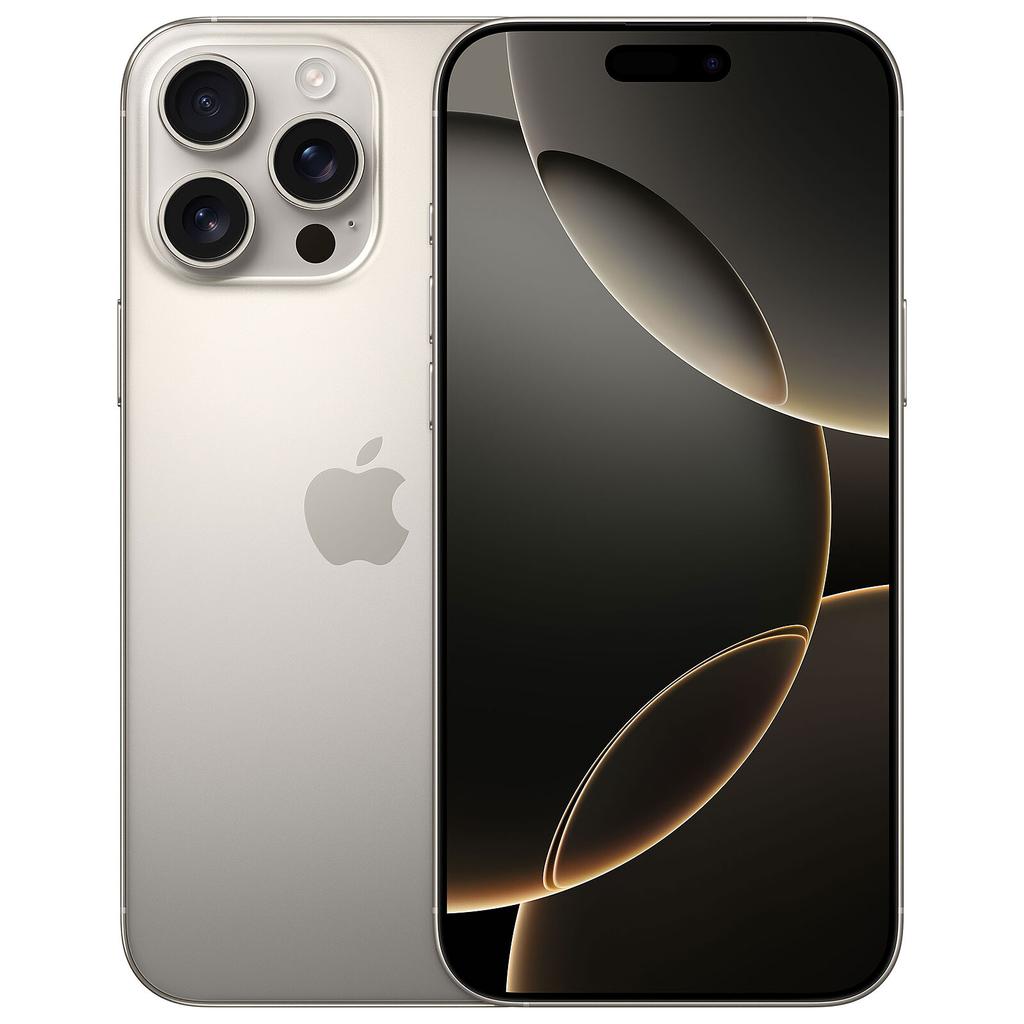
TL;DR: Is The iPhone 15 Pro Max a Better Refurbished Phone Than Google’s Pixel 9 Pro XL?
My advice on this one is simple: get the iPhone 15 Pro Max. The camera tech is better, it’s more reliable, you’ll be able to use it for 6-7 years with no hassle or hardware issues, and its performance is better too.
I’ve owned multiple Pixel and iPhones, and Google’s QC issues are REAL and they are a problem.
Google promises 7 years of updates for the Pixel 9 Pro XL, but I’ve never owned a Pixel that lasted more than three years without something breaking:
- Screen burn-in
- Battery dying early
- Modem failures.
- Ports failing
The iPhone’s hardware actually survives long enough to receive those updates, and I prefer the way (and the quality) Apple’s Pro Max shoot video and capture still images.
For usability, value for money, and fewer headaches long-term, go with the iPhone 15 Pro Max.
Look, I get the appeal of the Pixel 9 Pro XL. Google’s computational photography is incredible, you’re getting 7 years of promised updates, and the pricing looks tempting in the refurbished market.
But here’s what Google doesn’t tell you: those 7 years of updates don’t matter when your screen develops burn-in at 24 months, or your battery hits 70% health at 30 months, or your 5G modem starts dropping connections at 18 months.
This is based on actual Pixel ownership across multiple generations. And when you’re buying a refurbished flagship device that’s already 12-18 months old, you’re starting the clock even closer to those inevitable hardware failures.
Google’s Quality Control Problem: Why 7 Years of Updates Is a Lie
Google loves advertising that 7-year update window. It sounds amazing. It makes you think you’re getting Apple-level longevity with Android flexibility.
Here’s what actually happens with Pixel devices:
Your display starts failing around year 2-3. Pixel OLED panels burn in faster than Samsung or Apple screens. I’m talking visible status bar ghosts, keyboard outlines permanently etched into the display, uneven brightness.
The Pixel 6 Pro was notorious for this. The Pixel 7 Pro didn’t fix it. Google uses good panels, but their calibration and brightness management causes premature degradation.
When you buy a refurbished Pixel 9 Pro XL in 2026, you’re getting a device from August 2024. It’s already 18 months old.
Give it another 18 months and you’re staring at burn-in.
That’s 2027; four years before Google’s software support ends. What good are updates when your screen looks like garbage?
The battery degrades aggressively. I’ve personally watched Pixel batteries hit 75-80% health within 24 months. Google’s Tensor chips run hot.
The Tensor G4 in the Pixel 9 Pro XL is better than previous generations, but it still generates more heat than Apple’s A17 Pro. Heat kills lithium-ion batteries.
Refurbishers replace batteries below 85% health, so your refurbished Pixel starts fresh. But you’re buying a device with a chip that runs hotter than competitors.
Your “new” battery will degrade faster than an iPhone battery would. By year 3 of your ownership, you’re looking at another battery replacement or living with 6-7 hour screen-on time instead of the original 10-12 hours.
Modem and connectivity issues plague Pixel devices. Google switched from Qualcomm modems to Samsung-built modems integrated into Tensor chips starting with the Pixel 6.
The results have been mixed at best.
Dropped 5G connections, slower speeds than competing devices on the same network, overheating during extended use.
The Tensor G4’s modem is improved, but “improved” doesn’t mean “solved.”
When you’re buying refurbished, you can’t easily test modem performance during the return window. You won’t know you have a lemon until you’ve owned it for weeks.
For comprehensive guidance on what to watch for in refurbished devices, our refurbished phone FAQ hub breaks down the verification steps you actually need to take.
The iPhone 15 Pro Max: Hardware That Actually Lasts
Apple doesn’t promise 7 years. They typically deliver 6-7 years of iOS updates. The iPhone 15 Pro Max will get updates through 2029-2030.
Here’s the difference: iPhones physically survive to see those updates.
- You can find working iPhone 7 devices from 2016. That’s 8+ years of actual use. The displays still work. The batteries are degraded, sure, but you can replace them and keep going. The phones still function.
- Can you find working Pixel 1 devices from 2016? Technically yes, but they’re rare. Most died from hardware failures years ago. Mine died long ago from multiple hardware issues. The ones that survive are collector’s items, not daily drivers.
This pattern repeats across every generation. iPhones age gracefully. Pixels age like milk.
When you’re buying a refurbished iPhone 15 Pro Max, you’re getting a device that launched September 2023. It’s about 2.5 years old now.
Give it another 4 years of use and you’re still within Apple’s support window, and the hardware will likely cooperate. The titanium frame resists damage better than aluminum.
The Ceramic Shield front glass is genuinely tougher than Gorilla Glass Victus 2. The A17 Pro chip runs cooler than Tensor G4, preserving battery health.
What This Means When You’re Buying Refurbished
When you buy a refurbished Pixel 9 Pro XL, you’re gambling. You’re hoping your specific unit doesn’t have the display issues.
You’re hoping the battery lasts longer than previous Pixel generations. You’re hoping the modem works consistently.
Maybe you’ll get lucky. Maybe your unit will be one of the good ones that actually reaches year 5-6. But “maybe” isn’t a great foundation for a £700-850 purchase.
When you buy a refurbished iPhone 15 Pro Max, you’re making a safer bet.
Not a guaranteed bet but statistically safer based on how these devices age in real-world use.
The Camera Comparison: Short-Term Excellence vs Long-Term Reliability
The Pixel 9 Pro XL has better computational photography right now. Google’s AI-powered processing is legitimately industry-leading.
Magic Eraser, Best Take, Night Sight are all excellent features.
But here’s what you need to consider: Google’s camera performance relies heavily on software processing. That processing gets more demanding with each software update.
By 2028-2029, your Pixel 9 Pro XL will be running camera software designed for Tensor G7 or G8 chips on its aging Tensor G4 hardware.
You’ll notice lag. Processing times will increase. The camera experience degrades.
The iPhone 15 Pro Max takes a more hardware-centric approach. The 48MP main sensor, 12MP ultrawide, and 5x telephoto deliver consistent results across the device’s entire lifespan.
Apple’s image processing is less computationally intensive than Google’s AI models. Your camera experience in 2029 will feel largely identical to your camera experience in 2026.
If you’re a content creator shopping for refurbished devices, the iPhone’s consistency matters more than the Pixel’s peak performance.
Battery Health: What You Can Actually Verify
Here’s a practical difference that matters when you’re shopping:
- iPhone battery health is transparent. You go to Settings > Battery > Battery Health and you see exactly what you’re getting. Any seller can screenshot this for you before you buy. If they won’t, walk away.
- Pixel battery health is hidden. Android doesn’t show you this natively. You need third-party apps that estimate health but can’t access the precision data iOS provides. Many refurbishers don’t test Pixel battery health thoroughly because verification is harder.
When you’re comparing two refurbished devices at similar prices, transparent battery health data isn’t a small advantage, it’s a massive deals and it does matter and it is worth caring about.
Pricing & Storage
Refurbished prices vary based on condition (Grade A/Pristine vs. Fair). The ranges below reflect high-quality (“Excellent” or “Pristine”) refurbished units.
iPhone 15 Pro Max
| Storage | UK Price Range | US Price Range |
| 256GB | £600 – £650 | $680 – $730 |
| 512GB | £740 – £850 | $820 – $940 |
| 1TB | £830 – £990 | $950 – $1,100 |
Pixel 9 Pro XL
| Storage | UK Price Range | US Price Range |
| 128GB | £420 – £480 | $450 – $520 |
| 256GB | £490 – £610 | $550 – $650 |
| 512GB | £610 – £660 | $680 – $750 |
The Hidden Costs: 3-Year Maintenance
While the Pixel 9 Pro XL is significantly cheaper upfront, its repair ecosystem remains a bit more volatile. Here is what you should budget for over the next 3 years:
- Display Replacement (OLED/Burn-in): £250 – £280 ($300 – $330) High-brightness OLEDs are prone to wear over 3+ years. iPhone displays are similar in cost but generally benefit from a wider network of third-party repair options.
- Battery Replacement (Year 2): £85 – £100 ($90 – $110) Standard for both devices; however, Google’s official part availability through iFixit makes DIY cheaper if you’re handy.
- Logic/Modem Board Issues: £130 – £200 ($150 – $225) Historically, Pixels have faced more “dead condition” or connectivity repairs compared to the iPhone’s more mature hardware architecture.
The Verdict
The Pixel 9 Pro XL is the clear winner for upfront value, often costing £150-£200 less than its iPhone counterpart for the same storage tier.
However, if you plan to keep the phone for 4+ years, the iPhone 15 Pro Max’s superior resale value and slightly more robust modem might bridge that price gap.
The iPhone’s higher upfront cost buys you fewer headaches. When you’re shopping for affordable Android and iPhone options, sometimes the “expensive” option is actually cheaper over 3-4 years of ownership.
The Ecosystem Factor: Be Honest With Yourself
If you own a Mac, iPad, Apple Watch, or AirPods, the iPhone 15 Pro Max delivers ecosystem value that makes the Pixel comparison irrelevant.
Handoff, AirDrop, Universal Control, iMessage are incredibly useful tools that make using your computer and phone together a cinch. I personally could not go back to Android for this express reason.
If you’re deep in Google services, the Pixel 9 Pro XL offers tighter integration.
But Google services work just as good on iPhone. Gmail, Google Photos, Google Maps, Google Drive are all fully functional on iOS. You’re not sacrificing anything.
The reverse isn’t true. Apple services on Android range from limited to non-existent. If there’s any chance you’ll shift toward Apple’s ecosystem over the next 4 years, buying a Pixel now locks you out.
Repairability When Things Go Wrong
- The iPhone 15 Pro Max scores 4/10 on iFixit’s repairability scale. That’s not great. But here’s what matters: Apple’s global parts supply chain means genuine replacement components exist in volume. When something breaks, you can get it fixed.
- The Pixel 9 Pro XL scores 5/10—slightly better on paper. In practice, Google’s parts availability is inconsistent. Fewer devices sold means fewer parts in circulation. When you need a replacement display or modem board, you’re waiting weeks and paying premium prices.
This directly affects refurbishment quality too. iPhone refurbishers source genuine Apple parts easily. Pixel refurbishers sometimes resort to “aftermarket OEM” components that are functional but not identical to factory originals.
Resale Value: Your 2029 Trade-In
Fast-forward to 2029 when you’re ready to upgrade again.
- Your refurbished iPhone 15 Pro Max will retain approximately 35-40% of its original value. That’s £400-480 for a 256GB model. Apple’s trade-in program sets price floors that protect resale value.
- Your Pixel 9 Pro XL will retain roughly 25-30%. That’s £240-285 for a 256GB model. The Android resale market is brutal. No manufacturer trade-in program means prices crater.
That £150-200 difference in retained value effectively erases the Pixel’s lower upfront cost.
When you calculate total cost of ownership including resale, the iPhone is either equivalent or cheaper depending on which storage tier you bought.
Banking and Security: Why Hardware Matters
Both devices use dedicated security chips—Secure Enclave for iPhone, Titan M2 for Pixel. Both are effective for protecting your banking credentials and biometric data.
But here’s the practical difference: Apple’s Secure Enclave verifies hardware integrity during setup.
If a refurbisher replaced components with non-genuine parts, Face ID and Apple Pay won’t work properly. You’ll know immediately if something’s wrong.
Android’s more open ecosystem means refurbishers can use third-party components without triggering system rejections.
Your Pixel might work fine with a non-OEM fingerprint sensor or display, but those components lack the hardware-level security integration of genuine parts.
When you’re using mobile banking (and you definitely are), you want to know the security hardware is genuine. The iPhone makes this verification automatic. The Pixel requires you to trust your refurbisher’s component sourcing.
5G and Connectivity: The Modem Problem
Both devices support sub-6GHz and mmWave 5G, Wi-Fi 6E, Bluetooth 5.3. On paper, they’re equivalent.
In practice, the Pixel’s Samsung-built modem has consistency issues. Some units perform fine. Others drop connections, overheat, or deliver slower speeds than competing devices on identical networks.
You won’t know which you’ve got until you’ve owned it for weeks. And if you got a bad modem? You’re stuck with it. Modem issues aren’t considered warranty-defective unless they’re severe enough to make the device unusable.
The iPhone’s Qualcomm modem is boring. It just works. Every unit performs consistently. That’s what you want in a refurbished purchase: predictability.
Which Should You Actually Buy?
Buy the iPhone 15 Pro Max refurbished if:
- You want hardware that will physically survive to receive updates
- You’re tired of Android devices breaking after 2-3 years (you should be)
- Banking security matters and you want verifiable hardware integrity
- You need transparent battery health data before purchase
- Resale value matters when you upgrade in 2029
- You shoot ProRes video or need Final Cut Pro integration
- You’re in or considering joining Apple’s ecosystem
Buy the Pixel 9 Pro XL refurbished if:
- You’re comfortable gambling on hardware reliability
- Google’s AI photography is genuinely non-negotiable for your workflow
- You’re getting an exceptional deal—£650 or less for 256GB
- You’re buying from a certified refurbisher who explicitly confirms OEM components
- You have a high risk tolerance and don’t mind potential repair costs
- You’re deeply invested in Android customization
Know Your Mobile’s Final Verdict
The iPhone 15 Pro Max wins this comparison—not because it’s a better phone on spec sheets, but because it’s a significantly safer refurbished purchase that will actually survive long enough to justify your investment.
Google’s 7-year update promise for the Pixel 9 Pro XL is marketing fiction. The hardware won’t last that long. It never has before, and nothing about the Pixel 9 Pro XL’s construction suggests this generation is different.
When you’re spending £700-900 on a refurbished flagship, you’re making a 3-5 year commitment. Buy the device that will actually be functional in year 4-5.
Pro-Tips for Either Purchase:
- Demand battery health proof before buying—iOS screenshot for iPhone showing 85%+ health; for Pixel, AccuBattery results plus written battery replacement confirmation
- Verify unlocked status in writing—carrier locks destroy resale value and limit your flexibility
- Buy only from refurbishers offering 12-month warranties minimum—90-day warranties are red flags
- Check the IMEI against stolen device databases using CheckMEND before finalizing
- For Pixels specifically, inspect the display in person if possible—look for any signs of burn-in or uneven brightness before committing
- Test 5G connectivity during the return window—download a speed test app and verify you’re getting expected speeds on your carrier
For detailed information on how long refurbished iPhones receive iOS updates and what that means for your security, our technical breakdown shows exactly when support ends and which apps stop working.
The smartest move? If you find a refurbished iPhone 15 Pro Max for £850 or less (256GB) from a trusted refurbished retailer, buy it. That’s a buy signal. For the Pixel 9 Pro XL, even at £650 I’d hesitate based on Google’s hardware reliability track record. You’re better off buying a refurbished iPhone 14 Pro Max for similar money—you’ll get more usable years out of it.
Next step
Looking at refurbished iPhones?
Use these current KYM deal pages to compare live prices and avoid paying new-phone money.
Buying tools
Thinking About Buying an iPhone?
Compare current refurbished prices, see how it stacks up against alternatives, and avoid overpaying for the wrong model.
Recommended for this article