
The Creator’s Guide to REFURBISHED PHONE camera tech
The Best Refurbished Phone Brands For Camera Quality
Modern flagship phones are marketed as professional cameras that just happen to make calls. The problem? They also come with professional-level price tags, often costing $1,000 to $1,500 brand new.
What most buyers don’t realise is that the camera hardware in a two or three-year-old flagship is still totally viable today. In many cases, a refurbished flagship will outperform a brand-new mid-range phone that costs the same money.
Specs only tell part of the story, too. The real differences come down to how each brand processes photos and video, how well the software works with editing tools, and how seamlessly everything fits into your workflow.
- Google’s Pixel phones are great for still photography, for instance, but when it comes to video recording capabilities they leave a lot to be desired.
- Similarly, Samsung’s Galaxy S Ultra phones are great at both but fall short when it comes to “playing nice with social media platforms” and post production apps and tools.
- Apple’s Pro and Pro Max iPhones run rings around both Google and Samsung for video recording capabilities, editing, and seamless upload to social media platforms.
| Device | Best For |
|---|---|
| iPhone Pro Max / Pro Models | You shoot more video than you post on social media and actually care about image quality. The 5x telephoto lens, ProRes video recording, and Cinematic Mode make it a genuine content-creation tool. If photography and video are the main reasons you’re upgrading, this is the safest recommendation. |
| Google Pixel Pro Models | You want amazing photos without having to think about settings, editing, or camera modes. Google’s computational photography consistently produces excellent low-light shots, natural skin tones, and social-ready images straight from the camera app. Point, shoot, done. |
| Samsung Galaxy S Ultra Models | You want the most versatile camera system available on a smartphone. Between the powerful zoom capabilities, built-in S Pen, and expansive display for editing, it’s ideal for people who prefer maximum flexibility and creative control over simplicity. |
Which Refurbished Phone is Best For Camera Tech?
For me, Apple’s iPhone Pro Max series is the final boss when it comes to overall camera quality, for both still photography and video. Pixel and Samsung gain, but Apple’s is still the brand of choice for professionals for a reason.
Looking for more nuance? Read my full breakdown on why Apple’s Pro Max iPhones are the one to beat. Read More →
Which Smartphone Brand Has The Best Camera?


Written by
I’ve tried the high-end Samsung Galaxy S and Google Pixel phones, I really have.
They are incredible pieces of technology, especially the cameras.
But when it comes to shooting professional video, iPhone is simply the better tool for the job.
And not just for video recording but also the entire editing and upload process.
This is why most professional creators use iPhones.
It’s not because they’re paid or because they think it’s cool; it’s for real-life, practical reasons which we’ll get to below.
Here why I stick with the iPhone, specifically the Pro models, over any Pixel or Samsung device.
Ecosystem Unity: The Time-Saver I Can’t Live Without
This is the biggest factor for me, and honestly, where Android phones, including Pixel and Samsung, fall flat in comparison.
Time is money, and Apple’s ecosystem saves me an enormous amount of time.
Flawless Handoff
Optimized Hardware & Software
Everything in the Apple world, from the A19 Pro chip in my phone to the M-series chip in my Mac, is designed to speak the same language.
This means when I’m running demanding apps like Final Cut Pro, I see faster rendering times and fewer crashes compared to when I’ve tried editing the same footage on PC/Android setups.
It’s a unified approach that consistently delivers smooth performance, which is exactly what a professional needs.
App Supremacy: Where the Content Actually Lives

Social Media Optimization
On Android, apps like Instagram often have to take a screen-capture or “imitation” of the camera view because the open nature of the Android OS means there are hundreds of different camera setups to account for.
On iOS, the app developers only have to optimize for a handful of Apple devices.
From a developer’s standpoint (that’s the people who build apps such as Facebook, Instagram, Twitter, Snapchat, etc…you know, the ones you need to do your job?), build for iOS (Apple’s operating system) first. Why? Well, since the Apple system is less customizable than Android, it’s easier to develop for and, therefore, much cheaper. This means that app features will work more consistently than on Android phones. This is also why you hear so many Apple users stand by the claim, “It just works! It never has any issues.”
The result?
When I shoot directly in the Instagram app or upload from my camera roll, the video quality on my iPhone maintains a significantly higher standard.
It’s sharper, cleaner, and less compressed than what my friends post from their high-end Android phones.
And when it comes to professional content, that’s the kind of thing that really matters.
Pro Tools Run Better
Professional-grade mobile apps, for editing, color grading, or even just high-end camera controls, almost always launch on the App Store first, and they run with maximum stability.
Apple’s tight control over the hardware and software simply provides a more reliable platform for intensive creative work.
Hardware Superiority: Unmatched Video Performance
While Samsung and Pixel often tout more megapixels or crazier zoom, the iPhone Pro models maintain the lead in the one area that matters most to me: video consistency and quality.
Best-in-Class Video
When you look past the specs sheet, my iPhone’s video footage is consistently the most stable, color-accurate, and low-noise of any smartphone I’ve tested.
Apple’s video processing is just years ahead.
For a run-and-gun creator, that rock-solid stability and reliable color science is priceless because it means less time fixing things in post.
ProRes RAW
The ability to record in ProRes RAW format on the Pro models me maximum flexibility for color grading and advanced editing, putting my phone’s output in the same league as much more expensive professional cameras.
No other smartphone offers this level of professional codec support that integrates so smoothly into a full editing workflow.
I like the Pro Max models because the bigger screens are better for editing on when I’m on the move.
Which iPhone Model Is Best For Video?
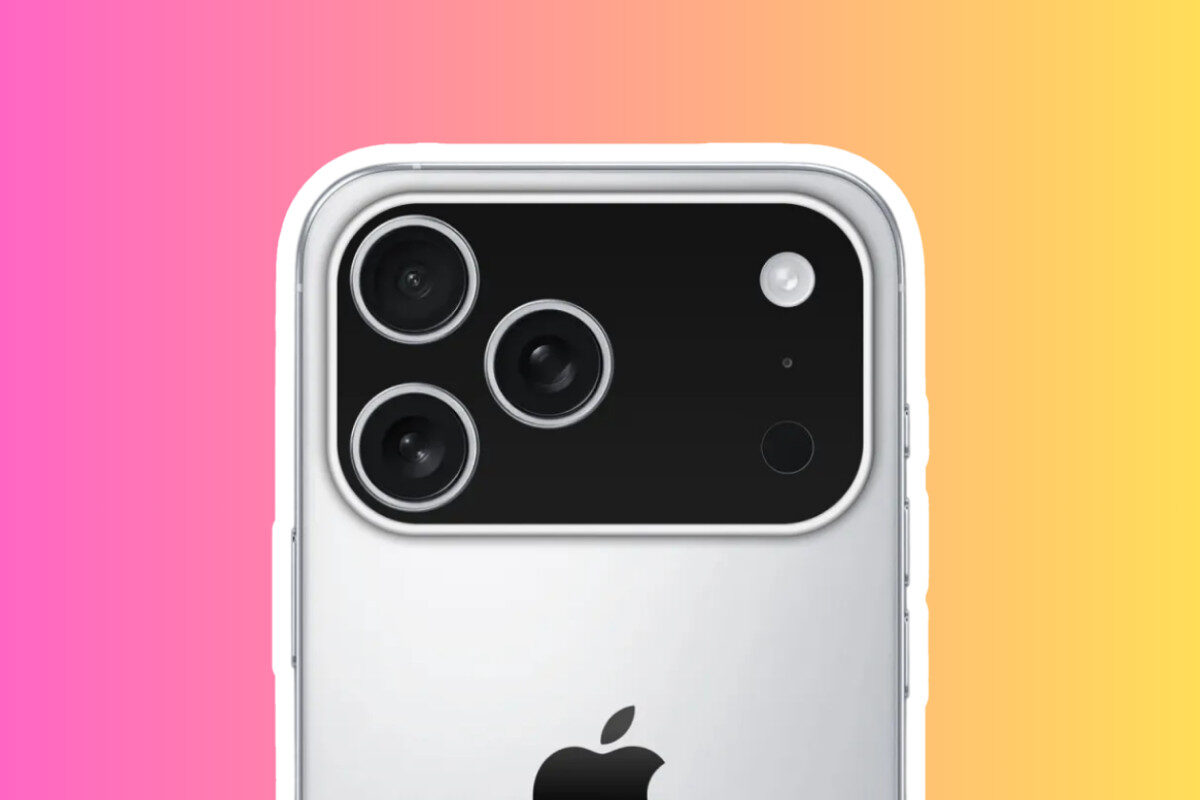
The iPhone 17 Pro Max also has a bigger battery than the iPhone 17 Pro and the option for 2TB of storage as well.
1TB is will be more than enough for most creators, though, or even 512GB so long as you have an efficient process for managing your files when you’re done with them.
What if you cannot afford a brand new Pro Max model from Apple? They are hella pricey. My advice would be to stick with Apple but buy an older, refurbished model instead.
You’ll save 40% doing this versus buying new.
And the iPhone 15 Pro Max and the newer iPhone 16 Pro Max are still absolute monsters in the camera department.