Pixel 10 Pro XL Review: Is It Better Than The iPhone 17 Pro Max? No.
After a full month or so with the Pixel 10 Pro XL in one pocket and the iPhone 17 Pro Max in the other, I’ve got a pretty clear take: the iPhone 17 Pro Max is still the better option for creators.
It’s not even close, and I knew this would be the case.
Why? Video, mainly. Apple’s iPhone is just better at it, and it has been for years now. But the iPhone 17 Pro Max takes things even further, extending its lead over Google and Samsung.
Now, for non-professional users, the Pixel 10 Pro XL is brilliant. It has the iPhone whipped in several, key areas. And it is way smarter with its AI capabilities too. But we review phones from the perspective of creators for creators.
And in this context, Apple is still king and – as always – it comes down to a couple of core reasons:
- Overall video quality: Apple’s camera module is just better at everything to do with video and this is why nearly all creators tend to favor iPhone over Pixel and even Samsung phones.
- Upload quality to social media: Meta developers use iPhone, most developers at most large companies use iPhone. iPhone is easier to develop for because of its built-in constraints. This is why most social media apps and editing apps work better with iPhone.
Pixel 10 Pro XL Camera Performance
Google is all-in on AI in Pixel (and pretty much everywhere else too). And if you like that sort of thing, Google’s AI tech is literally everywhere inside its latest Pixel phones.
The Pixel 10 Pro XL delivers big on smart photography.
You’re getting a triple rear camera setup (50MP main, 48MP ultra-wide, and 48MP telephoto) backed by some of Google’s best computational photography yet.


There’s also a massive 42MP selfie camera, which sounds great on paper and generally performs well, though results can lean toward overly processed at times.
Pro Res Zoom is Fun But It’s Not Pro-Grade
Zoom is a major focus this year.
Google’s new “Pro Res Zoom” system combines a 5x optical telephoto lens with aggressive AI enhancements to push zoom up to 100x.
The results are sharp enough for social content and general use, especially in good lighting.
But once you start pushing past that 5x–10x range, image quality depends heavily on software trickery.
The detail can drop off, and color accuracy isn’t always consistent.
In daylight or controlled light, the Pixel shines.
Shots are vibrant, contrast-heavy, and social-media ready straight out of the camera.
The ultra-wide lens performs solidly, and the main sensor captures plenty of detail without needing much post-editing.
Low-light performance is decent, but it’s not quite as consistent as rivals with larger sensors or better optical stabilization.
You’ll still get usable results, but it’s less reliable when things get challenging.
The software is where the Pixel pulls ahead for casual users and general consumers.
Features like Camera Coach help guide your framing in real-time, and Magic Editor gives you serious power to tweak and polish images with minimal effort.
These tools make the Pixel feel like a creative assistant in your pocket, especially useful if you’re posting content on the go.
If you’re chasing the highest-end detail, best-in-class low-light shots, or pro-level manual controls, you may find the hardware still leans too heavily on software magic to fully satisfy.
Apple’s zoom hardware (and, yes, physical sensors do make a difference) and color science still feel more consistent, especially across all lenses.
Software-First Camera Experience
This is where the Pixel feels more like a computer than a camera. The selfie cam preview looks overly processed and flat until after you take the photo.
The image improves, sure, but the lack of confidence in the live preview is a real issue for framing shots.
On the iPhone, what you see is what you get, and it this makes it a much more intuitive creative tool.
Google’s Camera Coach is another example of Google maybe getting a little too handsy with its AI.
The feature itself is simple enough: it uses AI to tell you how to frame your shot, which may be helpful for beginners, but most experienced shooters will find it annoying and most likely ignore it entirely.
Thankfully, it does stay out of your way if you want it to.
Video: Still Not on iPhone’s Level
Video quality has improved over the Pixel 9 Pro, with better lens switching and less jarring exposure jumps.
But it still lacks key pro features like Log recording, SSD support, or manual controls.
Footage from the Pixel looks like good smartphone video, but it still gets the crap compressed out of it whenever you upload it to Instagram or TikTok. And this has always been the main crux for me.
Footage from the iPhone 17 Pro, as well as on older models right down to the 13 Pro / Pro Max series, looks ready for a Final Cut timeline.
Google’s claims about “pro” video feel a little misleading in this context, especially when compared to Apple’s Dolby Vision 4K/120fps, Apple Log 2, and Dual Capture modes.
If you’re serious about video creation, the iPhone is the better tool. Google knows this too which is why it has gone all-in on consumer-facing AI gimmicks and tricks. They are impressive for the most part and they are helpful, but none are what professional creators want or need.
Battery, Performance, and Display
The Pixel 10 Pro XL nails the basics: battery life is strong, the Tensor G5 chip performs well in real-world use, and Android 16 with Material You Expressive looks and feels better than iOS 26.
Third-Party Editing Apps
However, third-party editing apps will tax the hell out of the Tensor G5. The phone will get hot during editing sessions, and Lightroom crashed on me a fair few times.
The reason for this comes down to developer support and the fact that Android is messier than a teenager’s bedroom in this respect. Developers don’t like tweaking an app for a million and one different chipsets, and most don’t bother.
This is why most third-party apps like Lightroom tend to run better on iPhone; Apple’s iOS platform is unified, simple, and they all run on the same chipsets.
I Love The Display, Though
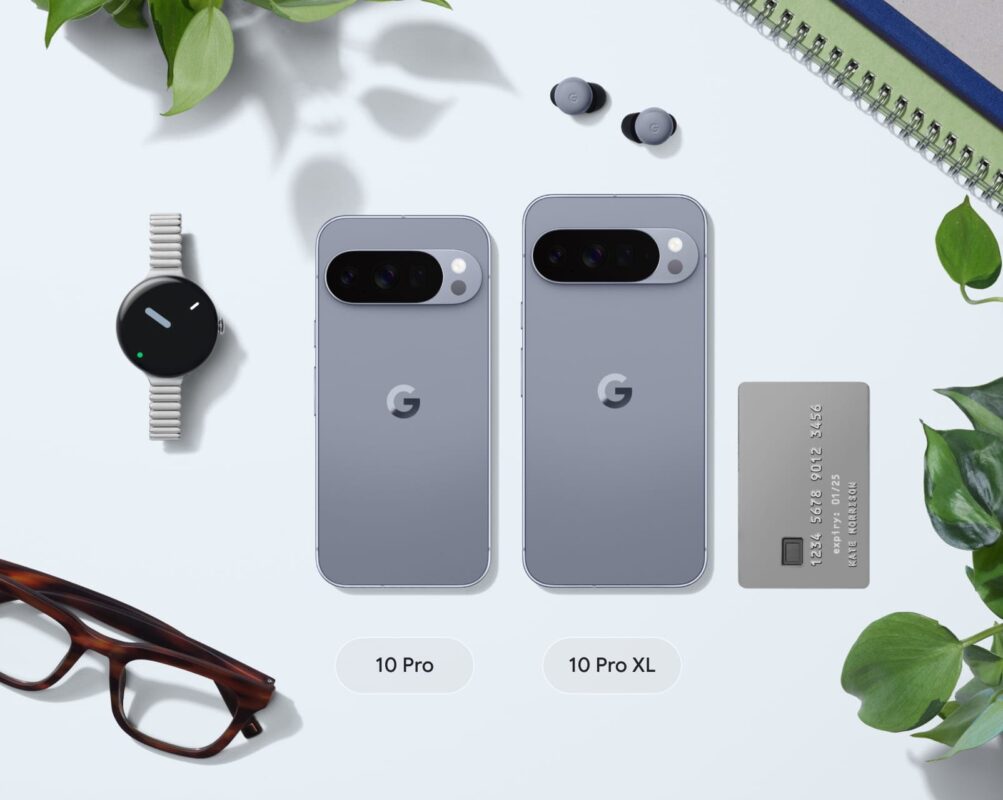
The Pixel 10 Pro XL’s 6.9-inch display is stunning, though, and I think it more than matches Apple’s for overall quality, brightness and color punch. It just seems more vivid to my eyes. I’ve always liked Pixel phone displays, but this one is something else.
Google’s new PixelSnap system brings full support for Qi2 and MagSafe-style magnetic accessories, finally putting Pixel phones on the same level as iPhones when it comes to snap-on chargers, mounts, wallets, and grips.
This means you can now use the wide range of third-party magnetic accessories already on the market — including ones originally designed for iPhones — without compatibility issues.
Whether you’re attaching your phone to a car mount, snapping on a power bank, or using a magnetic tripod, it all just works. It’s a long-overdue feature that makes the Pixel a lot more versatile for creators and everyday users alike.
AI Is Everywhere (For Better or Worse)
From ProRes Zoom to Gemini-powered photo editing, the Pixel leans hard into AI. Google doesn’t seem to care that most people, myself included, aren’t too keen on AI being present in every aspect of their lives.
This is a gamble on Google’s part. Whether it will pay off remains to be seen. Gemini is useful, of course, and some of the photo editing tools are superb. But it does feel heavy-handed in how it is implemented across the entire phone experience.
I like choice. I’d like to be able to remove certain features I don’t like or use. I’d also like some proper privacy controls on what Gemini knows about me.
Again, though, Google’s approach with the Pixel series now isn’t about courting creators and professional users, it’s going after the general consumer and its trying to shock-and-awe them with what AI can do.
For AI bros and gals, the Pixel series is THE only phone that really brings AI to the forefront of everything, so if that’s what you want, this is probably the phone you should be looking at.
Me? I personally like Apple’s minimal approach to AI on iPhone (and I kind of hope it stays that way).
Verdict: Better Than Ever, But Still Second Best As A Creator’s Phone

If you want a powerful Android phone that feels fast, looks great, and takes excellent photos with a creative tilt, the Pixel 10 Pro XL is a top pick.
It’s still photography is brilliant, easily a match for Apple’s iPhone and Samsung’s high-end Galaxy S25 Ultra.
It matches or beats Apple in most of the areas that are important to most consumers too: display brightness, AI tools, low-light photography, and customization.
But when it comes to video quality, consistency, and raw creative control, the iPhone 17 Pro Max still comes out way ahead and I don’t see that fact changing any time soon.
For casual users and Android fans, the Pixel 10 Pro XL is excellent. For creators, the iPhone is still the better tool.