TL;DR — Which Storage Should You Buy?
| User Type | Minimum | Sweet Spot | Best Pick |
|---|---|---|---|
| Light user (calls, WhatsApp, browsing) | 128GB | 128GB | iPhone 16e 128GB |
| Standard user (photos, apps, social media) | 128GB | 256GB | iPhone 16 256GB |
| Gamer / frequent traveller | 256GB | 256–512GB | iPhone 15 Pro 256GB |
| Social creator (TikTok, Reels, Shorts) | 256GB | 512GB | iPhone 15 Pro Max 512GB |
| Long-haul owner (5+ years) | 256GB | 512GB | iPhone 16 Pro Max 512GB |
| Pro / mobile filmmaker | 512GB | 1TB | iPhone 15 Pro Max 1TB |
The golden rule: On a refurbished iPhone, the jump to the next storage tier typically costs $30–$60. iCloud costs compound the more you need. It’s better to get more storage than you need upfront; you’ll have fewer headaches down the line.
How Much Storage Do You Really Need On A Refurbished iPhone?
The short answer: more than you think.
For most people buying a refurbished iPhone, 128GB is the functional minimum and 256GB is the optimal choice.
iOS is more bloated than ever, videos are higher resolution and take up more room, and apps and games are getting bigger and bigger.
For the vast majority of people, myself included, 256GB is the bare minimum, especially if you plan on running the phone for several years or more.
If you shoot video, create content, or plan to keep the phone for four or more years, 512GB is worth every penny, especially at refurbished prices.
Storage is the one decision you can’t reverse after buying. You can’t add a microSD card, and iCloud costs stack up over time. Get it wrong and you’re managing “Storage Almost Full” warnings within 18 months.
It’s better to get it right upfront and not have to worry about it later on down the line.
Before diving into the tiers, the best starting point is our roundup of the best refurbished iPhones to understand which models represent the strongest value by generation.
Why Storage Hits Different on a Refurbished iPhone
Here’s the thing about buying refurbished that most guides ignore: you’re almost certainly buying a phone that’s already one to three generations old.
That means less remaining software support life, a battery that’s been through some cycles, and — critically — a fixed amount of internal storage that has to last however long you plan to run the device.
- A new iPhone buyer who miscalculates on storage can upgrade in two years and chalk it up to experience.
- A refurbished buyer who goes too low is stuck managing a congested device or paying for iCloud to compensate. Neither is a great outcome.
The cameras compound this.
Each iPhone generation produces heavier files than the last. A 4K clip shot on an iPhone 15 Pro Max is dramatically larger than the equivalent on an iPhone 12.
The same 128GB that felt spacious three years ago feels tight today, especially once iOS itself claims a chunk of it (iOS 17 alone sits around 7GB before your data touches it).
The smart play is to buy a size up from what you think you need.
At refurbished prices, the jump from 128GB to 256GB is often £30–£50. Over a four-year ownership horizon, that’s negligible.
Refurbished iPhone Storage Tiers: What You’re Actually Getting
64GB (AVOID) — iPhone 11 and iPhone 12 Only
64GB appears on the iPhone 11 and iPhone 12 base models. It’s the cheapest entry point and also the one most likely to cause regret, so my advice is to AVOID this variant like the plague.
I’d only recommend 64GB in one scenario: a secondary device used purely for calls, WhatsApp, and light browsing, ideally for someone who streams everything and barely touches photos.
Even then, you’re accepting active storage management as a permanent feature of your life with that phone. Modern apps are bloated, iOS updates are heavy, and a modest photo habit will fill 64GB faster than you expect.
For anyone planning to run a 64GB iPhone 11 or 12 as a primary device for two-plus years: don’t. The savings aren’t worth the friction.
Who it’s for: Kids’ phones, ultra-light secondary devices, or dedicated music/podcast players.
128GB (Not Recommended) — The Minimum For Super-Light Users
128GB became Apple’s standard base storage with the iPhone 13, and that’s because 64GB stopped being viable. It’s the floor, not the target, but it’s a workable floor for the right user.
With 128GB you can comfortably carry a solid app library, tens of thousands of photos (with iCloud offloading doing some heavy lifting), and a handful of games.
It’s fine for daily life as long as you’re not shooting a lot of 4K video and you’re not planning to keep the phone for more than three years.
The catch is the camera. Starting with the iPhone 13 Pro and accelerating through the 14, 15, and 16 generations, Apple’s camera system produces increasingly large files.
ProRAW stills on an iPhone 15 Pro are around 50MB each. A single minute of 4K 60fps footage eats roughly 400MB. If you shoot any of that regularly, 128GB starts disappearing faster than logic suggests.
Who it’s for: Light-to-moderate users who stream most media, auto-offload photos to iCloud, don’t game heavily, and plan to keep the phone 2–3 years.
Our picks:
256GB — The New Sweet Spot For Most People
This is the tier I’d push most refurbished iPhone buyers toward: 256GB is where the storage anxiety disappears.
You’re not constantly pruning your camera roll, not choosing between apps, and not dreading a major iOS update because you don’t have the headroom to install it cleanly.
At 256GB, a typical user who takes photos daily, runs a dozen-odd apps, downloads the odd Netflix series for a flight, and uses their phone as a genuine all-rounder will go years without thinking about storage.
It’s genuinely “set and forget” territory.
The economics also make sense on refurbished. The price delta between 128GB and 256GB is much smaller than it was at retail.
On a refurbished iPhone 15 Pro or iPhone 16 Pro, you’re often looking at a £40–£60 premium for an extra 128GB, a fraction of what that upgrade costs new.
Who it’s for: Standard users who want a long ownership cycle, social-media heavy users, anyone who games occasionally, and people who travel and download offline content.
Our picks:
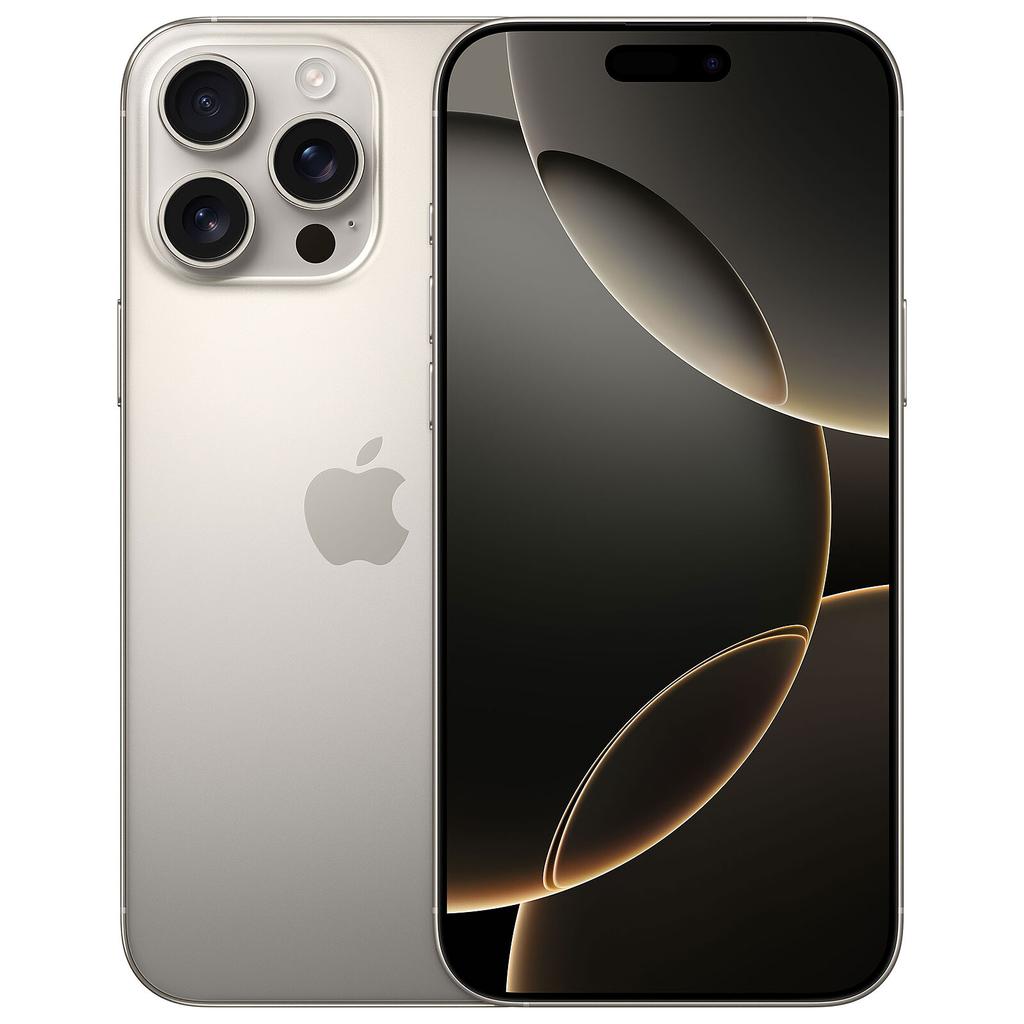
- iPhone 16 Pro 256GB in Desert Titanium
- iPhone 16 256GB in Ultramarine
- iPhone 15 Pro Max 256GB in Natural Titanium
- iPhone 14 Plus 128GB in Midnight
512GB — For Creators and Long-Haul Owners
Once you’re shooting ProRes, ProRAW, or regular 4K slow-motion footage, or using your iPhone as your primary creative tool, 256GB starts looking tight.
512GB is where serious creators and long-term owners should land.
A single 10-minute ProRes clip on an iPhone 15 Pro Max can eat 6–10GB depending on resolution and frame rate.
Shoot a day’s worth of content for YouTube or a client project and 256GB isn’t the end of your problems, it’s the beginning.
- 512GB gives you a proper working buffer without needing to carry an external drive or constantly offload to a laptop between takes.
- 512GB also makes sense as a pure longevity play. If you’re buying refurbished to save money and intend to run a device for five or six years, you want as much headroom as possible.
Storage needs creep upward silently: more apps, richer media formats, bigger game installs, and 512GB keeps you ahead of the curve for longer.
For content creators specifically, there’s more to consider than just storage — see our guide on the best refurbished phones for creators to match your whole setup, not just internal storage.
Who it’s for: Content creators, YouTube/TikTok/Instagram creators, mobile filmmakers, heavy gamers, and anyone planning a 5-year ownership cycle.
Our picks:
- iPhone 16 Pro 512GB in White Titanium
- iPhone 15 Pro Max 512GB in Black Titanium
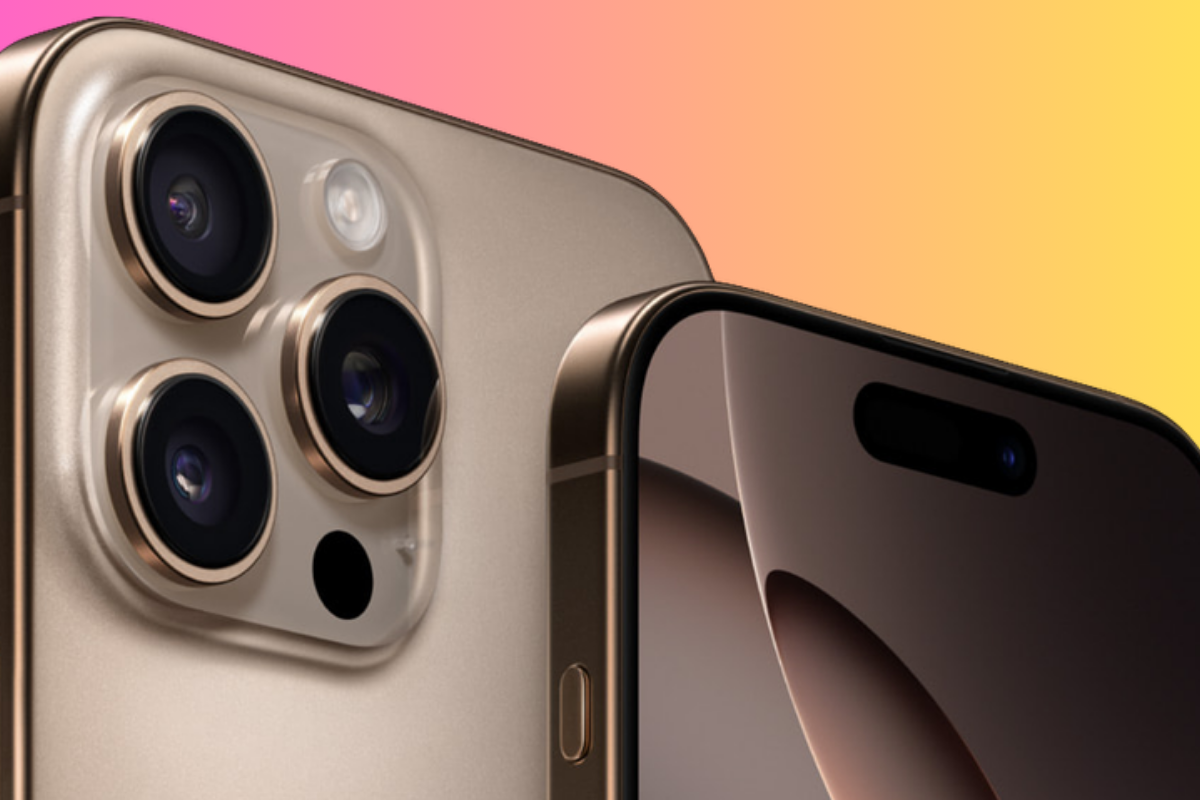
- iPhone 15 Pro Max 512GB in Natural Titanium
- iPhone 16 Pro Max 512GB in Desert Titanium
1TB — For Professional Workflows Only
1TB exists on Pro and Pro Max models from the iPhone 13 Pro generation onwards. It’s real money even on the refurbished market, and it’s only justifiable in a specific set of circumstances.
If you’re a mobile filmmaker who shoots long-form 4K ProRes, a journalist working in the field without reliable connectivity for offloading, or a creative professional who wants their iPhone to function as a complete mobile production suite, 1TB is the right call.
For everyone else, it’s storage you’ll never meaningfully use.
The 15 Pro Max in 1TB is particularly compelling refurbished: you’re getting Apple’s best-ever mobile camera system up to that point, full ProRes recording, and enough on-device space to run extended shoot days without touching a laptop.
Who it’s for: Professional mobile videographers, field journalists, and power users who explicitly need every byte.
Our picks:
- iPhone 15 Pro Max 1TB in Natural Titanium
- iPhone 15 Pro Max 1TB in White Titanium
- iPhone 15 Pro Max 1TB in Black Titanium
Matching Storage to User Type: The Quick Reference
The Light User
Best choice: iPhone 15 128GB or iPhone 16e 128GB
If your phone use revolves around messaging, email, social media browsing, and occasional photos, 128GB will comfortably see you through.
The iPhone 15 base model at 128GB represents excellent value refurbished — you’re getting USB-C, Dynamic Island, and a genuinely strong camera without paying for storage you won’t fill.
The iPhone 16e is the leaner, more affordable option if budget is the primary concern. For more options in this bracket, our affordable refurbished phones guide covers the full picture.
The Standard User
Best choice: iPhone 15 256GB or iPhone 16 256GB
You take plenty of photos, run a full app library, download content for commutes, and maybe shoot the occasional video.
128GB will technically work but you’ll feel the ceiling. 256GB removes the ceiling entirely. At refurbished prices, the step up is modest and the quality-of-life improvement is significant.
The Gamer or Frequent Traveller
Best choice: iPhone 15 Pro 256GB or iPhone 16 Pro 256GB
Modern mobile titles like Genshin Impact, Call of Duty Mobile, and Honkai Star Rail can individually exceed 3–4GB, with frequent update packages on top.
Add offline downloaded series for long-haul flights and you need genuine headroom. 256GB is the minimum; 512GB is the right call if gaming is a core use case.
The Social Creator
Best choice: iPhone 15 Pro Max 256GB or iPhone 16 Pro Max 256GB
If you’re shooting for Instagram, YouTube Shorts, or TikTok regularly, you need Pro hardware — the Cinematic Mode, the telephoto versatility, the audio capture quality.
You also need storage that keeps pace with daily shooting. 256GB works with disciplined offloading; 512GB is better if you batch-process content at weekends and shoot throughout the week.
The iPhone video recording guide goes deeper on which models deliver the best results for different creative formats.
The Professional or Long-Haul Owner
Best choice: iPhone 15 Pro Max 512GB or iPhone 16 Pro Max 512GB
You shoot professionally, or you’re buying refurbished specifically to avoid upgrading for five-plus years. Either way, 512GB is where the mental overhead about storage drops to zero.
The iPhone 15 Pro Max 512GB refurbished is one of the best value propositions in the entire smartphone market right now with flagship hardware, Apple’s longest software support cycle, and more storage than most laptop users actively touch.
The Case for Buying Up: Why Lower Storage Costs You More in the Long Run

Here’s the argument I make every time someone asks whether they should save £40 and drop a tier.
- You cannot expand it. No microSD slot. No storage upgrade path. The 128GB you buy today is the 128GB you’ll have in year four. Meanwhile, iOS grows with every update, apps get heavier, and the camera in your pocket keeps improving in ways that produce larger files.
- The real cost gap is smaller than it looks. On the refurbished market, a 256GB model often costs £40–£60 more than the 128GB equivalent. Spread across a four-year ownership cycle, that’s less than £15 per year. The equivalent iCloud storage to compensate for a congested 128GB device costs £2.99/month — £144 over four years. The maths almost always favour buying up.
- Resale value holds better on higher-capacity models. A 256GB iPhone retains stronger value than a 128GB equivalent when the time comes to sell. The real-world price difference at the point of sale is often wider than at purchase, meaning the 256GB model effectively costs less over its lifetime.
- Software support questions are worth checking. Understanding the iOS update lifespan of your chosen model is essential — if you’re planning to run a phone for five years, you want to know how many major iOS versions it’ll receive, which directly affects security, app compatibility, and the usefulness of whatever storage you’ve purchased.
The one exception: if budget is tight and 128GB is the difference between affording a more recent model versus an older one, prioritise the newer generation.
An iPhone 15 at 128GB beats an iPhone 13 at 256GB on every meaningful metric except storage alone.
Know Your Mobile Verdict
Storage is a lifetime decision, not a launch-day detail. The cost of buying a size up on a refurbished iPhone is always smaller than the cost of managing a congested device for years.
Our standing advice:
- iPhone 11/12 buyers: Hard minimum is 128GB; avoid 64GB for any primary-use scenario
- iPhone 13/14 buyers: 256GB is the correct default; 128GB only if the price gap is genuinely significant and usage is minimal
- iPhone 15/16 buyers: 256GB is the baseline; 512GB for anyone who creates content or plans five-plus years of ownership
- Pro/Pro Max buyers at any generation: Never buy the base storage tier if you intend to use the advanced camera features — you’ll hit the ceiling before the phone’s software support expires
Pro-Tip: When comparing refurbished models, check whether the price gap between storage tiers is narrower than usual — sometimes a 256GB model is only $20–$30 more than 128GB refurbished, which is effectively a no-decision. Always check both listings before committing.
Browse the full range of quality used mobile devices to find the right combination of model and storage for your budget, and if you have more questions about buying refurbished, the refurbished phone FAQ hub covers everything from grading standards to warranty expectations.
Buying tools
Thinking About Buying an iPhone?
Compare current refurbished prices, see how it stacks up against alternatives, and avoid overpaying for the wrong model.
Recommended for this article