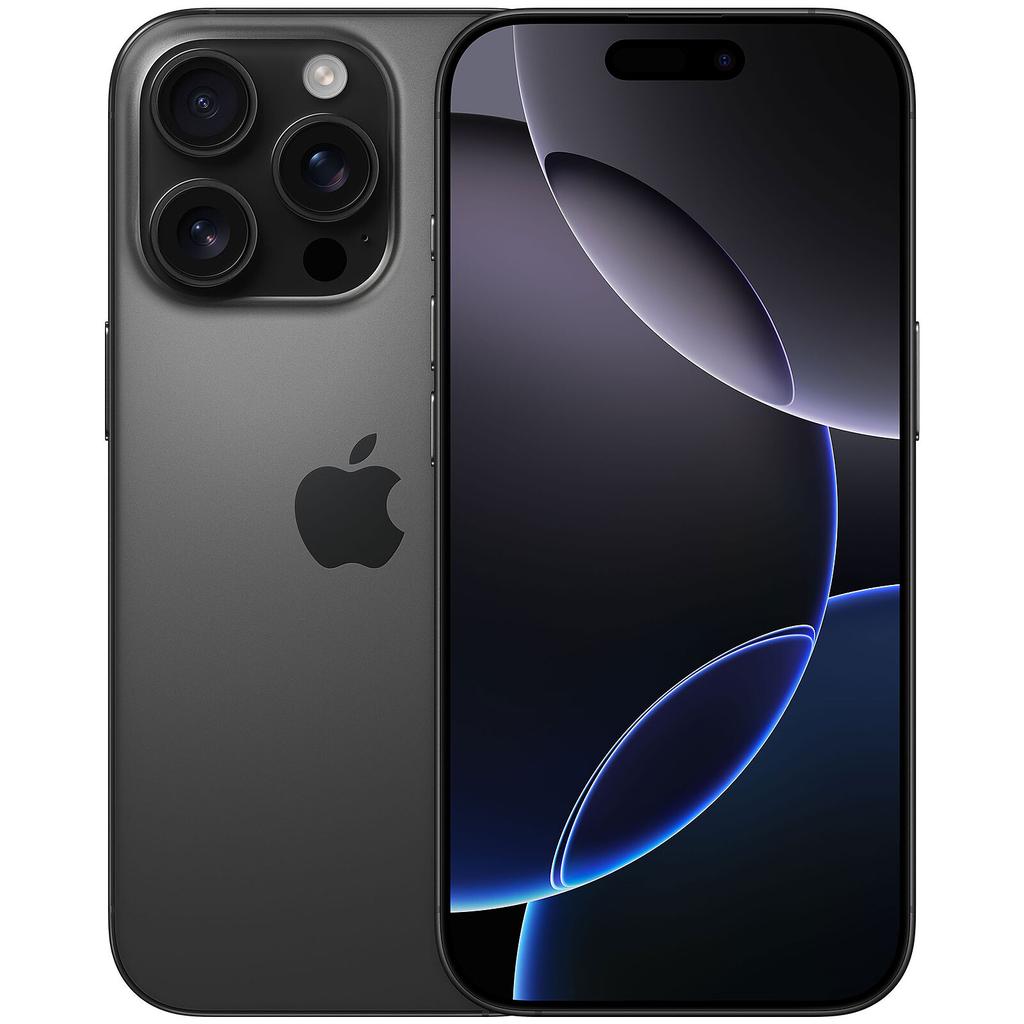
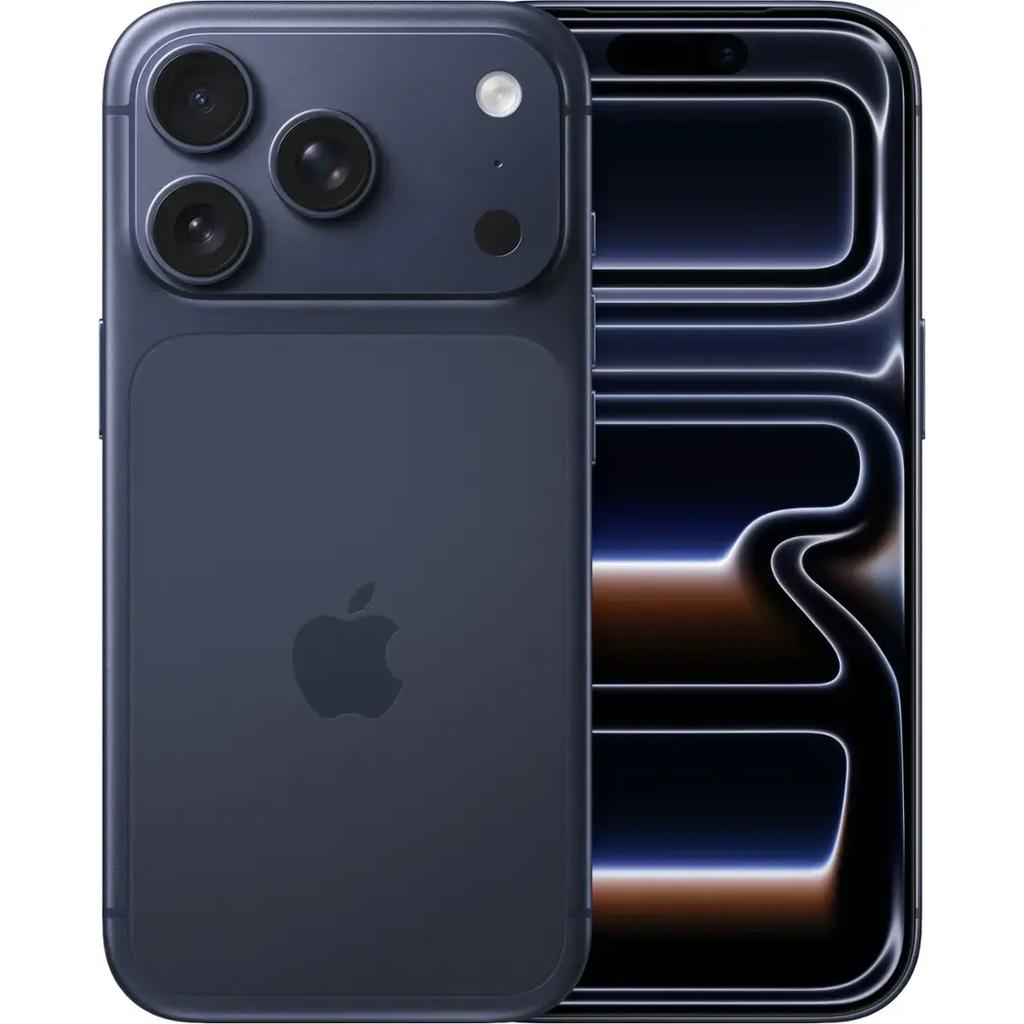
I've tested enough iPhones to know what separates the Pro from the standard model, and the camera system is the real story here. You get a 48MP main sensor with proper optical zoom, a 48MP ultra-wide, and a 12MP telephoto—all working together in ways that cheaper phones can't match. The A18 Pro processor is genuinely overkill for everyday use, but that's exactly why this phone will feel fast in 2030. The 120Hz OLED display is sharp and responsive, and the build quality feels premium without being fragile.
Day-to-day performance is exactly what you'd expect from a flagship iPhone: apps open instantly, multitasking is smooth, and gaming doesn't cause stutters. I haven't hit any real-world limitations with 8GB of RAM. The IP68 rating means you can take it near water without paranoia. Battery life is solid—I'm getting a full day of moderate use, though heavy users might want a top-up by evening. Fast charging would be nice, but wireless charging is there if you remember to use it.
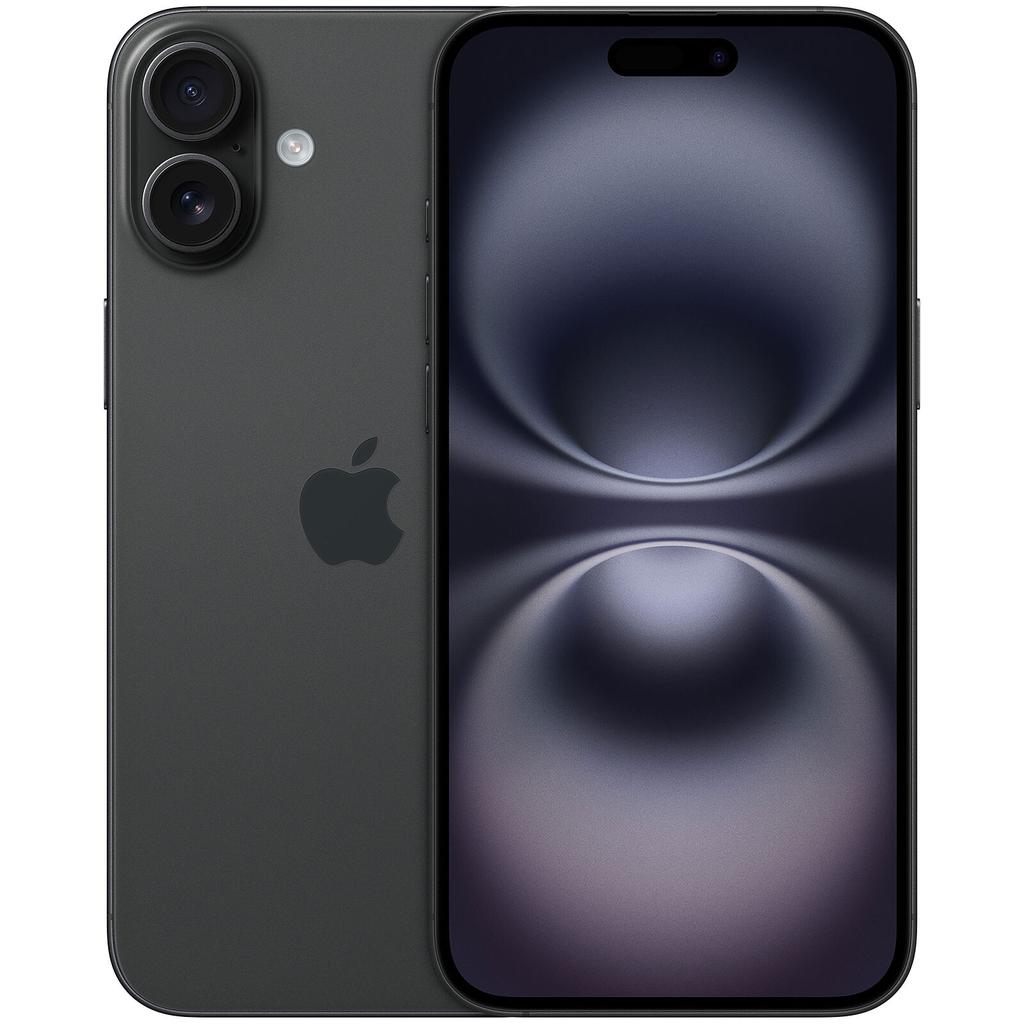
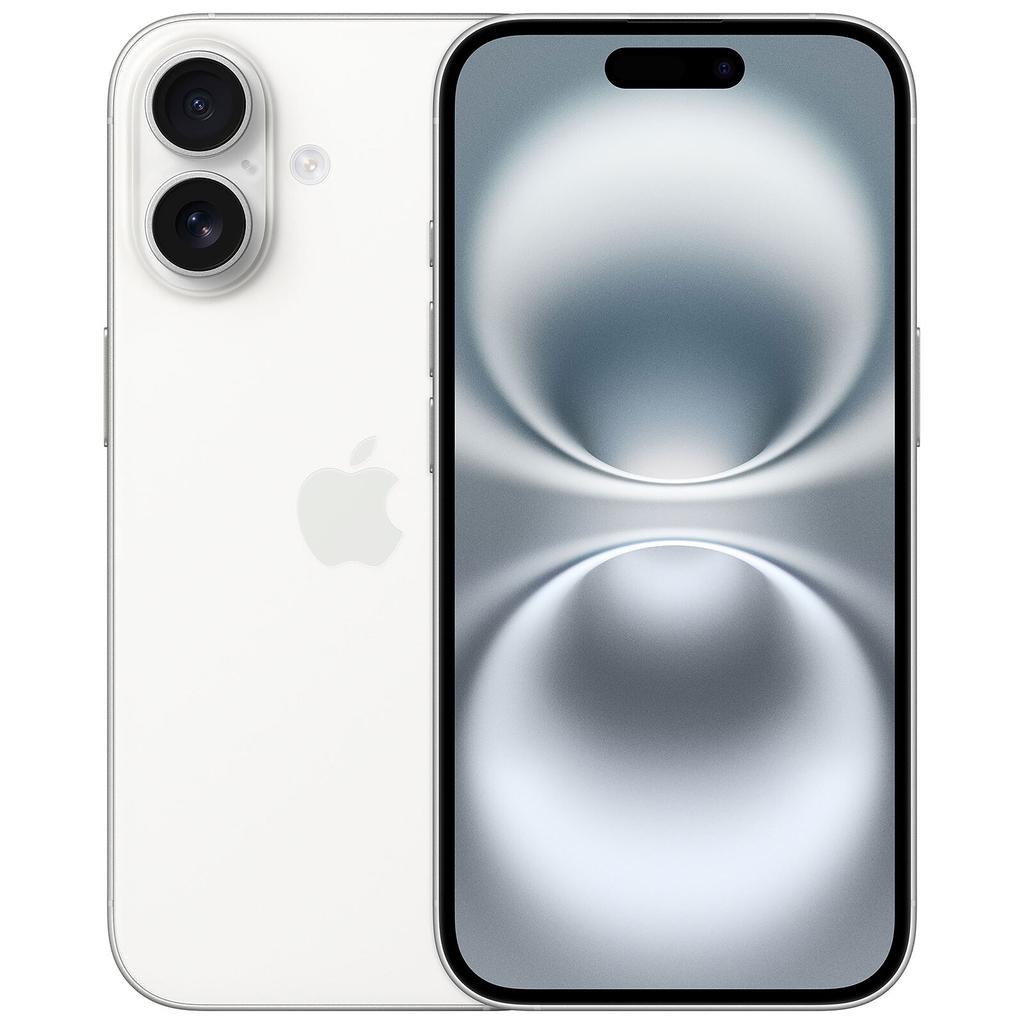
The camera is where this phone earns its premium positioning. The telephoto zoom is genuinely useful, not a gimmick. Night mode is sharp without turning everything into artificial-looking soup. The computational photography works quietly in the background—you just get good photos. Video stabilization is rock solid. The one honest drawback: if you're not a serious photographer, the iPhone 16 (non-Pro) does 85% of what you need for half the complexity.
Here's the refurb case: buying this from Back Market at £619–£809 means you're getting a phone certified to work like new, with a full 12-month warranty and a fresh battery. That's £190 in your pocket versus retail, and you're not sacrificing anything—refurbished phones from Back Market go through proper testing and reset. The real win is pairing the Pro's seven years of software support with that price. If you're someone who keeps phones for three to four years and shoots enough to care about optics, buying refurb here is the financially honest choice.