
Cheap Android Phone vs Refurbished iPhone or Pixel: Which Is Better?

Written by
New to refurbished phones? Download our free PDF guide for first-timers.

A cheap Android phone looks like a bargain until you live with one. A refurbished iPhone or Google Pixel gives you flagship hardware, longer software support, and better resale value for roughly the same outlay.
If you’re spending under $350, a refurbished iPhone 15 or Pixel 9 almost always beats a brand-new budget Android outright.
TL;DR
- Best overall pick: refurbished iPhone 15 256GB (unlocked) — flagship performance, iOS 18 support, and years of updates still ahead.
- Best Android alternative: refurbished Pixel 9 256GB (unlocked) — Google’s seven-year update promise beats every cheap Android on the shelf.
- Things most articles don’t tell you: cheap Androids are often abandoned by manufacturers within 2 years. A $300 refurbished iPhone 15 will still receive security patches and major iOS updates long after a new $200 Android has gone completely dark.
- Always check battery health before buying refurbished. Anything below 80% is a dealbreaker.
Scroll through any major retailer and you’ll find brand-new Android phones for $100 to $200. And to the untrained eye, they look damn tempting.
The spec sheet looks decent on paper.
But the story changes fast once you’ve owned one for 12 months. Cheap Android phones are basically disposable tech at this point. You’ll get (maybe) 12 months or usage before something happens.
And you can forget about timely, reliable software updates.
If you’re looking at the best refurbished phones as an alternative, you’re already asking the right question.
What Do You Actually Get With a Cheap Android Phone?
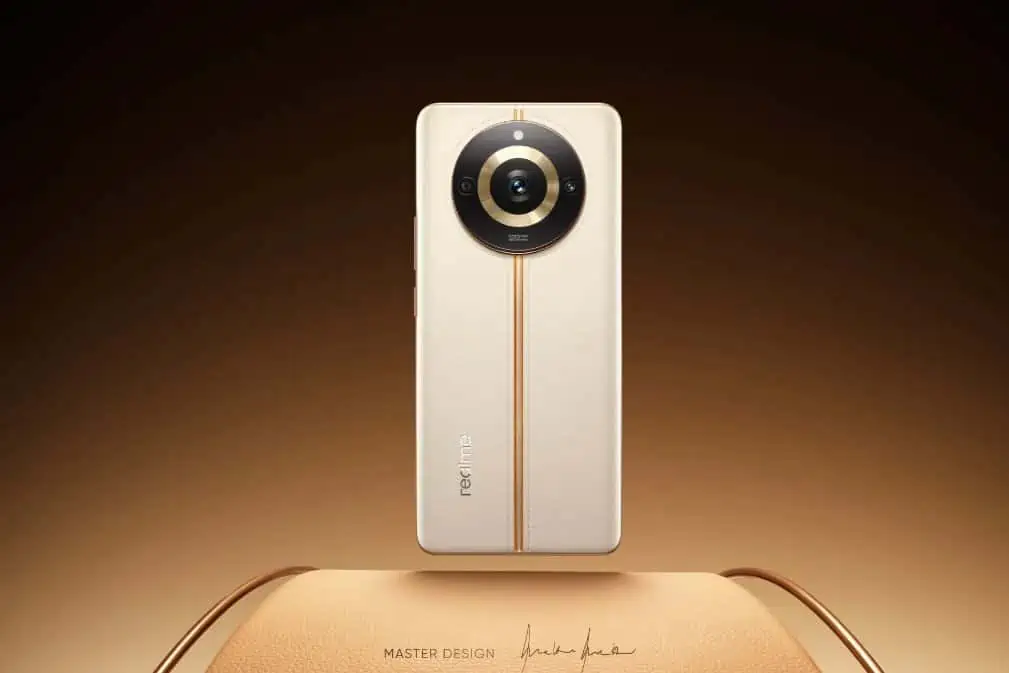
A cheap Android (typically anything under $200 brand new) gives you a processor designed to cut costs, not deliver performance.
You’re usually looking at a MediaTek Helio or entry-level Qualcomm chip, 3–4GB of RAM, and an IPS LCD screen that makes photos look flat.
The camera sensor is small.
The software is heavily skinned.
And the update support is the part that really hurts.
The software support problem
Most budget Android manufacturers ship one or two Android version upgrades, then nothing. Security patches often stop within 18 to 24 months.
That means your banking app starts flagging your device as insecure. Certain apps refuse to run. You’re stuck on an OS that’s no longer being patched against new vulnerabilities.
Compare that to a refurbished iPhone 15, which runs the latest build of iOS, will receive several more years of major iOS updates, and uses a 48MP main camera that would have been considered flagship-tier just two years ago.
The iPhone 15 is our optimal pick for budget-conscious buyers right now, and the reason is simple: the price has dropped into genuinely affordable territory on the refurbished market while the support runway ahead of it is still long.
Build quality and repairability
Budget Android makers cut costs on materials. You’ll notice it in the plastic back, the creaky hinge on the volume rocker, and the screen that picks up scratches inside a month.
iPhones and Pixels use Gorilla Glass and aluminium or polished titanium. Repairers prefer them too, which keeps repair costs lower in the long run.
Why Does Software Support Matter More Than Specs?
Software support is the single most important factor in a phone’s real-world lifespan. A phone with a great chip that stops receiving security updates in 18 months is effectively a liability.
One with a mid-range chip that gets updates for six years is a genuinely good investment.
Apple typically supports iPhones for five to six years from launch. The iOS update support lifespan for even older iPhones is something most budget Android phones can’t come close to matching.
Google has now committed to seven years of OS and security updates for the Pixel 8 series onwards which, QC issues aside, makes Pixel a viable iPhone alternative.
A cheap Android phone at $150 that’s unsupported in 18 months is nothing more than a liability on a countdown timer.
Tech Tip: When you buy a refurbished iPhone, check Settings → General → About → iOS Version to confirm it’s running the latest iOS. A properly refurbished device should ship updated. If it doesn’t, that tells you something about the seller’s standards.
Why Is the iPhone 15 the Optimal Budget Choice Right Now?
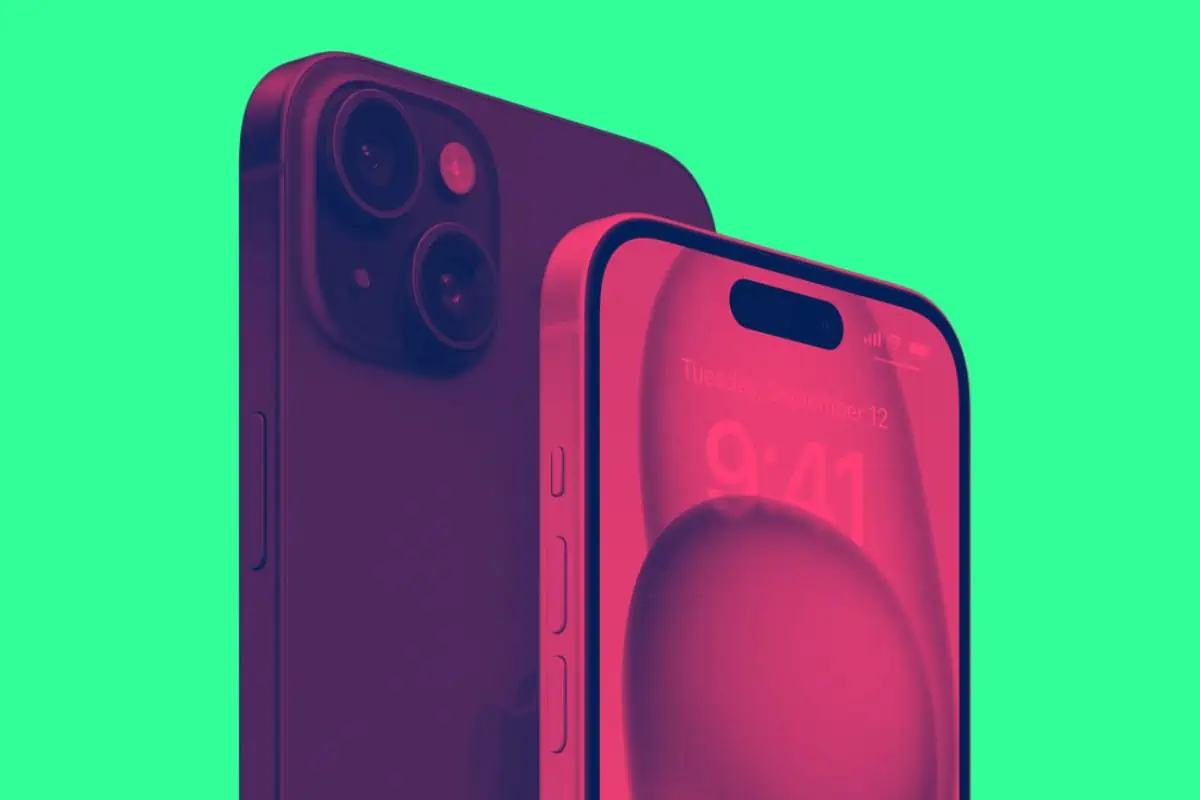
The iPhone 15 has hit the sweet spot that doesn’t come along often: it’s a genuinely current-generation device that has dropped to budget-friendly pricing on the refurbished market.
Refurbished iPhone 15 256GB units (unlocked) are now regularly available for around $300 to $350.
That’s within shouting distance of what you’d pay for a brand-new budget Android, but the gap in what you actually get is enormous.
The USB-C switch changes everything
Apple moved the iPhone 15 to USB-C, ditching Lightning for good which means you can use the same charger as your laptop, your iPad, and every Android in the house.
A 48MP camera at this price is genuinely rare
The iPhone 15 brought a 48MP main sensor, a massive jump from the 12MP sensor in the iPhone 13 and 14.
In practice, that means sharper detail in daylight, better low-light performance, and 2x optical-quality zoom without a dedicated telephoto lens.
No budget Android under $300 comes close to matching it on camera consistency.
The iPhone 15’s computational photography, powered by the A16 Bionic chip, is in a different league from anything built on a budget MediaTek processor.
The support runway is the clinching argument
Apple typically supports iPhones for five to six years from launch. The iOS update support lifespan for the iPhone 15 means you’re realistically looking at full iOS updates through to 2029 or beyond.
An iPhone 13 still has a few years left but is meaningfully closer to end-of-support. Buying an iPhone 15 now gets you more of that support window ahead of you, not behind you.
The refurbished iPhone 15 256GB (unlocked) is the version to go for. The 256GB storage tier gives you genuine headroom for apps, photos, and offline media. It’s the model I’d recommend to anyone asking me right now.
How Does a Refurbished iPhone Compare on Price?
The numbers are closer than most people expect.
- A refurbished iPhone 13 128GB in good condition runs $170 to $210 from a reputable US retailer.
- A refurbished iPhone 14 128GB sits at around $230 to $270.
- And the refurbished iPhone 15 256GB lands at roughly $300 to $350, depending on the seller and condition grade.
Put that against a brand-new budget Android at $150 to $200 and the gap is maybe $100 to $150. Spread across two to three years of ownership, that difference is negligible.
You’re looking at pennies per day for a meaningfully better device.
Refurbished iPhone 13: the hard minimum, not the target
The refurbished iPhone 13 is the floor, not the goal. It’s still a fast, capable phone and it still receives iOS updates.
But with the iPhone 15 now available at accessible refurbished prices, buying the iPhone 13 is increasingly a compromise rather than a smart choice.
Go for the 15 if you can stretch to it.
If the iPhone 13 is all the budget allows, it beats any budget Android at the same price. Just don’t go older than that.
Storage: skip the 128GB if you can
Some refurbished iPhones appear at lower prices because they’re the 128GB variant. That’s fine as a minimum, but 256GB is the sweet spot.
iOS updates, app data, and photos fill 128GB faster than you’d think. The extra storage also future-proofs the device for another year or two.
Why the Google Pixel Is the Smarter Cheap Android
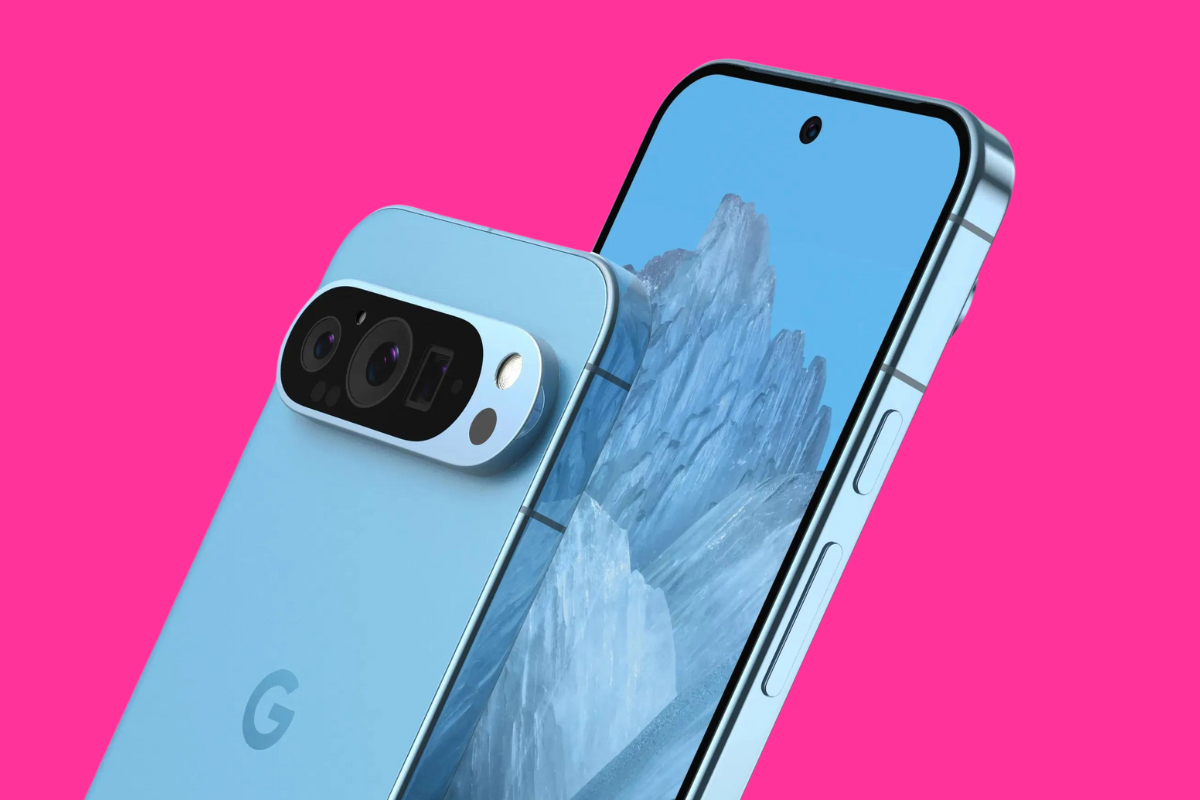
If you prefer Android, the Google Pixel is the only sub-$350 refurbished choice that actually makes sense.
Here’s the thing: the Pixel range runs stock Android, gets updates directly from Google, and now carries a seven-year update commitment. No other Android manufacturer offers that at this price tier.
The refurbished Pixel 8 (unlocked) is the entry point we’d recommend. It has Google’s Tensor G3 chip, an excellent 50MP main camera, and that seven-year software support window.
The Pixel 8 Pro 256GB is worth the step-up if you want the telephoto lens and the larger display.
And if budget allows, the Pixel 9 256GB brings Google’s latest AI features and improved thermal management.
Be honest about Pixel hardware caveats
The Pixel range isn’t perfect. Older Pixel 6 and 7 series phones have documented issues with thermal throttling, battery degradation, and modem inconsistency.
The seven-year update promise is also, in practice, theoretical for some users: if the hardware degrades badly before the support window ends, that promise doesn’t help much.
The Pixel 8 and 9 series are meaningfully better on all of these fronts, which is why we don’t recommend going older than the Pixel 8.
Did You Know? Google’s Tensor chips are designed specifically around AI and machine learning tasks rather than raw compute performance. That means features like live translation, call screening, and photo unblur work entirely on-device, without needing to upload your data to a server. It’s a meaningful privacy and usability advantage over chips optimised purely for benchmarks.
What About Battery Life and Build Quality?
Budget Androids often use large batteries as a headline selling point, sometimes 5,000mAh or more.
The problem is that a cheap processor with inefficient software can drain even a big battery fast. Real-world usage often doesn’t match the marketing.
Refurbished iPhones and Pixels use hardware and software that’s tightly integrated. iOS, in particular, is ruthlessly optimised for battery efficiency.
An iPhone 15 will regularly get a full day of heavy use on a charge. The same is not reliably true for $150 budget Androids.
Battery health: the one thing you must check
With any refurbished phone, battery health is the critical pre-purchase check. On iPhone, go to Settings → Battery → Battery Health and Charging.
Anything below 80% is a dealbreaker.
Anything 85% or above is solid for day-to-day use.
Reputable refurbishers will list battery health upfront. If a seller doesn’t show it, ask before you buy. Our guide to trusted refurbished phone retailers covers which sellers are transparent about this.
The Real Total Cost of Ownership
Here’s the comparison that matters most: total cost across two to three years of ownership, not the sticker price on day one.
| Device | Approx. Price | Update Support | Resale Value (2yr) |
|---|---|---|---|
| Budget Android (new) | $120–$200 | ~18–24 months | Near zero |
| Refurb iPhone 13 128GB | $170–$210 | 2–3 years remaining | $60–$90 |
| Refurb iPhone 14 128GB | $230–$270 | 3–4 years remaining | $80–$110 |
| ⭐ Refurb iPhone 15 256GB — Best Value Pick | $300–$350 | 5+ years remaining | $130–$180 |
| Refurb Pixel 8 128GB | $220–$280 | 5+ years remaining | $70–$110 |
The budget Android loses value almost instantly, stops receiving updates in under two years, and then needs replacing.
The refurbished iPhone 15 or Pixel 8 keeps you covered for longer, holds real resale value, and costs only $100 to $150 more upfront.
Across three years of ownership, that’s less than $4 a month difference.
The maths favour the refurbished device, clearly. If you want to dig into the full picture before buying, our refurbished phone guide covers the most common buying questions in full.
Know Your Mobile Verdict
Cheap Androids are a false economy. You’re paying for hardware that will be unsupported in 18 months, built to a cost, and worth almost nothing when you try to sell it.
A refurbished iPhone 15 or Pixel 8, bought from a reputable retailer, costs a similar amount upfront and gives you years of useful life, a genuinely capable camera, and a device that still commands a real resale price when you’re done with it.
The case for the refurbished iPhone 15 256GB is the strongest it’s ever been for budget-conscious buyers: USB-C, a 48MP camera, the A16 Bionic chip, and iOS updates running well into the 2030s, all for around $300 to $350 refurbished.
On the Google side, the Pixel 9 256GB makes the same argument for Android buyers.
Pro-Tip: always filter for unlocked models only. A carrier-locked refurbished phone limits your flexibility on SIM, plan, and resale in ways you’ll regret the moment you want to switch.
Browse the latest prices on current refurbished phone deals to see where prices sit right now.
Read more: Explore our full range of refurbished smartphone buying guides and find the right device for your budget.