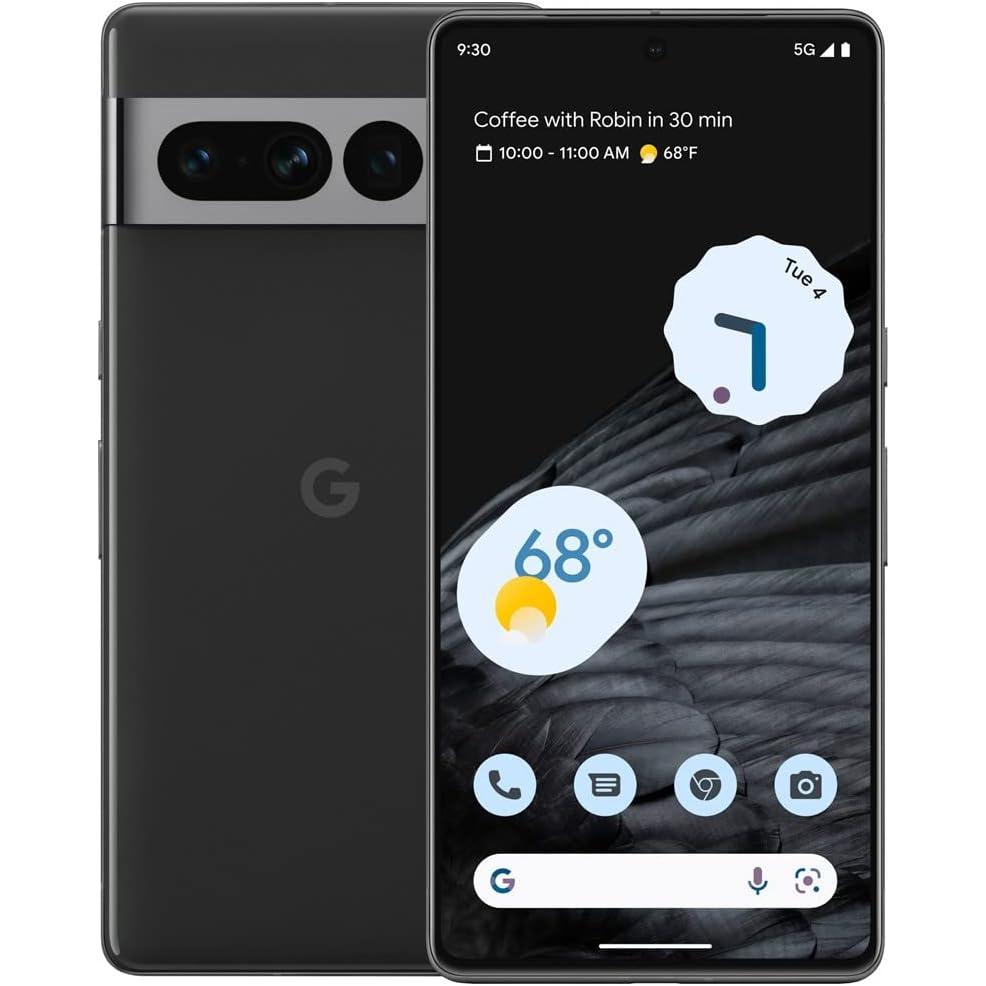
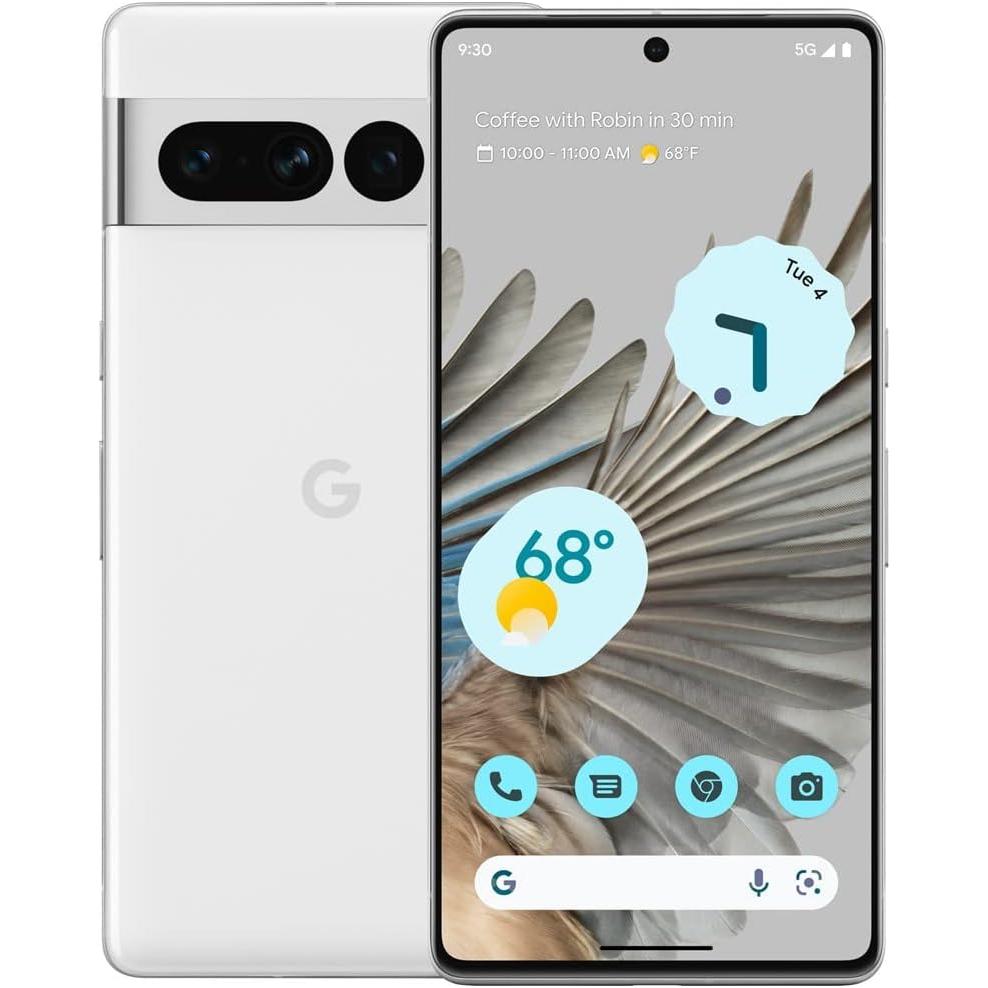
Refurbished phones live or die on two questions: does the hardware hold up, and how long does the software stay current? Pixel answers both convincingly. Google builds these devices, so updates arrive faster and last longer than on almost any other Android handset. Pair that with the best refurbished phones already available in the £150–£400 range, and a used Pixel starts to look less like a compromise and more like a considered upgrade.
Are Refurbished Google Pixel Phones Worth Buying?
Yes — but only if you pick the right generation. Pixel 6 and newer models are the sweet spot. They carry up to five years of security and OS updates from their original launch date, and that clock doesn't reset just because you bought the phone second-hand. Older models like the Pixel 4a and 5 are still capable devices but they are pushing close to end-of-support; treat those as short-term buys only.
The refurbished status itself is not a red flag. A reputable seller will have tested the logic board, replaced the lithium-ion battery if capacity has dropped, and graded the chassis before it ships. You get the same software experience as a new unit; you just pay less for the enclosure.
Why Google Pixels Hold Their Value as Refurbished Buys
1. Clean Android, Zero Bloat
Most Android manufacturers layer a custom skin over the OS. Pixel runs stock Android tuned directly by Google, which keeps the interface fast even as the hardware ages. That matters in the refurbished market: a two-year-old Pixel often feels snappier day-to-day than a brand-new entry-level handset running a heavy manufacturer skin with pre-installed apps you can't remove.
2. Direct, Fast Software Updates
Updates on a Pixel do not wait for a manufacturer to repackage them. Google pushes Android version upgrades and monthly security patches straight to the device — refurbished or new, it makes no difference to the update pipeline. On Pixel 6 and later, that support window runs to approximately five years from launch. On older Pixel 4a and 5 devices, expect around three years total, so factor the original launch date into your buying decision.
If software longevity matters to you, this is also where iPhone software longevity presents a genuine alternative — iOS support windows typically run six or seven years, which is longer than any current Android commitment.
3. Cameras That Outlast the Flagship Cycle
Pixel's computational photography pipeline — the algorithms that handle night mode, HDR processing, and portrait blur — runs on Google's own chips and software. That processing advantage does not age the way raw megapixel counts do. A refurbished Pixel 7 Pro still produces low-light images that embarrass most brand-new mid-range rivals because the intelligence sits in the software, not just the sensor.
4. Hardware Built to a Flagship Standard
Even entry-tier Pixel 'a-series' models carry OLED displays, IP-rated chassis on most generations, and wireless charging on the Pro lines. Buying a refurbished Pixel 6 Pro or 7 Pro means you get premium build materials — Gorilla Glass, aluminium rails, polished camera visor — at a price point where new phones use plastic and LCD panels.
The Caveats You Need to Know
Battery Health Is the Main Variable
The lithium-ion battery in any used phone degrades with each charge cycle. A refurbished Pixel that has not had its battery replaced may show noticeably reduced all-day stamina, particularly on older units that have been through two or more years of daily charging. Always ask the seller for battery health data, or confirm whether the battery has been replaced. This is the single biggest differentiator between a strong refurbished buy and a frustrating one.
Older Pixels Face Real Reliability Risks
This is worth stating plainly. Pixel 4 and some Pixel 5 units have documented modem connectivity issues under certain network conditions. Pixel 6 and 6 Pro had early fingerprint sensor inconsistency that software updates largely resolved, but units from the very first production run may still be more temperamental. Pixel 3 and 3a are approaching or past end-of-software-life. Stick to Pixel 6 and newer for longevity buys. The older 'a-series' devices are fine as budget short-termers if the price is right.
Display Burn-In on High-Usage Units
Pixel OLED panels can develop permanent image retention if the original owner used maximum brightness for extended periods or left static content on screen. Inspect refurbished units carefully — any reputable seller will flag this, but it's worth checking the returns policy before you commit.
Refurbished Pixel vs. New Budget Android: Which Wins?
| Feature |
Refurbished Pixel 6 / 7 |
New Entry-Level Android |
| Software updates |
Up to 5 years from launch |
Often 2 years or fewer |
| Camera processing |
Flagship-grade computation |
Basic, limited HDR |
| OS experience |
Stock Android, no bloat |
Custom skin, pre-installed apps |
| Performance chip |
Mid-high tier (Tensor G1/G2) |
Entry-level chip, may lag |
| Build quality |
OLED, aluminium, IP rating |
Often plastic, LCD |
| Battery confidence |
Check health; may be replaced |
New cell, full capacity |
| Warranty |
Reputable refurbishers offer 6–12 months |
Full manufacturer warranty |
In practice, a refurbished Pixel 6 or 7 series running at £250 delivers more processing power, a longer update lifespan, and a significantly stronger camera than a new handset at the same price. The tradeoff is battery uncertainty — which a good refurbisher eliminates by replacing the cell before sale.
For budget-friendly used phones more broadly, Pixel's 'a-series' lineup offers the best camera and software combination in the sub-£200 refurbished bracket.
Which Pixel Model Should You Buy Refurbished?
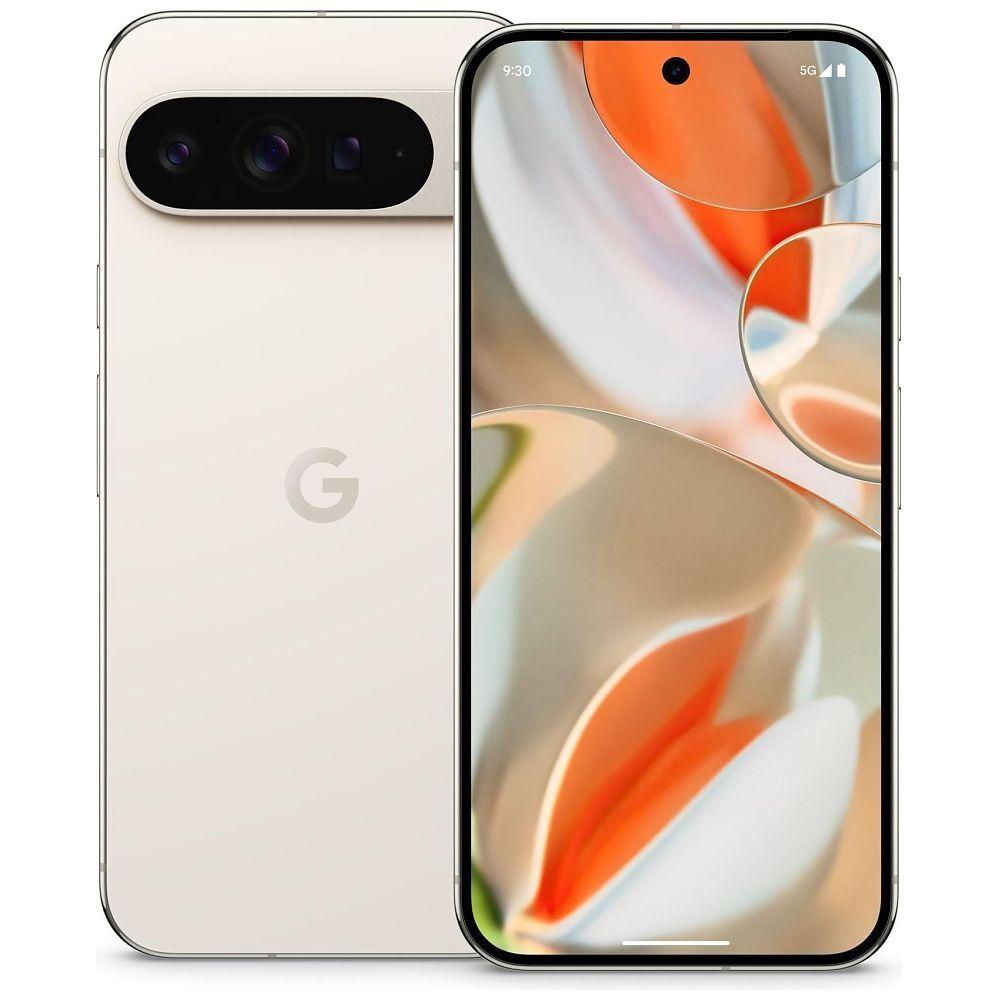
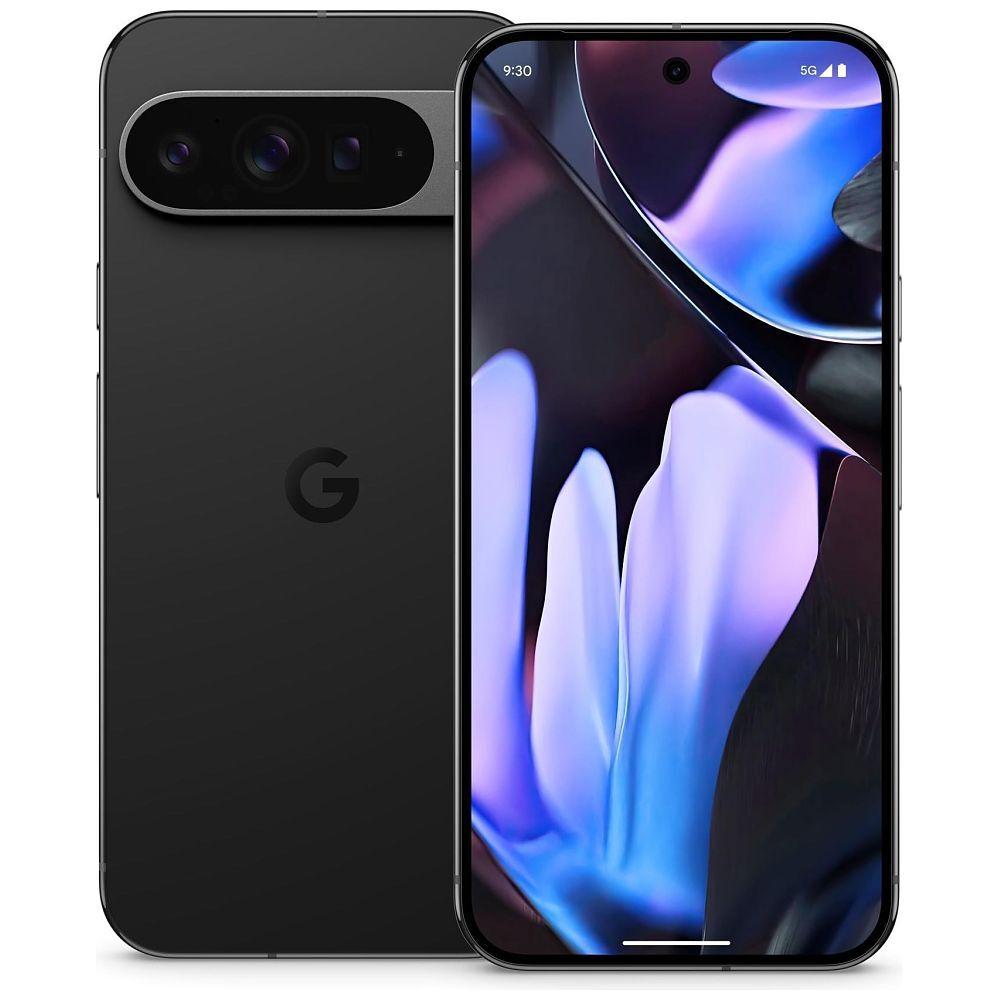
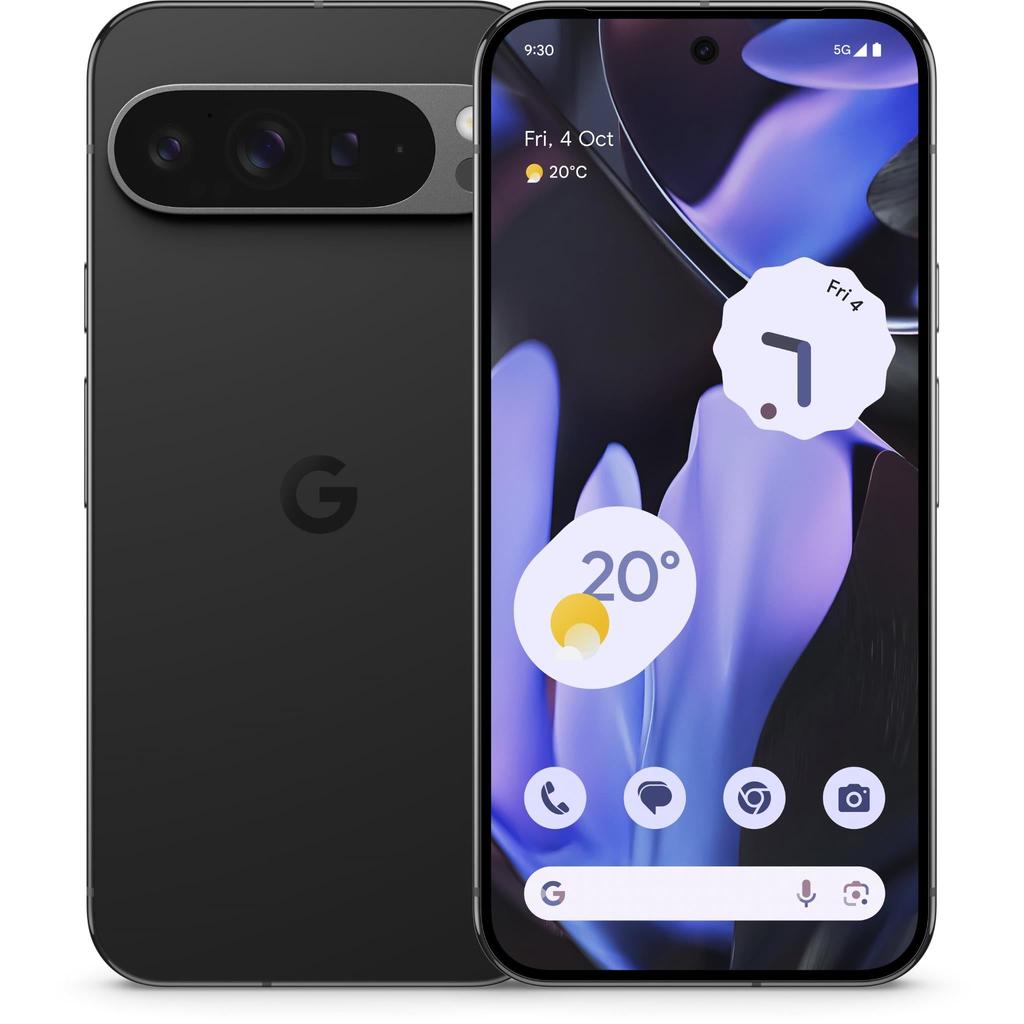
Pixel 9, 9 Pro, and 9 Pro XL — Best for Longevity and All-Round Performance
The Pixel 9 series is the strongest refurbished buy right now. Google's Tensor G4 chip, the updated camera system, and a seven-year update commitment from launch mean these devices have the longest remaining lifespan of any Pixel in the refurbished market. The 9 Pro XL in particular lands as a genuine flagship rival to the iPhone 16 Pro Max at a meaningfully lower price once it starts appearing in certified refurbished stock. If you want maximum value from a used Pixel over the next three to five years, start here.
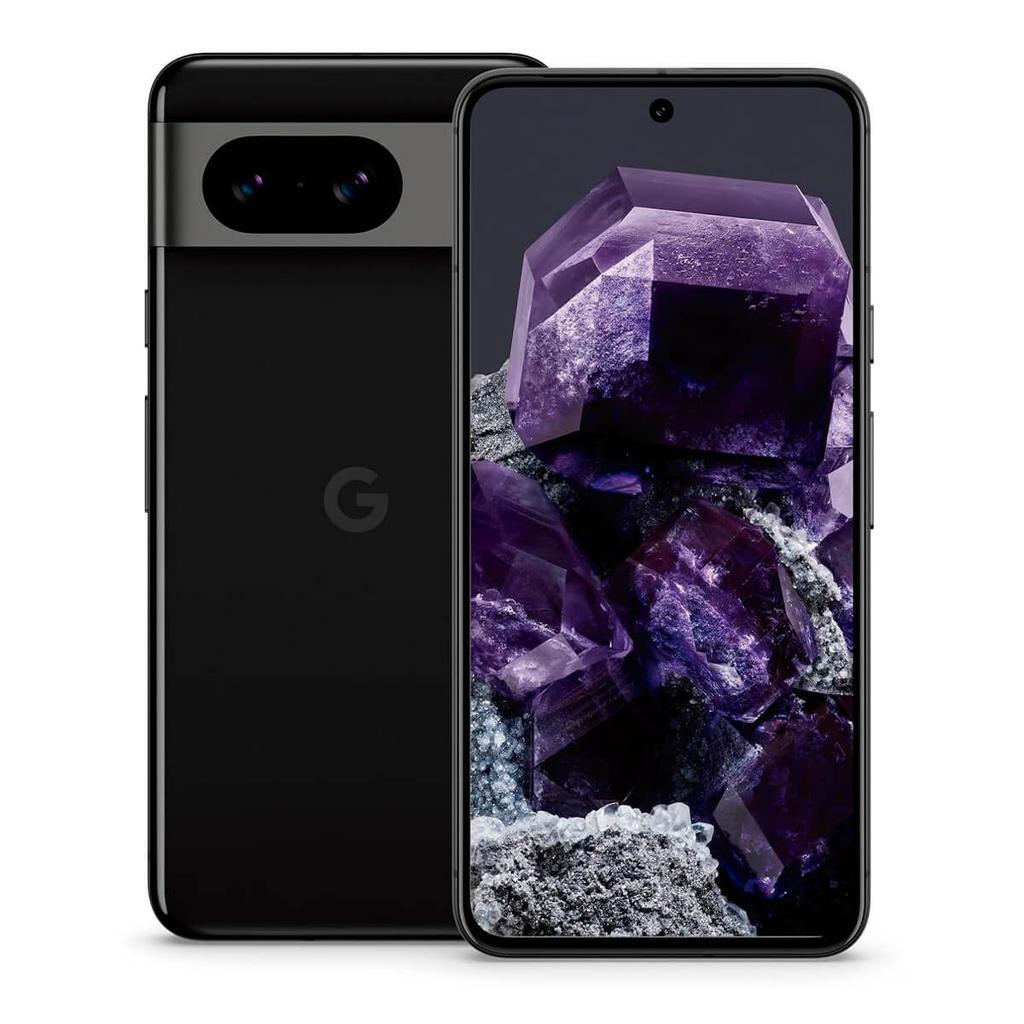
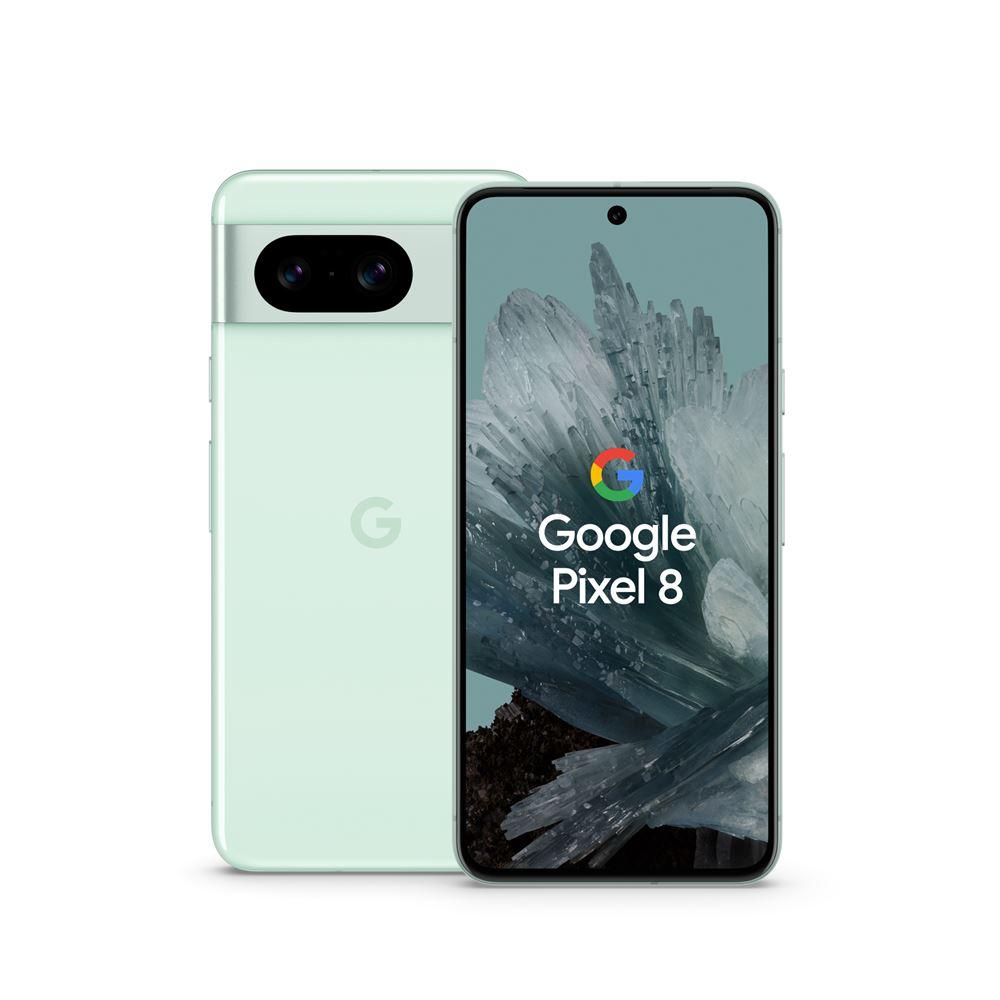
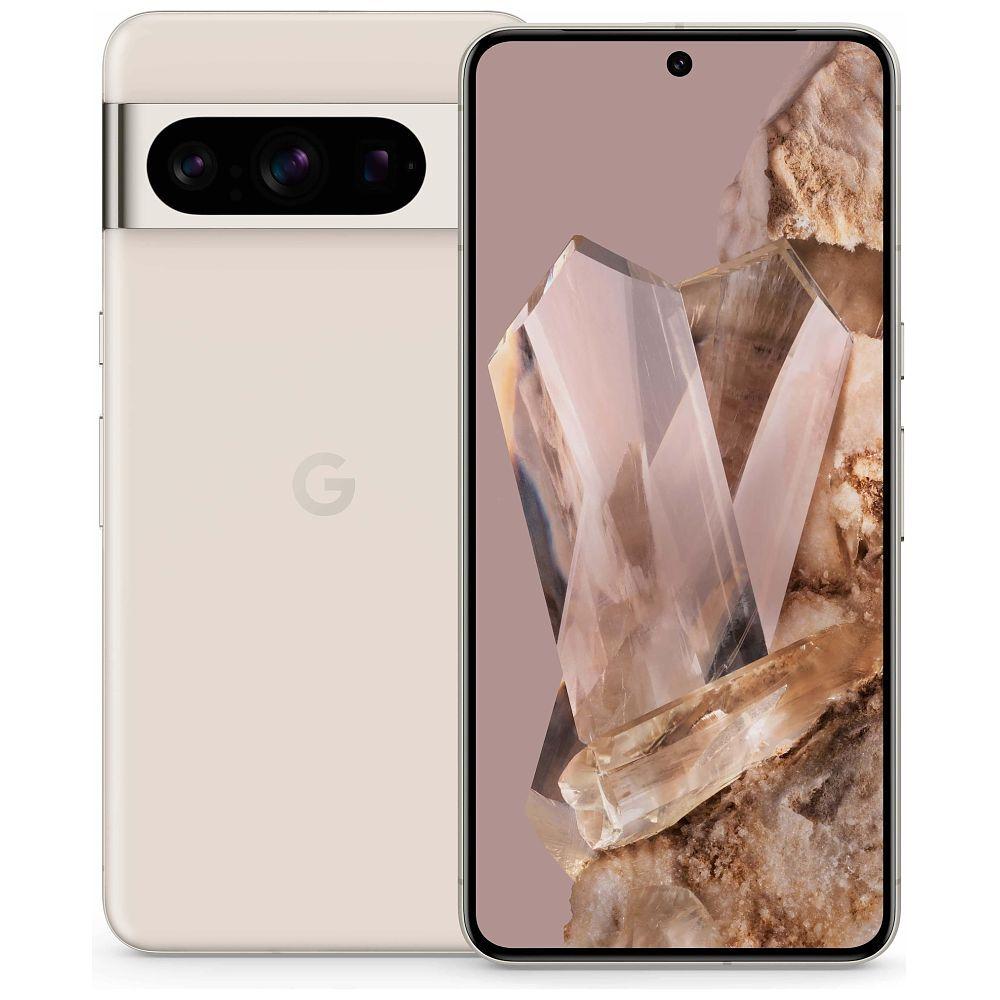
Pixel 8 and 8 Pro — Best Balance of Price and Update Life
The Pixel 8 series is where the sweet spot currently sits for most buyers. Google extended the update window to seven years from launch on these models — a significant shift from the five-year commitment on Pixel 6 and 7 — so a refurbished Pixel 8 bought today still has years of guaranteed software support ahead of it. The 8 Pro adds a telephoto lens, a higher-resolution display, and a temperature sensor, and it is increasingly appearing at prices that make it an easy recommendation over anything older. If you shoot video or create content for social platforms, the Pro's camera system is worth the premium — see our guide to smartphones for content creators.
Pixel 8a — Best Mid-Range Refurbished Buy
The 8a carries the same Tensor G3 chip as the Pixel 8, inherits the seven-year update window, and adds wireless charging — which the 7a lacked. In the refurbished market it sits at a price point that makes it the default recommendation for anyone who wants a capable, future-proofed Android without spending flagship money. Camera performance and day-to-day speed both hold up well against handsets costing significantly more new.
Pixel 7a and Pixel 7 Series — Acceptable, But Bottom of the List
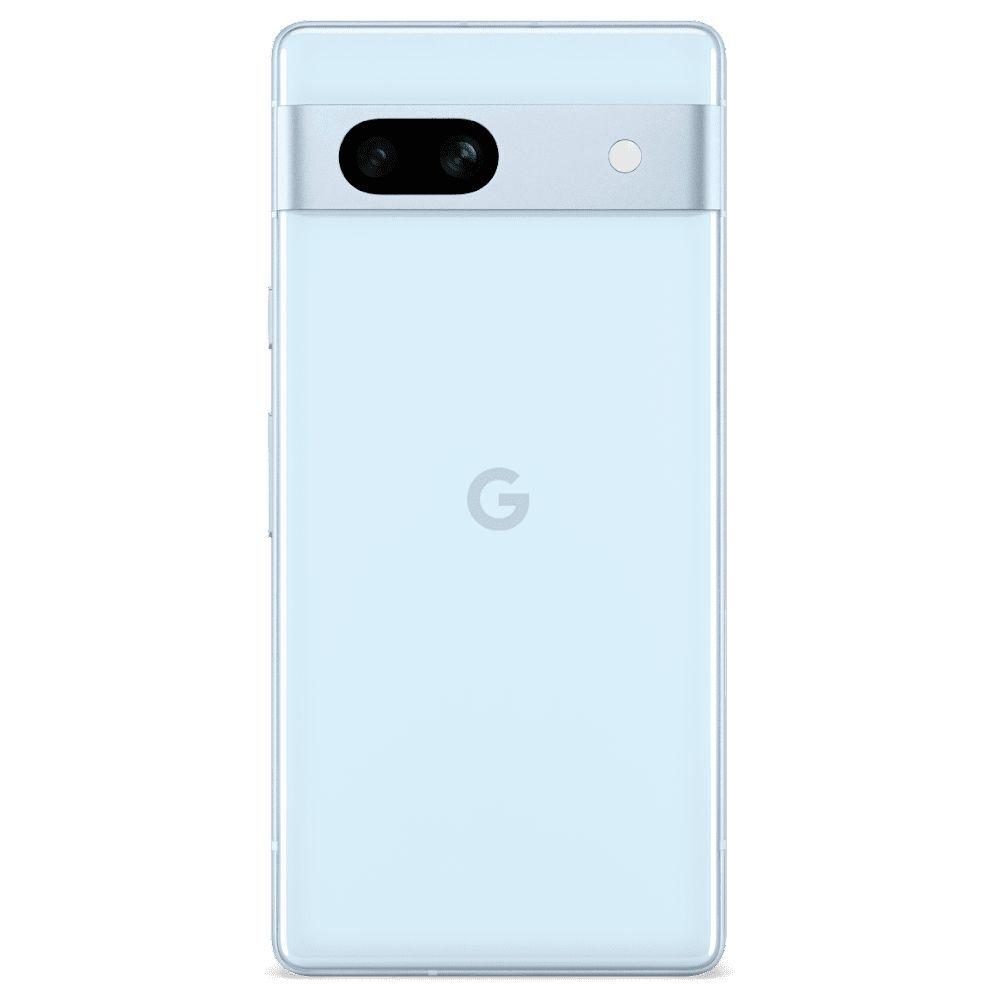
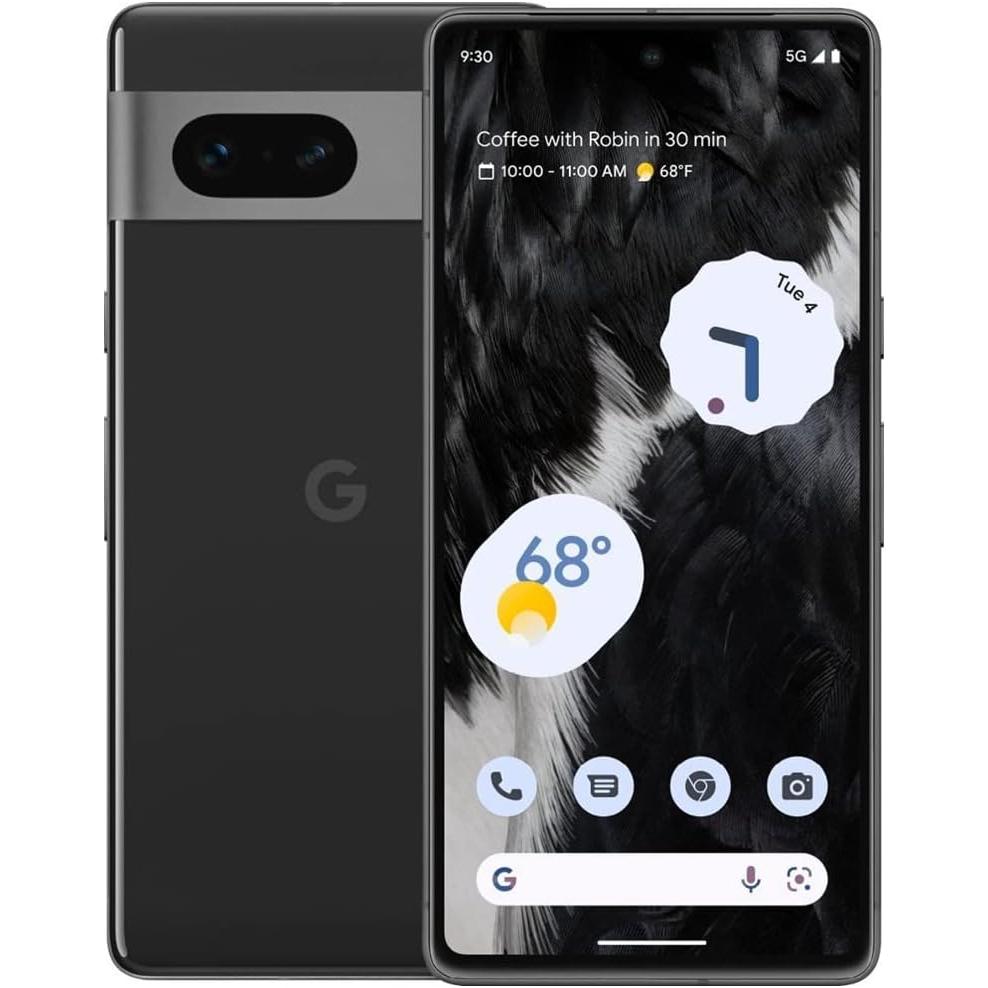
The Pixel 7 and 7a are not bad phones, but with a five-year update window from their 2022–2023 launch dates, the remaining software lifespan is tightening. Buy one only if the price is substantially lower than 8-series equivalents and you are comfortable with a two-to-three year horizon rather than four or five. Treat these as value buys, not longevity plays.
Pixel 6 Series and Older — Avoid for Primary Use
Software support on Pixel 6 and 6a has ended or is imminent. These make sense only as ultra-budget secondary devices. Do not rely on them as a daily driver if security and up-to-date app compatibility matter to you.
What to Check Before You Buy
- Confirm the remaining update window by looking up the model's original launch date and Google's published support schedule.
- Ask about battery health — ideally above 85% capacity, or confirmed battery replacement.
- Verify the grade — cosmetic grades (A, B, C) vary between sellers; read the grading definitions carefully.
- Check the warranty length — aim for at least six months; twelve is better.
- Read the returns policy — a seven to thirty day return window is standard among trusted refurbished retailers.
- Check for network lock — some refurbished Pixels arrive locked to a carrier; confirm it is unlocked before purchasing if you use a different SIM.
Have more questions about the buying process? The refurbished phone guide covers common sticking points in detail.
Know Your Mobile Verdict
Buy a refurbished Pixel 8, 8 Pro, 8a, or any Pixel 9 series device if you want the best Android has to offer without paying new-phone prices. All of these carry Google's seven-year update commitment, industry-leading computational photography, and stock Android that stays fast over time.
The caveats are real but manageable: prioritise sellers who have replaced the battery, stick to Pixel 8 and newer for genuine longevity, and inspect OLED panels for burn-in before you commit. Pixel 7 and 7a are acceptable budget fallbacks — just go in with realistic expectations on remaining software life.
Pro Tip
Time your purchase for February–May or September–December. Those windows follow major trade-in waves triggered by Samsung Galaxy and iPhone launch cycles, which flood the refurbished market with near-new Pixels as owners upgrade. Prices typically drop 15–20% in the weeks after a flagship Android launch — Pixel included.
 KnowYourMobile
Find My Phone →
KnowYourMobile
Find My Phone →